| Key takeaways: |
|---|
| • Fall is the prime window to aerate, overseed, and fertilize cool-season grasses like tall fescue and perennial ryegrass in San Jose. • Adjust your watering schedule as seasonal rains arrive. • Keep mowing until your grass stops growing. |
Fall is San Jose’s most important season for lawn care. As summer heat fades and cooler temperatures arrive, your grass is ready to recover and grow.
With mild winters and no hard frost in USDA zone 9b, San Jose lawns benefit from fall tasks that set the stage for a lush spring. A little effort now pays off all year.
If tackling fall lawn care feels overwhelming, LawnStarter’s local San Jose lawn care pros can handle it for you.
Keep Mowing Before Winter
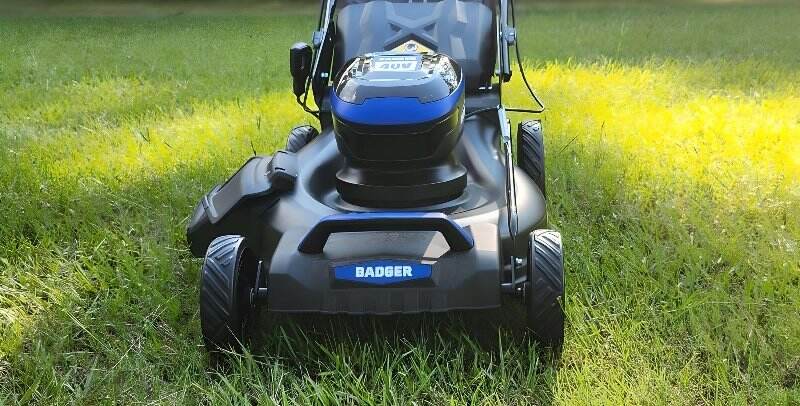
The best fall lawn care in San Jose is to mow your lawn consistently at a set height throughout the fall, removing no more than one-third of the blade each time. According to the Western Regional Climate Center, the local average temperature drops from 64 degrees in October to 55 degrees in November, allowing cool-season grasses to continue growing into late fall.
Avoid giving your grass a short final cut. For tall fescue, keep the mowing height at 3 to 3.5 inches through fall to protect the crown and root system heading into winter.
Sharp lawn mower blades matter. Dull blades tear grass rather than cut it cleanly, increasing the risk of disease as you enter the wet season.
See Related:
— Mowing Height Debate: Last Mow of the Season Low?
— How to Sharpen Lawn Mower Blades
Fertilize Your Lawn for Fall
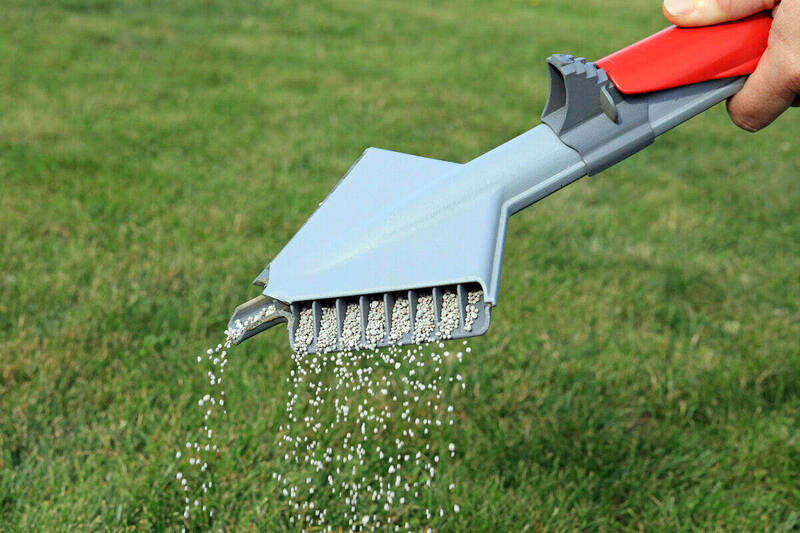
Fall is the best time to fertilize cool-season grass in San Jose. Fertilizing now helps your lawn store nutrients and strengthens roots for the months ahead.
| Grass Type | When to Fertilize | What to Apply |
|---|---|---|
| Cool-season (tall fescue, perennial ryegrass) | Late September to October | Complete fertilizer (e.g., 16-4-8) |
| Warm-season (Bermudagrass) | September to early October | Light nitrogen application for color retention |
See Related:
— How to Fertilize Your Lawn
— When to Fertilize Your Lawn in California
Water Wisely
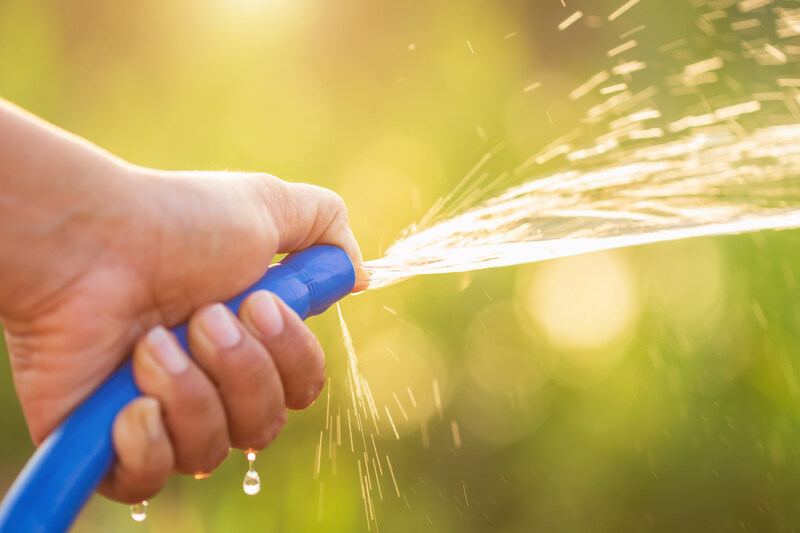
Your lawn still needs about 1 inch of water per week during fall. Check the forecast to see if rain is providing enough moisture naturally.
San Jose receives most of its annual rainfall between November and March. According to National Weather Service data, around 82% of the city’s annual precipitation falls during the wet season, so you can significantly reduce irrigation once the rains begin.
When you do water, water deeply and less frequently. Avoid overwatering, as excess moisture creates ideal conditions for fungal diseases and lawn pests.
See Related:
— How to Water Your Lawn in Fall and Winter
— Signs of Overwatering Your Lawn
Dethatch Your Lawn
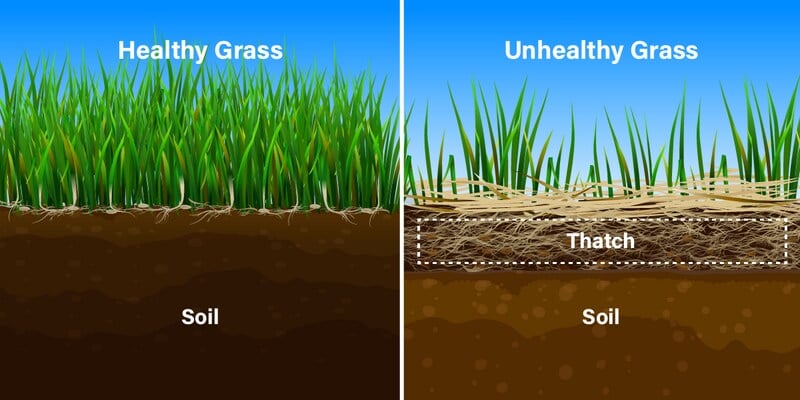
Thatch is a layer of dead grass, roots, and stems that builds up between your lawn’s green blades and the soil surface. A thin layer (under half an inch) is healthy, but anything over 0.5 inches blocks water, air, and nutrients from reaching roots.
Dethatching removes this excess buildup. Most lawns benefit from annual dethatching, but tall fescue may need it only every few years.
When to dethatch: Early fall in San Jose, before aerating and overseeding.
See Related:
— When and How to Dethatch Your Lawn
— Can You Dethatch and Aerate at the Same Time?
Aerate Your Lawn
Compacted soil prevents water, air, and nutrients from reaching grass roots. This is especially relevant in San Jose, where much of the valley floor has clay loam soils that compact easily.
Core aeration pulls small plugs, allowing roots to breathe and grow deeper. Professional aeration costs between $107 and $202 for an average lawn.
In San Jose, fall is the best time to aerate cool-season grasses because the soil is still warm and these grasses are actively growing.
Tips for best results:
- Soil moisture: Aerate when soil is moist but not soggy. Water the day before if needed.
- Leave the plugs: Let soil cores break down naturally on the lawn to return nutrients.
- Timing: September through early October for cool-season grasses (before overseeding).
If you would rather leave the heavy lifting to a pro, LawnStarter’s aeration service connects you with experienced local crews in San Jose.
See Related: How to Aerate Your Lawn: A Complete Guide
Thicken Your Lawn by Overseeding
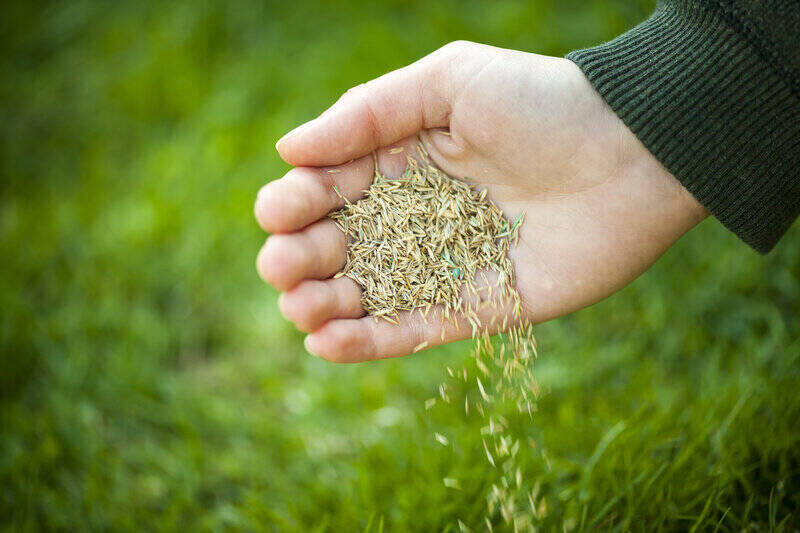
Bunch-growing grasses like tall fescue and most cool-season grasses don’t recover on their own from summer damage and wear. Bare patches and thinned areas will need overseeding to make them thick again.
The best time to overseed is in September to early October, so the new grass has time to establish roots before the cold season.
For the best results, overseed after dethatching and aerating. These steps improve seed-to-soil contact for better germination.
See Related:
— How to Overseed a Lawn in 8 Simple Steps
— How to Overseed in the Fall With Fescue
Manage Leaves and Debris
San Jose’s deciduous trees drop leaves throughout the fall. Letting them pile up blocks sunlight and traps moisture, creating conditions for fungal diseases.
Rake or blow leaves regularly, especially after heavy drops. A thin layer of finely chopped leaves can stay as mulch, but thick piles should be removed.
Composting fallen leaves is a practical way to recycle nutrients back into your garden beds and reduce green waste pickup costs.
See Related:
— Best Ways to Clean Up Leaves in Your Yard
— What to Do With Fallen Leaves in Your Yard
Control Fall Weeds and Pests
Fall is the right time to apply pre-emergent herbicide in San Jose. Target winter weeds like Poa annua before soil temperatures drop below 70 degrees, typically in late September to mid-October.
Watch for common fall pests:
- Grubs: Feed on grass roots, causing brown patches that pull up easily.
- Armyworms: Chew grass blades, leaving irregular bare spots.
- Sod webworms: Create small brown patches that do not respond to watering.
Treat pest problems early before damage spreads across your lawn.
See Related: When to Apply Pre-Emergent Herbicide (Spring and Fall Guide)
Get Your San Jose Lawn Ready for Winter
Fall is the perfect time to give your San Jose lawn the care it needs. With the right tasks now, your grass will come back strong in spring.
Need help preparing your lawn? LawnStarter connects you with top-rated lawn care pros in San Jose. We also serve other nearby California cities, including Santa Clara, Cupertino, and Milpitas.
Read More:
— Best Grass Types in San Jose
— Spring Lawn Care Tips for San Jose
FAQs
A slow-release nitrogen fertilizer is the best choice for fall lawns. It feeds grass roots heading into winter, helping your lawn store energy for strong spring growth. In San Jose, apply in September or October while cool-season grasses like tall fescue are actively growing.
The most common fall lawn care mistakes weaken your grass heading into winter. Avoid these:
• Cutting grass too short before winter, which exposes roots to cold
• Stopping watering too early before seasonal rains arrive
• Skipping fall fertilization when roots need nutrients most
• Leaving thick layers of leaves on the lawn, which suffocates grass
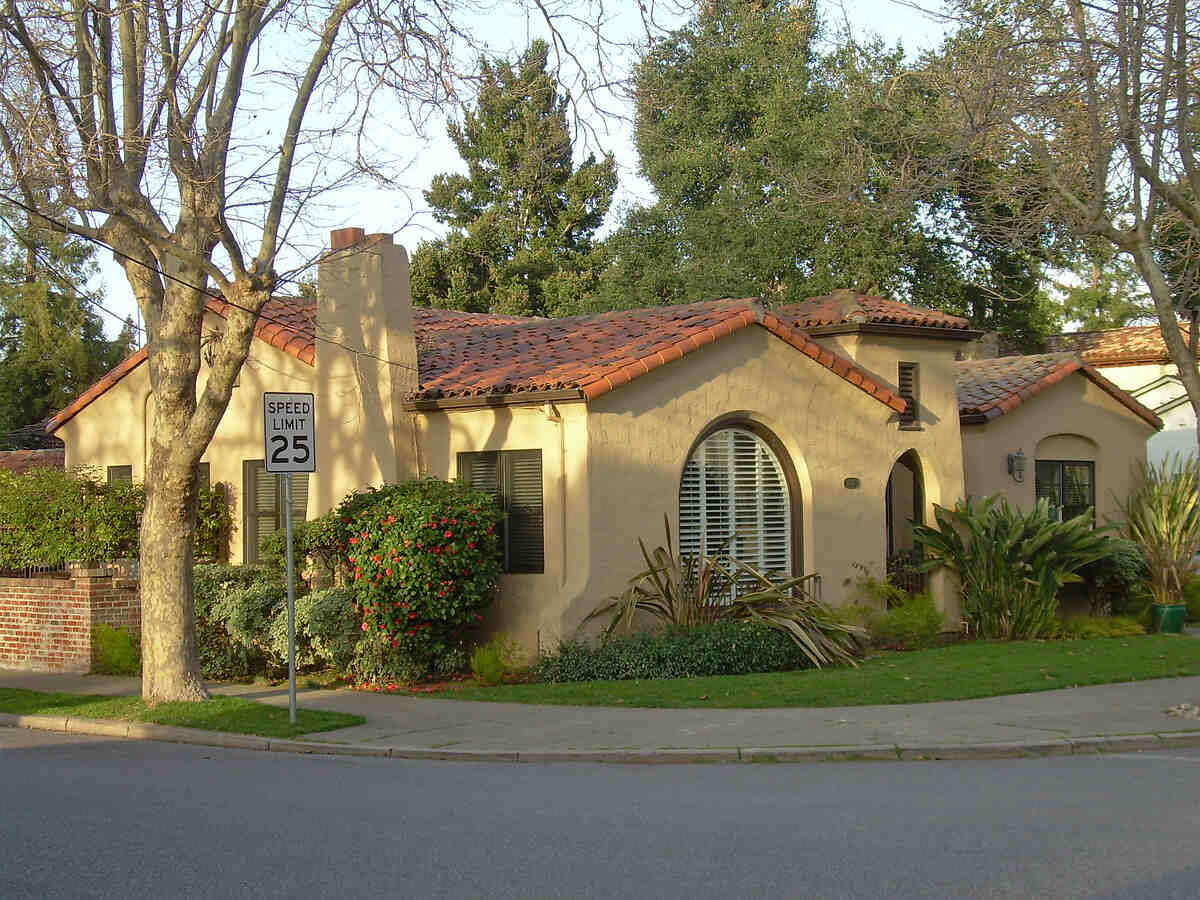
Main Image: San Jose home with landscaped front yard. Photo Credit: David Sawyer / Flickr / CC BY-SA 2.0
Related Posts: