
Summer in Portland usually means long daylight hours, packed patios, and weekends at the Waterfront Blues Festival. It’s also the time when lawns feel the shift from rainy spring to the dry season.
The biggest summer lawn care priorities here are simple: Mow consistently and water wisely so your grass doesn’t struggle during PDX’s dry, warm stretches. In this guide, we’ll walk you through exactly how to keep your lawn healthy during this season.
But if you’d rather spend your days off along the river instead of adjusting sprinklers, we can connect you with local Portland lawn care pros who can handle it for you.
1. Adjust Your Watering
Summer is the driest season in Portland. Once July hits, the rain tapers off, and your lawn can’t rely on those steady spring showers anymore. If you want to keep your grass green through August, you’ll need to water more consistently than you did earlier in the year.
That doesn’t mean watering every day. This can encourage shallow roots that dry out quickly during heat waves. Instead, water deeply once or twice a week for deeper root growth and better drought tolerance.
To measure how much water your sprinkler is actually applying, you can set an empty tuna can on your lawn while you irrigate. Follow the steps listed in this article: Calculate Your Lawn’s Watering Duration.
See Related:
– How Often to Water Grass in Summer
– How Long to Water Your Lawn in Summer
2. Mow at the Right Height
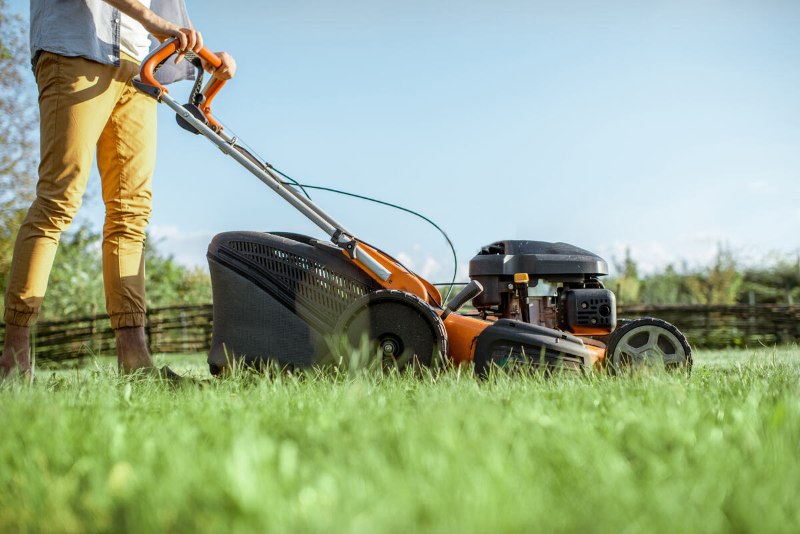
Mowing in the summer is about protecting your grass instead of keeping it ultra-short. As temperatures rise and rainfall drops off, cutting too much at once can quickly stress cool-season grass.
Keep these tips in mind:
- Follow the one-third rule, and never remove more than one-third of the grass blade at a time.
- Mow taller, so the grass blades can shade the soil, helping reduce evaporation and keeping the root zone cooler.
- Sharpen mower blades regularly to ensure a clean cut.
See Related: How to Mow Your Lawn: A No-Nonsense Guide
3. Make Use of Grass Clippings
Instead of bagging grass clippings, consider leaving them on the lawn. If you’re mowing regularly and following the one-third rule, clippings will break down quickly and won’t contribute to the thatch layer on your lawn. Here’s how they can help:
- Return nutrients to the soil
- Retain moisture, acting like a mulch layer
- Reduce the need for additional fertilizer
You can also compost grass clippings to enrich your garden beds.
The exception? If you’ve recently applied pesticides or herbicides, it’s better to collect the clippings to avoid spreading chemicals.
4. Fertilize Lightly
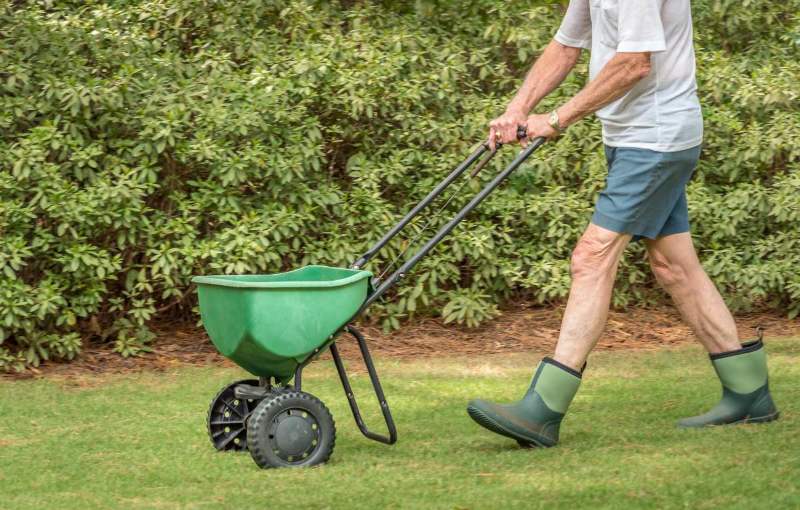
Summer isn’t peak fertilizing season for cool-season grasses in PDX. Perennial ryegrass, fine fescue, and Kentucky bluegrass grow most actively in spring and fall, which is when they respond best to fertilizer.
However, if you maintain a medium- to high-input lawn and want to keep it greener through Portland’s dry summer, a light feeding in June can help. The key is moderation and timing.
If you choose to fertilize:
- Apply 1 pound of nitrogen per 1,000 square feet.
- Use a slow-release nitrogen product to avoid pushing excessive growth.
- Avoid fertilizing during heat waves or drought stress.
See Related: When to Fertilize Your Lawn
5. Stay Ahead of Weeds
By summer, the window for pre-emergent weed control has passed. If weeds pop up, your best approach is targeted control, not blanket treatments.
For broadleaf weeds like dandelion and clover, you can either:
- Hand-pull them, making sure to remove the entire root
- Spot-treat with a post-emergent herbicide (avoid spraying during heat waves or when your lawn is drought-stressed)
The most effective long-term weed control, though, is prevention through density. A thick and healthy lawn naturally crowds out weeds by blocking sunlight from reaching their seeds. Choosing the best grasses for Portland and maintaining them properly makes that dense turf much easier to achieve.
See Related: Common Weeds in Oregon: How to Identify and Control Them
6. Consider Letting Your Lawn Go Dormant
In Portland, cool-season grasses naturally slow down during the dry summer months. If you choose not to irrigate regularly, your lawn will enter summer dormancy, turning a straw-brown color.
For low-maintenance Portland yards, this can be a practical option. Dormant grass isn’t dead, so if you don’t mind the temporary brown appearance and want to conserve water, allowing your lawn to go dormant is perfectly acceptable in the Pacific Northwest.
Keep in mind, though, that dormant lawns:
- Don’t tolerate heavy foot traffic well
- Are more vulnerable to weed invasion
- May take a little time to green back up in fall
Protect Your Lawn Until the Rain Returns
Summer lawn care in Portland is all about adapting to the dry season. Mow a little taller, water deeply, and leave your clippings behind.
But if you’d rather spend your summer days exploring Forest Park, visit our Portland lawn care page to get in touch with a professional. In addition to Portland, we provide lawn care services in nearby cities like Beaverton and Hillsboro.
Read More:
– Spring Lawn Care Tips for Portland, OR
– Fall Lawn Care Tips for Portland, OR
Main Image: Portland summer lawn care tips graphic. Image Credit: Sergey Novikov / Adobe Stock