| Key Takeaways |
|---|
| • Mow grass around 1/2 inch taller in summer to shade soil and reduce water loss. • Lawns need 1 to 1.5 inches of water per week, split into 2-3 morning sessions. • The right window to book overseeding and aeration is in early summer (May-June) for Southern lawns or late summer (August-September) for Northern lawns. |
Heat, drought, weeds, and grubs all peak in summer — and the lawn care decisions you make early in the season set the tone for how your yard looks at the end of it.
Most of what your lawn needs this summer — regular mowing, weeding, and trimming — can be handled by a vetted local pro. LawnStarter matches you with a pro, sends a confirmation after the service is completed, and charges your card 3 days after the work is done and reviewed.
This guide covers what summer does to your lawn, what LawnStarter takes off your plate, and what to handle on your end to get the best results.
Hire a LawnStarter pro to take care of mowing, fertilization, and other chores to free up your summer schedule. Book summer lawn care near you today to get started.
What Summer Does to Your Lawn
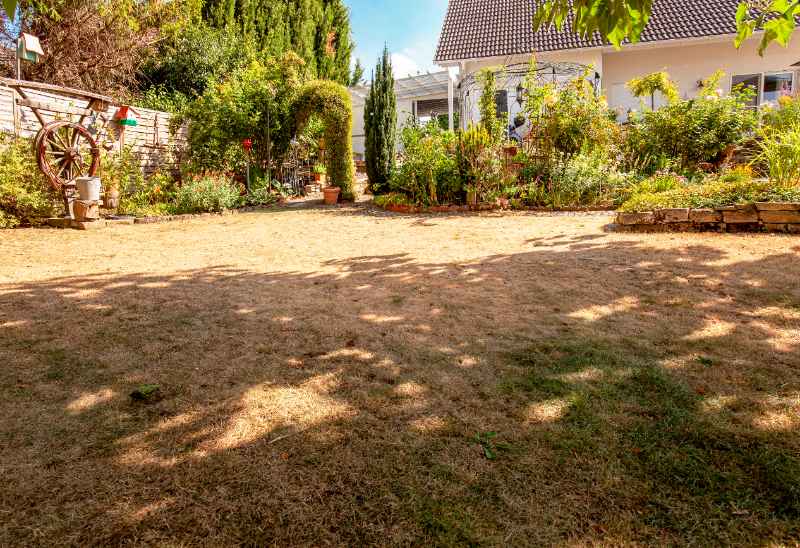
Summer is peak stress season for most grass types. Here’s what you’re up against:
Heat Stress
Cool-season grasses (Kentucky bluegrass, fescue, perennial ryegrass) start struggling when temperatures stay above 85 degrees. They may go dormant, turn brown, and slow their growth.
Warm-season grasses (Bermuda, Zoysia, St. Augustine) handle heat better but still need consistent moisture to stay green.
Drought
Most lawns need 1-1.5 inches of water per week to maintain color and active growth during July and August. Without it, grass goes dormant.
Crabgrass and Summer Weeds
Crabgrass germinates when temperatures reach 50-55 degrees in spring and spreads fast.
“You can’t wait until late spring to minimize weeds that would come up in summer,” says Chuck Vogt, owner of Metro Lawns in Atlanta, Georgia.
Summer applications often have limited effect on established weeds. Prevent weeds with a pre-emergent in spring and fall or with a post-emergent while the weeds are still small.
See Related: How to Get Rid of Crabgrass in Your Yard
Grubs
Japanese beetles and other grub species hatch and begin feeding on grass roots in early summer. Left untreated, a grub infestation can kill large sections of lawn by fall.
Signs of grubs:
- Spongy turf
- Brown patches that lift cleanly off the soil
- Animals digging in your yard
Knowing what’s happening underground and at the surface helps you know what your pro can address — and what to watch for between visits.
See Related: How to Get Rid of Japanese Beetles
What LawnStarter Handles for You
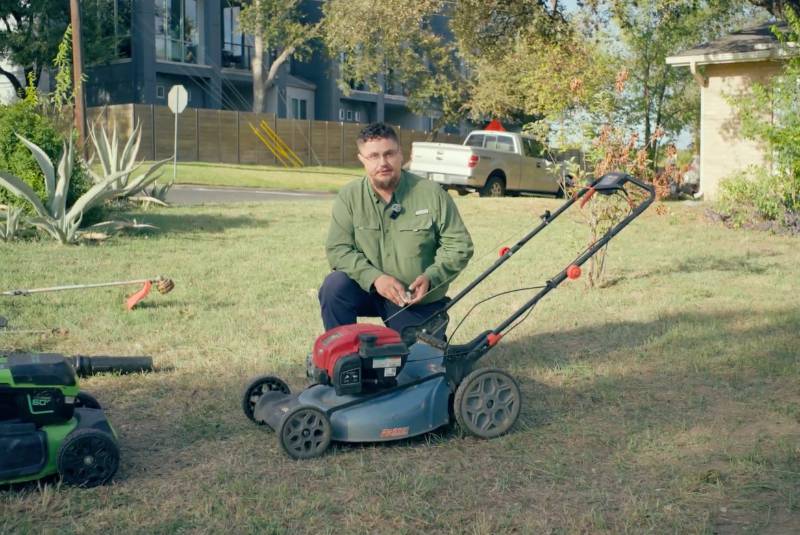
Here’s what’s covered when you have an active LawnStarter account:
Mowing and Edging at the Right Height
Your pro mows at the appropriate height for your grass type — following the one-third rule by never trimming more than a third of the blade in a single pass.
“In summer, make sure…your lawn guy’s blades are sharp,” says Scott Culala, owner of The Lawn Cypress in Gardner, Kansas. “If the blades are too dull, it won’t just tear a blade of grass, it’ll burn it, and friction is the No. 1 cause to make fungus and everything else spread.”
That means 1.5 – 4.5 inches for most grasses: Taller grass shades the soil, slows evaporation, and protects roots from heat stress. Weekly or biweekly service depends on your lawn’s growth rate and your budget — you set the cadence when you book.
During a drought, mow your lawn 1/2 inch higher than normal to help your grass survive the heat. Here’s the best height to cut your grass:
| Grass Type | Recommended Summer Mowing Height (Inches) |
| Warm-Season Grasses | |
| Bermudagrass | 1.5 – 2.5 |
| Centipedegrass | 1.5 – 2.5 |
| St. Augustinegrass | 3.5 – 4.5 |
| Zoysiagrass | 1.5 – 3 |
| Cool-Season Grasses | |
| Kentucky Bluegrass | 2.5 – 4.5 |
| Perennial Ryegrass | 2 – 4 |
| Tall Fescue | 2.5 – 4.5 |
On average, expect each mowing session to cost $42-$68, although prices vary depending on yard size, grass height, location, and other factors.
Edging and cleanup at every visit: Every mow includes crisp edging along driveways and walkways and blowing clippings off hard surfaces. No add-on fee.
Fertilization and Weed Control
LawnStarter’s fertilization and weed control program puts licensed applicators on a seasonal schedule — feeding your grass at the right time and treating broadleaf weeds before they establish. This runs through your account separately from mowing visits. You can add it when you book or from the app after your first service.
Bush and Hedge Trimming
Summer is peak growing season for shrubs. If your hedges are outpacing the rest of the yard, bush trimming is available as a one-time or recurring service — no mowing subscription required.
Summer Aeration (Book Ahead)
If your lawn needs aeration and/or overseeding, LawnStarter can schedule that too. Aeration loosens compacted soil, reduces thatch buildup, and lets water and nutrients reach roots before the fall growing season. Overseeding thickens your lawn.
Here are the best times to aerate and overseed depending on your grass type:
- Cool-season grass: Late August or early September
- Warm-season grass: May or June
“A lot of properties have compacted soil, so I recommend aerating at least once a year,” says Chelsea Morris, owner of High-Class Grass in Virginia Beach, Virginia.
Slots fill up in late summer, so book aeration service or aeration and overseeding in advance.
See Related: How Much Does Lawn Aeration Cost?
What to Do on Your End

A few things fall outside what your pro handles:
Watering
Water early morning (before 9 a.m.) to reduce evaporation and give grass time to dry before evening. Evening watering leaves moisture on blades overnight, which encourages disease.
“It’s better to water less frequently, but deeper, rather than more frequently and shallower,” Vogt says. “We need to water deeply for the root system, because if you water or irrigate infrequently, it will just be too shallow and won’t have the desired effect.”
If you let your lawn go dormant during peak heat, water lightly (about 0.5 inch every 2-3 weeks) to keep the crown alive until conditions improve.
Here are the best watering practices:
| How Much to Water | 1 – 1.5 inches a week |
| How Often to Water | 2 – 3 sessions a week |
| Best Time to Water Your Grass | Between 5 a.m. and 9 a.m. |
Grub Monitoring
In early summer, peel back a small section of turf that looks soft or off-color. See grubs? More than 10 grubs per square foot usually warrants treatment.
Your local garden center carries grub control products for small infestations. For larger problems, lawn treatment services are available through LawnStarter.
Pre-Visit Prep
To keep your pro on schedule and make sure nothing gets skipped, clear your yard before each mow:
- Move hoses, toys, and furniture
- Unlock gates so your pro can access the backyard
- Keep pets indoors during the service window
- Remove pet waste beforehand
Summer Timing: A Simple Schedule
| Timing | What Your Pro Does | What You Handle |
| Early summer (June) | Starts or continues mowing schedule; fertilization program begins if enrolled | Check for grubs; establish a morning watering routine |
| Mid-summer (July-Aug) | Weekly or biweekly mowing continues; edging and cleanup every visit | Water 1-1.5 inches per week; avoid afternoon watering |
| Late summer (Aug-Sept) | Add aeration and overseeding (cool-season) if needed | Reduce foot traffic on newly seeded areas |
Frequently Asked Questions
Yes — through a separate program from mowing. Fertilization and weed control are handled by licensed applicators on a seasonal schedule and can be added to your account from the app.
Yes, mowing requires only 3 completed visits before you can cancel. Other services (leaf removal, bush trimming, fertilization, and others) can be booked as one-time services with no commitment.
See LawnStarter’s full list of services in this article: What Lawn Care Services Does LawnStarter Offer?
Dormancy is normal for grass during extreme summer heat. Your lawn isn’t dead; it’s conserving energy. Slow or pause mowing during dormancy. Light watering (0.5 inch every 2-3 weeks) keeps crowns and rhizomes alive until fall recovery.
Hire a Local Lawn Care Pro
Getting your lawn through the summer takes year-round attention and care. LawnStarter’s mowing services take the burden off your shoulders from the first spring mow to the final fall leaf cleanup.
Get an instant quote, schedule your first visit, and let a vetted local pro take it from there.
Get a free estimate near you →
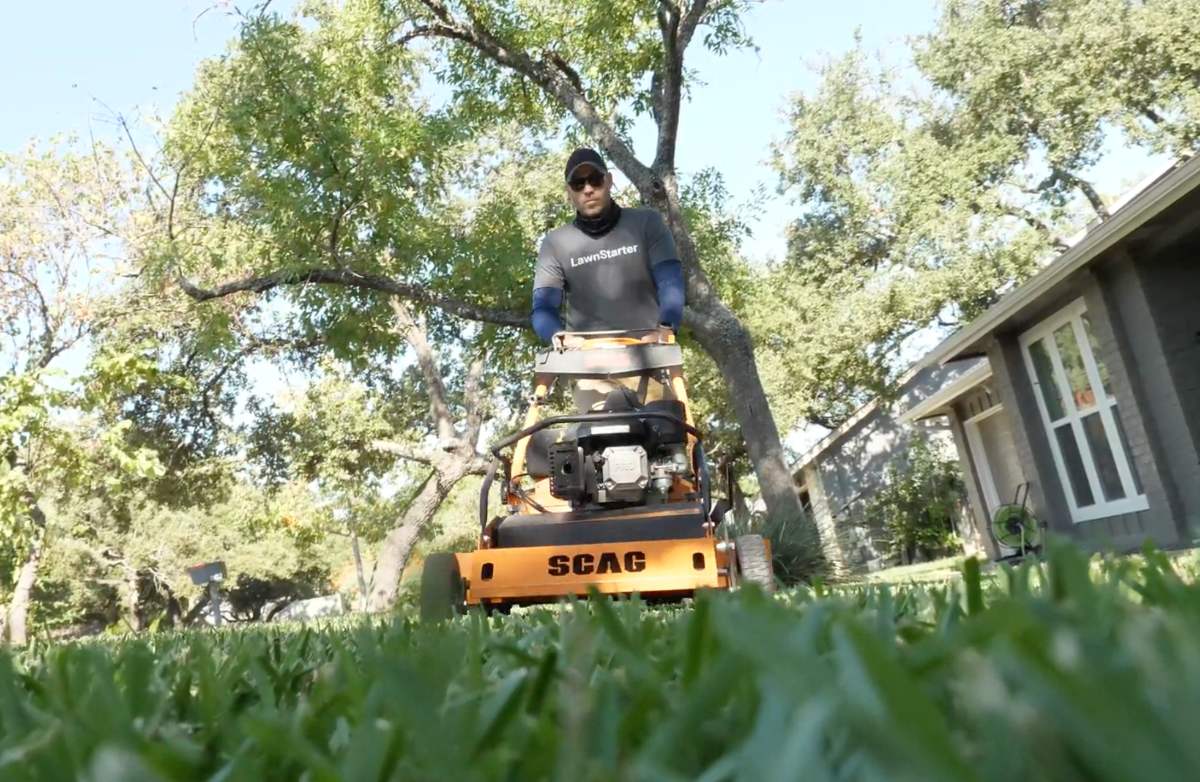
Main Image: LawnStarter pro Justin Stultz mowing a lawn near Hutto, Texas. Image Credit: Photo from videos shot by Dustin Smith
Related Posts: