
Fans of Ted Lasso know that “Football is life,” but good football starts with good grass.
AFC Richmond’s pristine pitch was so carefully protected that the film crew had to put together a special camera rig to avoid damaging it. With Ted coaching a second-division women’s team in Season 4, the show may reveal a less picture-perfect side of soccer turf.
Until then, “Be curious, not judgmental.” In this article, we’re looking at how the original pitch was filmed and protected, why heavy equipment causes soil compaction, and what its groundskeepers can teach you about protecting your own lawn.
- The Pitch for ‘Ted Lasso’
- The Solution: How ‘Ted Lasso’ Filmed Without Damaging the Pitch
- What Is the ‘Ted Lasso’ Soccer Pitch Made Of?
- Will Season 4 Feature a Different Kind of Soccer Pitch?
- Why Heavy Equipment Damages Soccer Grass
- What ‘Ted Lasso’ Groundskeepers Can Teach You About Lawn Care
- Believe in a Better Lawn
The Pitch for ‘Ted Lasso’
Apple TV’s “Ted Lasso” follows an optimistic American football coach, played by Jason Sudeikis, who is hired to manage an English soccer club despite knowing little about the sport. The show may have an American leading man, but its British setting — and its carefully maintained soccer pitches — are essential to AFC Richmond’s world.
For AFC Richmond’s training scenes, the show struck a deal to use the SkyEx Community Stadium on Beaconsfield Road in Hayes, home of Southern League club Hayes & Yeading. It was there, prepping the first on-field shots, that director Zach Braff learned just how seriously the British take the health of a soccer pitch.
A conversation with the show’s cinematographer briefly flummoxed Braff.
“They’re so precious about the pitch and its perfection that we’re not allowed to bring any equipment onto this actual field,” the cinematographer told him, according to an interview with Vanity Fair.
That was a problem. Cameras, monitors, tripods, and lens cases all have some serious heft, and none of it was welcome on the grass.
Actors playing soccer on the pitch, the Beaconsfield Road groundskeepers could live with. Heavy gear digging into it was a different story entirely — and no amount of negotiating was going to change their minds.
The Solution: How ‘Ted Lasso’ Filmed Without Damaging the Pitch
Working with the key grip and cinematographer, the crew built a workaround: a remote camera head mounted on a rickshaw-style rig with giant, lightly inflated rubber tires — the kind normally used to roll gear across sand.
“It was light enough that they allowed us to put it on the pitch because it didn’t have an operator on it,” Braff told Vanity Fair.
The operator worked the camera remotely from the sidelines while the key grip, in cleats, sprinted alongside pushing the rig. It became the standard setup for the rest of the season — proof that even without a coaching badge to his name, Braff could still draw up a decent play.
AFC Richmond’s match scenes in the first 3 seasons were filmed primarily at Selhurst Park, home of Crystal Palace F.C. and known in the show as Nelson Road.
What Is the ‘Ted Lasso’ Soccer Pitch Made Of?
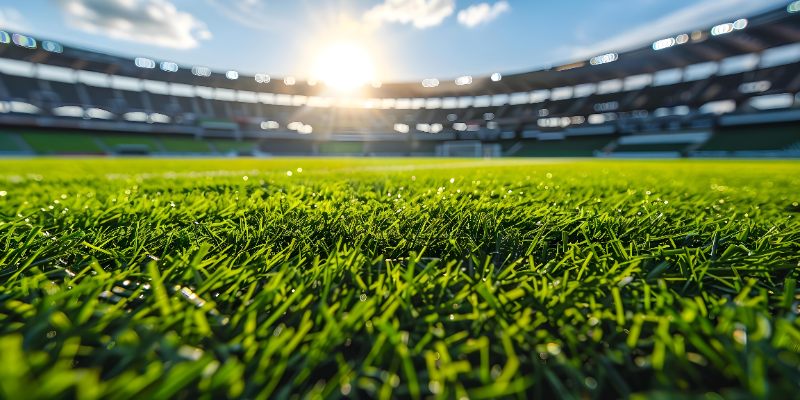
The pitch at Selhurst Park is Desso GrassMaster, a type of hybrid turf that combines natural grass with millions of synthetic fibers inserted vertically into the soil. The grass roots grow around these fibers, creating a more stable surface than natural grass alone.
This hybrid turf is designed to withstand intensive play while providing the appearance and feel of natural grass. It can help:
- Reinforce the root zone
- Reduce divots and surface damage
- Improve stability under players’ cleats
- Maintain a more consistent ball roll
- Extend the pitch’s usable playing time
Even reinforced grass has its limits, however. Heavy filming equipment can compact the soil, leave ruts, and damage the natural portion of the playing surface.
Will Season 4 Feature a Different Kind of Soccer Pitch?

Season 4 sends Ted from AFC Richmond’s men’s side to coach the club’s newly formed women’s team, the Lady Greyhounds, in the second division. Whether the Lady Greyhounds’ home pitch gets the same “Don’t touch the grass” treatment remains to be seen.
It’s a fair question. Pitch care isn’t always applied evenly across the sport in real life. In 2025, the Women’s League Cup final between Chelsea and Manchester City was played on a pitch so worn that players and pundits called it out publicly.
Whether “Ted Lasso” touches on anything like that is something we’ll know only once the season kicks off. For now, back to the pitch we do know something about.
Why Heavy Equipment Damages Soccer Grass
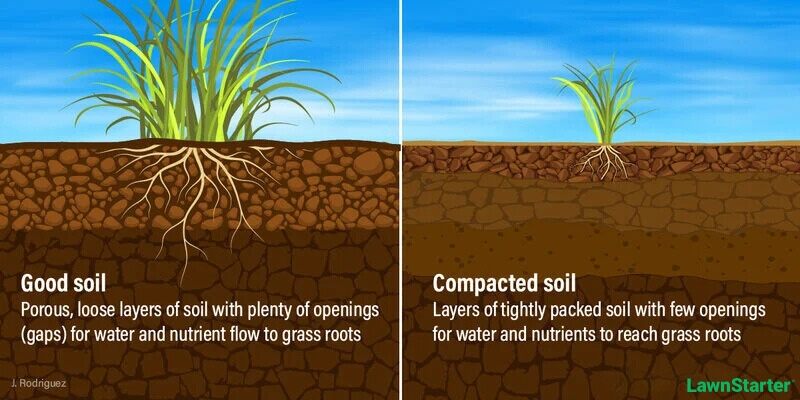
Here’s the science behind all that fuss: Driving heavy equipment across turf compacts the soil underneath. Here’s what happens:
- The soil gets squeezed together: Heavy equipment presses soil particles tight, crowding out the little pockets of air and water grass roots depend on. The same thing happens on home lawns that see a lot of foot traffic from kids or pets.
- Roots start to struggle: With less room for air, water, and nutrients to move through the soil, grass has a harder time growing deep, healthy roots.
- Drainage takes a hit: Water that can’t soak in has nowhere to go but sideways — pooling on the surface or running off. That leaves turf muddy, slippery, and more prone to disease.
- The ground gets bumpy: Wheels leave ruts, and equipment that turns or brakes can tear up grass outright. On a soccer pitch, even minor unevenness can throw off ball roll and put players at risk.
- Recovery slows way down: Athletic fields already take a beating from cleats and concentrated foot traffic. Add equipment damage on top of that, and a field may need core aeration and overseeding before it’s ready for the next match.
These problems aren’t limited to athletic fields. See our guides below for more information:
— What Causes Compacted Soil?
— How to Test for Compacted Soil
— 7 Ways to Improve Drainage in Your Yard
What ‘Ted Lasso’ Groundskeepers Can Teach You About Lawn Care
You don’t need a Premier League budget to protect your grass the way the pros protect theirs. The same principles apply right in your own backyard:
- Rethink where heavy things sit: Parked cars, trampolines, kiddie pools, and stacked firewood compact soil the same way camera equipment would. If something has to stay put for more than a day or two, move it periodically.
- Watch for compaction symptoms: Thinning grass, water pooling instead of draining, and soil that feels hard as a sidewalk are all signs your lawn needs help, not just more mowing.
- Aerate high-traffic zones: Areas that get regular foot traffic, like a path to the mailbox or a spot where the kids play, benefit from annual core aeration to loosen compacted soil and let roots breathe again.
- Give damaged turf a recovery window: Just like a hybrid pitch bounces back fast between games, your lawn recovers faster from stress if you overseed or topdress problem spots instead of just waiting it out.
Your backyard isn’t hosting a title match, but the underlying science is the same science that keeps Beaconsfield Road’s elite pitch looking “pristine and perfect,” as Braff says, year-round.
See Related:
— How to Tell You Have Compacted Soil (11 Signs)
— Benefits of Aerating Your Lawn
— How to Overseed a Lawn in 8 Simple Steps
Believe in a Better Lawn
You might not be able to hire Roy Kent to whip your lawn into shape, but LawnStarter pros are here, there, and pretty much everywhere — just like him. Our local lawn care pros can mow your grass, trim around fences and flower beds, clear debris, aerate compacted soil, and handle other outdoor services.
It’s easy to sign up. Get a quote today for lawn mowing, aeration and overseeding, lawn treatments, and more.
Read More: U.S. Stadiums Switch to Grass for FIFA World Cup 2026
LawnStarter freelance writer John Hickey contributed to this report.
Main Photo Credit: Downloaded from Apple+ Ted Lasso Media Page