| Key Takeaways |
|---|
| • Cut back most ornamental grasses once a year in late winter to early spring, before new shoots grow tall. • Warm-season grasses can also be cut in late fall if you live in a wildfire-prone area or get heavy snow. • Evergreen grasses rarely need a full cut and do best with light grooming in early spring. |

Most ornamental grasses need a yearly cutback in late winter or early spring, just as new shoots start to appear. In snowy or wildfire-prone areas, fall works well for warm-season grasses.
This article covers when to cut back ornamental grasses by type, how to cut them, and when to divide overgrown clumps, with practical tips, expert opinions, and a simple schedule to follow.
Getting the timing right, cutting to the right height, and hauling off armloads of sharp, dry foliage takes real effort. LawnStarter’s landscaping pros can take the job off your hands.
- Ornamental Grass Cutting Schedule at a Glance
- Types of Ornamental Grasses
- How Can You Tell If Your Ornamental Grass Is Warm-Season, Cool-Season, or Evergreen?
- When to Cut Back Warm-Season Ornamental Grasses
- When to Cut Back Cool-Season Ornamental Grasses
- When to Cut Back Evergreen Ornamental Grasses
- How to Cut Back Ornamental Grasses
- When Should You Divide Ornamental Grasses?
- FAQs
Ornamental Grass Cutting Schedule at a Glance
The best time to cut back ornamental grasses is late winter to early spring, just before new green shoots emerge. Late fall also works for warm-season grasses, while evergreen grasses need only light trimming when damaged.
| Type of Ornamental Grass | When to Cut | Cutting Height |
| Warm-season grasses (cut back in late fall if in a wildfire-prone zone) | Late fall to mid-spring (November to April) | Cut to 2 to 4 inches above ground level. |
| Cool-season grasses | Late winter to early spring (February to March) | Remove no more than about 2/3 of the height. |
| Evergreen grasses (only if necessary) | Late winter to early spring (February to March) | Trim lightly and comb out dead foliage; avoid a hard cut. |
What happens if you don’t cut back ornamental grasses? The dead material smothers new growth, gives the bundle an unsightly look, and exposes the plant to mold, mildew, and pests.
Pro Tip: If your grasses are heavy seeders, prune the flower stalks before they set seed to prevent them from spreading.
Types of Ornamental Grasses
Perennial ornamental grasses are deciduous or evergreen. Evergreen grasses stay green year-round and need a cutback only if severely damaged.
The foliage of deciduous grasses dries out in summer or winter when they go dormant, so it needs to be cut back yearly to make room for new shoots. Deciduous grasses are either warm- or cool-season grasses, based on their temperature preference:
Warm-season ornamental grasses: They thrive at 80 to 95 degrees and grow best in the country’s southern half. They start growing in late spring and go dormant in late fall.
Cool-season ornamental grasses: They grow best at temperatures between 60 and 75 degrees and are better adapted to northern climates. They grow the most in spring and fall and go dormant during summer.
When choosing the best types of ornamental grasses for your yard, consider grasses native to your area. They are better adapted to your climate, hardier, and easier to care for.
See Related:
How Can You Tell If Your Ornamental Grass Is Warm-Season, Cool-Season, or Evergreen?
You can tell if your ornamental grass is warm-season, cool-season, or evergreen by its growing pattern:
Warm-season: It turns brown late in the fall.
Cool-season: It grows new shoots in late winter to early spring.
Evergreen: It stays green year-round.
You can also take a picture of the plant and check it online with Google Lens, or use a plant identification app like iNaturalist or PlantNet.
When to Cut Back Warm-Season Ornamental Grasses

Warm-season grasses can be cut back from late fall, when they enter dormancy, to mid-spring, before they grow again.
Popular warm-season ornamental grasses:
Pampas grass (a tall ornamental grass, great for privacy fences)
Purple fountain grass
Switchgrass
Maiden grass
Zebra grass
Northern sea oats
Why Spring Is the Best Time to Cut
Warm-season grasses’ frosted seedheads look stunning in winter landscapes, and the standing stems give beneficial insects and pollinators a place to overwinter (a valuable addition in yards certified as wildlife habitats). Leaving grasses up also helps protect the crown from dry winds and extremely cold temperatures.
A good time to trim is “once we start to see green growth begin to emerge at the base of the plant,” says Christopher Enroth, horticulture educator for the University of Illinois Extension in Macomb, Illinois.
This usually means you should cut back warm-season grasses from March to April, but timing varies with location.
| Signs it is time to cut: Old, dry foliage with green shoots emerging at the base. |
When Fall Cutting Makes Sense
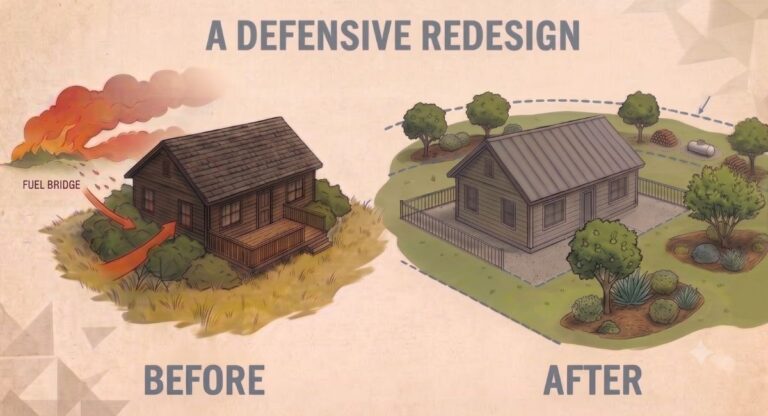
Cutting your warm-season ornamental grasses in the fall, as soon as they dry out, is a must if you live in a state with a high risk of wildfires. Dry grass material can easily spread fire on your property.
It’s also a good idea to trim your ornamental grasses in the fall if:
Heavy snow flattens the grasses during winter.
Plants have a foliar disease.
You enjoy a tidy winter landscape.
Cut back your warm-season grasses after they enter dormancy, usually in October or November.
| Signs it is time to cut: Grass stems and blades turn fully brown and dry, and outer stems collapse outward. |
See Related:
When to Cut Back Cool-Season Ornamental Grasses

Cut cool-season ornamental grasses in late winter to early spring, from February to March.
Popular cool-season ornamental grasses:
Blue sheep’s fescue
Eastern bottlebrush grass
Feather reed grass
Mexican feather grass
Why Cut Back in Late Winter to Early Spring
In late winter to early spring, cool-season grasses develop new shoots among the old foliage. Cutting back the dry leaves exposes the crown and shoots to more sunlight and speeds up growth.
Wait until the plant shows signs of exiting dormancy. Cutting too early risks exposing young, vulnerable shoots to late frosts.
| Signs it is time to cut: Fresh green growth at the center of the clump. |
When to Cut Back Evergreen Ornamental Grasses

Lightly prune or cut back evergreen ornamental grasses in late winter to early spring (February to March).
Popular evergreen ornamental grasses:
Mondo grass
Blue oat grass
Mountain sedge
San Diego sedge
Tufted hair grass
Why Cut in Late Winter to Early Spring
Cutting back (or lightly trimming) early in the season allows evergreen grasses to recover in the mild spring weather, with plenty of time to strengthen for summer stress.
Evergreen ornamental grasses don’t need to be cut back yearly. Instead, they benefit from light grooming to remove old flower stalks and comb out dry foliage. Only cut back bundles with extensive damage, and keep the trim light, since many evergreen grasses and sedges recover slowly from a hard cut.
| Signs it is time to cut back: Clumps with extensive browning. |
Pro Tip: Many grasses, sedges, and rushes are evergreen in mild climates but deciduous in cold areas (for example, pampas grass).
How to Cut Back Ornamental Grasses
To cut back ornamental grasses, tie the clump into a bundle, cut it a few inches above the ground with sharp tools, and clear the old foliage away from the crown.
Follow these steps:
Tie the clump: Wrap twine, rope, or a bungee cord around the middle of the clump.
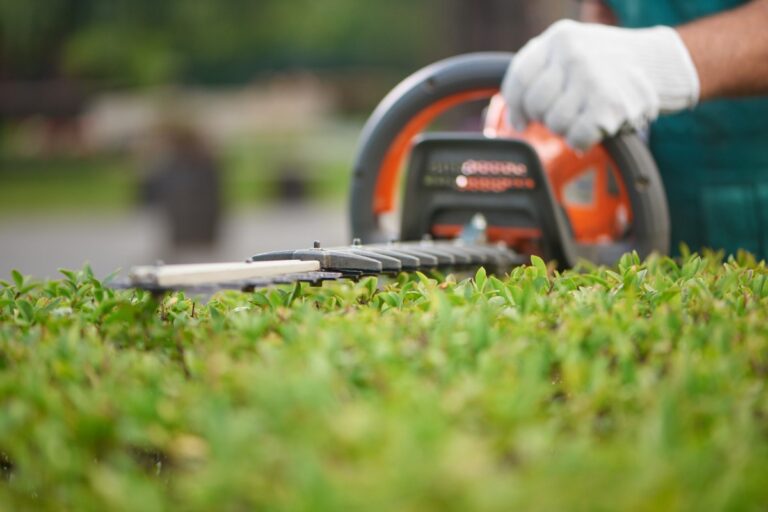
Pick the right tool: Hand pruners or hedge shears work for small clumps. Electric hedge trimmers make faster work of large, dense grasses.
Cut low, but not to the ground: Cut warm-season clumps to within 2 to 4 inches of the ground. For cool-season grasses, remove no more than about 2/3 of the height.
Clear the crown: Rake loose, dead blades out of the base so sunlight reaches the new shoots.
Protect your hands: Wear gloves and long sleeves, since many grass blades have sharp edges.
For evergreen grasses, skip the full cut. Trim only the damaged leaves and comb out dry foliage with gloved hands.
Read more in-depth information in our guide: How to Cut Back Ornamental Grasses
When Should You Divide Ornamental Grasses?
The best time to divide your ornamental grasses is when they are actively growing but before flowering. By type of ornamental grass, this means:
Warm-season grasses: Spring through mid-summer.
Cool-season grasses: Late winter to early spring and late summer to mid-fall.
Evergreen grasses: Spring.
How do you know your grass needs division and not just cutting back? The center of the clump dies back, the grass gets thinner, and the color is less vibrant. Plan on dividing most clumping grasses every 3 to 4 years.
See Related: How to Divide Ornamental Grasses
FAQs
In northern areas, you might need to cut your ornamental grasses a few weeks later in spring, since the weather warms up more slowly. Homeowners in the South may need to cut back earlier, since soil and air temperatures rise faster.
It’s too late once new shoots are tall enough that you’ll clip them at the right cutting height. Cutting then is still OK, and warm-season clumps “will regrow and look fine by the end of summer,” Enroth says.
Morning is a good time of day to cut back ornamental grasses. The air is cooler, so the work is more comfortable for you. Any clipped new growth also has the whole day to dry before evening. Whatever time you pick, wear gloves and long sleeves to protect your hands from sharp grass blades.
Make a Pro Decision on Trimming Ornamental Grasses
Why stress about timing and sharp grass blades? LawnStarter’s landscaping service connects you with a local lawn care provider who can cut back your ornamental grasses at the right time, so you can enjoy a beautiful outdoor space with zero elbow grease.
Sources:
- Christopher Enroth, horticulture educator at the University of Illinois Extension, Macomb, Illinois. Personal interview.
Main Image: Cutting back dried ornamental grasses in the garden with pruning shears. Photo Credit: bubutu / Shutterstock
Related Posts: