| Key Takeaways |
|---|
| • Take care of fallen leaves: Leaves can suffocate grass and encourage diseases. Remove them, mulch them, or hire a Knoxville pro to handle them. • Cool-season grasses grow more: Grasses like fescues will require mowing every 4 to 7 days, fertilization in September and October, and optional overseeding. • Warm-season grasses require less care: These grass types grow slowly in fall, so mow them every 7 to 14 days and skip fertilization. |
After a long summer in Knoxville, you may be tempted to take a break from lawn care in fall. But don’t put away your mower just yet. Your grass still needs attention as it adapts to the cooler temperatures. These fall lawn care tips will keep it healthy and thriving.
1. Remove Fallen Leaves

When leaves fall from trees and pile up on your lawn for too long, they can suffocate your grass. This makes your grass vulnerable to fungal diseases, pests, and weeds. To prevent these problems, remove leaves in a timely manner or mulch them to create a natural lawn fertilizer.
Want to make things simpler? Hire a LawnStarter leaf removal crew to clean up your lawn for you.
See Related:
— What Happens If You Don’t Remove Fallen Leaves?
— Is It Better to Rake or Mulch Leaves?
2. Adjust Mowing Based on Grass Type
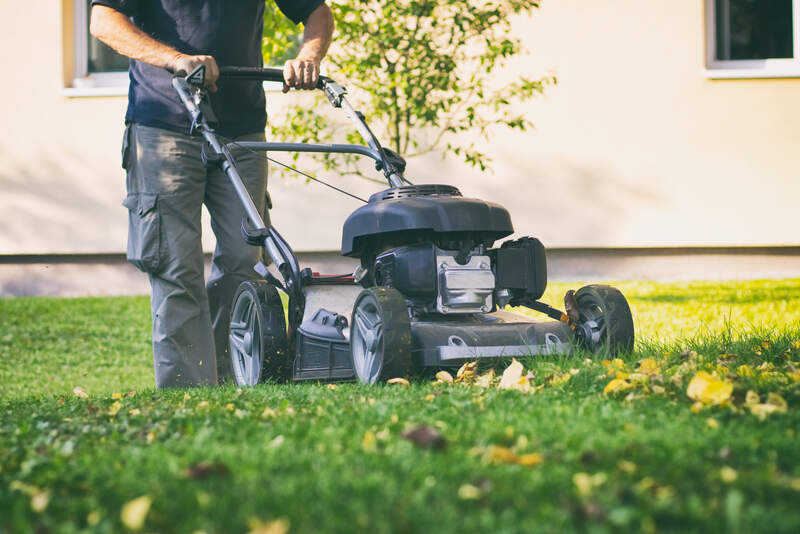
How much your lawn grows in fall depends on the kind of grass you have.
Cool-season grasses like tall fescue or fine fescue reach their maximum growth rate during fall. This means you should mow them every 4 to 7 days.
If your lawn consists of warm-season grasses like bermudagrass or centipedegrass, mow every 7 to 14 days. Warm-season grasses grow slowly in fall and are quick to turn brown in cold weather. Raise your mower’s height slightly to help these grasses insulate from the cold.
As you mow, never cut off more than a third of your grass height at a time, as it can damage your turf. You can either bag the clippings or mulch them to create a natural fertilizer. Stop mowing before the first frost, which usually happens around late October in Knoxville.
See Related:
— Mulching vs. Bagging Grass Clippings
— When to Stop Mowing the Lawn Before Winter
3. Overseed Cool-Season Grasses
After a tough summer, your yard may not be looking its best. You can fill in bare patches or thicken your lawn by overseeding with cool-season grasses.
Besides the aesthetic appeal, overseeding also helps your lawn outcompete weeds. Overseed between late August and mid-September to allow plenty of time for the grass to establish.
See Related:
— Best Time to Aerate and Overseed a Lawn in Tennessee
— When is the Best Time to Plant Grass Seed in Tennessee?
— Best Grass Seed for Tennessee
4. Fertilize if Needed
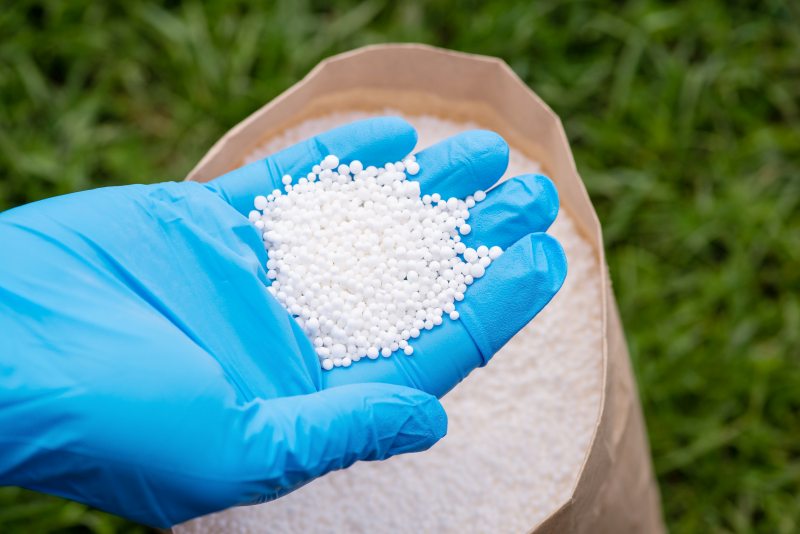
For cool-season grasses in the Knoxville area, fall is one of the most important times to apply fertilizer. Fertilizer helps grass grow more resilient against frost and possible diseases. The best times to fertilize cool-season grasses are September and October.
Don’t fertilize warm-season grasses in fall. Since they’re past their peak growth period, fertilizer could hurt them rather than help. New warm-season grass growth would be especially vulnerable to cold damage.
When you choose your fertilizer, pick one with a 2-1-1 ratio, which primarily uses nitrogen, because excess phosphorus could cause runoff and pollute local waterways.
However, the best way to choose fertilizer is to take a soil test first. Check out the instructions from the Knox County Master Gardeners.
See Related:
— How to Choose the Right Lawn Fertilizer
— How to Choose the Best Fall Lawn Fertilizer
Keep Your Knoxville Lawn Healthy This Fall
With the right care, your lawn can thrive in this transitional time of the year (and beyond). Need help tending to your lawn this fall? Visit LawnStarter’s Knoxville lawn care page to connect with a background-checked, local lawn care provider.
In addition to Knoxville, LawnStarter provides lawn care services to other Tennessee cities, including Nashville, Memphis, and Hendersonville.
Main Image Credit: Brian Stansberry / Wikimedia Commons / CC BY 3.0
Related Posts: