| Key Takeaways |
|---|
| • Fall is prime prep time for Houston's warm-season lawns, setting them up for a healthier spring. • Timing matters: Feed in September and apply a fall pre-emergent before winter weeds sprout. • Adjust your mowing height and watering schedule as Houston temperatures cool. |

As temperatures cool in Houston, your fall lawn care routine starts to slow down. You will need to adjust when you mow, when you fertilize, and how you handle fallen leaves.
You will also watch for pests and diseases, change your watering routine, aerate compacted soil, overseed thin areas, clean up after storms, and prepare your lawn for winter.
Whether you grow St. Augustinegrass, Bermudagrass, Zoysiagrass, or centipedegrass, timing each task right is half the battle. This guide walks you through the 9 essential steps. If you’d rather have someone else tend to your fall lawn care chores, LawnStarter’s Houston lawn care pros are up to the task.
9 Fall Lawn Care Tips for Houston
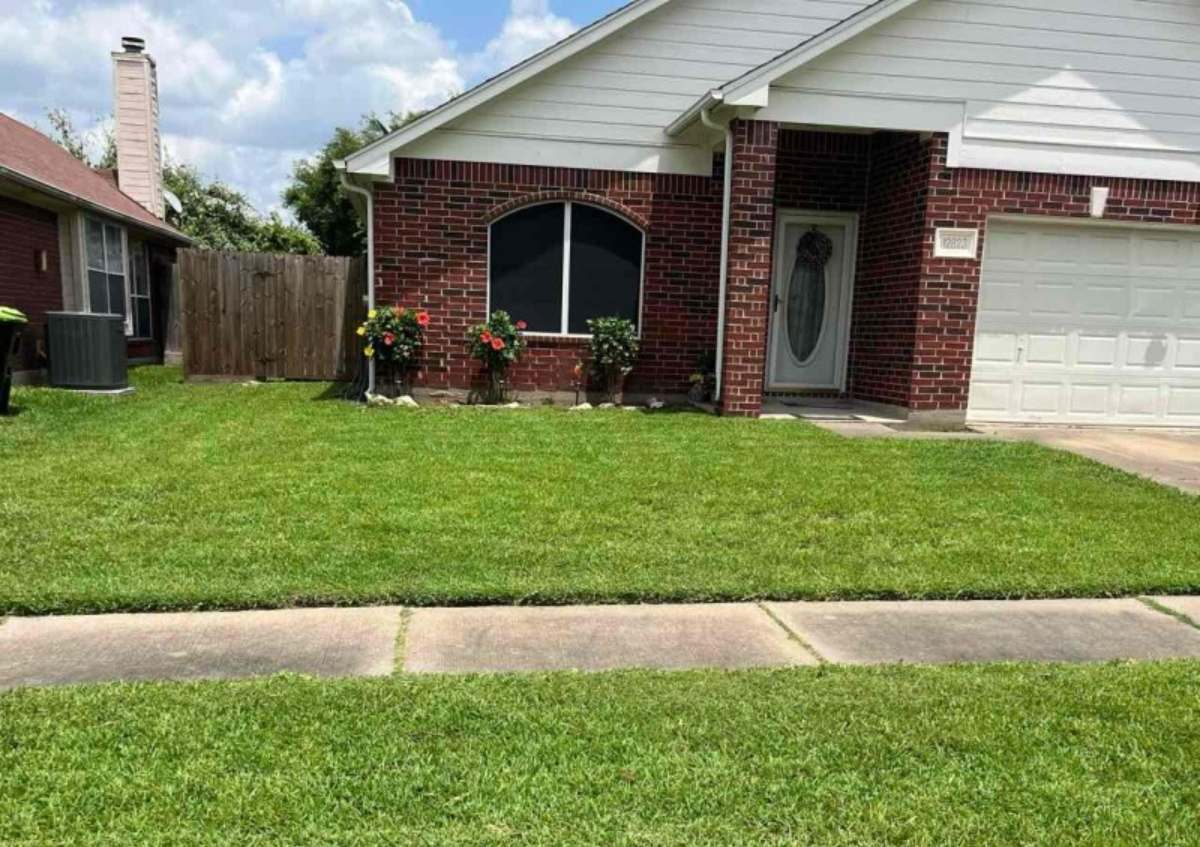
Fall lawn care in Houston means feeding warm-season grass in September, adjusting mowing and watering as it cools, controlling weeds and pests, and prepping for storms. These 9 tasks cover what your lawn needs before winter, so work through them in order.
1. Change Your Mowing Strategy
As the temperature drops, grass grows more slowly, and you should adjust your mowing frequency accordingly.
September: Keep mowing weekly while the grass is still growing fast
October: Reduce mowing to every 2 weeks as it gets cooler
November: Mow monthly or when needed
December to February: Mowing is rarely needed until spring warm-up
In addition, leave your grass slightly longer when you mow in the fall. Taller grass helps your lawn store more energy in its roots for winter and provides better protection against weeds and temperature stress.
Every lawn is different, so let your grass be your guide. Adjust your mower height based on your grass type:
| Grass Type | Fall Height |
| St. Augustinegrass | 3-4 inches |
| Bermudagrass | 1-2 inches |
| Zoysiagrass | 1-2.5 inches |
| Centipedegrass | 1-2 inches |
Note: These are Houston’s most common grass types. If you have specialty grass like seashore paspalum or you overseeded with ryegrass, you will need to adjust accordingly.
Learn when to stop mowing your Houston lawn in our guide: When to Stop Mowing the Lawn Before Winter.
2. Fertilize
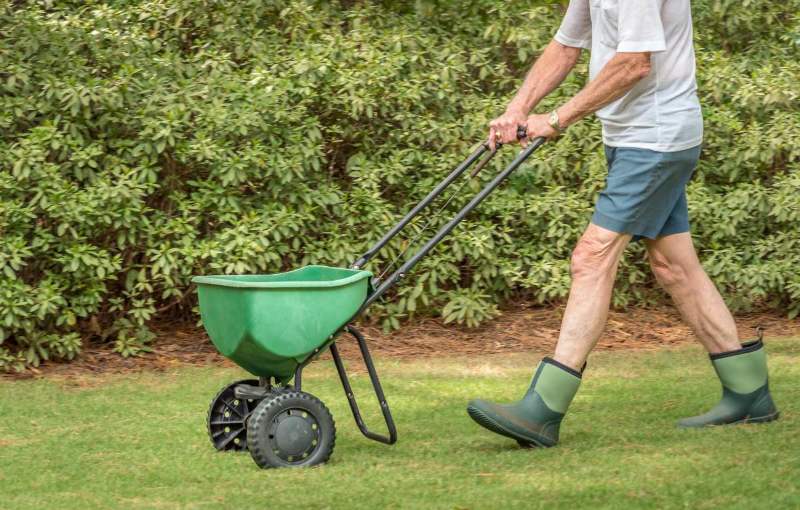
Fertilize all warm-season grasses only in September and never later, since a late nitrogen push weakens winter hardiness.
Use a balanced 3-1-2 ratio like 15-5-10 for St. Augustine and Bermuda or a light 4-1-2 organic blend like 8-2-4 for centipede. Skip 10-10-10 for Zoysia because it isn’t a low-nitrogen product. A true low-nitrogen option would be closer to a 5-1-3 ratio.
Fertilizer schedule for Houston grasses:
| Best Window | Grass Type | Fertilizer Type |
| Early Sept. (only as needed) | Centipedegrass | Organic 8-2-4 |
| Sept. 1-15 | St. Augustinegrass | Slow-release 15-5-10 |
| Sept. 1-15 | Zoysiagrass | Low-nitrogen 10-10-10 |
| Sept. 15-30 | Bermudagrass | Balanced 16-4-8 |
| Oct. 15-30 | Ryegrass (if overseeding) | Starter 18-24-12 |
Note: The above are average recommendations, but to be sure, get your soil tested. The Texas A&M AgriLife Extension Soil, Water and Forage Testing Lab will test your soil for around $12 and can recommend precisely what your lawn needs.
Find out how to use a soil test kit to know exactly what nutrients your lawn needs.
3. Rake and Remove Leaves
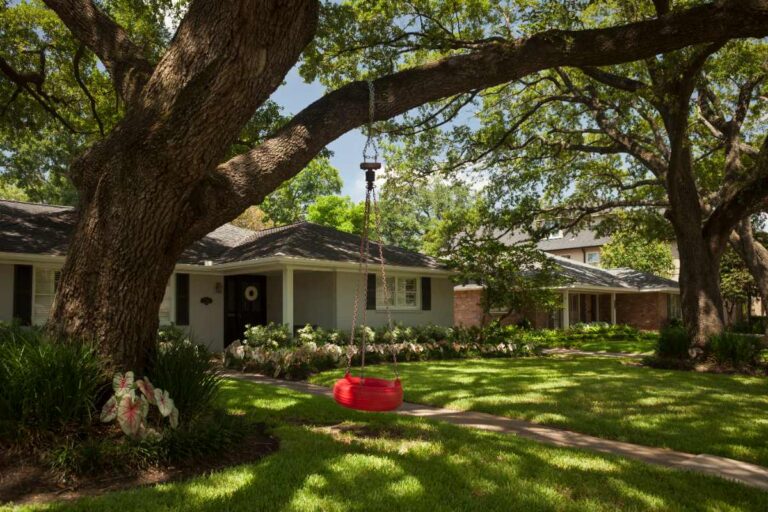
Peak leaf drop occurs between December and January, much later than in cooler Northern cities. Get them up. Leaves block sunlight, trap moisture, and create the perfect environment for fungal diseases. Your grass can suffocate in as little as a week under heavy leaf cover.
Houston residents have a few options for getting rid of yard waste:
Curbside pickup: Check your collection schedule at Houston Solid Waste to learn how and when to put out your leaves.
Drop-off sites: There are 6 Neighborhood Depository and Recycle Centers where you can drop off your bagged leaves and yard waste.
Composting: If you prefer not to bag leaves, Jeff Templeton, a LawnStarter pro with Green Hands Landscaping in Houston, Texas, offers an alternative: “Bagging leaves is a mistake. Mulch [them] into the soil.” If you are interested in learning more, check out our guide: How to Improve Your Lawn With Mulch.
Beyond raking leaves and maintaining your grass, remove dead plants and fallen branches. This not only improves your curb appeal but also prevents pests from finding a winter home.
Find out What Happens If You Don’t Remove Fallen Leaves to protect your lawn.
4. Purge Pests and Diseases
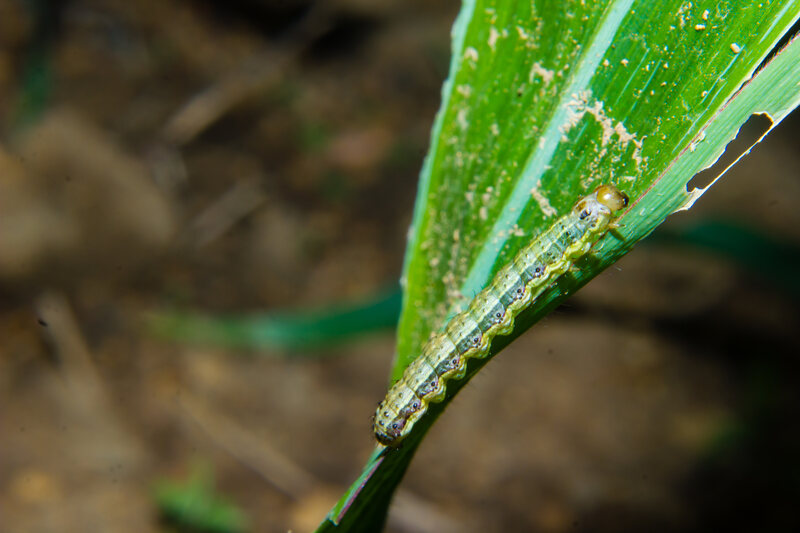
Armyworms (September to October), brown patch disease, and fire ants remain the top threats to your Houston lawn in the fall. Staying on top of them can make the difference between minor damage and replacing large sections of your lawn.
Chuck Vogt, LawnStarter pro and owner of Metro Lawns in Atlanta, Georgia, says, “Armyworms can do a tremendous amount of damage.”
Fall armyworms: Usually peaking from September to October, these pests can destroy a lawn in 48 hours. Look for brown patches appearing overnight and small green caterpillars in the grass.
For natural control, spray Bacillus thuringiensis (Bt) or neem oil (azadirachtin) as soon as you spot them. Both are highly effective on young larvae and work within 2-3 days.
Keep your grass thick and healthy to help prevent problems. For more ways to deal with these pests, check out our guide on How to Get Rid of Armyworms on the Lawn.
Brown patch disease is a fungus that thrives when nighttime temperatures stay above 68 degrees and daytime highs average 80 degrees or more. Be especially vigilant when your lawn has over 10 hours of leaf wetness and humidity is above 90%. It’s common in St. Augustinegrass in shady, moist areas. For active infections, apply fungicides containing propiconazole or azoxystrobin.
To prevent brown patch, water your lawn early in the morning so grass blades dry during the day, and improve drainage in the problem areas. Also, prune trees or bushes to reduce shade and help the moisture evaporate. For more, see our guide on How to Treat Brown Patch Disease in Your Lawn.
Fire ants: Living in Texas, you know how fast fire ants can spread and how painful these nasty little pests can be. They also kill grass roots and create unsightly mounds that destroy your lawn.
Get rid of fire ants in October while they are actively looking for food. Spread fire ant bait over your whole yard, then treat individual mounds. Products with hydramethylnon or fipronil work best.
5. Whack Weeds Early
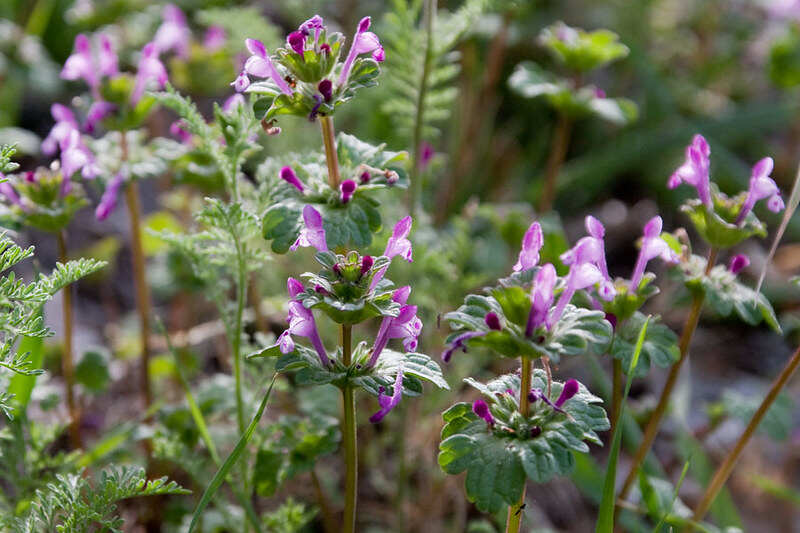
Common Texas winter weeds include henbit (purple flowers), chickweed (small white flowers), annual bluegrass (light green patches), clover, and burweed (stickers).
Apply a pre-emergent weed killer (for example, Pendulum) between September 15 and October 15 to nip winter weeds before they start. Apply again in late December or early January for complete control.
Note: Goatheads (puncturevine) are summer annuals with yellow flowers, plus thorny seeds, and are best treated in spring. Check out our guide for more information on Common Lawn Weeds in Texas: How to Identify and Control Them.
6. Reduce Irrigation
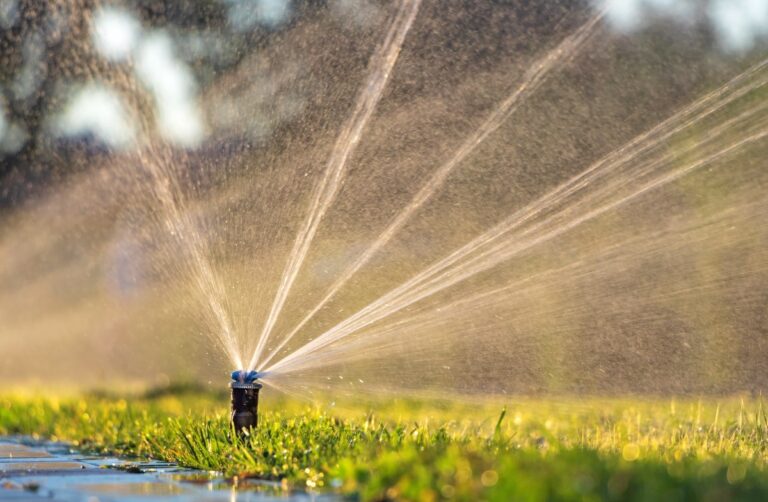
As temperatures cool, Houston lawns need less water. Overwatering can lead to fungal growth and shallow root development, weakening the grass, causing it to struggle and possibly not survive the winter.
Eric DeBoer of Louisiana State University in Baton Rouge explains that when it comes to lawns, “too much water pushes out oxygen (and) weakens the root system.”
Houston averages nearly 52 inches of annual rainfall, so fall showers often supply much of what your lawn needs.
Reduce watering to 1 inch per week in September and October, then to half an inch in November. You can typically forego watering completely in December.
Templeton stresses the importance of morning watering “to beat the heat of evaporation and [allow the] lawn to dry before dark to prevent fungus.”
Make sure to follow Houston’s watering guidelines. Head over to Houston Public Works to check on current Houston water restrictions.
See Related: How to Water Your Houston Lawn the Right Way
7. Aerate and Overseed
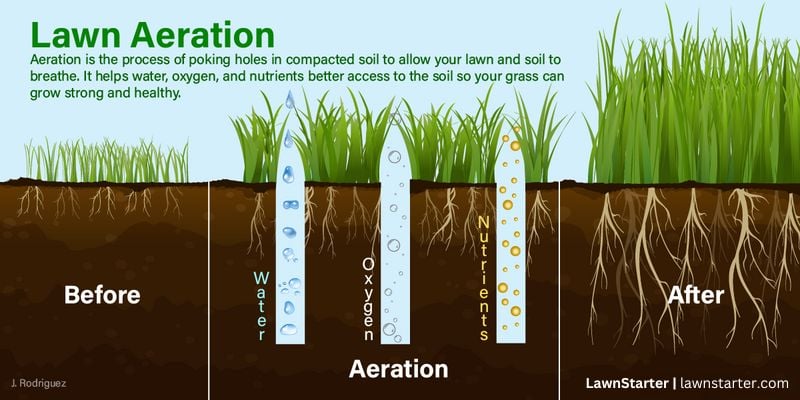
Houston’s heavy clay soil is a slow-draining Gulf Coast Vertisol that compacts easily from foot traffic and heavy rain.
Aeration creates small holes in the soil, allowing water, air, and nutrients to reach the grass roots more effectively. For best results, use a core aerator and leave the soil cores on your lawn.
Aerate between September 15 and October 15 when soil is moist but not saturated. Aeration also creates the perfect seed bed if you plan to overseed with ryegrass.
Overseeding: While not necessary for lawn health, many Houston homeowners love having a green lawn in the cooler months instead of the typical winter brown. Overseeding with ryegrass (perennial or annual) gives lawns year-round color. Overseeding is recommended for Bermuda lawns only.
8. Prep for Storm Season
Hurricane season runs through November 30th, with peak activity in August and September. Because Harris County consistently ranks among the most hurricane-vulnerable counties in the nation, preparing your lawn is essential.
Before storms arrive, take these steps:
Clean your gutters and downspouts to prevent overflow.
Create drainage paths away from your home.
Secure loose outdoor items that could become dangerous projectiles.
Take photos of your landscape for insurance documentation.
Trim weak tree branches that might fall during high winds.
For more in-depth tips, check out our guides:
- How to Prepare for a Hurricane or Tropical Storm
- How to Clean Up Your Yard After a Hurricane: What You Need to Know
9. Protect Your Sprinkler System
While hard freezes are rare, basic protection measures in fall prevent costly repairs during occasional cold snaps.
Here is what you need to do:
Mark sprinkler heads with flags before leaf cleanup to avoid hitting them with rakes or mowers.
Check for leaks and damaged sprinkler heads when doing your fall lawn care.
Adjust watering schedule to match your lawn’s reduced water needs.
Flag your water main shut-off valve for your system in case a freeze is predicted so you can quickly shut it down.
While you do not need to completely drain your system in Houston, insulating exposed pipes or backflow preventers is a smart and inexpensive insurance policy.
Pop over to our guide on How to Winterize Your Sprinkler System to learn how to protect your investment.
Fall Into a Happy Lawn
Houston’s extended growing season gives you more lawn care time than homeowners in cooler regions. Use this advantage to set your grass up for success. Prepare for storms, protect sprinklers, and complete fall cleanup. Your lawn will develop stronger roots, fewer weeds, and a beautiful spring return.
If you prefer to spend your fall watching football or doing anything besides yard work, let LawnStarter connect you with a local Houston lawn care pro to handle the hard work for you.
LawnStarter also connects you with lawn care pros in nearby cities and suburbs like Bellaire, Galena Park, Pasadena, Cloverleaf, Missouri City, and more.
Main Image: Lawn mowed by a LawnStarter Pro in Houston, TX
Related Posts: