| Key Takeaways |
|---|
| • Start fall lawn care in Fort Worth by September with fertilization and continued mowing to prepare warm-season grasses for winter dormancy. • Keep watering your lawn through mid-November, gradually reducing frequency as temperatures drop below 55 degrees. • Apply pre-emergent herbicide in early fall to block winter weeds that compete with your grass in spring. |
Fall lawn care in Fort Worth sets the stage for a healthy, green yard come spring. The mild autumn temperatures give your warm-season grass time to build stronger roots before winter dormancy.
Fort Worth homeowners typically grow Bermudagrass, St. Augustinegrass, or Zoysiagrass. Each of these warm-season varieties needs specific fall attention to survive the cooler months ahead.
Whether you tackle fall lawn care yourself or hire one of LawnStarter’s Fort Worth lawn care pros, these tips will keep your yard in top shape.
Fall Lawn Care Overview for Fort Worth
Fort Worth sits in USDA Zone 8b with heavy, alkaline clay soil, a legacy of the Fort Worth Prairie’s shallow clay soils over limestone. Most lawns here are warm-season grasses (Bermuda, St. Augustine, or Zoysia) that slow down in September and go dormant by late November.
The key variables for your fall lawn care schedule are your grass type and the first frost date. Fort Worth’s first frost typically arrives in mid-November, so time your tasks accordingly.
| Task | When | Why |
| Scout for armyworms | Late summer through first frost | Prevents rapid turf damage |
| Fertilize | Early September to mid-October | Strengthens roots before dormancy |
| Aerate | Early September (if necessary; best done in late spring to early summer) | Relieves clay soil compaction |
| Pre-emergent | Mid to late September | Blocks winter weeds |
| Overseed | Mid-October to early November | Winter color with ryegrass |
| Winterize sprinklers | Late November | Prevents freeze damage |
| Final mow | Late November | Before full dormancy |
According to the Texas A&M AgriLife Extension in Tarrant County, the local soil has a pH ranging from 7.5 to 8.1. That’s highly alkaline and a challenge for lawns. most turfgrasses thrive at a soil pH between 6.0 and 7.0 (outside that range, nutrients lock up and fertilizer stops working).
Fall is a good time to test your soil and see what you’re dealing with. You can send a soil sample for testing through the Tarrant County Extension office.
See Related:
— The 4 Most Common Grass Types in Fort Worth, TX
— How Soil pH Affects Lawn Health
— 5 Signs of Alkaline Soil in Your Lawn (High pH)
How To Mow Your Fort Worth Lawn in Fall
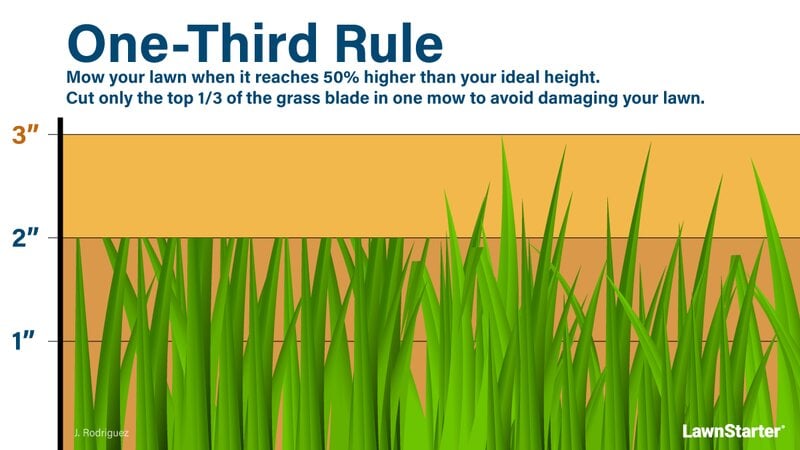
The most important fall mowing rule for Fort Worth lawns is the one-third rule: Never cut more than one-third of the grass blade length at a single mowing. Cutting too short stresses your grass and opens the door to weeds and diseases.
Mowing height: Keep Bermuda at 1.5 to 2 inches, St. Augustine at 3 to 4 inches, and Zoysia at 1 to 2.5 inches through fall.
Frequency: Mow every 7 to 10 days as growth slows. Continue until your warm-season grass goes fully dormant, usually by late November.
Blade maintenance: Sharpen your mower blade before fall mowing season. Dull blades tear grass, leaving ragged edges that invite disease.
This matters more for fall lawn care here, because with Fort Worth’s cooling, damp soil it’s when large patch disease turns active.
Stop mowing when the grass stops growing: In Fort Worth this happens around mid to late November.
Pro Tip: If you see brown patches as you mow, check for armyworms. Common signs of armyworm damage include well-defined patches of brown grass or a “windowpane” look on the blades. If you see these caterpillars eating your lawn, learn how to get rid of armyworms in our article.
See Related:
— What’s the Best Height to Cut Your Grass?
— When to Stop Mowing the Lawn Before Winter
Aerate Your Fort Worth Lawn in Fall (Optional)
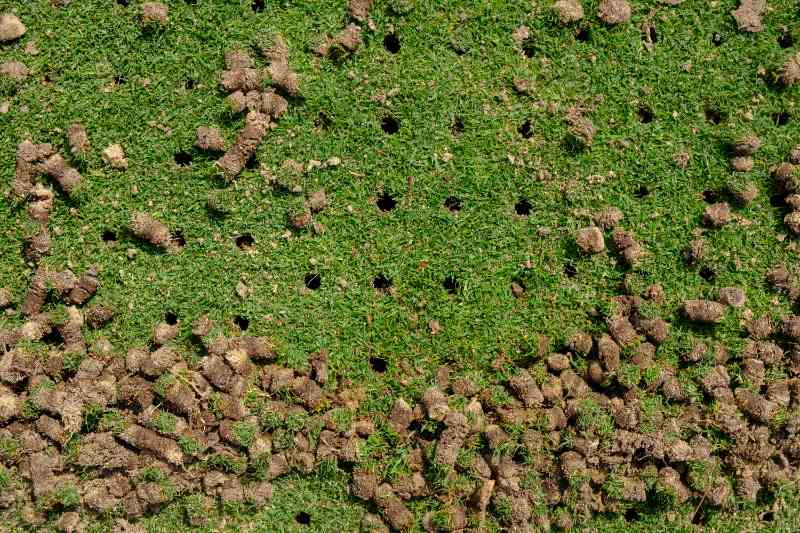
The best time to core aerate warm-season grasses like Bermuda is late spring through early summer, when the grass is growing fast enough to recover and benefit.
Fall is not the ideal window, but if your lawn is heavily compacted (and with clay soil and foot traffic, it might be), early September is an acceptable fallback while the grass is still growing.
Two cautions: Skip it once the grass starts sliding toward dormancy (aerating dormant grass does nothing), and don’t aerate if you’re applying fall pre-emergent. The open soil can give winter weeds a foothold the herbicide is meant to prevent.
Pro Tip: Leave the plugs on the lawn; they break down and return nutrients to the soil.
See Related: When to Aerate Lawns in Texas
When and How To Fertilize Your Fort Worth Lawn in Fall
Warm-season grasses are best fertilized from spring through summer, when they’re actively growing. But, if your Fort Worth lawn had a rough summer and looks tired and wilted, an early fall application can help it recover and prepare for winter.
The best time to fertilize is in early September, but applications can be made until early October. Stop nitrogen applications 4 to 6 weeks before the first frost, which typically arrives around mid-November in Fort Worth. Fertilizing too late in the fall pushes tender new growth that frost can damage.
Test the soil to check how much potassium and phosphorus you need to apply.
Potassium: Helps grass tolerate cold temperatures and resist disease through winter.
Phosphorus: Promotes deep root development during the fall growing period.
See Related:
— When to Fertilize Lawns in Texas
— What Does Potassium Do for Your Lawn?
— Benefits of Applying Fall Fertilizer to Your Lawn
Water Your Fort Worth Lawn Through Fall

Do not stop watering when the weather cools down. Your warm-season grass roots continue developing throughout fall, even as blade growth slows.
Fall watering schedule: Ensure your grass receives about half an inch per week from irrigation or rain. Water when the grass shows signs of drought (fading color, wilting).
When to stop: According to Texas A&M AgriLife Extension, it’s best to stop the automatic irrigation once temperatures drop below 70 degrees and provide water as necessary during dry spells. With grasses slowing down, natural rainfall is often enough.
Cool weather and the poor drainage of local clay soil increases the risk of fungal diseases such as large patch. Overwatering is something you need to avoid during fall.
Once your grass goes dormant (around mid-November in Fort Worth), natural rainfall typically provides enough moisture to sustain the roots through winter.
See Related: How to Water Your Lawn in Fall and Winter
Control Fall Weeds in Your Fort Worth Lawn
Fall weed control in Fort Worth protects your lawn from winter annual weeds that germinate in cool weather and compete with your grass in spring.
Pre-emergent herbicide: Apply in early fall when soil temperatures drop to around 70 degrees. A simple cue if you don’t own a soil thermometer: Texas A&M says that’s typically after 4 to 5 straight nights in the 60 to 65 degree range.
Pre-emergent creates an invisible barrier that blocks henbit, chickweed, and annual bluegrass before they sprout.
Post-emergent treatment: Spot-treat existing broadleaf weeds like dandelions and clover before they set seed.
Pull weeds by hand when possible to avoid herbicide contact with nearby desirable plants.
See Related:
— Common Lawn Weeds in Texas: How to Identify and Control Them
— When to Apply Pre-Emergent Herbicide (Spring and Fall Guide)
Clean Up Fall Leaves and Debris in Fort Worth
Fallen leaves left on your lawn block sunlight and trap moisture, creating conditions for fungal disease. Remove them at least once a week.
Mulch-mowing: Run your mower over a thin layer of leaves to chop them into small pieces. The fragments decompose into the soil, adding nutrients naturally.
Raking: For thick leaf cover, rake them up and add to a compost pile or bag for curbside pickup.
Remove fallen branches, spent plants, and other yard debris before winter to reduce pest habitat.
See Related: 6 Main Benefits of Fall Yard Cleanup
Overseed Your Fort Worth Lawn in Fall (Optional)
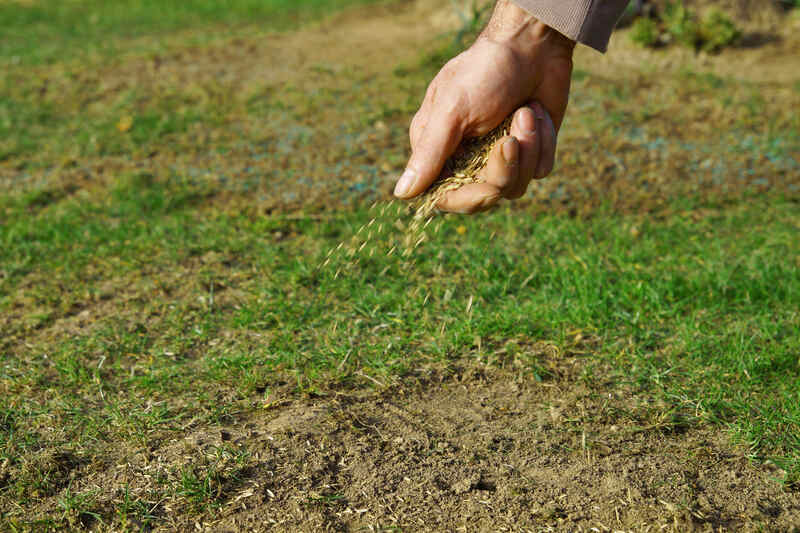
Overseeding with ryegrass gives your Fort Worth lawn winter color while warm-season Bermuda goes dormant. It also protects bare soil from erosion.
Best window: Mid-October through early November, when soil temperatures drop below 70 degrees.
Watering after overseeding: Water lightly and frequently (twice daily for the first 2 weeks) until the new grass establishes.
Reduce your existing mowing height slightly before overseeding. This helps sunlight reach the new seedlings.
Prepare Your Fort Worth Fall Landscaping for Winter
Fall lawn care in Fort Worth extends beyond the grass to your garden beds and landscaping. Clean out spent annuals and trim back perennials as needed.
Fall is an ideal time to add native plants. Cooler temperatures and occasional rainfall help promote root growth before winter arrives.
Plants native to Texas’ local climate, like Texas sage, autumn sage, and Gulf muhly grass add seasonal color while requiring little water or maintenance once established.
See Related: 22 Best Drought-Tolerant Plants for Texas
Winterize Your Sprinkler System
Fort Worth’s occasional hard freezes can crack irrigation lines and damage sprinkler heads. Winterize your system before the first serious freeze that has a real chance of happening by mid to late November.
Drain the lines: Shut off the water supply to your irrigation system and open the drain valves to release standing water.
Insulate exposed components: Wrap above-ground pipes and backflow preventers with foam insulation covers.
A professional blowout with compressed air clears water from underground lines that manual draining may miss.
See Related: How to Winterize Your Sprinkler System
Get Help With Your Fort Worth Fall Lawn Care
Ready to get your Fort Worth yard in shape for fall? Let LawnStarter’s local lawn care professionals handle the hard work so you can enjoy the season.
LawnStarter also connects you with lawn care pros in nearby cities and suburbs like Haltom City, Saginaw, North Richland Hills, Benbrook, and more.
Read More:
— Lawn Care Schedule: Month-by-Month Guide
— How to Winterize Your Lawn
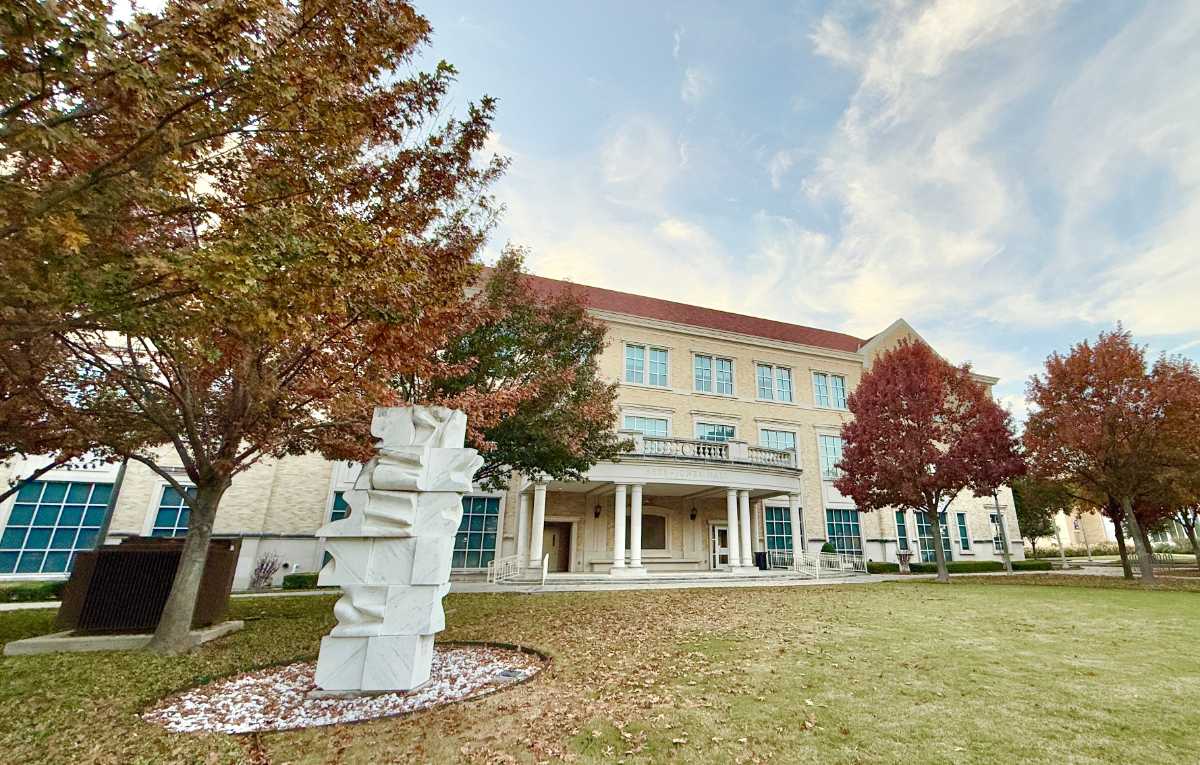
Main Image: Fort Worth fall lawn with autumn trees. Image Credit: harshavardhan / Adobe Stock
Related Posts: