

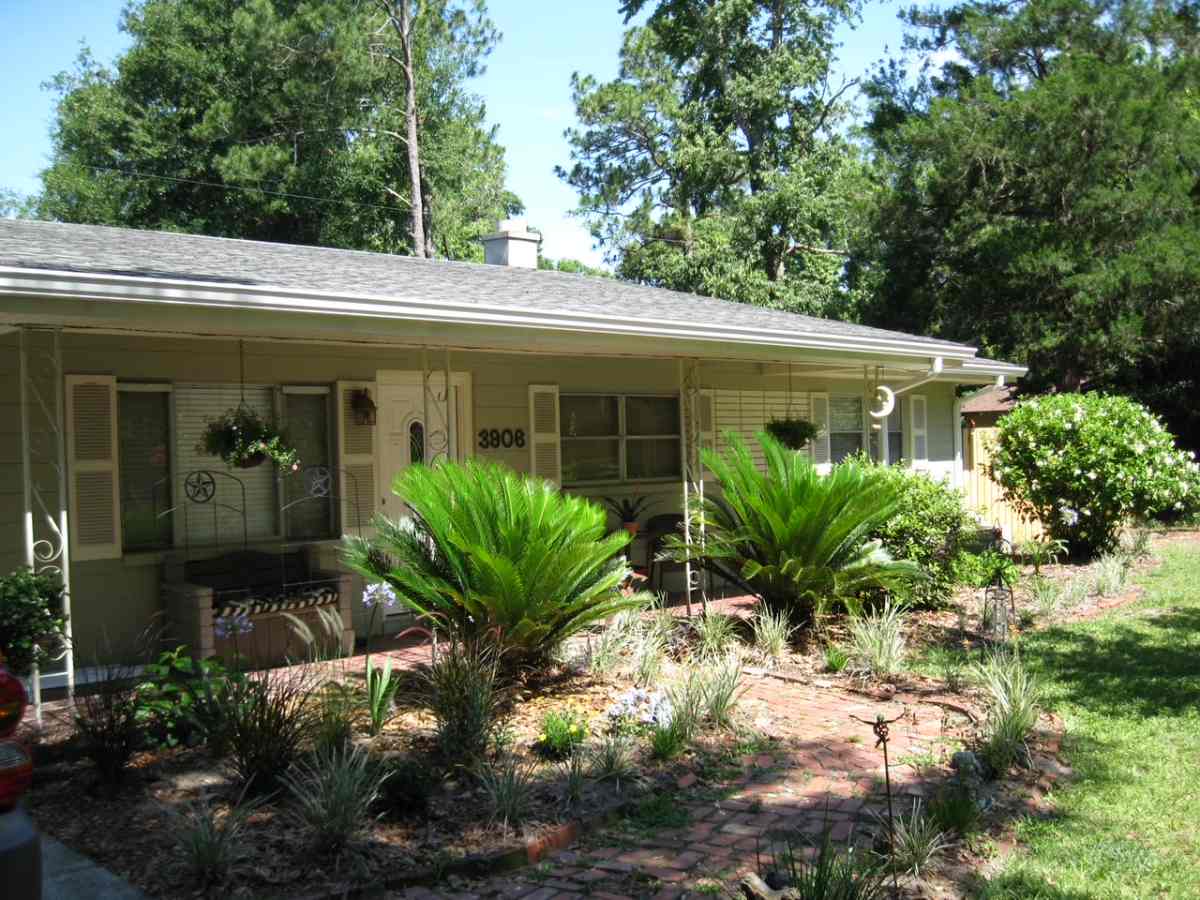
Gainesville is all Gators blue and orange — except for our lawns, which are different shades of green and tan in winter. The most common grass types found in Gainesville are St. Augustinegrass, bermudagrass, Zoysiagrass, bahiagrass, and centipedegrass.
How do you care for your Gainesville lawn? That depends on the grass type. Each has different aesthetics and maintenance needs and responds differently to conditions like shade, moisture, and foot traffic, but they all thrive in our hot, humid climate.
1. St. Augustinegrass: Best for Shade and Weed-Resistance
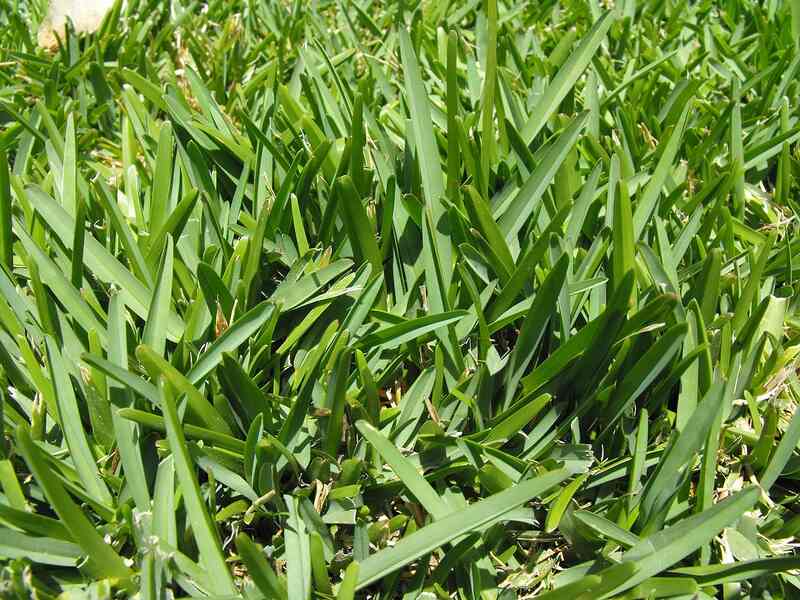
St. Augustinegrass is a common Florida grass that tolerates more shade than other warm-season grasses. It also resists weeds. St. Augustinegrass’s CitraBlue cultivar is especially good at resisting these unwanted intruders.
However, St. Augustinegrass is a bit more fragile than some other types and requires a fair amount of care, like supplemental irrigation during the summer. It doesn’t tolerate traffic very well, and some of its cultivars are susceptible to diseases.
| Drought tolerance | Moderate; may need supplemental irrigation. CitraBlue is more drought-tolerant than other cultivars. |
| Common mowing height | 2 to 4 inches |
| Shade tolerance | Better than other warm-season grasses. Cultivars like Bitterblue, Seville, and others at particularly shade-tolerant. |
| Traffic tolerance | Low |
| Disease resistance | Some cultivars are susceptible to diseases. |
| Weed resistance | Relatively high; CitraBlue is less susceptible than other cultivars. |
| Maintenance | Moderate; low when it comes to mowing |
See Related:
— How to Care for St. Augustinegrass
— 7 Best Fertilizers for St. Augustinegrass
— How Much Water Does St. Augustinegrass Need?
2. Bermudagrass: Best for Sun, Drought, and Foot Traffic
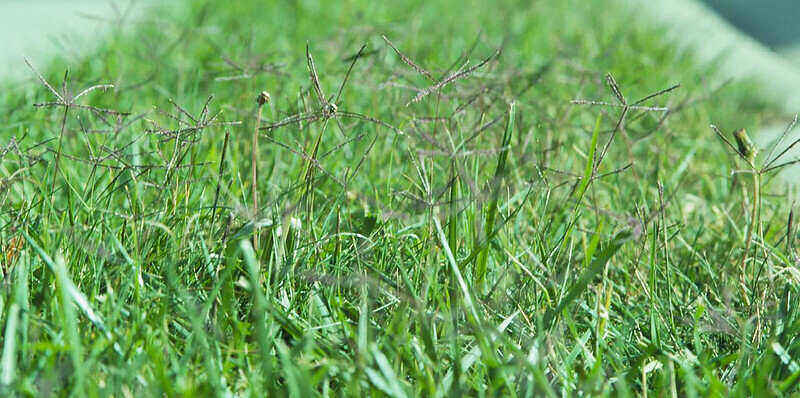
Bermudagrass is the sun-lover among grasses. It thrives in the heat of Gainesville’s summers and is ideal for backyard barbecues and other gatherings because it can handle being trampled. The grass tends not to struggle with weeds, but it doesn’t resist some diseases.
This grass is also a water-wise option because it handles drought easily. It also handles foot traffic well. However, it typically needs more maintenance than other grasses.
| Drought tolerance | High |
| Common mowing height | 0.5 to 1.5 inches |
| Shade tolerance | Low |
| Traffic tolerance | High |
| Disease resistance | Poor resistance to some diseases, but it depends on cultivar; even resistant cultivars are still prone to spring dead spot, but the disease will be less severe. |
| Weed resistance | High with occasional problems if the turf is weak. |
| Maintenance | Generally needs more maintenance than other grasses |
See Related:
— How to Care for Bermudagrass
— How to Keep Bermudagrass out of Flower Beds
— Best Fertilizers for Bermudagrass
3. Zoysiagrass: Best for High Foot Traffic and Low Maintenance
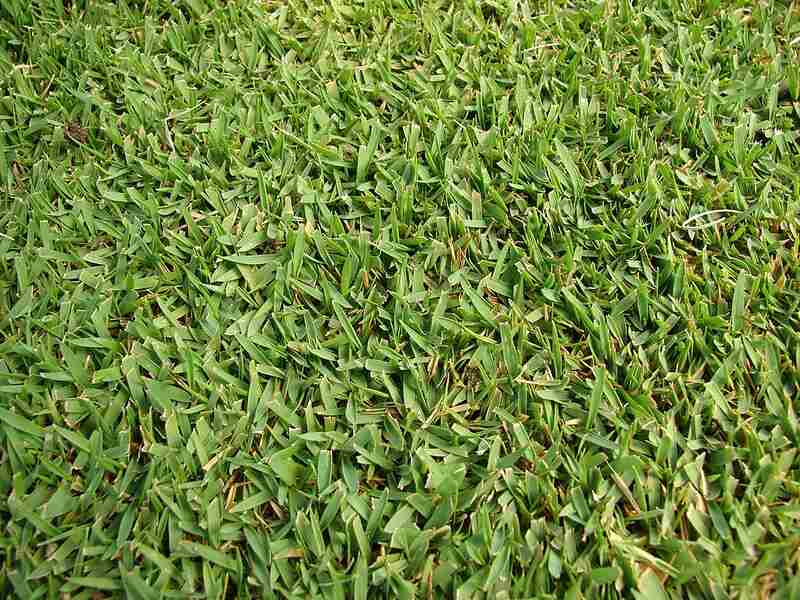
Zoysiagrass is a champ at resisting weeds, similar to St. Augustinegrass. It’s also your second-best option for shaded areas, is great for foot traffic, and doesn’t require much maintenance, much like bahiagrass and centipedegrass.
Moreover, most cultivars are pretty good at resisting diseases and weeds. Plus, the grass can live through drought and light shade relatively well.
| Drought tolerance | Moderate to high |
| Common mowing height | 0.5 to 1.5 inches |
| Shade tolerance | Tolerates light shade |
| Traffic tolerance | High |
| Disease resistance | High, but not against large patch disease; avoid Zenith cultivar for its low disease tolerance. |
| Weed resistance | High if grass is well-maintained; winter annuals may attack it when it’s dormant. |
| Maintenance | Low |
See Related:
– How to Care for Zoysiagrass
– When to Fertilize Zoysiagrass
– How Much Water Does Zoysia Need?
4. Bahiagrass: Best for Drought and Low Maintenance
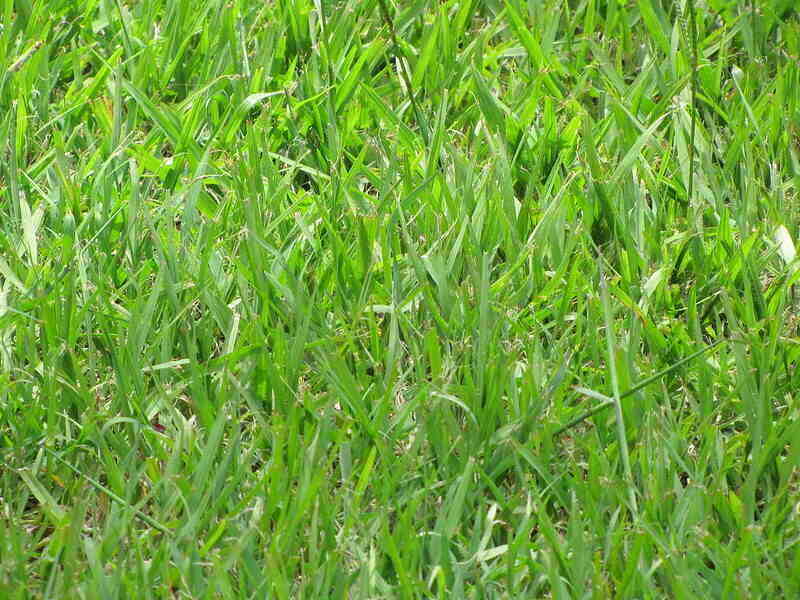
Bahiagrass is a drought-tolerant grass that you can let grow; it needs little maintenance. However, bahiagrass is sometimes affected by dollar spot and weeds.
Bahiagrass also doesn’t tolerate shade or foot traffic well. It’s not the best pick for busy, shady lawns.
| Drought tolerance | High |
| Common mowing height | 3 to 4 inches |
| Shade tolerance | Low |
| Traffic tolerance | Low |
| Disease resistance | Sometimes affected by dollar spot |
| Weed resistance | Low; the grass has low density, which may invite weeds |
| Maintenance | Low |
See Related:
— How to Care for Bahiagrass
— When to Overseed Bahiagrass in Florida
5. Centipedegrass: Best for Weed and Disease Resistance
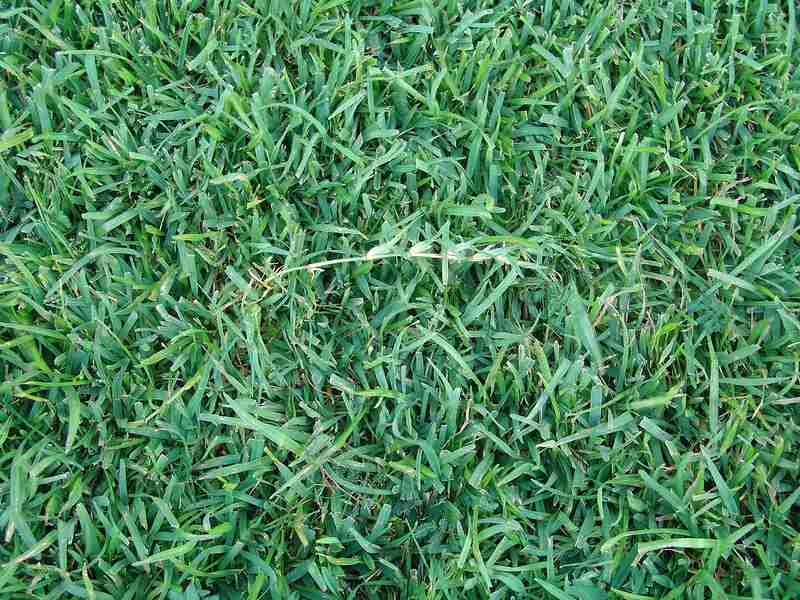
Centipedegrass resists weeds and diseases like a champ. It doesn’t need much maintenance, although its typical mowing height is 1.5 to 2 inches. This grass even tolerates some moderate shade.
However, centipedegrass is much less tolerant of foot traffic and drought. It may struggle during hot summers, especially if you like to spend a lot of time on your lawn.
| Drought tolerance | Low to moderate |
| Common mowing height | 1.5 to 2 inches |
| Shade tolerance | Moderate; needs at least 6 hours of full sun per day |
| Traffic tolerance | Low |
| Disease resistance | High |
| Weed resistance | High |
| Maintenance | Low |
See Related:
— How to Care for Centipedegrass
— How Much Water Does Centipedegrass Need?
— When to Fertilize Centipedegrass
How to Choose the Best Grass for Your Gainesville Lawn
If you are building a home in Gainesville or the surrounding area and are choosing your grass type, there are a number of factors to consider:
- How much time do you have to irrigate? Some grasses require less water than others..
- How often do you want to mow?
- Is your lawn shady? Some species prefer full sun, and some do great in shade.
- Can you deal with lawn diseases? If not, pick one that is very disease-resistant.
- Do you have the time, money and will to battle weeds?
- How much maintenance are you ready to invest in general?
Here is a look at which grasses are best for each of those conditions:
| What the Grass is Best For | Grass |
| Shade | St. Augustinegrass (Zoysiagrass is second best) |
| Sun | Bermudagrass |
| Drought | Bermudagrass and bahiagrass |
| Foot traffic | Bermudagrass and Zoysiagrass |
| Maintenance | Zoysiagrass, bahiagrass, and centipedegrass (St. Augustinegrass needs to be mowed least frequently, though) |
| Disease resistance | Zoysiagrass and centipedegrass |
| Weed resistance | Zoysiagrass, bermudagrass, St. Augustinegrass, and centipedegrass |
FAQ About Common Grass Types in Gainesville
Bermudagrass is an invasive grass that may overtake your flower beds.
St. Augustinegrass doesn’t need as much mowing as bermudagrass and Zoysiagrass.
Some St. Augustinegrass cultivars are susceptible to:
Gray leaf spot
St. Augustine decline
Nigrospora stolon rot
Take-all root rot (TARR)
Fairy ring
Florida’s most common lawn pests include:
— Chinch bugs
— Cutworms
— Fall armyworms
— Fire ants
— Ground pearls
See Related:
— How to Get Rid of Florida Lawn Pests
DIY or Hire a Lawn Care Pro? How Much Is Your Time Worth?
Caring for your Gainesville lawn — no matter what grass type — takes hours from your weekend. You get sweaty pushing or riding a mower. You have to buy a lawn mower, string trimmer, and more. Caring for your lawn takes time, money, effort, and commitment.
Or you could hire one of our Gainesville-area lawn care pros to take lawn mowing off your to-do list. Get a free instant quote for lawn mowing. Your front yard and backyard will look great when you and your Gator fan friends gather for a tailgating party or backyard barbecue after a big game.
Get your free Gainesville lawn mowing quote now.
Editor’s Note: LawnStarter editor-in-chief Jeff Herman lived in Gainesville for two years while working at The New York Times Editing Center.
Mowing the lawn was cheap therapy, but I learned an expensive lesson. Don’t buy the cheapest mower on sale at Lowe’s. It worked for only a few months. Do your homework and get a good lawn mower — or let someone else mow your lawn. You won’t need to buy a shed for your lawn care equipment like I had to do.
Main Image: Gainesville, FL house with landscaping. Photo Credit: Jeff Herman / LawnStarter
Editorial Contributors
-

Judith van der Weij
Author
Judith van der Weij has been writing about lawn care for LawnStarter for nearly 3 years. In her free time, she studies the Bible, goes to the gym, spends time with loved ones, and enjoys all things outdoors.
Learn more -
Jeff Herman
Editor
Jeff Herman, editor-in-chief of LawnStarter, mowed lawns as a teen, and his uncle owned the biggest sod business in St. Louis. Previously, Herman worked at The New York Times, CreditCards.com, and most recently at AllAboutVision.com. Now Herman is All About Lawn Care.
Learn more