| Key Takeaways |
|---|
| • Region decides grass: Plant cool-season grasses in northern and eastern Kansas and warm-season grasses in the south and west. • Top grass picks: Tall fescue is the best cool-season choice, and buffalograss suits dry western Kansas. • Kansas seeding windows: Seed cool-season grass from late August to Oct. 15 and warm-season grass from mid-April to mid-May. |

Want an impressive lawn in Kansas? Bermudagrass, buffalograss, Zoysiagrass, fine fescue, tall fescue, and others can work, but it depends on where in the state you live and what you want out of your lawn.
We’ve broken down the top picks, with expert tips, so you can spend less time worrying and more time enjoying your little slice of green Kansas heaven.
Once your grass fills in, keeping it lush takes steady mowing and care, or you can leave the ongoing upkeep to LawnStarter’s lawn mowing pros.
Warm-Season vs. Cool-Season Grasses
The best grass seed for Kansas depends on your region. Plant cool-season grasses like tall fescue and Kentucky bluegrass in the north and east, and warm-season grasses like buffalograss, Bermudagrass, and Zoysiagrass in the south and west.
Kansas has scorching summers, frosty winters, and considerable temperature fluctuations year-round. While the Southern part of the state provides an ideal environment for warm-season grasses, the Northern regions are better suited for cool-season grass varieties.
Central Kansas is in the transition zone, where both types of grass can grow and thrive. This allows more wiggle room when choosing your grass seed, so you can find something that suits your preferences and landscape.
“Warm-season turfgrasses in Kansas will have the most heat and drought tolerance, but will not be tolerant of deep shade,” says Matthew McKernan, consumer horticulture Extension associate at Kansas State University. “Fortunately, cool-season turfgrasses will possess a greater shade tolerance, but often lack heat and drought tolerance.”
| Grass | Best For | Kansas Region |
| Bermudagrass | Heat and heavy foot traffic | Southern, Central |
| Buffalograss | Low water, low maintenance | Western, Central |
| Zoysiagrass | Dense, low-maintenance turf | Southern, Central |
| Tall fescue | All-around, sun or shade | Eastern, Northeastern |
| Fine fescue | Shade and low inputs | Northern, Central |
| Kentucky bluegrass | Cold-hardy, dense lawns | Northern, Central |
| Perennial ryegrass | Fast germination and overseeding | Eastern, Central |
Best Warm-Season Grasses for Kansas
When selecting warm-season grasses suitable for Kansas, you’ll find some options to meet your needs. Let’s examine the top varieties:
Bermudagrass

Bermudagrass grows best from late spring through summer and handles drought well. Since bermudagrass lawns tolerate cold less than Zoysia or cool-season grasses, they suit the south of the transition zone. This coarse grass grows fast and handles heavy foot traffic, a plus for families and pets.
Foot traffic tolerance: High
Recommended mowing height: 1-2 inches – raise the mower height during periods of drought or extreme heat
Potential for disease and pests: Moderate (dollar spot, large patch, leaf spot, spring dead spot; armyworms, mites, nematodes)
Preferred Kansas region: Southern and Central
See Related: Bermudagrass Guide: Types, Traits, and Care
Buffalograss
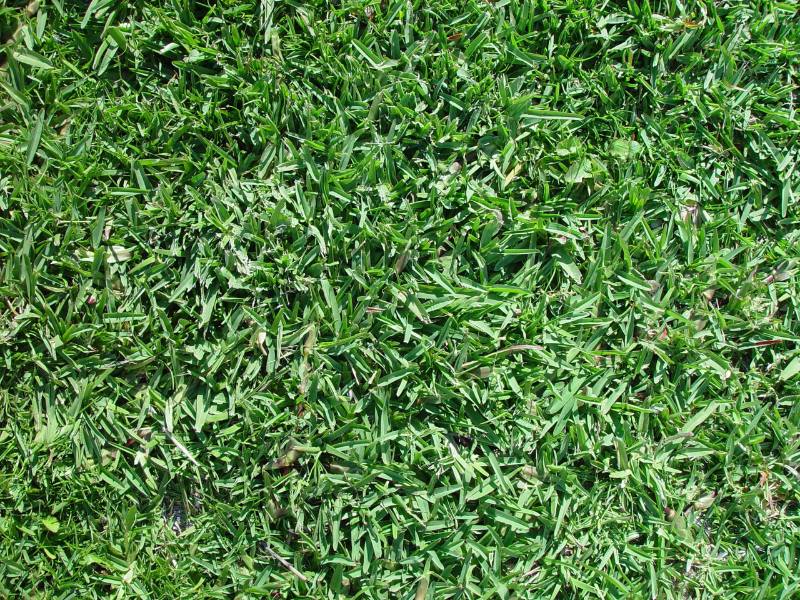
Highly drought-tolerant and impressively low-maintenance, buffalograss lawns stay naturally low at 4 to 8 inches and suit regions with water restrictions thanks to a deep root system that reaches water stored in the soil.
Buffalograss thrives in hot temperatures, greening up in the spring and turning brown in winter. It grows slowly and requires minimal mowing, fertilization, or watering to survive.
This grass variety is an excellent choice if you’re looking to establish a fine-textured, soft lawn. Once mature, buffalograss forms a dense turf that not only looks stunning but is also frequently used to prevent soil erosion on hills and slopes.
Foot traffic tolerance: High
Recommended mowing height: 1-2 inches
Potential for disease and pests: High
Preferred Kansas region: Western and Central
See Related: Guide to Growing Buffalograss
Zoysiagrass
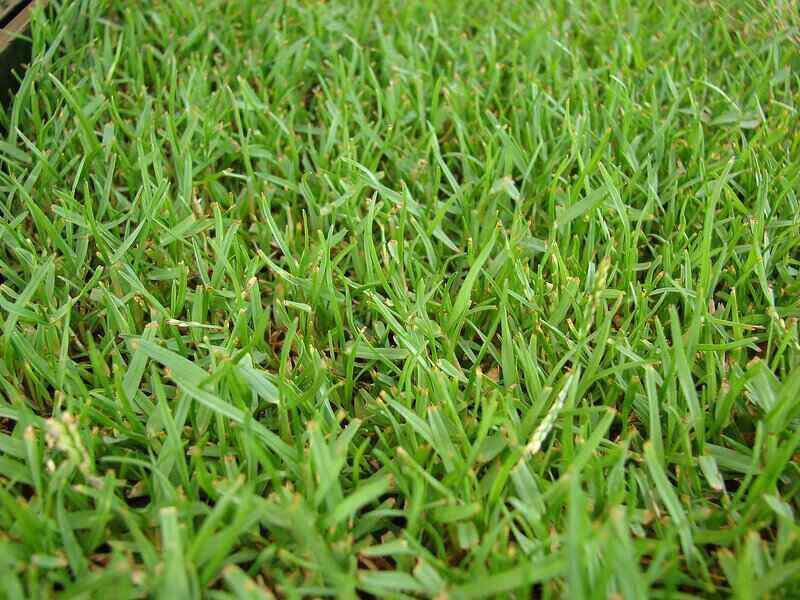
Zoysiagrass grows well in full sun and partial shade, producing a thick lawn once established. It grows slowly, is typically started from sod or plugs, and its resilience to drought, heat, and winter makes it appealing for Kansas homeowners.
Maintaining a Zoysiagrass lawn is fairly easy, though some soils need fertilizing about three times over the summer. Mow it low and avoid scalping.
Foot traffic tolerance: High
Recommended mowing height: 1-2.5 inches
Potential for disease and pests: Moderate (brown patch, large patch, dollar spot, and rust; chinch bugs and mole crickets)
Preferred Kansas region: Southern and Central
See Related: Growing Zoysiagrass: Everything You Need to Know
Best Cool-Season Grasses for Kansas
With Northern Kansas’ finicky weather, selecting a grass variety that can withstand temperature extremes is important. Here are the best cool-season grasses for Kansas.
Tall Fescue
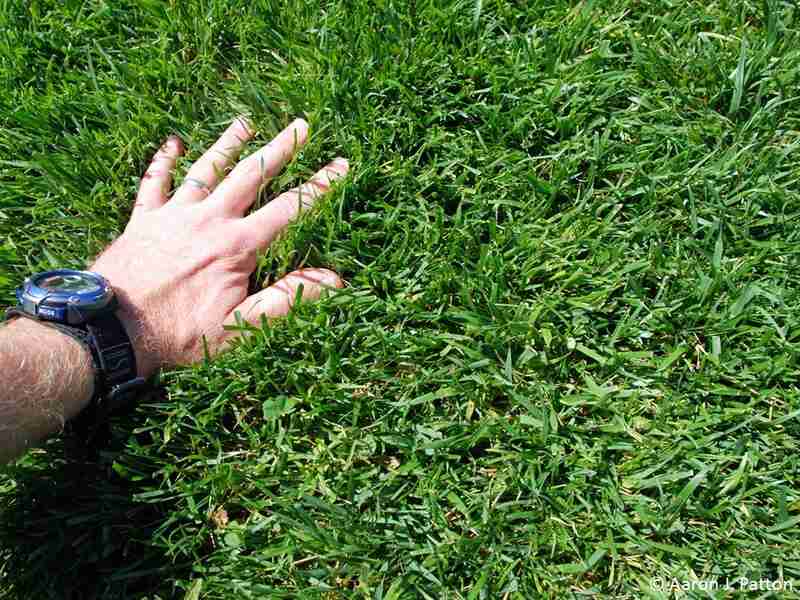
“Most Kansans should consider tall fescue as their best cool-season turfgrass option,” says McKernan. It is a resilient, dark green grass with a coarse texture that grows in full sun or partial shade and handles both wet and dry soil.
“Tall fescue has more heat and drought tolerance than Kentucky bluegrass, which provides increased survival and performance in Kansas,” he says. It bounces back from pet and athletic wear, establishes quickly, and creates a dense lawn, which makes it a favorite for recreational areas.
Foot traffic tolerance: High
Mowing height: 2-4 inches
Potential for disease and pests: Moderate to high
Preferred Kansas region: Eastern, Northeastern
See Related: Tall Fescue Lawn Maintenance Guide
Fine Fescue
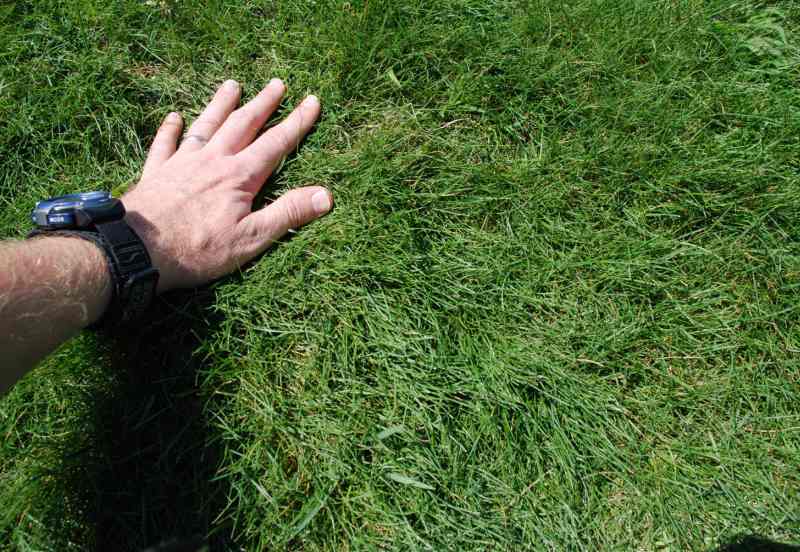
Fine fescue is a medium green to blue-green grass. It has the thinnest blades, the most shade tolerance, and the lowest moisture and fertilizer needs of common cool-season grasses. It’s also drought-resistant and remains green all year.
If you’re a lawn care beginner, this is the ideal turfgrass. However, fine fescue doesn’t do well in high-traffic areas. If your kids or pets regularly run around your property, you might want to choose another variety.
Foot traffic tolerance: Low to moderate
Mowing height: 1.5-3 inches
Potential for disease and pests: Moderate to high
Preferred Kansas region: Northern and Central
See Related: Guide to Growing Fine Fescues
Kentucky Bluegrass
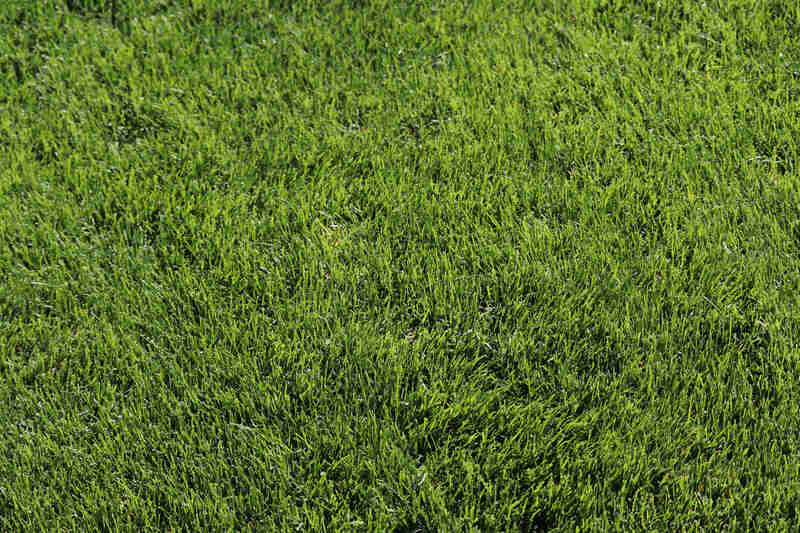
Kentucky bluegrass (KBG) is a high-maintenance, high-quality grass with deep roots that requires regular watering and fertilizing. It is not the first choice for most Kansas homeowners, though.
As McKernan puts it, “There are situations for those who live in far northern Kansas, for use in sports fields turfgrass, and in irrigated lawns, where Kentucky bluegrass may be an option for some; however, most people will be better off with a tall fescue lawn.”
“If Kentucky bluegrass is going to be used in Kansas, it is often most successful when grown as a mixed species lawn with tall fescue. This combination of turf types provides far better performance than lawns with a standalone species of KBG,” he says.
Foot traffic tolerance: Low to moderate, but recuperates well
Mowing height: 2-3 inches
Potential for disease: Moderate to high
Preferred Kansas region: Northern
Notes: McKernan recommends the following cultivars for low-input lawns: Baron, Caliber, Cobalt, Freedom, Midnight, Monopoly, Northstar, or Unique.
See Related: Guide to Growing Kentucky Bluegrass
Perennial Ryegrass (Lolium perenne)
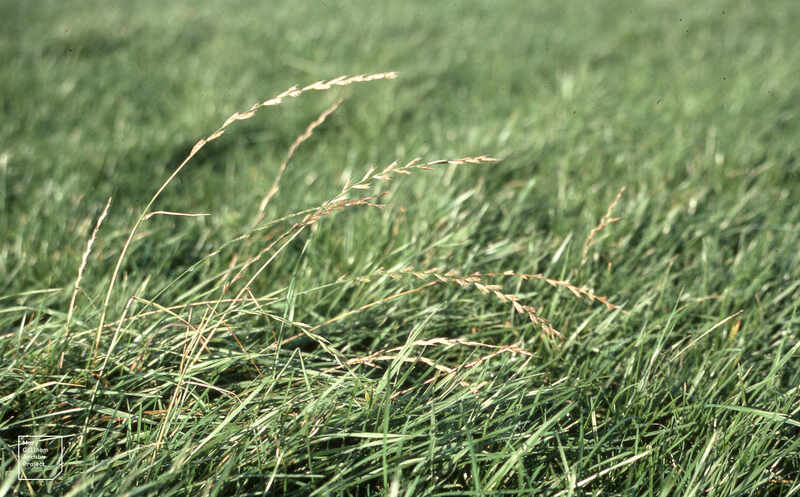
Perennial ryegrass produces a deep green color and glossy texture and has the highest traffic tolerance and germination rate of any cool-season grass. “Most of the time, annual and perennial ryegrass are utilized as a fast-germinating turfgrass that will help reduce erosion,” McKernan says.
However, McKernan doesn’t recommend it as the best grass for Kansas. “We would generally recommend avoiding planting perennial or annual ryegrass (since neither are likely to survive the summer due to their lack of heat and drought tolerance), and instead prioritize planting tall fescue,” he says.
Foot traffic tolerance: High, but has poor recuperative ability
Mowing height: 2-3 inches
Potential for disease and pests: Moderate to high
Preferred Kansas region: Eastern and Central
See Related: Guide to Growing Perennial Ryegrass
When to Plant Grass Seed in Kansas
The best time to plant grass seed in Kansas depends on the type of grass you want to grow and your region. Generally, sow warm-season grass seed from mid-April to mid-May.
“For cool-season turfgrass in Kansas, late August to October 15th is the ideal time to start to establish seeds,” McKernan says.
“By waiting until September or early October, less supplemental water is usually needed to establish grass seed (as air temperatures cool and more natural rainfall is likely),” he says. “However, this increases the number of days until germination slightly (since the soil temperatures are also cooler).”
How to Plant Grass Seed in Kansas
“The most critical part of planting any cool season grass seed is starting with a high-quality grass seed,” McKernan says. “By starting with a high-quality grass seed, you increase your chances of being able to grow a high-quality lawn in Kansas.”
Once you have picked the right grass and the right season, a little prep goes a long way. Start by testing your soil so you can correct the pH and clear out weeds and debris before you seed.
Loosen the top layer of soil, spread your seed at the rate on the bag, and rake it in lightly so it makes good contact with the ground.
Keep the seedbed consistently damp until the grass fills in, watering lightly once or twice a day rather than soaking it all at once. Once the new grass is established, you can ease back to a normal watering schedule.
See Related: How to Plant Grass Seed
FAQs
Overseed your existing lawn with the same grass type. You can also opt to overseed with perennial ryegrass. It germinates quickly, grows well in mixes, and helps winterize warm-season grasses for a year-round green lawn in Kansas.
Mow cool-season grasses when temperatures reach 50 degrees, around late March or early April, and start mowing warm-season varieties around May. Wait until the grass reaches 3 to 4 inches to begin mowing and increase the frequency as the weather warms.
Most grasses stop growing when temperatures drop below 55 degrees. With growth halting, you can stop mowing your Kansas lawn around late October.
For more tips, check out our Kansas lawn care schedule.
Proper Lawn Care Pays Off
When you’re looking for the perfect grass seed for your Kansas lawn, consider your location, your yard’s sun exposure, soil type, and the time you can commit to maintenance.
Whatever grass you choose, a Kansas LawnStarter pro can handle the mowing and steady seasonal fertilization, among other lawn care services, so your lawn stays healthy year-round.
Sources:
Matthew McKernan, Consumer Horticulture Extension Associate at Kansas State University, Manhattan, KS. Personal interview.
Main Image: The 1887 Warkington House, a historic house museum in Newton, Kansas. Photo Credit: Carol M Highsmith / Rawpixel / CC0 1.0
Related Posts: