
Surviving Austin’s heat and humidity can be a challenge for both you and your lawn. But good lawn maintenance in spring can help your lawn endure the heat in Austin’s hottest months.
Start your spring lawn care with a soil test, followed by an inspection of your irrigation system and mowing equipment. As grass emerges from dormancy, begin mowing and water your lawn 1 inch weekly.
Proper lawn maintenance also means knowing when to overseed, how to adjust mower height for your grass type, and which lawn pests to look out for. Learn tips and tricks from local Austin lawn care pros who share their experience caring for lawns in the capital city.
Ready for a healthy lawn this year? Let LawnStarter connect you with our own Austin lawn care pros who know the best ways to care for your yard this spring.
1. Test Your Soil
Start spring lawn care with a soil test to discover which nutrients your soil lacks. With the guidance of a soil test report, you can add soil amendments, fertilizer, or compost to improve the quality of your soil.
To Test Your Soil:
- Contact Texas A&M AgriLife Extension soil testing services.
- With a garden shovel or trowel, dig up 10-15 cores of soil at a depth of 6 inches.
- Send in your soil samples.
- Wait 2-4 weeks for a soil test report.
Blackland Prairie soils, an alkaline soil high in clay, are the most common in Austin.
See Related:
– How to Prepare a Soil Sample for Testing: 5 Simple Steps for Accurate Results
– How to Read a Soil Test Report
2. Inspect Mowing Equipment
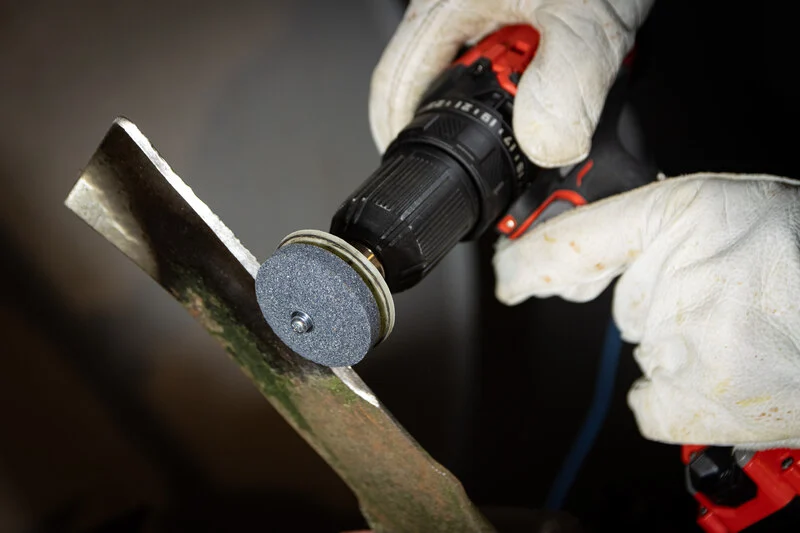
Spring is a good time to inspect your mowing equipment and get it prepped for the mowing season:
- Clean the mower deck (if you didn’t last fall) and check for rust or damage.
- Sharpen mower blades: Dull blades tear instead of cutting.
- Install new spark plugs if the old ones are damaged.
- Clean or change your air filter: Clean foam filters with water. Tap paper filters gently on the driveway to clear out dirt and debris.
If you don’t feel comfortable with DIY mower maintenance, take your mower to a local engine repair shop (but make your appointment early, as slots fill up fast in spring).
3. Inspect Your Sprinkler System
Winter freezing can cause damage to your pipes and sprinkler heads. When the weather begins to warm, test your irrigation system to make sure it is ready to water your growing grass.
If you need to replace or adjust your sprinkler heads, check out our DIY-friendly guide: How to Fix and Adjust Lawn Sprinkler Heads.
Water-Saving Tip: Before you set your automated schedule this spring, measure your sprinkler system’s output with tuna cans: The time it takes to fill up the tuna can is how long it takes your sprinklers to apply 1 inch of water. Adjust your sprinklers and control settings accordingly.
4. Begin Mowing
Start mowing your lawn as needed in March, when grass begins to green up. From April until fall, mow your lawn weekly.
For optimal results, follow these mowing tips to boost your lawn’s health:
- Follow the one-third mowing rule: Never remove more than a third of the grass’s total height at a time.
- Mow in different directions every time: “I switch directions just to make sure I don’t develop tracks in the yard,” says Justin Stultz, owner of Wildflower Lawn Care in Hutto, Texas.
- “Leave grass clippings on the lawn to help retain moisture and add organic matter,” says Isabel Lopez, owner of AR Lawn Care in Georgetown, Texas.
Bermudagrass is the most common grass type in Austin, although you’ll frequently spot St. Augustinegrass and Zoysiagrass in the city as well.
Trim your grass to the right height for your turfgrass type:
| Grass Type | Mowing Height |
| Bermudagrass | 1 – 2 inches |
| Perennial ryegrass | 1.5 – 3.5 inches, but depends on the warm-season grass you’ve overseeded |
| St. Augustinegrass | 2.5 – 4 inches |
| Zoysiagrass | 1 – 2 inches |
5. Control Weeds
Watch out for these common Austin weeds:
- Annual bluegrass (poa annua)
- Dandelion
- Chickweed
- Crabgrass
- Henbit
- Nutsedge
- Spotted spurge
Once weeds have emerged, use a post-emergent herbicide to spot-treat weeds in March and later spring months.
See Related:
– Applying Post-Emergent Herbicides to Your Lawn
6. Implement Good Watering Practices
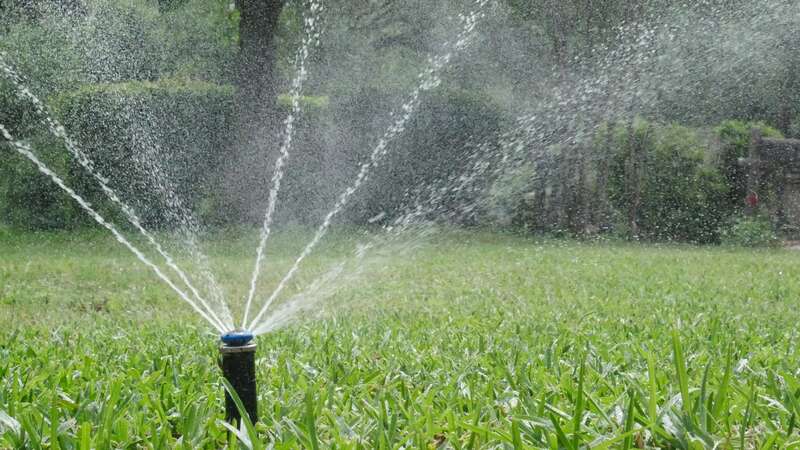
Follow these tips for springtime irrigation:
- Water between 5-9 a.m: “Water in the early morning to reduce evaporation,” says Lopez.
- Don’t water late in the day: “Make sure you’re giving the yard enough time to dry off before nighttime so you don’t get any molds or fungi,” says Stultz.
- Follow Austin’s watering restrictions: Austin has year-round watering restrictions that permit homeowners to water their yards only 1-2 times per week.
- Water 1 inch per week in 1-2 sessions to encourage root growth. If it rains, adjust your watering schedule. May is usually the rainiest month for Austin.
- Use the cycle and soak method: Run sprinklers for 3-7 minutes, then give your lawn a 30-minute rest. Repeat a total of 2-4 times to reach about 0.5 inch of water per session.
- Collect rainwater: “Purchasing a sizable rain collector is always a safe bet when restrictions or dry spells come around. You can purchase them at…Home Depot,” says Josiah Cantu, owner of JC Landscaping in Austin, Texas.
- Consider installing drip irrigation in your landscaping beds, which conserves water.
See Related: 8 Lawn Watering Tips for Austin Homeowners
7. Dethatch and Aerate Your Grass
Warm-season grasses, the most common grass types in Austin, should be dethatched in late spring. Dethatch your lawn once a year or whenever thatch levels reach 1/2- to 3/4-inch thick, especially if you have these grass types, which are prone to thatch buildup:
| Grass Type | Best Time to Dethatch |
| Bermudagrass | March to early April |
| St. Augustinegrass | April or May |
| Zoysiagrass | May to June |
Do you have heavy, Blackland Prairie soil? Core aeration removes cores of dirt from your soil, which allows water, nutrients, and air to reach the grass roots, improving compaction and encouraging healthy growth.
Blackland Prairie soils are also low in organic matter, so after aerating, apply compost, which “increases soil moisture retention,” says Lopez. Gypsum can also be used to amend heavy clay soils.
Homeowners should aerate once a year. The best time to aerate warm-season grasses is in April or May.
See Related:
– How to Dethatch Your Lawn (Plus When to Hire a Pro)
– How to Aerate Your Lawn
8. Overseed Bare Spots
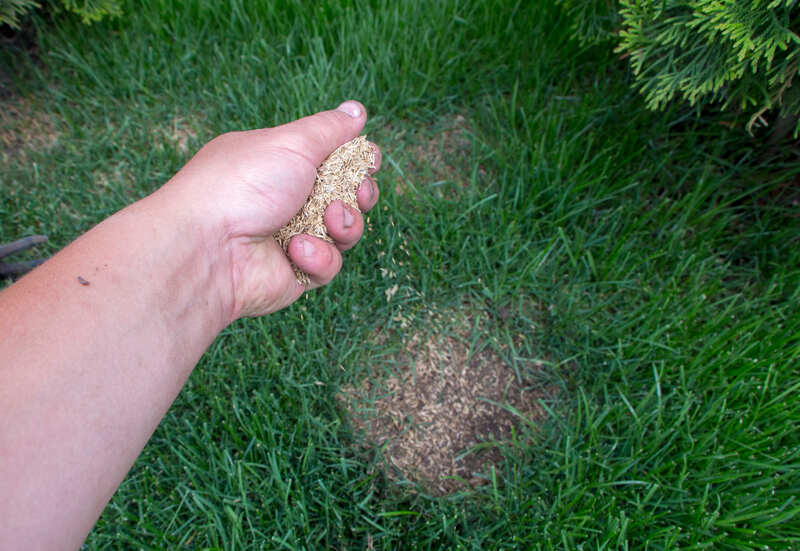
Whether you’re filling in bare patches or need to start a new yard from scratch, April is the best time to plant grass in Austin. Warm-season grasses such as Bermudagrass germinate best when soil (not air) temperatures reach 65 F in spring.
See Related:
– How to Overseed a Lawn in 8 Simple Steps
9. Manage Pests
Here’s how to deal with common Austin lawn pests that emerge in the spring:
- Mosquitoes: Mosquitoes, which thrive in Austin’s humid climate, begin to appear in the spring. To prevent or get rid of mosquitoes, remove or cover any outside sources of standing water, such as rain barrels or pet water bowls.
- Fire ants: Treat fire ants with the two-step method. First, broadcast granular bait around your yard in mid-April when temperatures reach 70 F-90 F. Wait at least 3 days. Then drench the fire ant mounds with a liquid pesticide.
- Chinch bugs: Manage these St. Augustine-loving pests with good lawn care practices, such as dethatching (this is key), aeration, and proper mowing. Severe infestations can be treated with contact insecticides.
Important: Always carefully follow label instructions on your pesticide product.
See Related:
– How to Get Rid of Chinch Bugs on the Lawn
10. Fertilize Your Lawn
In mid-April, after you’ve mowed the lawn at least twice, fertilize your lawn with 0.5 pound of nitrogen per 1,000 square feet, or according to your lawn’s soil test report. Avoid overzealous applications, since overfertilizing will:
- Damage turfgrass
- Attract pests that eat your lawn
- Burn grass
- Leave grass susceptible to fungal diseases
Pro Tip: During the growing season, mulch the grass clippings. As they decompose, they act as a natural fertilizer, returning nutrients to your lawn.
Ready for a Stress-Free Lawn? Hire an Austin Lawn Care Pro
Good mowing practices, proper irrigation (that follows Austin’s watering restrictions), and well-timed fertilizer applications allow your lawn to thrive even in Austin’s hot, humid climate.
Haven’t got time for spring lawn care? Let a pro handle your lawn care chores instead. LawnStarter’s Austin lawn care pros know how to navigate the local climate and clay soils for a vibrant, healthy spring lawn.
Sources:
- Collin Byington, owner of Collins Lawn Care and Services in Kyle, TX. Personal interview.
- “Earth-Wise Guide to Fire Ants.” Texas A&M AgriLife Extension.
- Isabel Lopez, owner of AR Lawn Care in Georgetown, TX. Personal interview.
- Josiah Cantu, owner of JC Landscaping in Austin, TX. Personal interview.
- Justin Stultz, owner of Wildflower Lawn Care in Hutto, TX. Personal interview.
- “The Real Dirt on Austin Area Soils.” Texas A&M AgriLife Extension.
- “Simple Steps to Lawn Care.” Texas A&M AgriLife Extension.
- “Turfgrass Establishment for Texas.” By David R. Chalmers, professor emeritus, and James McAfee, turfgrass specialist. Texas AgriLife Extension.
Main Image: Lawn mowed by a LawnStarter pro in Austin, TX. Illustration by Amy Stenglein / LawnStarter