Humidity off Lake St. Clair and the urban heat island effect can quickly stress Detroit lawns in summer. The good news? A few adjustments, like watering deeply and mowing taller, can help your grass handle these conditions.
In this guide, we’ll walk you through key summer lawn care tips for Detroit, including insights on fertilizing, pest control, and weed control, so you know exactly what to do to help your grass thrive.
But if you’d rather spend your weekends hanging out on Belle Isle instead of managing your lawn, LawnStarter connects you with local Detroit lawn care pros who can handle the summer maintenance for you.
1. Know Your Grass
Lawns in Detroit are made up of cool-season grasses like Kentucky bluegrass, perennial ryegrass, and tall fescue. These grasses thrive in spring and fall, when temperatures are mild and moisture is more consistent.
Summer, however, is survival mode. When heat rises, cool-season grasses slow their growth and focus on staying alive rather than looking lush.
Understanding this shift can help you understand why watering, mowing height, and fertilizer timing matter so much in Detroit summers, so you’re not trying to push growth, but helping your lawn endure the heat.
See Related:
– Guide to Growing Kentucky Bluegrass
– Guide to Growing Perennial Ryegrass
– Tall Fescue Lawn Maintenance Guide
2. Adjust Your Watering
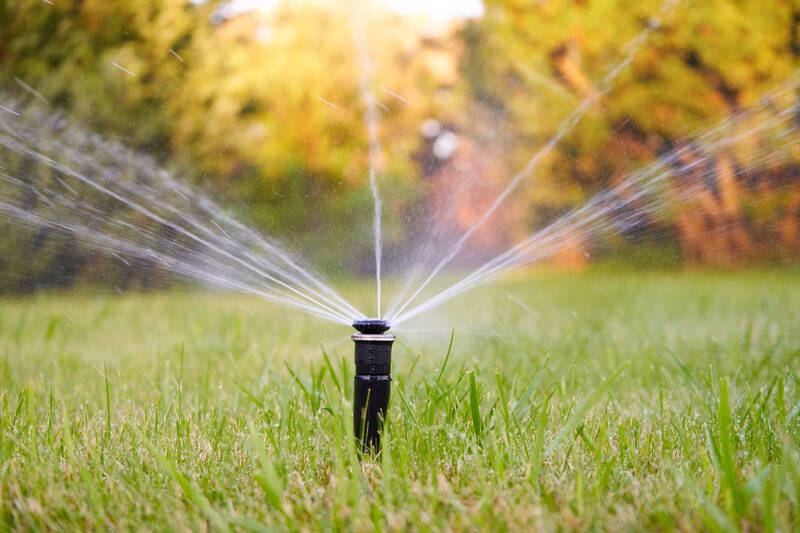
If you want your lawn to stay green throughout the summer, you may need to water it. Most grasses need about 1 inch of water per week. In some summers (especially in July), Detroit can receive that much rainfall naturally, so it’s important to monitor the weather and adjust your sprinklers accordingly.
Here are a few tips:
- Water deeply and less often, rather than giving your lawn frequent light watering.
- Water in the early morning so your lawn has time to absorb moisture before the sun evaporates it.
- Do not water in the evening to avoid prolonged moisture on grass blades overnight.
Finally, even if you plan to let your grass go dormant, aim to apply about half an inch of water every 2 to 3 weeks so it doesn’t die.
See Related:
– How Often to Water Grass in Summer
– How Long to Water Your Lawn in Summer
3. Raise Your Mowing Height
Weekly mowing is important, but how you mow matters even more during a Detroit summer. Improper mowing stresses your lawn, weakening grass over time. Here are some tips.
- Raise your mowing height to around 3 inches or higher. Taller grass helps shade the soil, reducing evaporation and preventing weed seed germination.
- Sharpen your mower blades to prevent the grass blades from tearing. Grass blades that are torn, rather than cut cleanly, are more likely to lose water and turn brown.
- Remove one-third of the grass growth at a time, always following the one-third rule.
- Leave your grass clippings behind on your lawn afterward, allowing them to break down naturally. Doing so returns nutrients and nitrogen to your turf, leading to a richer lawn.
See Related: Mulching vs. Bagging Grass Clippings
4. Ease Up on Fertilizer
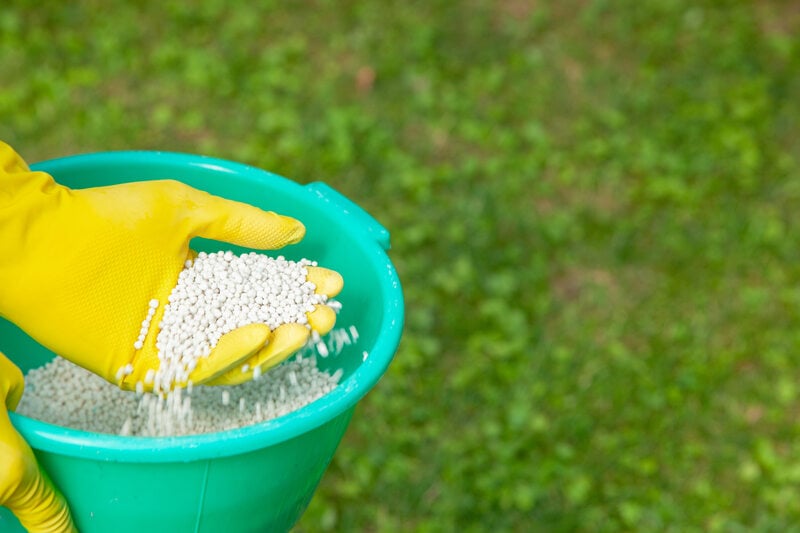
Summer is not prime fertilizing season in Detroit; prime seasons are fall (most important) and spring, when cool-season grasses are the most active. By July, they’re focused on surviving the heat, not pushing new growth, which is why heavy nitrogen applications can do more harm than good.
If you do decide to fertilize, keep these rules in mind:
- Keep rates low: About 1/2 pound of nitrogen per 1,000 square feet is sufficient.
- Choose slow-release formulas: They prevent surges in growth.
- Avoid fertilizing during heat waves: High temperatures combined with nitrogen can burn and stress turf.
- Make sure your lawn is watered: Avoid fertilizing dormant grass.
Late August to early September is a different story. As nights in the Motor City begin to cool and rainfall becomes more consistent, you can resume the typical fertilization schedule to encourage strong fall recovery.
5. Get Ahead of Grub Damage
Japanese beetles are common in Michigan, and their larvae (white grubs) can damage Detroit lawns by feeding on roots. Adults lay eggs in June, and grubs hatch in early July, which is why timing is important.
For prevention, apply products with active ingredients such as imidacloprid, thiamethoxam, or clothianidin between July 1 and 15. Make sure to water the product so it reaches the root zone.
If you miss that window, use curative products with trichlorfon or carbaryl between mid-August and October, while grubs are actively feeding.
See Related:
– How to Get Rid of Japanese Beetles
– Lawn Grubs: How and When to Kill Them
6. Control Crabgrass
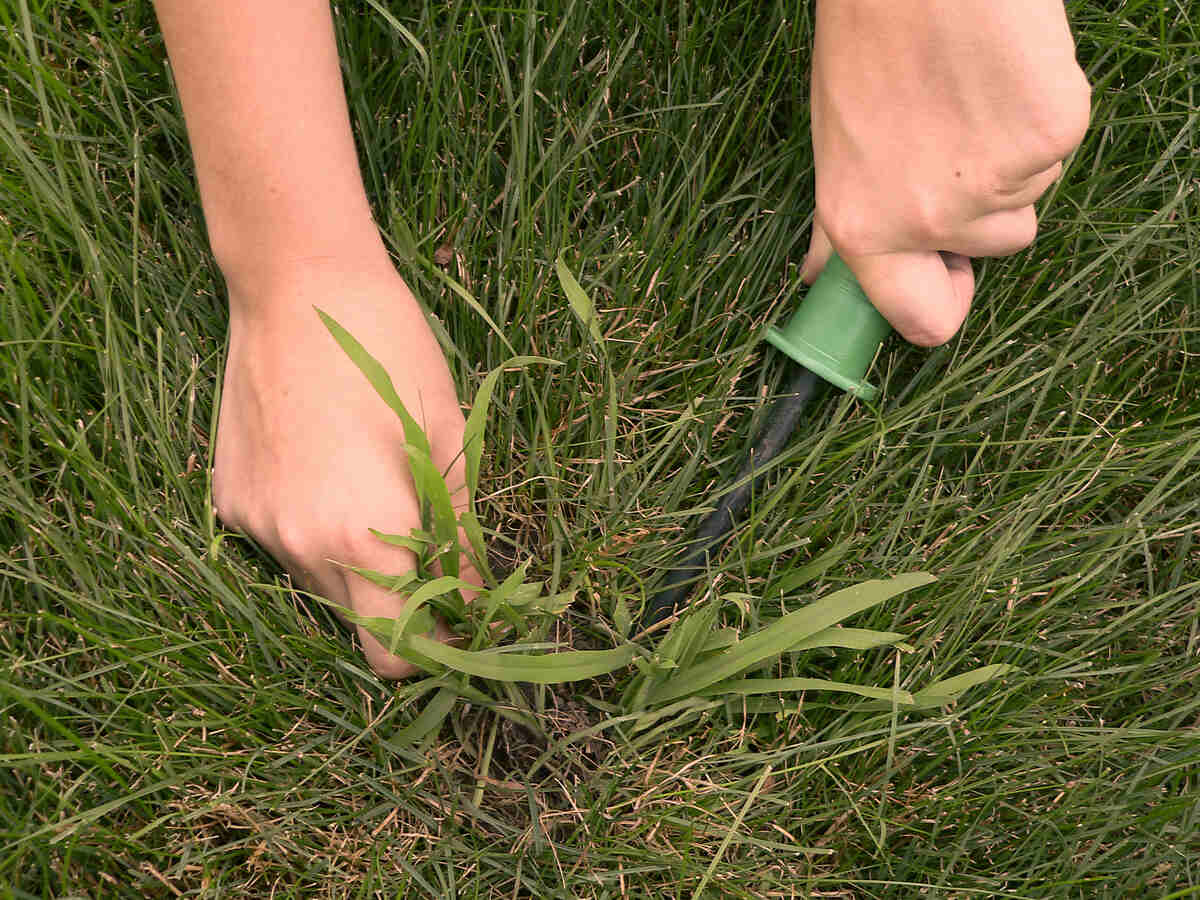
Crabgrass is one of the most common summer weeds in Detroit lawns. Ideally, you would have applied a pre-emergent herbicide in spring to prevent it from germinating. But even with preventive treatment, a few of them can still break through.
The best long-term defense is a thick turf canopy (which is where raising your mower height comes in). Dense grass shades the soil, making it harder for crabgrass seeds to sprout.
If it still manages to appear, here’s how to get rid of crabgrass:
- Hand-pull small plants before they go to seed, removing the entire root system; or
- Apply a post-emergent herbicide containing quinclorac or fenoxaprop-ethyl.
See Related: When and How to Apply Crabgrass Preventer
7. Avoid Fungal Diseases
Detroit’s humid summers create ideal conditions for lawn diseases. Two of the most common in Michigan are dollar spot and summer patch.
Dollar spot often appears as small, straw-colored spots about the size of a silver dollar that can merge into larger patches. Summer patch typically causes circular yellow or brown areas, sometimes with green grass in the center.
To reduce the risk of these diseases appearing:
- Water in the early morning so the grass dries quickly.
- Avoid overfeeding nitrogen in summer.
- Maintain proper mowing height to reduce stress.
However, if these diseases still make their way into your lawn, here’s how to handle them:
– How to Get Rid of Dollar Spot
– How to Prevent and Treat Summer Patch
Ready for Backyard Season in Motown
Detroit summers are meant for backyard cookouts, Tigers games, and long evenings outside, not constant lawn stress.
So, if you’d rather focus on firing up the grill before first pitch than tracking grub treatment windows, LawnStarter can connect you with trusted Detroit lawn care pros who can handle the summer maintenance for you.
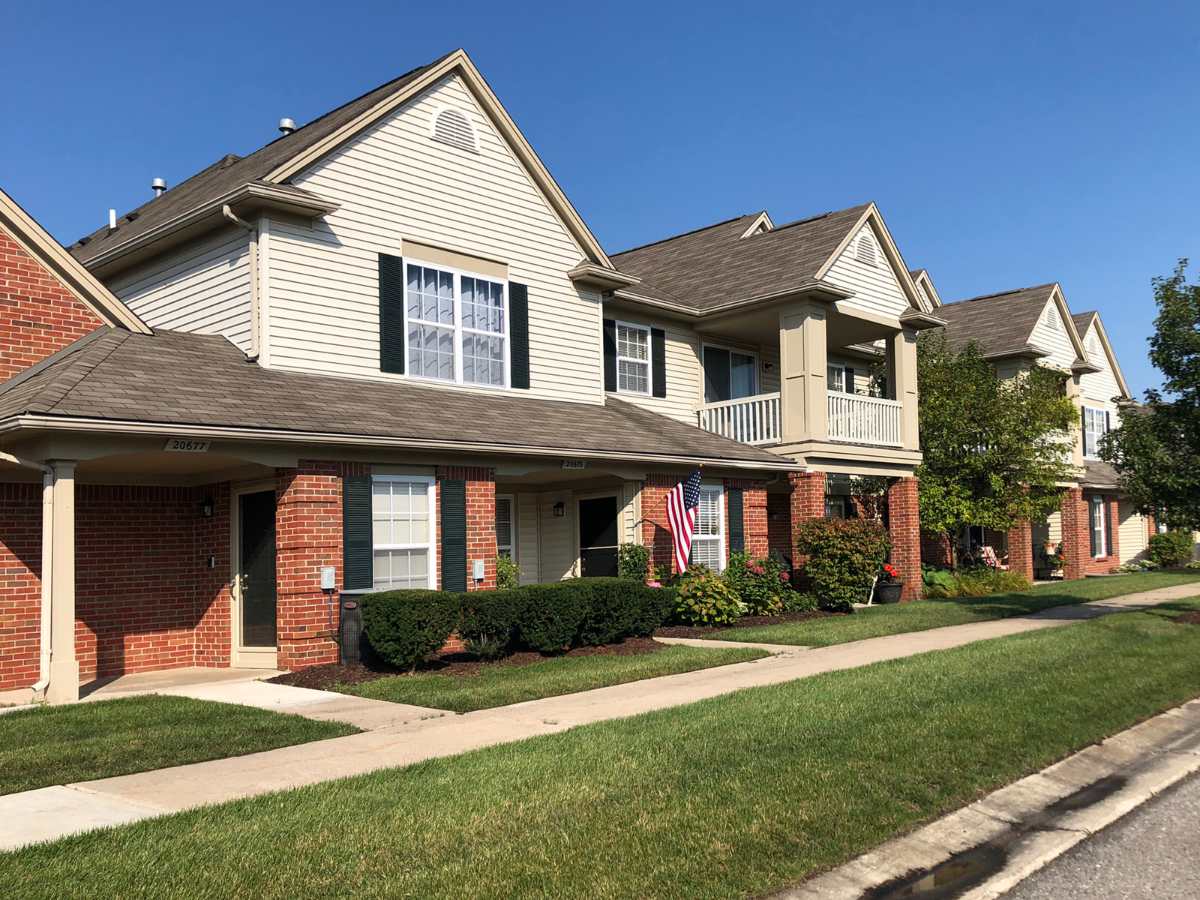
Main Image: Landscaped front yard in Detroit, Michigan. Image Credit: James Martin / Adobe Stock
Related Posts: