Spring is a critical time for North Florida lawn care. Jacksonville’s warm-season grasses stir to life earlier than in the North, creating unique challenges that require specific approaches like fertilizing in mid-April, mowing at a high setting, and attacking certain weeds and pests that plague Duval County lawns.
Follow these 10 tips tailored to Duval County for a lawn that starts strong and stays vibrant.
1. Clean Up Your Yard
Start your spring lawn care by giving your yard a full cleanup. Remove any leaves, pine needles, twigs, and debris that have accumulated on top of the grass over winter. You can do this job by hand, with a rake, or using a leaf blower.
Why do you need to remove leaves from your yard in spring? Leaves “smother lawn growth,” says lawn care pro Nakia Fleming in Jacksonville.
Even though Jacksonville’s winters are short, storms and falling leaves can litter your lawn. Clearing this debris allows sunlight and air to reach your grass, which helps prevent dead spots, mold, and disease while giving your lawn the best chance to green up.
See Related:
— 5 Best Ways to Clean Up Leaves in Your Yard
2. Start Mowing at a High Setting
As your lawn begins actively growing again in spring, usually by late March or April in Jacksonville, it’s time to bring out your lawn mower. But resist the temptation to cut the grass short. Set your mower to a high setting for the first mowings of the season.
Cutting grass too short right out of dormancy weakens it. Keeping the grass a bit taller allows it to bounce back faster and stay strong. Follow the one-third rule and don’t forget to check your mower blades are sharp.
See Related:
— 13 Common Lawn Mowing Mistakes to Avoid
3. Water Properly
Spring is generally drier than summer in Jacksonville. Lawns need 1 to 1.5 inches of water a week, but Mother Nature generally supplies only about 2 to 2.5 inches per month (roughly half an inch per week on average) in March, April, and May. You’ll need to make up the balance with watering.
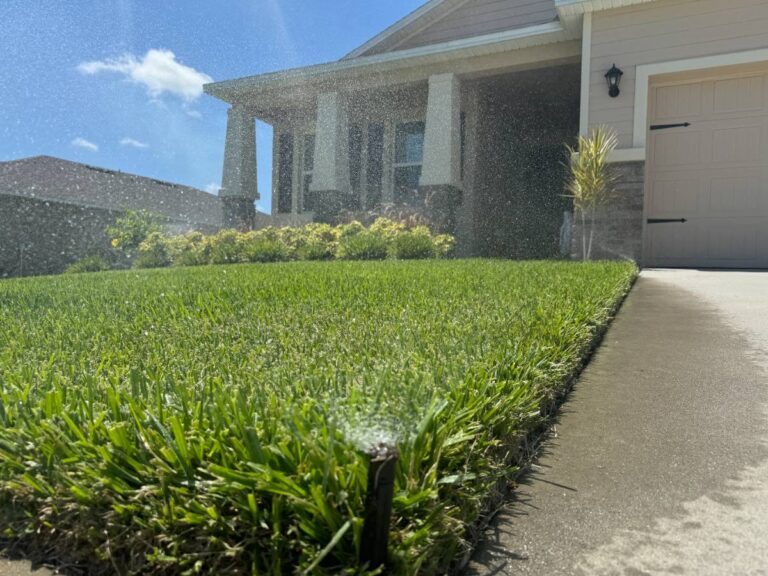
Unless we get an unusually wet spring, aim to irrigate once or twice a week for a half-hour per zone.
“Water early in the morning, between 4 and 10 a.m. This minimizes evaporation and allows the water to soak in before the midday heat, also helping prevent fungal diseases,” says Nathan Heaton of NH Landscaping in Jacksonville.
“Adjust for rainfall: Don’t overwater,” he adds. “If you’re getting sufficient rain, adjust your irrigation accordingly.”
See Related:
— How Often Should I Water My Lawn?
— How Long Should I Water My Lawn?
4. Aerate, If Necessary
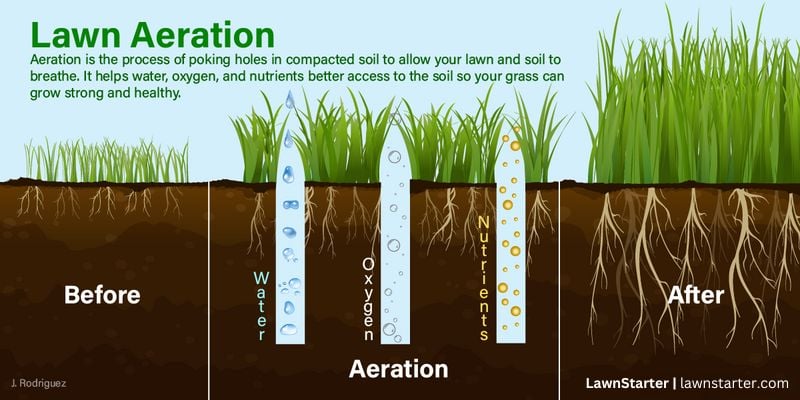
Spring is a good time to aerate your lawn, but you need to do it only about every other year. Aeration involves punching small holes in the soil to relieve compaction.
Aeration “helps grass absorb water and nutrients better,” says Justin O’Donnell of J&S Home Services in Jacksonville.
In Jacksonville, heavy foot traffic or clay spots, and even heavy summer rains can pack down the soil. Aerating in spring helps your lawn “breathe” again and take in fertilizer and rainfall more effectively. You can rent a core aerator or hire an aeration service.
See Related:
— How to Tell You Have Compacted Soil
— How to Fix Compacted Soil
— What is Aeration? [Video]
5. Dethatch Your Lawn
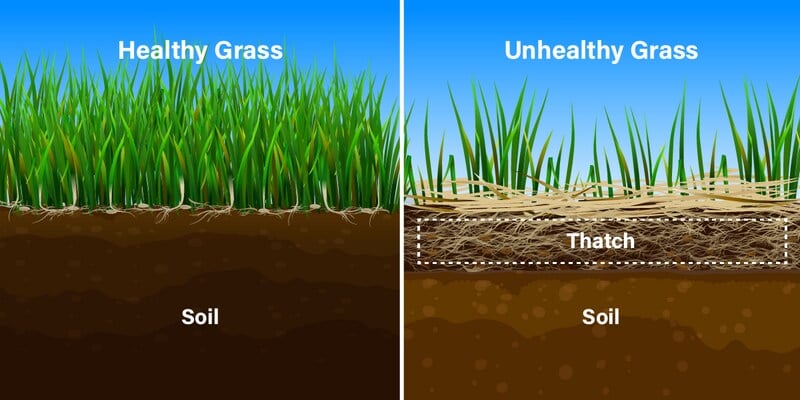
Thatch is the layer of dead stems and roots between the soil and green blades. A thin layer is normal, but if it’s more than half an inch thick, thatch blocks water, air, and nutrients from reaching the soil.
In Jacksonville, St. Augustinegrass and Zoysiagrass lawns can develop thatch over time. Part the grass or cut a small plug to see how thick the layer is. If necessary, rake excess thatch or rent a power dethatcher.
Just keep in mind that dethatching stresses your lawn, so do it only when it’s truly needed.
See Related:
— How to Dethatch Your Lawn
— When to Dethatch Your Lawn
— Top 10 Benefits of Dethatching the Lawn
6. Test Your Soil
Before adding fertilizers, test your soil. Jacksonville soils vary; many are sandy and drain quickly, while some are more acidic.
You can use a simple DIY kit or send a sample to the University of Florida Institute of Food and Agricultural Sciences (UF/IFAS). The test will tell you your soil’s pH and nutrient levels.
If the pH is too low, your soil may need lime; if too high, sulfur can help. The test will also reveal if nutrients like phosphorus or potassium are lacking, guiding you to the right fertilizer.
See Related:
— How to Change Your Soil pH
— Lime for Lawns: Why, When, and How to Lime a Lawn
7. Fertilize in Mid-April
The best time to fertilize your Jacksonville lawn is “mid-to-late April, after the grass has been mowed twice, indicating active growth,” Heaton says.
If you apply too early, while the grass is still brown or waking up, much of it won’t be absorbed, or it will feed the weeds instead. Use a slow-release fertilizer formulated for your type of grass, and follow the instructions carefully.
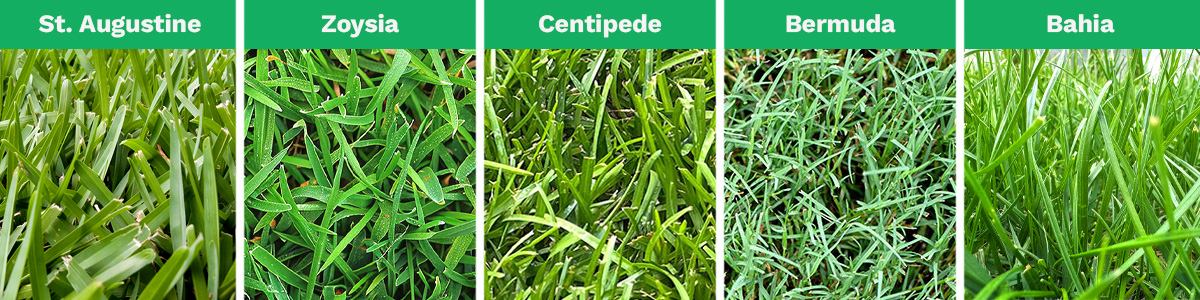
The right timing and amount depend on your specific grass variety:
- St. Augustinegrass: Needs moderate feeding. Plan on two applications, one in spring after green-up and another in summer.
- Zoysiagrass: Most home lawns do well with two to three light applications spread between late April and summer.
- Centipedegrass: Low-maintenance. Usually, just one light spring feeding is plenty; too much fertilizer can harm it.
- Bahiagrass: It generally does fine with one feeding in spring and may not need more unless the lawn looks weak.
- Bermudagrass: A fast grower that needs more nutrients than other grasses. Expect to fertilize it several times from spring through summer.
See Related:
— 7 Common Fertilizer Mistakes to Avoid
— Fertilizer Numbers: What They Mean and How to Use Them
8. Attack Weeds Aggressively
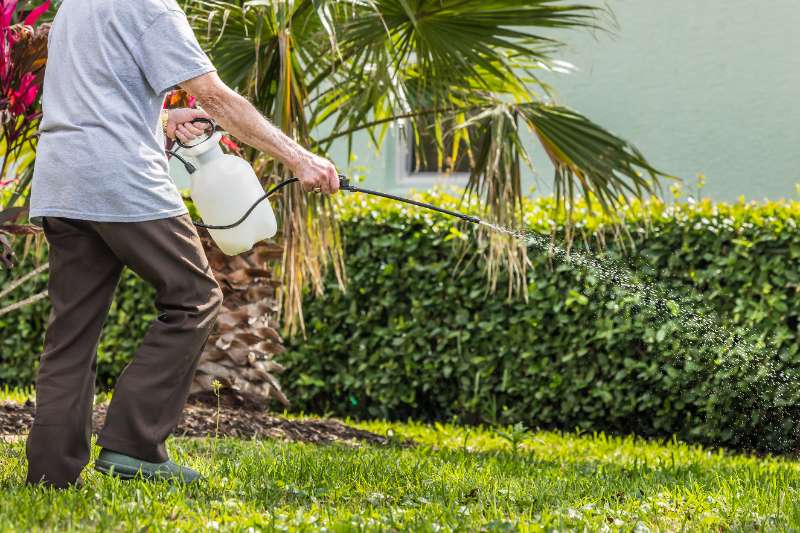
With Jacksonville’s mild winters, spring weeds often show up just as your grass is starting to grow. Act early and use a mix of strategies. Here are the most effective ways to stay ahead of them:
Apply a pre-emergent herbicide in late winter or early spring to block seeds like crabgrass from sprouting. If you missed that window, an early spring application can still help with late-germination weeds.
To get rid of existing weeds in small patches, hand-pull them, making sure to get the roots. For widespread growth, use a post-emergent herbicide designed for your turf, and expect to reapply if needed.
See Related:
— How to Prevent Weeds from Growing in Your Lawn
— How to Identify and Control Chickweed in Your Florida Lawn
9. Watch for and Get Rid of Lawn Pests
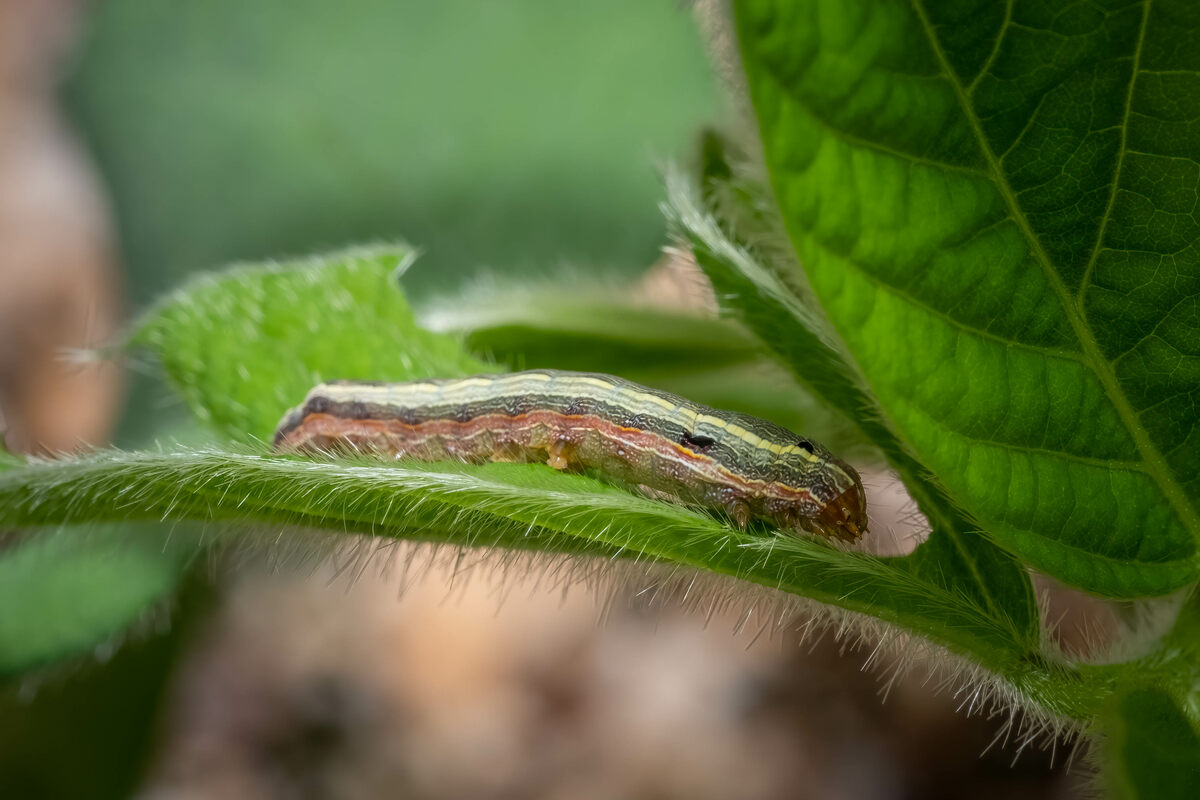
Spring in Jacksonville doesn’t just wake up your grass; it also wakes up the bugs. Here are the main pests to watch for:
- Chinch bugs: Common in St. Augustinegrass, they create yellow-brown patches in sunny, dry spots.
- Mole crickets: Tunneling pests that damage roots and create spongy, uneven areas.
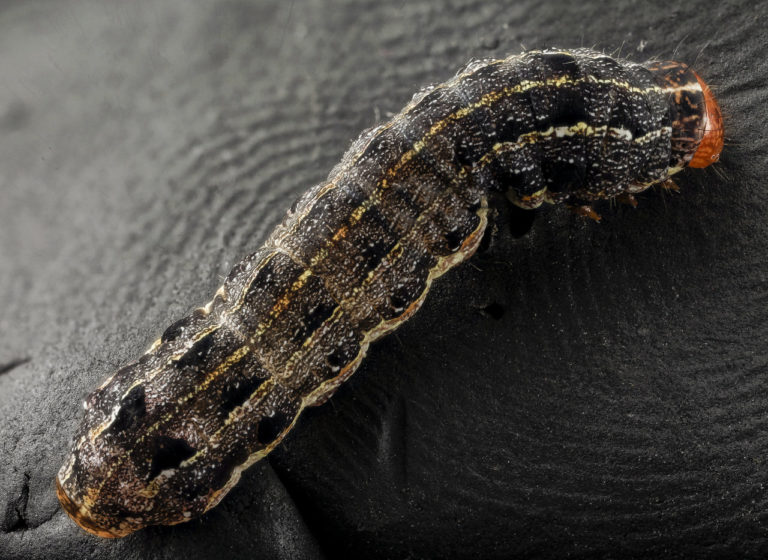
- Sod webworms and armyworms: These caterpillars chew grass blades and can spread quickly.
- White grubs: Heavy infestations eat roots, leaving grass that wilts and pulls up easily.
- Fire ants: Their mounds can get quite large and unsightly, and their stings are very painful.
See Related:
— How to Get Rid of Chinch Bugs
— How to Get Rid of Mole Crickets
— How to Get Rid of Sod Webworms
— Lawn Grubs: How and When to Kill Them
— How to Get Rid of Fire Ants
10. Seed Bare Spots
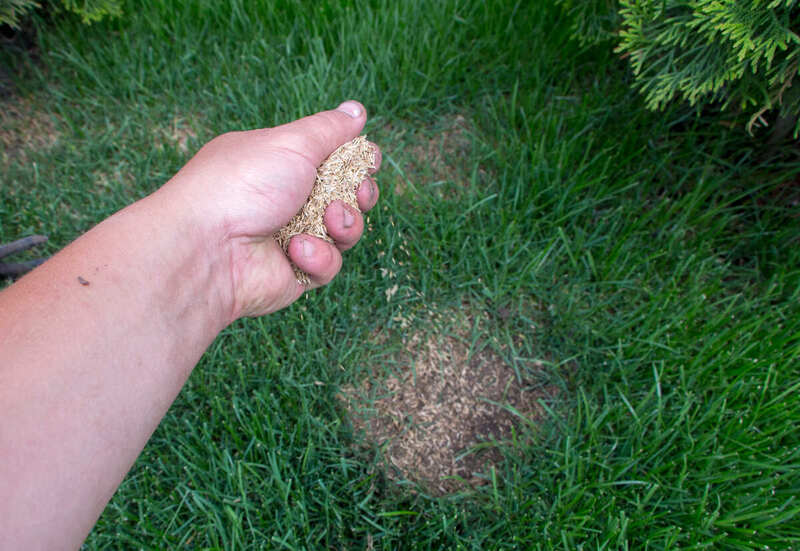
The best way to fill in bare spots is to throw more seed. Wait for soil temperatures to reach about 70 degrees and be sure to keep the seeds moist until they germinate and take root.
See Related:
— When to Overseed in Spring
DIY or Hire a Pro for Spring Lawn Care
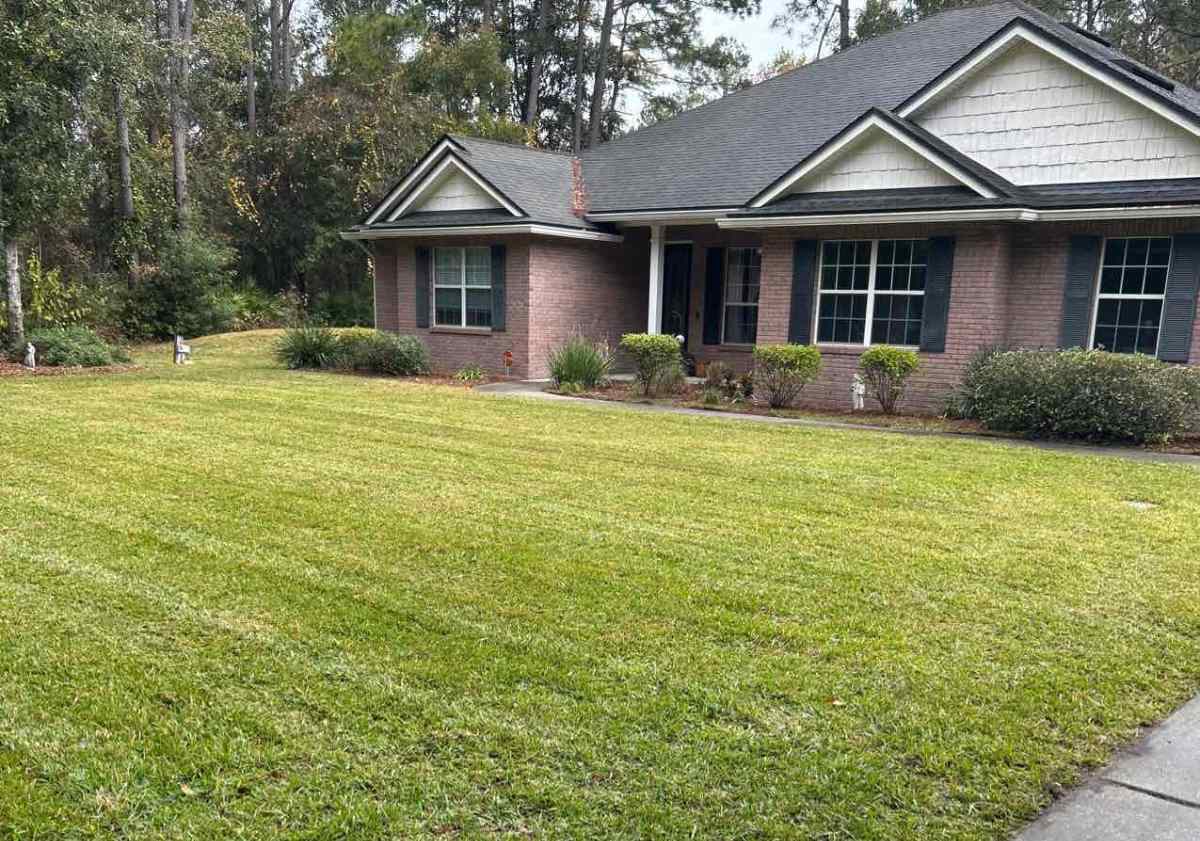
Spring is a time for growth and recovery. Following these tips can help your Jacksonville lawn bounce back from dormancy and become lush and beautiful again.
If spring lawn care gets too overwhelming, hire a local LawnStarter lawn care pro. Life is hard. Taking care of your Jacksonville yard shouldn’t be. Booking a Jacksonville lawn care pro takes just a few clicks or a quick call to Customer Service.
We have local lawn care pros all over the greater Jacksonville area, including Fernandina Beach, Orange Park, and Fleming Island. Hire a local LawnStarter pro and get back that time you would have spent in your yard on weekends.
Read Next:
— Summer Lawn Care Tips for Jacksonville
— Fall Lawn Care Tips for Jacksonville
— Winter Lawn Care Tips for Jacksonville
Main Image: Lawn mowed by a LawnStarter pro in Jacksonville, Florida. Photo Illustration by Amy Stenglein / LawnStarter
Related Posts: