| Key Takeaways |
|---|
| • Wait to prune: Prune cold-damaged plants once the risk of frost has passed. • Help injured plants recover: Water dry, unfrozen soil and add a layer of organic mulch. • Use the scratch test: Scratch the bark on woody stems to find live green tissue before cutting anything back. |
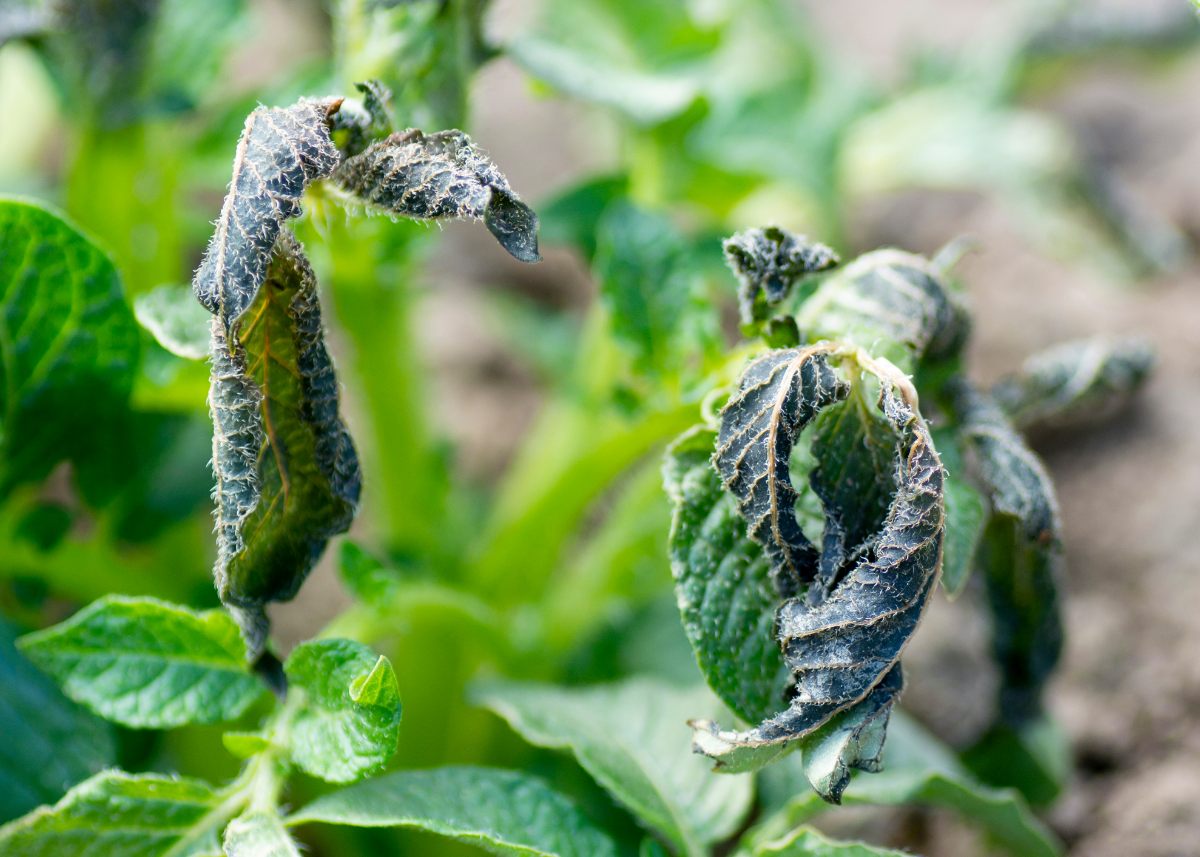
To treat cold-damaged plants, assess the damage, wait to prune until the risk of frost is over, water dry soil, and add mulch. Then monitor your plants for new growth and disease.
For this article, we spoke with 2 Extension experts who explain how to identify cold damage, when to prune, and how to tell whether your plants will recover.
Saving cold-damaged plants takes patience, careful timing, and the right pruning cuts. If you would rather stay warm indoors, LawnStarter’s landscaping services can handle the work for you.
How to Treat Cold-Damaged Plants
Treating cold-damaged plants comes down to patience. Confirm the damage, leave dead tissue in place until frost risk passes, water and mulch the soil, then prune back to healthy tissue once new growth appears.
| Step | When to Do It | Why It Helps |
| 1. Identify signs of cold damage | Right after the freeze | Separates cold injury from other plant stress |
| 2. Hold off on pruning | Until the risk of frost passes | Dead leaves insulate the plant |
| 3. Water dry soil | Once the soil thaws | Injured plants need moisture to recover |
| 4. Spread organic mulch | When temperatures rise steadily | Protects roots and feeds the soil |
| 5. Prune dead tissue | When new spring growth appears | Removes dead wood without hurting live tissue |
| 6. Watch for other problems | Through spring | Catches root damage and disease early |
1. Identify Signs of Cold Damage
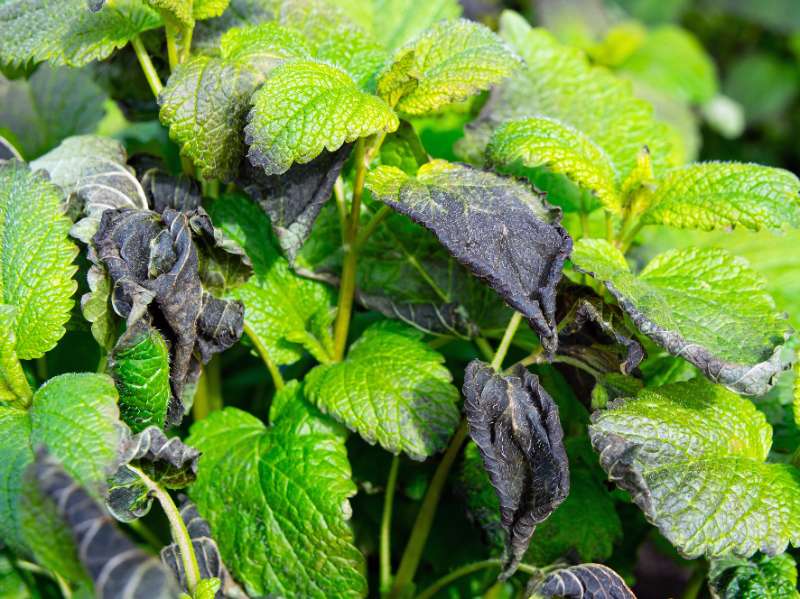
First, figure out what kind of problem you’re dealing with. Cold damage typically “occurs quickly and after a period of low temperatures that cause damage to the plant,” says Lauren Goldsby, an Extension agent with the University of Florida Extension office in Bay County, Florida.
“The extent of the damage depends on how cold it gets and how long the event lasts,” Goldsby says.
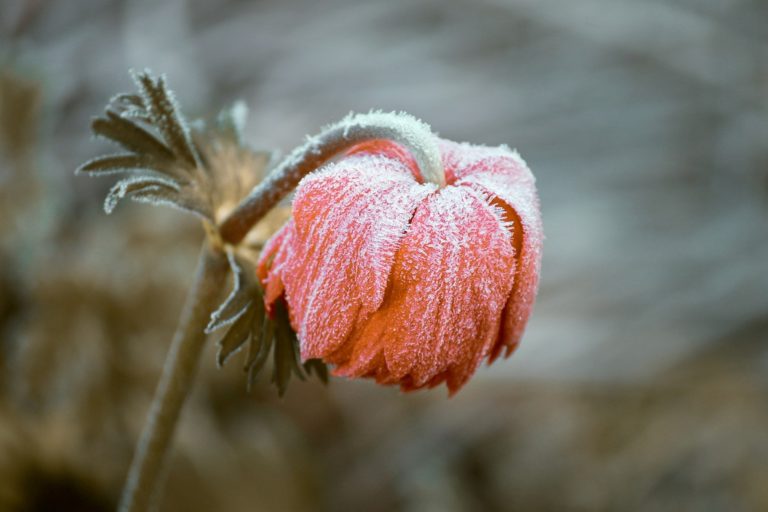
Signs of cold damage include “blackened, wilted, translucent, or water-soaked leaves shortly after a freeze. Cold damage is often limited to exposed plant parts or new growth,” explains Karen Mitchell, consumer horticulture Extension specialist at Purdue University in West Lafayette, Indiana.
Other signs of frost damage on plants include:
Split or cracked bark
Distorted and falling leaves
Mushy stems
Mitchell also explains that “other types of stress, like drought, disease, or nutrient deficiency, develop more gradually, and the symptoms are more evenly distributed across the plant.”
2. Don’t Prune Right Away
Put the shears down for now. “Do not prune frost-damaged plants until the risk of freeze is over,” Goldsby warns. Mitchell adds that you should “wait until the new growth appears in spring to assess the extent of cold damage.”
There is one exception. Goldsby says that “if the cold damage has left soft tissue that is rotting, you can remove that.”
Soft annuals that collapse into mush after a freeze fall into this category, since that tissue is already rotting.
But why is it important to wait? “Dead or damaged leaves serve as protection for the plant throughout the rest of the winter. Pruning after cold damage can also encourage the plant to start growing before it is safe to do so,” Goldsby says.
“Leave the damaged tissue on until after the risk of frost has passed,” she says.
3. Water Dry Soil
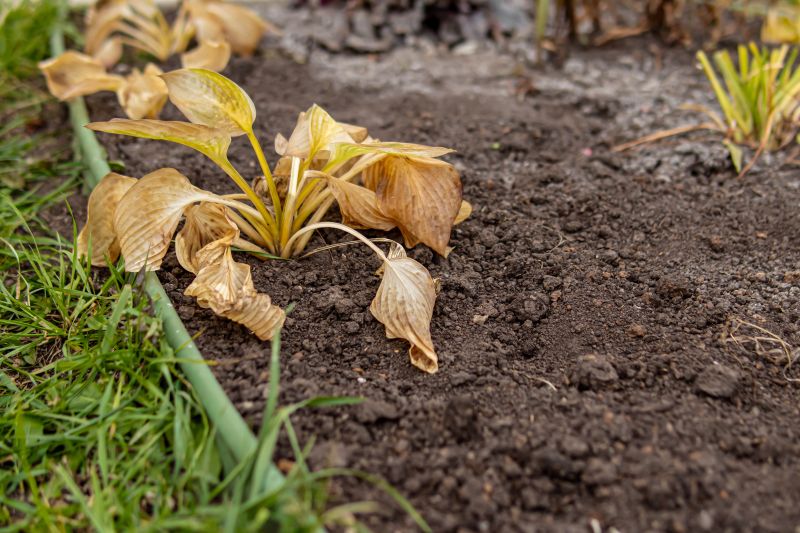
Injured plants need water to recover. After the freeze, check your soil for dryness and see whether it is frozen. Frozen soil keeps water from reaching your plants, which can dry them out.
If the risk of frost has passed, lightly water the area to help defrost the soil and hydrate your plants.
Wait until the sun comes out in late morning or early afternoon, then water the soil slowly and deeply. Avoid wetting the plants’ stems, flowers, or leaves.
Once you see signs your plant is recovering, resume your regular watering schedule.
4. Spread Organic Mulch
Spread mulch over your soil once the risk of frost has passed and temperatures start to rise steadily again. Check the soil first: It is important that the soil is not frozen when you spread the mulch.
Use organic mulch, as it nourishes the soil with organic matter as it decomposes. Spread a moderate layer over the soil, keeping it pulled back from stems and trunks.
See Related:
— How to Mulch Your Yard in 4 Steps
— How Deep Should Mulch Be?
5. Prune Dead Plant Tissue
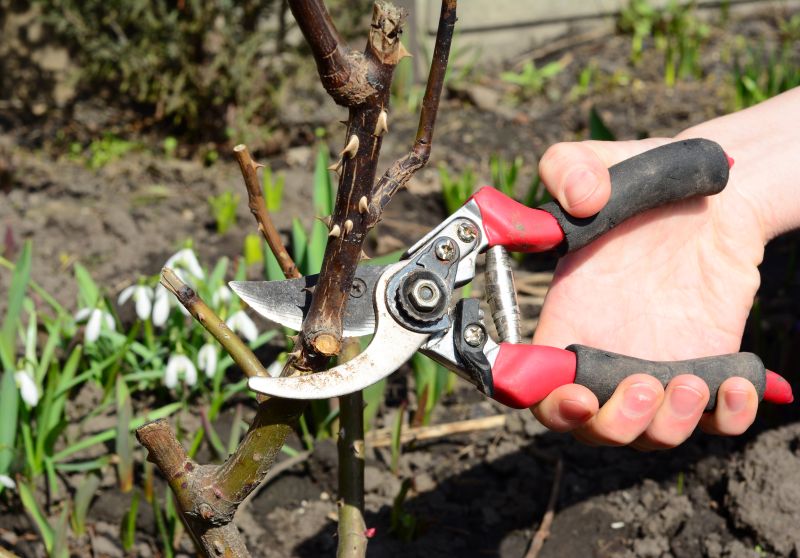
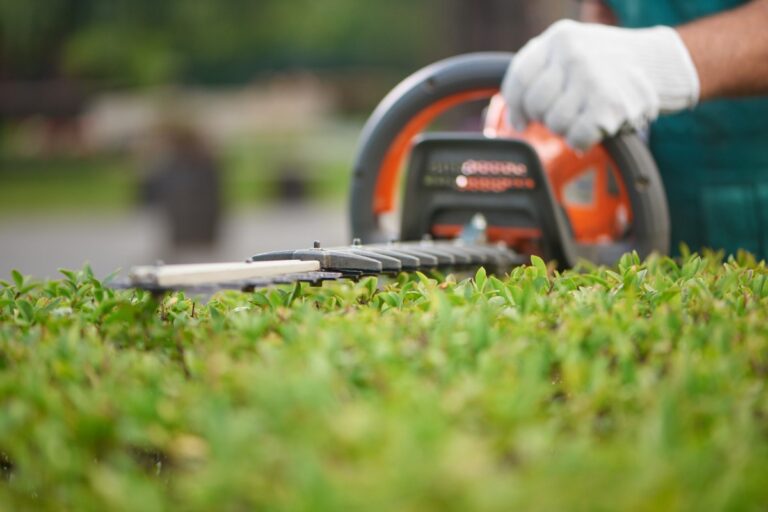
Once the risk of frost has passed and you see early spring growth, you can finally remove the dead material. Some plants shed dead leaves on their own. If yours haven’t, prune them with good-quality pruning shears.
If you start to see new growth, “you would probably cut off any damaged growth that you have,” says Jo Ellen Meyers Sharp of The Hoosier Gardener in Indianapolis, Indiana.
Before snipping off twigs that look dead on shrubs and trees, follow this advice from Mitchell: “For woody plants, use the scratch test to evaluate the damage. Lightly scratch the bark, and if you see a thin layer of green tissue, that branch is still alive.”
The scratch test shows you where the damage ends and the healthy tissue begins. Cut back to the point where you find green tissue.
See Related: How to Trim Bushes: Simple Guide for Homeowners
6. Keep an Eye Out for Other Problems
Be patient and monitor your plants to see if they recover. Some show new growth early in spring, while others take longer.
If a plant isn’t growing as it should or isn’t absorbing water normally, it may have root damage. Also watch for root rot or other diseases that overwintered in your plants and show up in early spring.
Possible disease symptoms to watch for in spring:
Darkened or mushy roots
Spots on leaves
Powdery or fuzzy patches on leaves, stems, or buds
See Related: How to Protect Trees From a Freeze
Will Cold-Damaged Plants Recover?
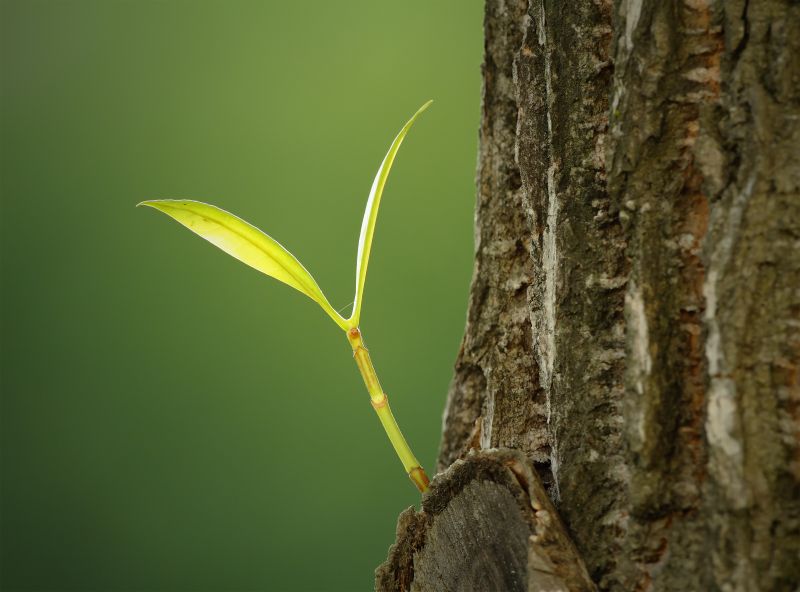
Many cold-damaged plants do recover, especially established trees and shrubs. Whether yours will depends on the type of plant, how cold it got, and how long the cold lasted.
Most healthy, established trees and shrubs rebound within weeks of freeze damage by producing new growth. Leaves killed by the cold usually drop off before new leaves emerge.
Damage to larger branches and trunks takes longer to show. Signs of tree freeze injury may not appear for up to 4 months, so wait until spring to judge woody plants.
Signs a plant will likely recover:
New buds or shoots in spring
Green tissue under the bark when you do the scratch test
Signs a plant is likely dead:
No green tissue under the bark anywhere on the plant
No new growth by late spring
If a plant shows no signs of life by late spring, replace it with a variety that is hardy in your area.
See Related: How to Save a Dying Tree
FAQs
Yes, but only after the risk of frost has passed. Fertilizing too early can encourage new growth before cold weather is gone, so wait until spring.
Frost forms when ice crystals develop on leaf surfaces and usually causes only minor damage. The key difference in frost versus freeze events is that a freeze drops the air and the inside of the plant below 32 degrees, freezing plant cells and turning tissue brown or black.
Native plants typically recover on their own after cold damage since they are hardy in that area. However, if you experience unusually cold temperatures for your region, even native plants might be damaged or killed.
If they appear damaged, treat them for cold damage as you would any other plant. If they were killed by the unusually cold temperatures, replace them in the spring.
When to Call a Professional
If you’re still unsure how to examine and treat your cold-damaged plants, consider calling a local lawn care provider. LawnStarter’s bush trimming service can prune your woody plants once the risk of frost passes. Our landscaping service can also spread a fresh layer of organic mulch to protect and feed the soil.
Read More:
— How to Repair Winter’s Damage to Your Lawn
— Common Types of Tree Fungus
Sources:
Karen Mitchell, consumer horticulture Extension specialist at Purdue University, West Lafayette, IN. Personal interview.
Lauren Goldsby, commercial and environmental horticulture agent at the University of Florida IFAS Extension, Panama City, FL. Personal interview.
Main Image: Frost-damaged leaves curling among healthy green growth. Photo Credit: Stefan / Adobe Stock
Related Posts: