Tired of pulling weeds every weekend? Pre-emergent herbicide stops weeds before they start, creating an invisible barrier in your soil that prevents weed seeds from sprouting.
The catch? Timing is everything. Apply too early or too late, and you’ve wasted your time and money. Apply at the right time, and you’ll prevent most weeds from ever appearing in your lawn.
This guide explains what pre-emergents are, how they work, when to apply them, and which products actually work.
Don’t want to worry about timing? LawnStarter’s lawn treatment pros apply pre-emergent herbicide at exactly the right time for your area. We create a weed barrier so you never see crabgrass, dandelions, or other weeds in the first place. Get a free lawn treatment quote and take weed control off your to-do list.
| Key Takeaways: |
|---|
| ● Pre-emergent herbicides prevent weeds from sprouting above the soil. ● You need both spring and fall applications, which last 8-12 weeks. ● Apply BEFORE weeds sprout. Once you see weeds, it’s too late for pre-emergent. |
What is Pre-Emergent Herbicide?
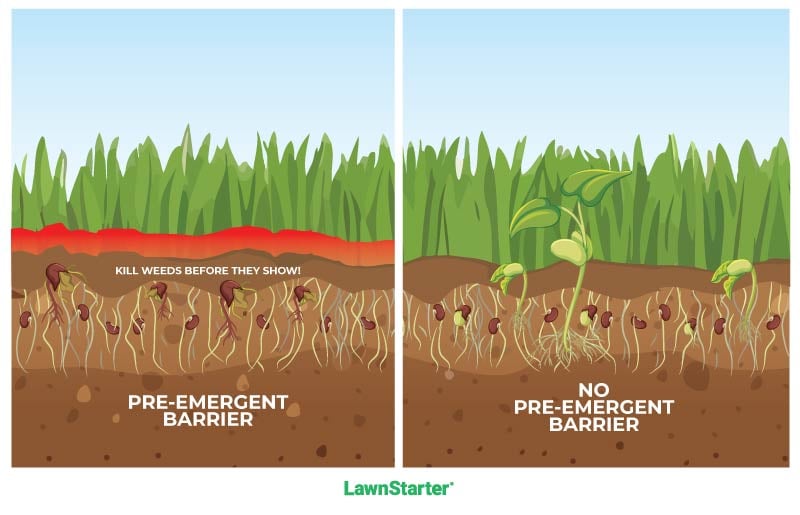
Pre-emergent herbicide is weed prevention — it stops weeds before they grow above the soil. Think of it as an invisible shield that prevents weed seeds from sprouting.
Key differences:
- Pre-emergent prevents weeds from sprouting (apply before you see weeds).
- Post-emergent kills weeds already growing (apply after you see weeds).
Why it matters: It’s much easier to prevent 100 weeds than to kill 100 weeds. Pre-emergents save you countless hours of weeding and keep your lawn looking clean all season.
How Does Pre-Emergent Work?
When applied to soil, a pre-emergent herbicide creates a chemical barrier just below the surface. This barrier disrupts weed seed germination by stopping either roots or shoots from growing, or sometimes both.
Either way, the weed dies before you ever see it. Most pre-emergents work for 8-12 weeks (check product label). That’s why you need both spring and fall applications for year-round weed prevention.
Pre-emergents ONLY work on seeds that haven’t sprouted yet. Once you see a weed growing, it’s too late — you’ll need a post-emergent weed killer instead.
See Related: How to Apply Pre-Emergent Herbicides
When to Apply Pre-Emergent
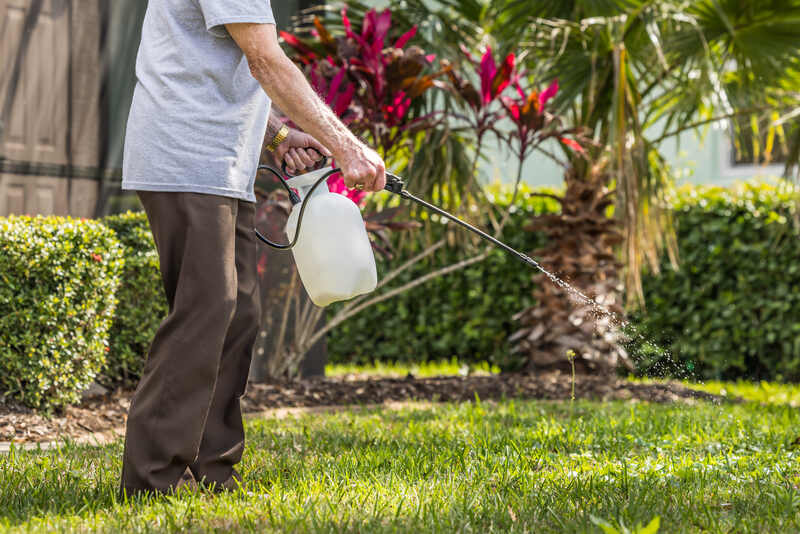
Applying pre-emergents at the wrong time wastes money and leaves weeds everywhere in your yard. Herbicides that are applied too early may break down before they have a chance to stop weed seeds from germinating, but herbicides that are applied too late won’t have any effect at all.
Knowing when to apply pre-emergent herbicide helps you time your spring and fall applications just right.
Spring application: To prevent summer weeds, apply when the soil temperature reaches 50-55 degrees F. This is typically late February through April, depending on your location.
What spring application prevents:
- Crabgrass
- Dandelions
- Foxtail
- Ragweed
- Spurge
- Sandbur
Fall application: To prevent common winter weeds, apply pre-emergents when the soil temperature drops to 70 degrees F. This is typically late August through September.
What fall application prevents:
- Poa annua (annual bluegrass)
- Chickweed
- Henbit
- Persian speedwell
- Cheatgrass
Both spring and fall application: Some weeds need both spring and fall treatment, such as clover and spurge, so for complete control, apply pre-emergent in both spring and fall.
See Related:
- How to Kill Winter Weeds
- How to Get Rid of Crabgrass in Your Yard
- How to Get Rid of Dandelions
- How to Get Rid of Chickweed
- How to Get Rid of Cheatgrass
Types of Pre-Emergent Herbicides
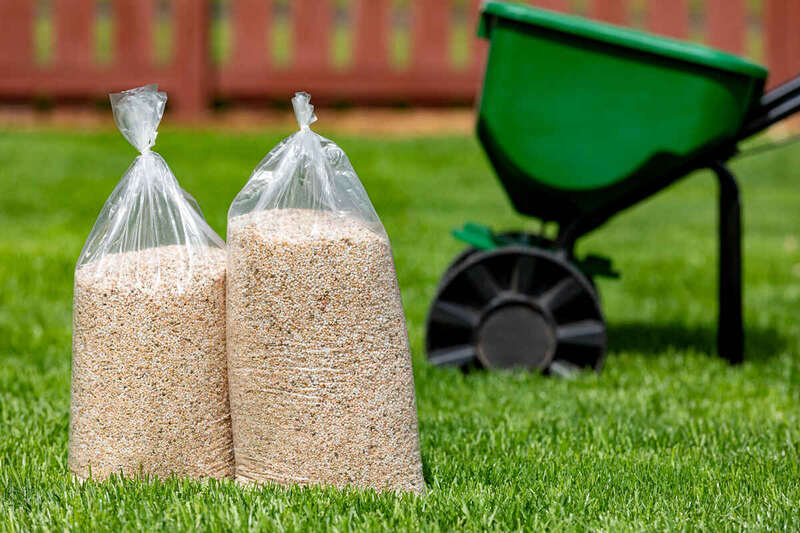
Pre-emergent herbicides come in liquid or granular form, each with its own pros and cons.
Below is a chart showing the differences between them, which can help you decide which type of pre-emergent herbicide is best for you.
| Pros | Cons | |
| Liquid Pre-Emergents (Best for pros) | ✓ Spreads evenly ✓ Works faster than granular ✓ Better coverage | ✗ Must mix with water before applying ✗ Requires sprayer equipment ✗ More preparation time |
| Granular Pre-Emergents (Best for homeowners) | ✓ Easy to apply with a spreader ✓ No mixing required ✓ Longer shelf life ✓ Often combined with fertilizer | ✗ Works slower (needs water to activate) ✗ Less even coverage ✗ Limited to where the granules land |
Selective vs. Non-Selective Pre-Emergents
Selective pre-emergent herbicides prevent weeds without harming grass or most ornamental plants. They’re best for lawns, flower beds, and around shrubs and trees. Most homeowners use selective herbicides to prevent weeds.
Common selective pre-emergent ingredients:
- Prodiamine
- Pendimethalin
- Dithiopyr
- Benefin
Non-selective pre-emergents prevent ALL seeds from germinating — weeds AND desired plants.
Non-selective pre-emergents are best for areas where you want nothing to grow. Use these herbicides only in specific situations.
Warning: Never use non-selective pre-emergents on your lawn, or you’ll prevent grass from growing.
How to Choose the Right Pre-Emergent
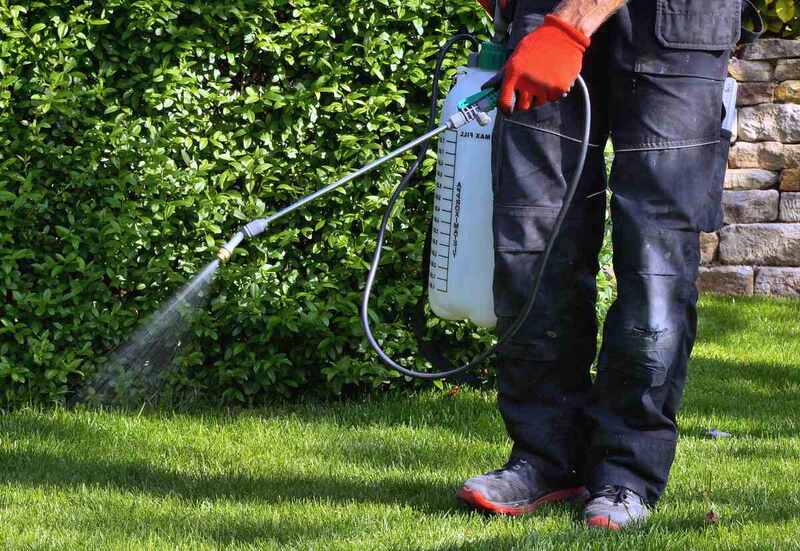
With so many herbicide products available on the market, it’s difficult to know which one is right for your yard.
Here are some factors you should consider:
- Lawn size
- Type of weeds you have
- Equipment you have
- How much time you have for prep work
- Organic vs. chemical
See Related: Organic Herbicides: A Comprehensive Guide
Best Pre-Emergent Products
Determining the best pre-emergent product depends on the types of weeds growing in your yard, the type of herbicide you prefer (synthetic vs. organic/granular vs. liquid), and your grass type, among other considerations.
To help you find the right pre-emergent product for your yard, here is a list of selective, granular herbicides you can use to prevent weeds in your lawn:
- Best for crabgrass prevention: Scotts Halts Crabgrass & Grassy Weed Preventer
- Best organic option: Espoma Organic Weed Preventer
- Best for Bermudagrass lawns: The Andersons 0.48% Barricade
- Best for landscapes: Preen Extended Control Weed Preventer
- Best combination (weed control + fertilizer): Jonathan Green Crabgrass Preventer plus Green-Up
Some homeowners might prefer a liquid pre-emergent herbicide over broadcasting a granular herbicide. The best liquid pre-emergent is BioAdvanced Season Long Weed Control for Lawns.
Pro Tip: To prevent crabgrass, look for products with prodiamine, pendimethalin, or dithiopyr as the active ingredient.
See Related:
- When and How to Apply Crabgrass Preventer
- Read Your Weeds: Identify Them to Learn About Your Lawn’s Health
FAQ About Pre-Emergent Herbicides
Wait 1-2 days after application. If you need to mow, do it before applying pre-emergent.
No. Pre-emergent prevents all seeds from germinating, including grass seed. Wait 12 weeks after applying pre-emergent before overseeding, or overseed first and wait 6-8 weeks before applying pre-emergent.
Usually 24 hours, but check the product label. Keep children and pets away until you’ve watered it in (for granular) or until dry (for liquid).
Let LawnStarter Handle Weed Prevention
Pre-emergent success requires:
- Monitoring soil temperatures
- Applying at exactly the right time
- Choosing the right product for your grass type
- Applying evenly
- Reapplying at proper intervals
Miss any of these, and you’ll spend your summer pulling weeds.
LawnStarter’s lawn treatment pros:
- Apply pre-emergent at optimal timing for your area
- Use professional-grade products
- Create complete weed barrier coverage
- Include pre-emergent in comprehensive lawn treatment plans
- Guarantee weed prevention results
Get a free quote for weed control →
Stop weeds before they start. Let pros handle the timing so you never see weeds in the first place.
Read More:
Sources:
- “Lectures 5 & 6: Preemergence Herbicides.” Joe Neal, professor of weed science and Extension specialist. NC State Extension.
- “Pain in the Grass: Crabgrass.” By Erin Hill, weed science diagnostician, and Kevin Frank, turf Extension specialist. Michigan State University.
- “Preemergence Herbicides for the Home Lawn.” By Becky Grubbs, assistant professor and Extension turfgrass specialist. Texas A&M AgriLife Extension.
Main Image: Liquid pre-emergent herbicide spray. Image Credit: Kritchai / Adobe Stock