| Key Takeaways |
|---|
| • Tree fungus spreads through air, water, soil, tools, and insects, and stressed or wounded trees are the most vulnerable. • Early signs include discoloration, wilting or dropping leaves, abnormal growths, cankers, and oozing bark. • Many fungal diseases have no cure, so prevention through proper watering, pruning, and prompt arborist help is your best defense. |
Your favorite tree can be a hard thing to lose. With a little know-how, you can protect it from the many common types of tree fungus before a disease takes hold.
Below, we cover 10 common fungal diseases, such as anthracnose, thousand cankers, and powdery mildew, how to spot them, and when to call an arborist.
When you would rather leave it to a professional, LawnStarter’s tree care pros can take a look.
What Are Signs of a Tree Fungal Disease?
The most common signs of a tree fungal disease are discoloration, wilting or dropping leaves, abnormal growths, sunken cankers, and oozing or discolored bark.
Different fungal diseases cause different symptoms, so watch for anything out of the ordinary. If something looks wrong, it’s a good reason to call a certified arborist.
Fungal disease symptoms may include:
Abnormal growths
Wilting or falling of leaves or needles
Discoloration
Depressions in the wood
Scabs in fruits
See Related: 13 Signs Your Tree is Dying
How Do Trees Get Fungus?
Trees are exposed to fungal spores in many ways. Minuscule spores travel from tree to tree through:
Air
Splashing water
Contaminated tools
Soil
Insects
Once spores land on your tree, they may penetrate the wood, fruit, or leaves, through open wounds or none at all. Trees stressed by drought, winter injury, or vandalism are the most vulnerable.
How do you protect your tree? Make sure it has enough moisture and nutrients in the soil, is properly pruned, and gets plenty of sunlight.
See Related: Best Disease-Resistant Trees
Types of Fungal Diseases in Trees
Various kinds of fungus can grow on trees and can cause symptoms such as yellowing leaves, thinning foliage, root rot, and reddish ooze flowing down the bark. To help you identify some of the most common types of fungus on trees, we’ve compiled a list of these top 10 below:
| Fungal Disease | Commonly Affected Trees | Typically Fatal? |
| Thousand cankers disease | Black walnut | Yes, ultimately fatal |
| Phytophthora root rot | Firs, Douglas-firs, spruces, pines | Yes |
| Hypoxylon canker | Oak | Yes, often within 1 to 2 years |
| Phytophthora bleeding canker | Beech, maple, oak, dogwood | Not usually |
| Cytospora canker | Apple, poplar, spruce, willow, peach | Sometimes |
| Anthracnose | Deciduous hardwoods | Rarely |
| Powdery mildew | Ash, maple, dogwood, lilac, oak | Rarely |
| Shot hole | Peach, cherry, plum, apricot, almond | Damages buds and leaves |
| Verticillium wilt | Redbud, maple, smoke tree | Yes, sometimes in one season |
| Sooty mold | Many deciduous and evergreen trees | Rarely |
1. Thousand Cankers Disease
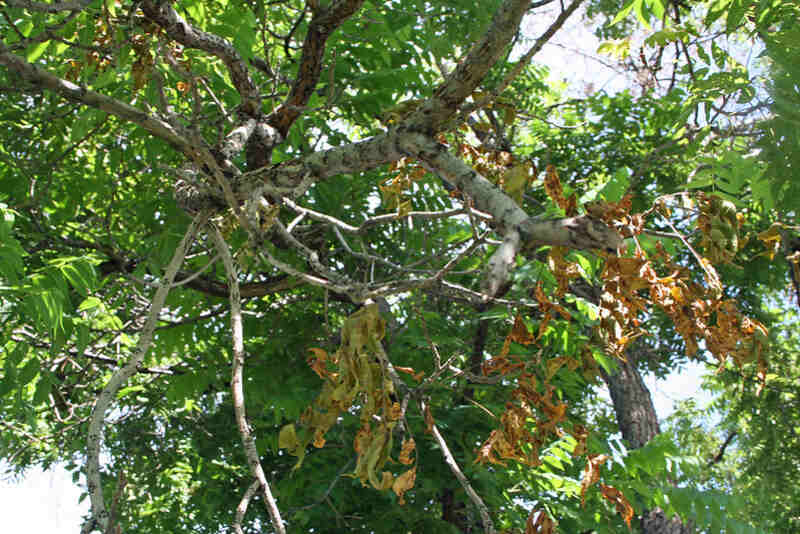
Trees affected: Black walnut trees are highly susceptible.
Symptoms: Look for cankers, yellowing leaves, and thinning foliage. Cankers can girdle and kill limbs and may bleed a dark ooze that stains the bark.
Causes: Walnut twig beetles carry the fungus Geosmithia morbida, the cause of thousand cankers disease, and form cankers as they tunnel into the bark. Over time, the cankers cut off water and nutrients and kill the tree.
Season: Symptoms usually appear in summer, starting with yellowing and thinning in the upper crown.
Treatment: There is no cure for thousand cankers disease, but here is what to do:
Remove or burn all infested woodpiles in the winter months.
Help prevent tree stress by providing proper irrigation and fertilization.
Promptly remove and destroy dead or dying walnut wood to reduce beetle numbers.
Risk: Once symptoms appear, the tree usually declines within a few years, and the disease is ultimately fatal to nearly all black walnuts.
2. Phytophthora Root Rot
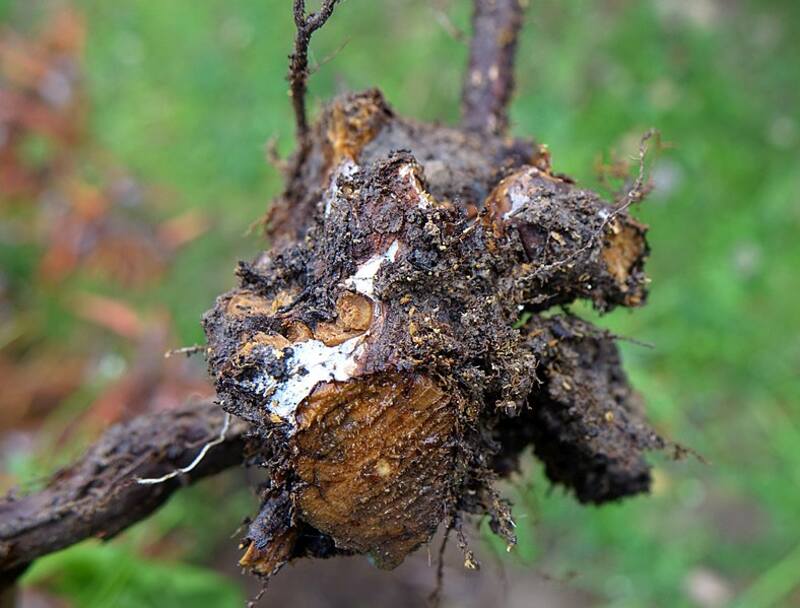
Trees affected: True firs, Douglas-firs, spruces, and eastern white pines are highly susceptible. Some fir species, such as Turkish and Momi, show some tolerance.
Symptoms: Reddish-brown needles and dieback are common, along with stunted growth, needle loss, root decay, or bleeding cankers.
Causes: This soil-borne disease spreads through water in or on the soil, and its spores can survive in the ground for years. New infections occur when temperatures exceed 59 degrees.
Treatment: There are no treatments once a tree is infected, so focus on prevention:
Buy and plant only healthy seedlings from a registered grower.
Do not plant in a field known to be infected.
If your nursery plants have reddish-brown roots or other symptoms, do not plant them.
Avoid over-fertilizing or overwatering your trees.
Risk: Phytophthora root rot is lethal to your tree.
3. Hypoxylon Canker
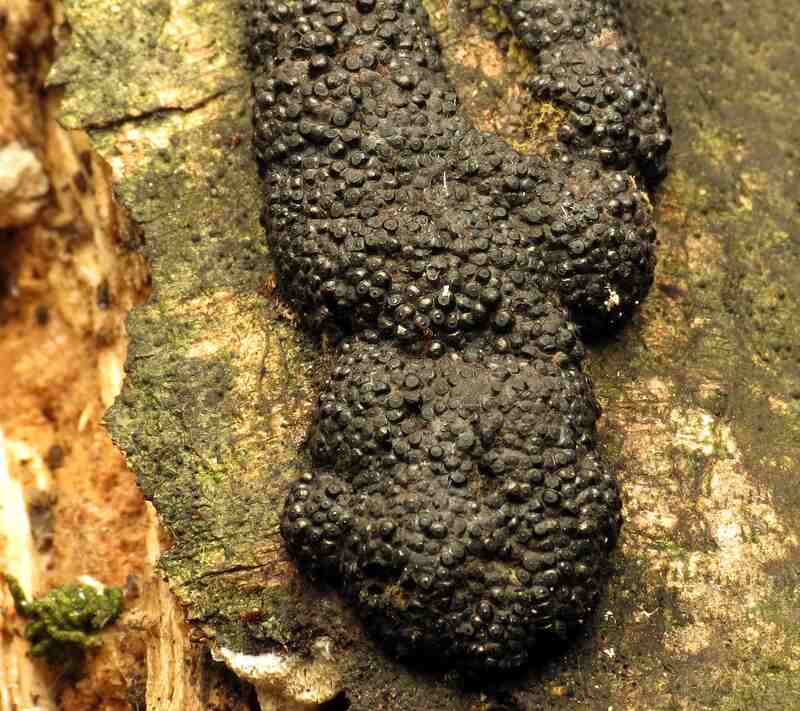
Trees affected: Oak trees are the most common hosts of this disease.
Symptoms: Hypoxylon canker appears as a dead lesion on limbs, branches, and trunks, just under the bark. Leaves yellow or brown, twig growth slows, and branches die. As the tree declines, bark falls off to reveal a hard fungal crust called a stroma.
Causes: The fungus Hypoxylon atropunctatum enters through wounds and decays the sapwood, targeting trees already stressed by drought or injury.
Treatment: There is no effective control. The Oklahoma Cooperative Extension Service recommends removing or burning trees with more than 15% of the crown area infected. Do not leave a stump behind, since the stroma may remain on the wood.
Prevention: Keep trees healthy with adequate fertilization and water year-round.
Risk: A large tree may die within one to two years. If that happens, you’ll need a professional tree service for tree removal.
See Related: How Much Does Tree Removal Cost?
4. Phytophthora Bleeding Canker
Trees affected: European beech is the most common host, along with maple, American beech, birch, magnolia, dogwood, oak, horse chestnut, and walnut.
Symptoms: The disease kills the tree’s bark and outer sapwood. Reddish-brown sap oozes from cankers and stains the bark, and infected bark looks water-soaked while the inner sapwood turns brown, orange, pink, or blueish-green.
Causes: Several Phytophthora species thrive in wet soil, and splashing rain carries spores to the lower trunk, where they infect through wounds.
Treatment: Phosphite is effective against Phytophthora, according to the University of Massachusetts Amherst. Avoid bark injuries near the soil line, and keep a thick layer of mulch around the base to block soil spores. Avoid planting in wet, saturated soils.
Risk: Phytophthora bleeding canker may not pose a serious threat to your tree.
See Related: Oak Tree Diseases: How to Treat Them
5. Cytospora Canker
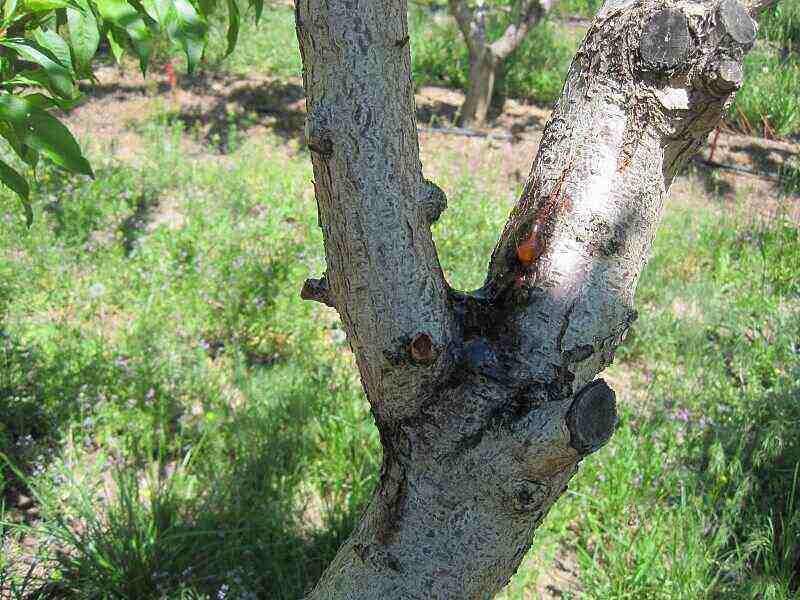
Trees affected: Cytospora canker affects apple, aspen, birch, cherry, cottonwood, honeylocust, Lombardy Poplar, mountain ash, peach, plum, Siberian elm, silver maple, spruce, and willow. Some species are host-specific.
Symptoms: Yellow, orange-brown, or black discolored areas appear on the bark, along with sunken cankers and black, pinhead-sized pimples. Dead bark may fall off in large pieces.
Causes: Various Cytospora fungi attack injured or stressed trees, and the pimples on the cankers are the fungus’s reproductive structures.
Treatment: Prevent tree stress, and prune only in dry weather with clean, sanitized tools. Cut diseased bark back to live, healthy tissue, and let it dry rather than sealing it with paint or a wound dressing.
Risk: Cytospora canker can kill your tree and is most common in trees over 15 years old.
6. Anthracnose
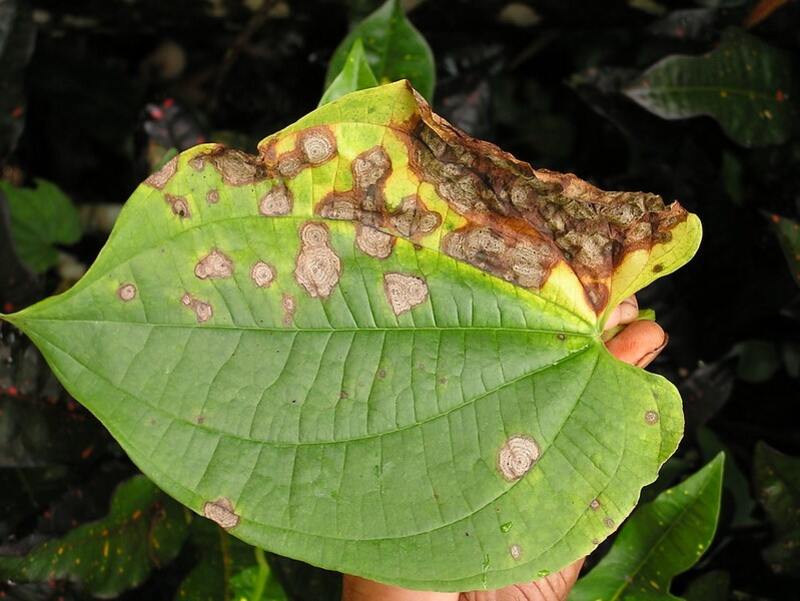
Trees affected: Many deciduous hardwoods are susceptible to anthracnose.
Symptoms: Symptoms of anthracnose are:
Small dead spots on leaves
Dead leaf tips
Dead leaf areas along the veins
Premature defoliation
Twig death from girdling cankers
Causes: Several species of the fungus Apiognomonia overwinter in cankers on twigs and in fallen leaves, then spread by wind to new leaves and twigs.
Season: Anthracnose favors cool weather around 50 to 55 degrees at leaf bud break, whether wet or dry. It is usually mild if daily temperatures average above 60 degrees.
Treatment: Prune and burn dead branches and twigs, and rake and destroy fallen leaves. The PennState Extension recommends protecting trees with fungicides beginning at bud break and repeating weekly or biweekly until daily temperatures are above 60 degrees.
Risk: Anthracnose rarely kills trees but does kill twigs and buds, weakening the tree and leaving it open to other diseases.
7. Powdery Mildew
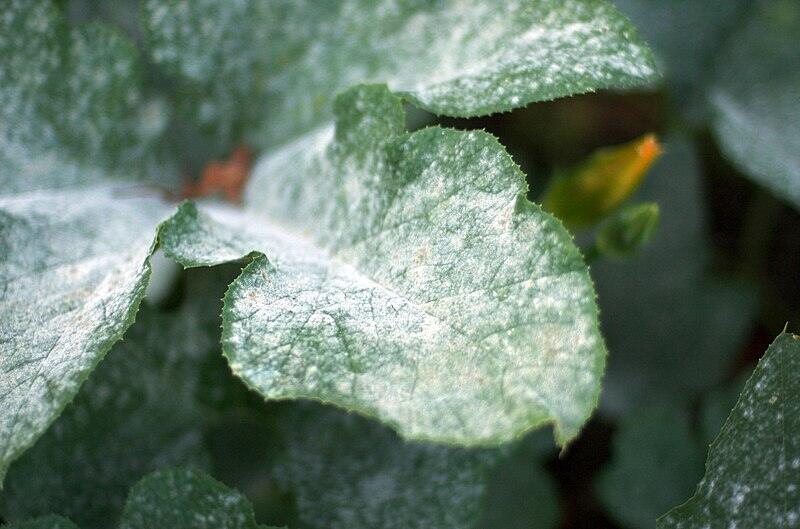
Trees affected: Powdery mildew can affect many trees. The most common include:
Ash
Maple
Basswood
Dogwood
Lilac
Magnolia
Crabapple
Catalpa
Oak
Symptoms: A related group of fungi grows on leaf surfaces, young stems, shoot tips, and buds, coating them with white powdery spores. Infection may cause:
Leaf yellowing
Browning
Distortion
Premature leaf drop
Cause: The fungus overwinters inside buds and spreads by wind in spring to infect new leaves, fruit, and shoots.
Treatment: Treating your tree with a registered fungicide can help control powdery mildew.
Prevention:
Plant susceptible trees in areas with adequate sunlight and good air circulation to reduce moisture.
Prune your plants to ensure air circulation.
When choosing the trees to plant in your yard, consider selecting resistant cultivars.
Risk: Powdery mildew is rarely lethal and mostly affects young trees growing in heavy shade.
Note: Powdery mildew can also be an issue for your lawn.
8. Shot Hole
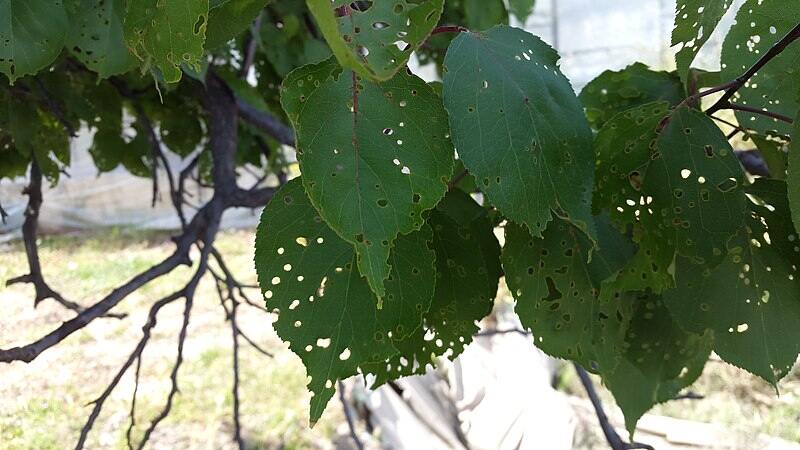
Trees affected: Shot hole fungus affects many fruit trees, including peach, nectarine, apricot, cherry, plum, and almond.
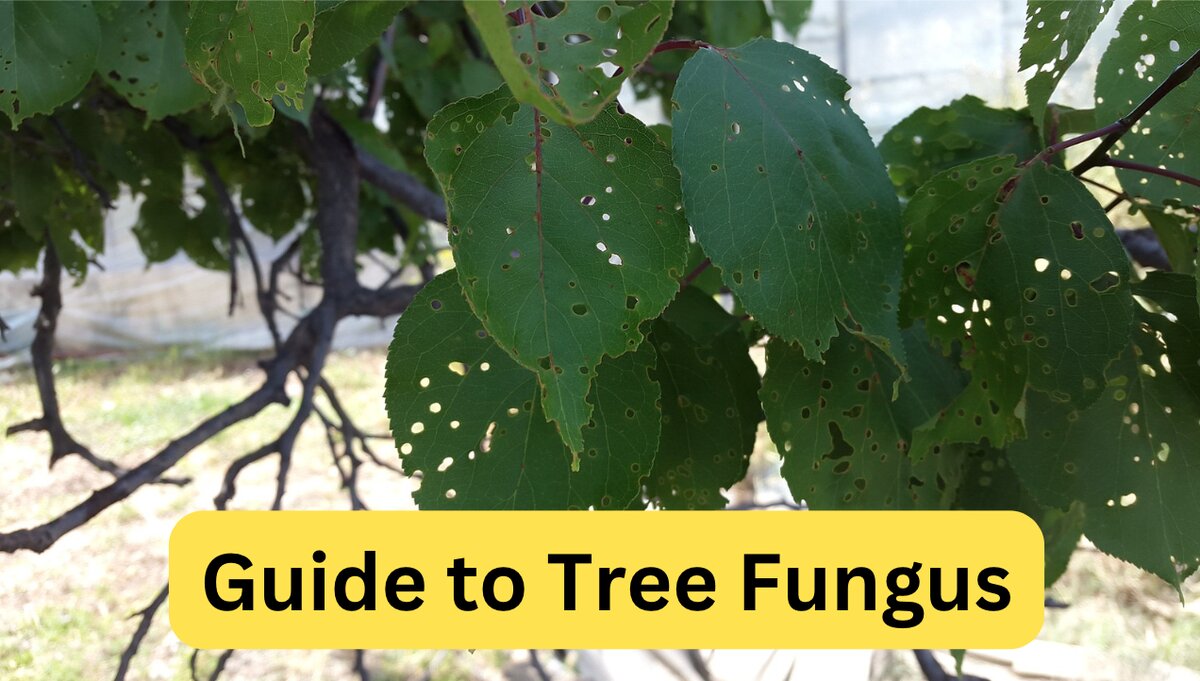
Symptoms: Twigs develop small, purplish-black spots that enlarge, turn brown, and form light centers with tiny dark bumps. Infected leaves develop spots whose brown centers fall out, giving a “shot-hole” look, and foliage often wilts.
Causes: The pathogen Wilsonomyces carpophilus survives on twigs and buds and spreads by splashing rain and wind, thriving in wet conditions.
Treatment: Prune and destroy infected wood, protect buds and twigs with fungicides, and avoid wetting the canopy when you irrigate.
Risk: Shot hole disease often kills your tree’s buds and heavily damages the leaves.
See Related: Peach Tree Diseases: How to Treat Them
9. Verticillium Wilt
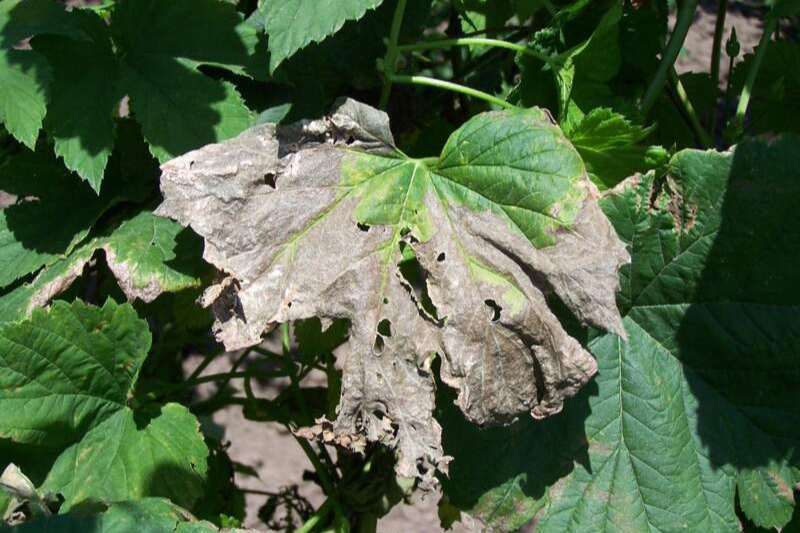
Trees affected: Redbud, hard maple, and smoke trees are especially susceptible, while yews and conifers resist it. More than 300 plant species can be infected by verticillium wilt.
Symptoms: Leaf edges turn yellow, then brown and dry, and branches wilt suddenly, often on just one side of the tree. The wood under the bark of drooping branches often shows discolored streaks.
Causes: The soil-borne fungus Verticillium albo-atrum infects the roots and can survive in the soil for years, especially in trees stressed by drought, poor nutrition, or salt.
Season: Symptoms usually occur in midsummer.
Treatment: Plant resistant species in contaminated soil. To slow the disease, prune affected limbs and give the tree adequate water and fertilizer.
Risk: Verticillium wilt may kill your tree in a single season, or the tree may decline slowly over several seasons.
10. Sooty Mold
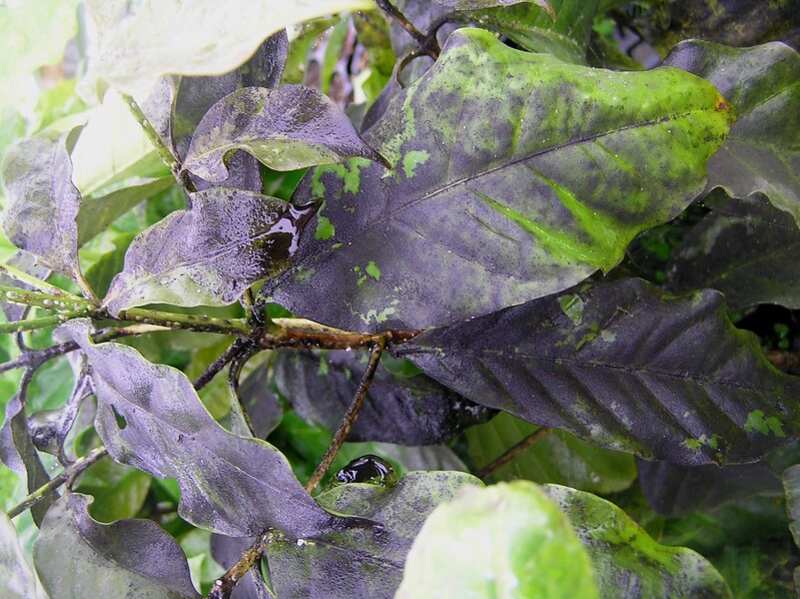
Trees affected: Sooty mold occurs on many deciduous and evergreen shrubs and trees.
Symptoms: A black, charcoal-like fungus coats the surfaces of leaves, fruits, twigs, and branches, feeding on honeydew secreted by aphids, mealy bugs, scales, and whiteflies. On leaves, the coating blocks sunlight and limits food production.
Causes: Sooty mold grows on the sticky honeydew that insects leave behind, unless rain washes it away.
Treatment: Control the insects first. At the first sign of aphids, mealy bugs, or whiteflies, spray the insecticide Malathion. You can wash the mold off, but it returns unless you control the insects.
Risk: Sooty mold usually does little harm, though a heavy coating can starve leaves of the light they need to make food.
See Related: Maple Tree Diseases and How to Treat Them
FAQs
According to the University of Arkansas Division of Agriculture, “Powdery mildew is one of the most common plant diseases and is easily recognized. White spots or patches with a talcum powder appearance characterize this disease.”
Powdery mildew thrives in warm, dry weather, when the plant’s succulent tissue becomes more susceptible to infection.
Sometimes. Leaf diseases like anthracnose and powdery mildew rarely kill an established tree, and it often bounces back with proper care. Root rots, wilts, and cankers are far more serious and frequently fatal, so early action and prevention give your tree its best odds.
Yes, they are called wood decay fungi. They can appear as mushrooms in the soil or near the base of the tree. Shelf-like or bracket-shaped structures, called conks, can also grow on trunks and branches. They often indicate root rot, butt rot, or internal wood decay.
When a tree is wounded from mechanical or storm damage, it can’t fix itself like we do when we get a cut. Instead, it covers the damaged parts with a special tissue called woundwood. This process, called compartmentalizing or walling-off, helps stop various types of fungus on trees from creating further damage.
Call In the Pros
Reach out to one of LawnStarter’s licensed tree care professionals if you suspect your tree may have a fungal disease. It’s essential to have a tree disease taken care of right away. Otherwise, the fungal infection may spread to your healthy trees and cause significant damage to your landscape.
A professional arborist can apply a tree fungus treatment as needed, perform preventative maintenance, and safely remove an infected tree. Delay calling an arborist, and it may be the end of your beloved tree.
Read More:
Main Image: A tree with shot hole disease. Photo Credit: Shuhrataxmedov / Wikimedia Commons / CC BY-SA 3.0 with text overlay
Related Posts: