Oklahoma summers are hot and humid, bringing diseases, pests, and weeds to your Oklahoma City lawn. But with these 6 summer lawn care tips, you can grow a healthy OKC lawn that can withstand the summer stress.
Although June usually brings several inches of rain, Oklahoma City often faces drought conditions. We’ll explain how to set up a proper irrigation schedule, mow at the right height, and time fertilizer applications correctly, among other tips, to help your Oklahoma City yard beat the heat.
Use these 6 summer lawn care tips for a healthy Oklahoma City yard:
1. Apply Fertilizer When Needed
Summer is the peak growth season for warm-season grasses (Bermuda, buffalo, Zoysia), which means it’s also the perfect time to fertilize.
A soil test can determine what type and amount of fertilizer is best. But if you don’t have a soil test to go by, here’s a good rule of thumb: Fertilize your lawn with 1 pound of quick-release nitrogen or 2-3 pounds of slow-release nitrogen per 1,000 square feet.
Since summer fertilization is best viewed as part of an annual plan, here is a yearly fertilizer schedule to follow for popular warm-season grasses in OKC:
| Type of Grass | When to Fertilize |
| Bermudagrass | First day of the month, May through September (5 applications in total) |
| Buffalograss | May 1, August 1 |
| Zoysiagrass | May 1, June 1, September 1 |
If you didn’t fertilize in spring, don’t worry. Summer is the best time to fertilize warm-season grass, so if you do it at no other time of year, apply in summer.
What about cool-season grass? The summer months aren’t the active growing period for cool-season grasses. If you have cool-season grass like tall fescue in shaded areas of your lawn, check out this Lawn Care Plan from the Oklahoma Cooperative Extension. It includes prime fertilizing dates for spring and fall.
See Related: How to Choose the Right Lawn Fertilizer
2. Follow the One-Third Mowing Rule
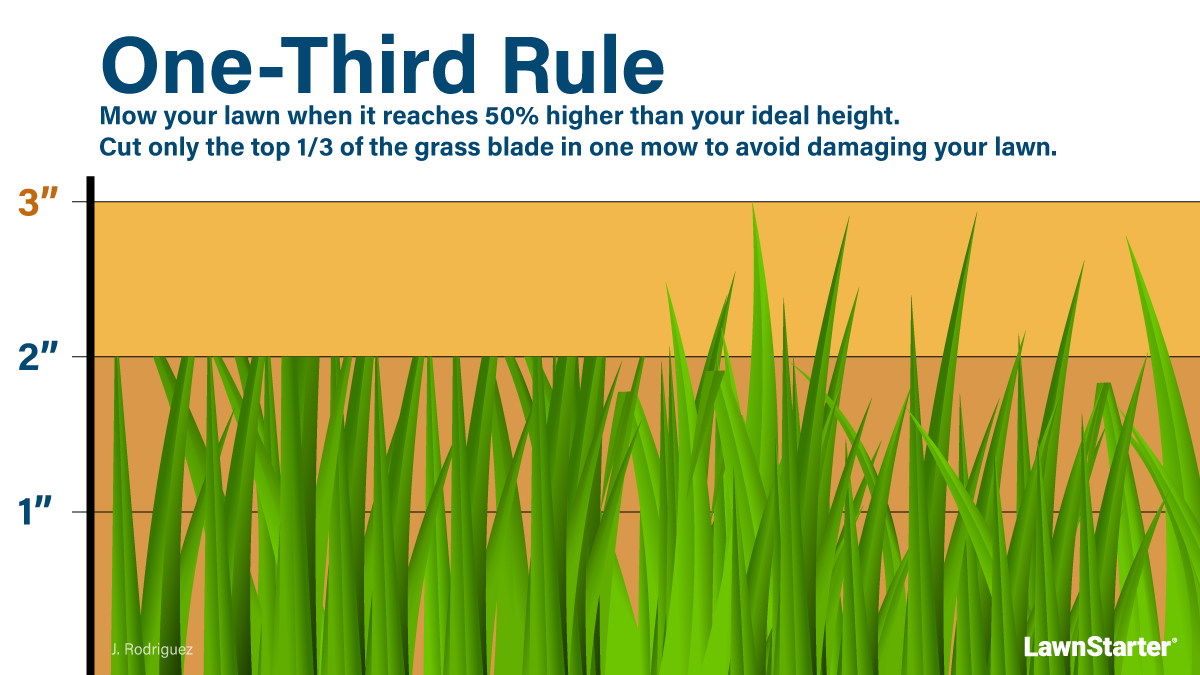
To keep your lawn healthy, follow the one-third mowing rule. This rule states that you should never remove more than one-third of the grass blade in a single mowing session.
Here’s an example: Let’s say you have a grass type that should be mowed to a height of 2 inches. Wait until the grass is 3 inches tall, then mow off just the top inch (set your lawn mower to 2 inches).
Grass blades cut at the right height leave enough of the blade to make food (photosynthesize) and recover quickly; grass cut too short may look burned and dry and be more susceptible to fungi, disease, or dehydration.
Here is the recommended mowing height for common grass types in Oklahoma City lawns:
| Warm-Season Grass | Recommended Mowing Height |
| Bermudagrass | 1-2 inches |
| Buffalograss | 2-3 inches |
| Zoysiagrass | 1-1.5 inches |
| Cool-Season Grass | Recommended Mowing Height |
| Kentucky bluegrass, perennial ryegrass | 2.5 inches |
| Tall fescue | 3 inches |
3. Water Your Lawn and Landscape
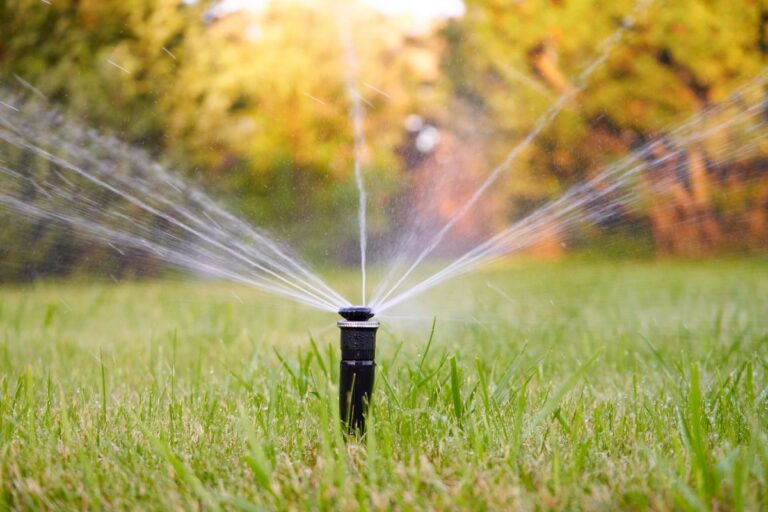
Healthy root growth relies on watering deeply. Your lawn’s water needs are determined by grass type, sun exposure, soil type, and other factors, but here’s a starting point: Bermudagrass should be watered about 1 inch every week while Zoysiagrass needs at least 1.5 inches, rainfall included.
Water deeply 2 times per week for clay and loamy soils; water 3 times per week for sandy soil.
Here are 5 irrigation tips to help you water wisely during the summer months:
- Use the cycle and soak method: This method is best for central Oklahoma’s famous “red dirt” clay soil: Water 4-6 minutes, or until water begins to pool. Then turn off your sprinklers and allow the water to soak into the soil for 30 minutes. Repeat 2-3 times or until you’ve applied the desired amount.
- Install rain sensors: If sprinklers go off when it’s raining outside, it can lead to overwatering. Rain sensors stop sprinklers from watering when your lawn already has enough moisture from rainfall.
- Water before 9 a.m.: The best time of day to water is in the morning, between 5 a.m. and 9 a.m.
- Collect and use rainwater for your landscape: Rain barrels allow homeowners to collect rainwater to irrigate their landscaping plants. Oklahoma City holds an annual sale for rain barrels. For the 2026 sale, order cut-off dates were in late April for pick up in May.
- Install a water-efficient irrigation system for your landscaping: Drip irrigation helps avoid overwatering or wasting water from wind overspray or misting.
June is one of the rainiest months in Oklahoma City, so you may need to water less during the first few weeks of summer. Keep an eye on the weather and irrigate only when you see wilting blades or when footprints stay on the lawn.
Note: Make sure to water according to Oklahoma City’s water conservation measures. Oklahoma City implements Stage 1 watering restrictions year-round. This means even-numbered houses may water their yards only on even-numbered calendar days, while odd-numbered houses may water only on odd-numbered calendar days.
4. Treat for Lawn Pests
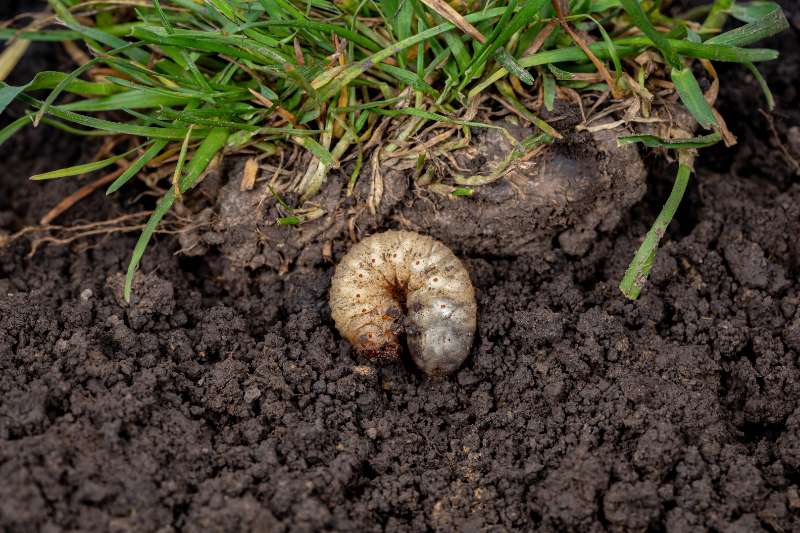
Summer also brings new lawn pests to your grass. Some of the common pests that you may need to look for include:
- Spider mites: Prevent by keeping your lawn well-irrigated.
- White grubs: Preventative treatments for lawn grubs should be applied in June to mid-July. If you missed applying a preventative treatment, contact insecticides can be applied in August as well.
- Webworms: Watch out for sod webworms in August. You can manually remove larvae and webs or you can spray them with insecticides.
See Related:
— Lawn Grubs: How and When to Kill Them
— How to Get Rid of Sod Webworms
5. Fight Lawn Diseases
Warm weather creates ideal conditions for lawn diseases to appear and infect your grass.
Here are two common lawn diseases in Oklahoma City lawns:
- Dollar spot is common in spring (April to June) and again in late fall and affects both cool- and warm-season grasses. Look for 2- to 3-inch straw-colored circles on the lawn. To reduce the severity, apply sufficient nitrogen, aerate/dethatch if needed, and water only when the lawn shows signs of stress. In extreme cases, hire a lawn treatment pro to apply a fungicide, as not many fungicides available to homeowners are effective.
- Brown patch disease causes large (up to 3 feet) brown areas on your lawn and affects cool-season grass, tall fescue in particular. It usually occurs when nighttime temperatures are over 60 degrees with hot, humid daytime conditions that cause grass blades to stay wet for long periods. To prevent and treat brown patch disease, avoid overwatering and aerate heavy clay soils.
See Related: How to Get Rid of Dollar Spot
6. Get Rid of Weeds
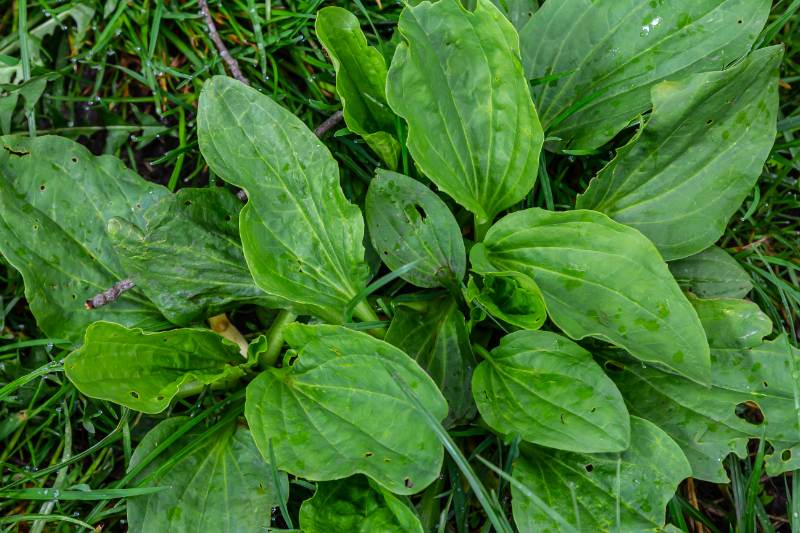
Weeds can pop up in your lawn at any time of year, but there are certain ones that are especially active during the summer.
Treat summer weeds with a post-emergent herbicide or hand-pull them. Ideally, you should treat the weeds in your yard in spring or as soon as they emerge. The earlier you treat your weeds, the easier they are to get rid of. Older, established weeds are more difficult to remove from the lawn.
Watch out for these common Oklahoma weeds:
- Broadleaf plantain
- Crabgrass
- Dandelions
- Knotweed
- Purslane
- Spotted spurge
You can apply pre-emergent herbicides for winter weeds in late August or September when soil temperatures drop to 70 degrees.
Good lawn care practices help reduce weeds appearing in your yard. Aerate to reduce soil compaction (a common problem in clay soil) and fertilize your lawn with the right amount of nitrogen to promote thick grass growth that inhibits weeds.
See Related:
— How to Get Rid of Dandelions
— How to Get Rid of Crabgrass in Your Yard
Help Your Lawn Survive the OKC Summer
With smart irrigation, mowing at the right height, and lawn pest control, you can help your lawn thrive in the muggy Oklahoma City weather. Treat lawn pests and diseases as soon as possible, and make timely fertilizer applications to encourage robust root growth.
Need help maintaining your lawn? Our LawnStarter pros will mow your lawn and handle your other lawn care tasks. In addition to Oklahoma City, we provide lawn care services to other nearby cities, including Norman, Moore, Midwest City, Edmond, Yukon, and more.
Read More: Fall Lawn Care Tips for Oklahoma City
Main Image: Lawn mowed by a LawnStarter Pro in Oklahoma City, OK. Photo Credit: LawnStarter
Related Posts: