There are some basic things you should do in the spring to get your lawn off and running in Trenton, like cleaning up winter debris, prepping your lawn equipment, applying weed killer, and fertilizing.
Giving your grass the right TLC in spring will ensure it gets a fast start, looks great, and stays healthy through the long growing months and deep into the fall.
1. Get Your Lawn Equipment Ready

The first job on your spring to-do list is to check your lawn care equipment and make any needed repairs:
- Sharpen your lawn mower blades
- Check your mower’s spark plug
- Check if you need to change your lawn mower’s oil filter
- Inspect lawn and garden tools for damage or rust
- Refill the string trimmer line in your weed eater
- Test the charge on the batteries that power your electric lawn care equipment
- Pick up gas for gas-powered tools
See Related:
— How to Sharpen Lawn Mower Blades
— How to Change Spark Plugs on a Lawn Mower
— How to Change the Oil in a Lawn Mower in 9 Steps
— How to String a Weed Eater
2. Clean Up Your Yard

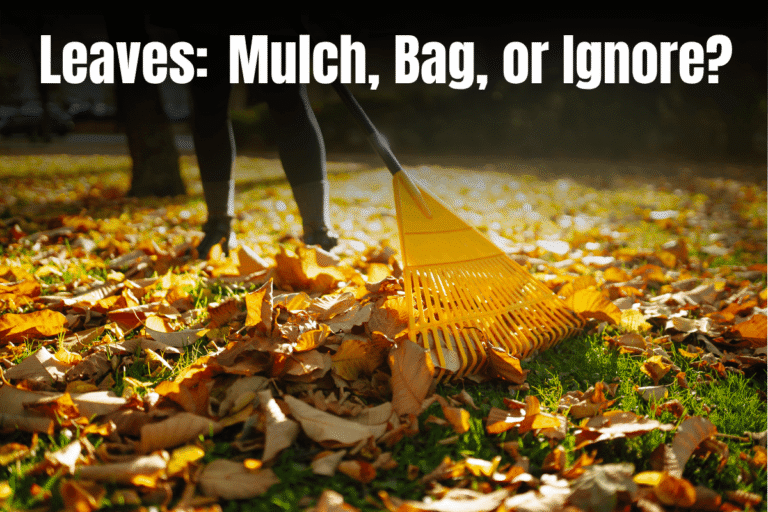
It’s time for a spring cleaning … of your yard. Snowstorms and wind can dump leaves, branches, and other debris on your lawn, smothering grass and,keeping it from getting sunlight, water, and nutrients. Use your rake to clear away all the debris so your grass can breathe.
Make sure that all the snow is melted before you start cleaning up, specifically raking. In Trenton, it may snow up to the end of April. Typically, it stops snowing by mid-April.
3. Attack Weeds Early
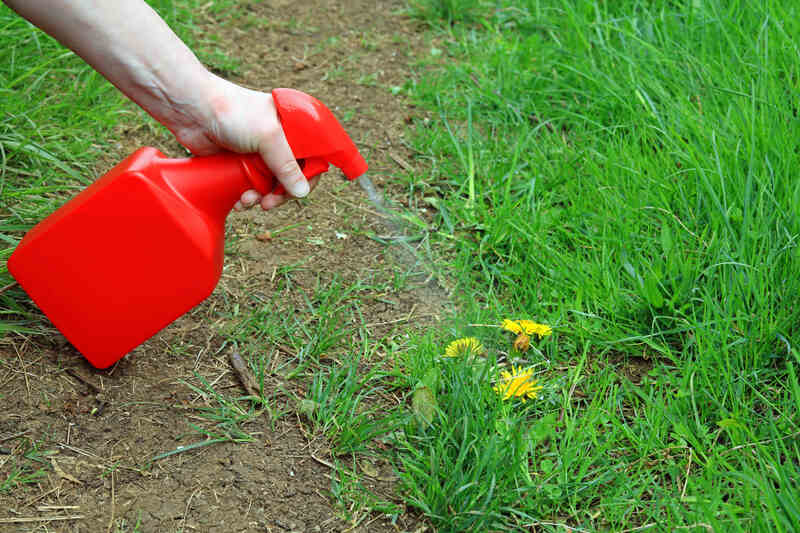
Prevent grassy weeds like crabgrass by using pre-emergent herbicides before weed seeds get a chance to germinate in the spring. Homeowners most commonly use trifluralin, like Preen.
When you see weeds sprouting in your grass, apply a post-emergent herbicide, like the common fluazifop.
You may not need to apply herbicides every season or to your entire lawn. You can spot-treat the affected areas instead.
Here’s what to remember if you want to use herbicides:
- Identify the weeds.
- Use the right pre-emergent or post-emergent herbicide.
- Follow the herbicides’ instructions on their labels.
Common weeds in New Jersey include:
- Crabgrass
- Goosegrass
- Ground ivy
The best time to apply pre-emergent herbicides is early to mid-March.
See Related:
— When to Apply Pre-Emergent Weed Killers
— How to Apply Pre-Emergent Herbicides
4. Test Your Soil

You need a soil test every year to know what nutrients your lawn needs. Rutgers Soil Testing Laboratory can help you test your lawn. Soil test prices range from $20to $90 for a detailed analysis.
You also can buy a DIY soil test kit, which will give you limited information.
Depending on which soil test you get, it can reveal things like:
- Nutrient levels
- pH
- Soluble salt level
- Organic matter content
- Soil textural class
- Gravel content
- Percentages of sand, silt, and clay
- Recommendations
You want to test your soil before you fertilize, so in early to mid-March.
See Related:
— How to Test the Soil pH of Your Lawn
5. Fertilize as Needed
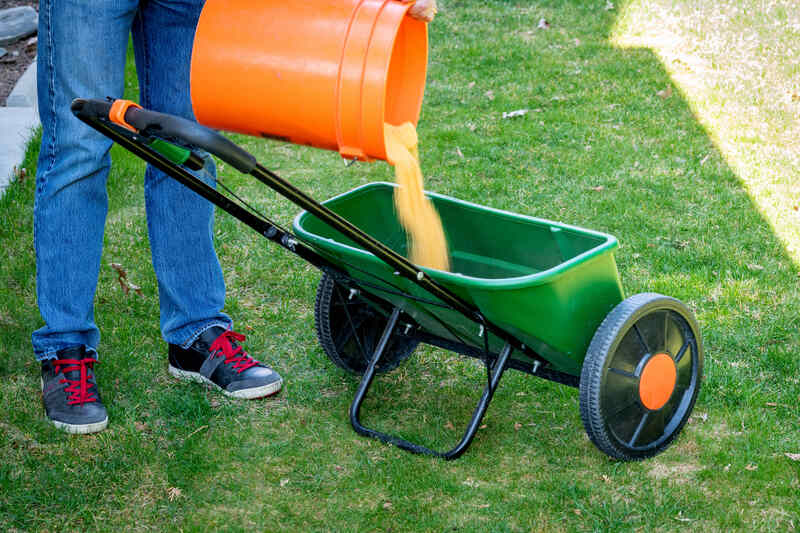
Grasses and plants need nutrients, and sometimes, your soil may have deficiencies. Bare patches suggest your grass is likely malnourished.
Here are typical Trenton fertilizer applications:
| Intensity | Application |
| Low-maintenance | 0 to 2 pounds of N per year per 1000 square feet, applied up to 2 times per season |
| Medium-maintenance | 2 to 4 pounds of N per season per 1000 square feet, applied 2 to 3 times per season |
| High-maintenance | 3 to 5 pounds of N per season per 1000 square feet, applied 3 to 6 times per season |
If you need to fertilize your lawn, follow the instructions on the packaging. Overfertilizing can damage your grass and contaminate the surroundings.
Don’t fertilize your lawn in late winter to early spring, when leaching is most likely to occur. By local law, you can fertilize your grass from March 1 to November 15. If you fertilized your grass in fall, wait until late spring to fertilize your lawn again. Or, if your grass is healthy, skip the spring fertilizer.
See Related:
— When to Fertilize Your Lawn
6. Mow Your Lawn
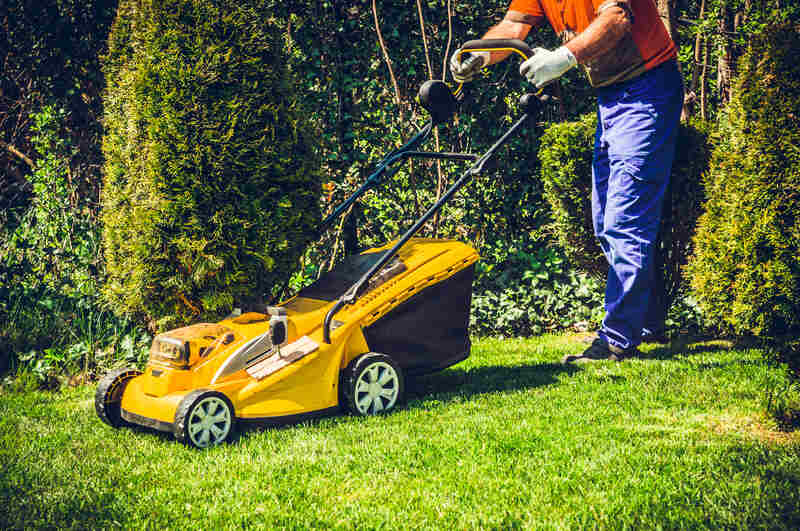
There’s no 1 best time to start mowing your yard regularly in spring. It depends on your grass type, our weather, and the height of your grass once it starts to green up
The best height for most Trenton lawns is between 2.5 and 3.5 inches, and never below 2 inches. You should never mow more than one-third of your total grass length. Therefore, wait until your grass is at least 3.75 inches tall before you start mowing.
Mowing once a week during the growing season should be enough. However, if you want to cut your grass shorter than 2.5 inches, you’ll need to mow more frequently.
Keep sharp blades to avoid damaging your grass or worsening turf diseases.
Keep grass clippings on your lawn to provide it with nutrients. To take an extra step, get a mulching lawn mower to shred the grass blades into small pieces.
See Related:
— How to Mow Your Lawn the Right Way
7. Don’t Water Your Lawn (Unless You Really Want To)
For a low-maintenance lawn, don’t irrigate at all. This will allow you to use less fertilizer and keep your grass taller.
If you want to water your lawn, start once your grass shows signs of dryness.
The best time to water your lawn is late night to early morning.
FAQ About Spring Lawn Care
What’s the best grass for Trenton?
The best grasses for Trenton are cool-season grasses, specifically Kentucky bluegrass, fine fescue, and perennial ryegrass. To see why these grasses are well-suited, check out our article on the best New Jersey grass types.
What’s the best grass for shady lawns?
Fine fescue grows well in Trenton and works well on shady lawns.
How do I prevent diseases in my lawn?
Keep a healthy lawn without excess moisture. Don’t water your lawn in the early evening. Treat diseases immediately, and if you face a recurrent lawn disease problem, apply fungicide preventively when the temperature is between 60 and 80 degrees.
What lawn care should I do in the fall in Trenton?
Dethatching and aeration are best left to early fall when it works best with the weather. You might also want to fertilize your grass, if it needs it.
When to Hire a Lawn Care Pro
Spring lawn care is a lot of raking, lawn care equipment maintenance, applying weed killers, and mowing week in and week out. If you’re too busy or physically unable to do it all, Lawnstarter’s local lawn care pros are here to help. Get a free instant quote for lawn mowing in Trenton, NJ.
Read Next:
— Winter Lawn Care Prep for Trenton, NJ
Main Photo Credit: Famartin at English Wikipedia / Wikimedia Commons / CC BY 3.0
Related Posts: