Spring shows up early in Jackson, and your lawn doesn’t always ease into it. Getting your yard ready for spring includes: clearing winter debris, testing your soil, and mowing high, and watering your grass only when the spring rain isn’t enough.
You can tackle these steps yourself with a little time, effort, and no small amount of patience. The guide below walks you through exactly what to do for a healthier, greener lawn that holds up once the summer heat settles in over Central Mississippi.
But if you’d not spend your weekends in your yard, a LawnStarter Jackson lawn care pro can do all of this for you, and many Jackson homeowners prefer that.
- 1. Clear Winter Debris
- 2. Test Your Soil Before Fertilizing
- 3. Repair or Overseed Bare Spots
- 4. Aerate Compact Soil
- 5. Mow High and Don’t Rush the First Cut
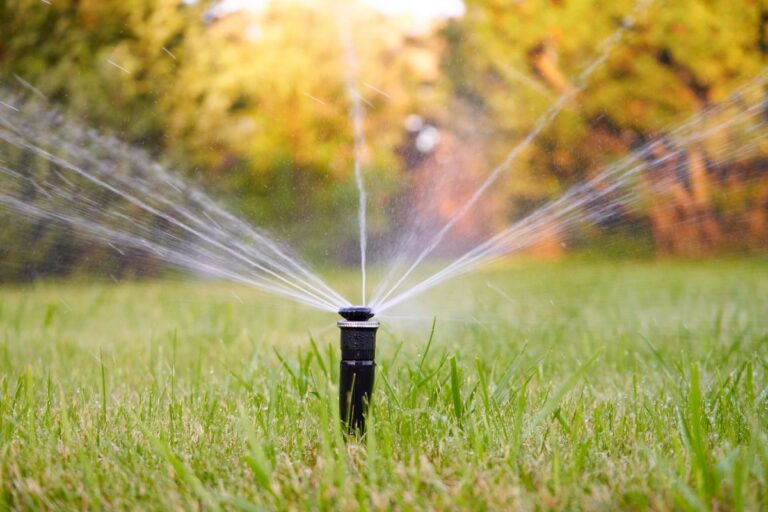
- 6. Water Wisely and Let Spring Rain Do the Work
- 7. Fertilize Only After Grass Is Actively Growing
- 8. Apply Pre-Emergent Early (Hold Off on Post-Emergent)

1. Clear Winter Debris
Jackson winters are mild, but your yard still feels the effects. Leaves, fallen branches, and flattened grass can make your lawn look messy. Some spots may even show gray or pink patches from snow mold or lingering wetness.
What to do: Grab a rake and gently lift the matted grass. Remove leaves, sticks, and anything that might block sunlight or trap moisture. This step lets your lawn breathe again. While you’re cleaning, mark thin or discolored patches so you can repair them later.
When to do it: Late February through early March, once the ground isn’t soggy.
Cleaning up your yard in spring gives your grass a fresh start. Sunlight hits the soil, air reaches the roots, and your grass wakes up faster. Removing debris also reduces the risk of a moss lawn, which thrives in damp, shaded areas.
2. Test Your Soil Before Fertilizing

Conduct a soil test. Some Jackson yards have sandy soils, others have clay soils, and the fertilizers needed very depending on your soil test’s results.
What to do: Take a few samples from around your yard and send them to Mississippi State University Extension. You’ll get pH levels and nutrient recommendations so can select the right fertilizer for your lawn.
When to do it: Early March, right after your clean up your yard and well before you fertilize your grass.
3. Repair or Overseed Bare Spots
The best grass types for Mississippi, including Jackson lawns, are warm-season grasses such as Bermudagrass and Zoysiagrass. These grasses spread naturally once it warms up, so heavy overseeding isn’t necessary. However, small bare spots from winter damage or foot traffic need attention.
What to do: Rake dead grass and loosen the soil. Add a light layer of topsoil if needed. Lightly seed only bare patches. For shady spots, a shade-tolerant grass like fescue can work, but avoid overseeding the whole yard.
When to do it: Late March through April, once soil temperatures rise and the grass starts active spring growth.
This timing gives warm-season grasses the best chance to fill in naturally. Warm‑season grasses often go dormant or grow slowly in early spring. If you try to overseed or reseed too aggressively, your lawn might not fill in properly
4. Aerate Compact Soil
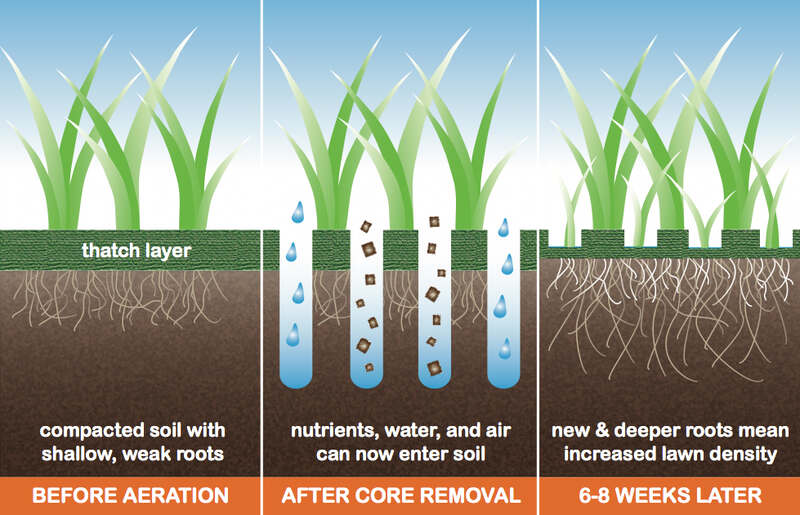
Heavy clay soil is common in many Jackson neighborhoods, and winter rain can make it even more compact. When the soil gets too tight, roots struggle to breathe and absorb nutrients. That’s why lawn aeration is one of the most helpful early-spring tasks you can do.
What to do: If your lawn feels hard underfoot or water pools after rain, consider aerating. You can rent a core aerator, or book lawn aeration in Jackson with a local pro. Aerating pulls small plugs from the soil, which helps nutrients, water, and oxygen reach the root zone.
When to do it: Late March to early April, right before your Bermudagrass or Zoysiagrass starts vigorous growth.
Aeration boosts root health, improves drainage, and supports greener, thicker grass lawn growth. It also helps fertilizers work better by improving airflow. Many homeowners who want long-term grass care pair aeration with spring fertilization for the best results.
5. Mow High and Don’t Rush the First Cut
Grass may green up early in Jackson, but mowing too short, too soon can stress it. Warm-season lawns are just coming out of dormancy.
What to do: Sharpen your mower blades. Start with a slightly higher grass cut (around 1 to 1.5 inches) for Bermuda or Zoysia. Avoid mowing if the soil is soft or muddy.
When to do it: Mid to late March, when your grass shows steady green and the ground is firm enough to walk on.
Remember: Proper lawn mowing helps roots stay strong. A higher first cut protects the crown and lets the lawn grow stronger.
6. Water Wisely and Let Spring Rain Do the Work
Jackson usually gets enough rain in the spring. Overwatering early can cause shallow roots or fungal problems.
What to do: Check the soil with your hand. If it’s moist a couple of inches down, skip watering. When you do water, make it deep and infrequent to encourage healthy root growth.
When to do it: Late April to May, unless the spring is unusually dry.
This helps your lawn develop strong roots and stay healthy through the summer heat.
7. Fertilize Only After Grass Is Actively Growing
Warm-season grasses don’t respond well to fertilizer while still dormant. Fertilizing too early promotes weak top growth rather than building strong roots.
What to do: Wait until the lawn has greened up across most of your yard and you’ve mowed at least once or twice. Use a slow-release fertilizer or follow your soil test recommendations. Stick to the commonly used nitrogen-phosphorus-potassium (N-P-K) ratio of 3-1-2 unless the soil test says otherwise.
When to do it: April through early May is the ideal window in Jackson.
Fertilizing properly and at the right time gives your lawn the nutrients it needs for strong growth all season. It builds stronger roots, helps create a greener, thicker grass lawn, and fills in thin spots.
8. Apply Pre-Emergent Early (Hold Off on Post-Emergent)
Weeds start sprouting as soon as the soil warms. In Jackson, goose grass and path rush are two common weeds that are found where soils have become heavily compacted. Pre-emergents will stop them before they grow, giving your grass a head start.
What to do: Apply a pre-emergent labeled for warm-season grass and water it in lightly. Hold off on post-emergent sprays until your lawn is fully green and actively growing — and you see weeds.
When to do it:
- Pre-emergent: Late February to early March
- Post-emergent spot treatment: Mid-May (after May 15) or later, when turf is safely past the spring transition stage
This timing matches Jackson’s spring growth cycle and protects your lawn during its critical “wake-up” period. Combined with proper fertilization, mowing, and aeration, applying pre-emergent at the right time is the key to long-term lawn care and landscaping, and overall healthy turf.
Let a Jackson Lawn Care Pro Handle It

Spring lawn care doesn’t have to be a headache. A little attention now can bring your yard back to life and keep it looking great all season.
Want to skip the work? Visit our Jackson lawn care page to connect with a local LawnStarter pro. They’ll get your lawn in shape fast. LawnStarter also serves other Mississippi cities, like Horn Lake, so your whole yard can look its best.
Read Next:
— Native Plants for Easy Gardening in Jackson
— The Best Mississippi Native Plants for Landscaping
Main Image: Lawn mowed by a LawnStarter pro in Jackson, MS. Illustration by Amy Stenglein / LawnStarter
Related Posts: