| Key Takeaways |
|---|
| • Topdress lawns with 1/8 to 1/2 inch after spring or fall aeration. • Mix 2-4 inches into garden, flowerbed, and new lawn soil. • Spread 1-4 inches as mulch in gardens and flowerbeds, around trees and shrubs, or on slopes. |
Want healthier plants and greener grass without expensive fertilizers? Compost is nature’s perfect soil amendment — and you probably have everything you need to use it effectively.
Compost enriches soil with nutrients, improves water retention, and feeds beneficial microbes that keep your plants thriving. Whether you’re topdressing your lawn, filling raised beds, or mulching around trees, compost transforms average yards into lush, productive spaces. The best part? It works for any yard project, from small flowerbeds to entire lawns.
In this guide, you’ll learn exactly how to apply compost for gardens, lawns, raised beds, trees, and more — plus pro tips to avoid common mistakes.
| Want results without the sweat? LawnStarter connects you with local pros for lawn aeration, soil prep, and other landscaping services, like compost application. Get a free quote today. |
- How to Topdress Your Lawn with Compost
- How to Use Compost in Your Garden
- How to Fill Raised Garden Beds with Compost
- How to Improve Flowerbeds with Compost
- How to Enrich Soil Before Starting a New Lawn
- How to Mulch Around Trees and Shrubs with Compost
- How to Prevent Erosion on Hillsides with Compost
- FAQs About Using Compost
How to Topdress Your Lawn with Compost
Topdressing means spreading a thin layer of compost over existing grass. It’s one of the best ways to boost soil health without tearing up your lawn.
Best timing: Spring for warm-season grasses; fall for cool-season grasses
Materials needed:
- Compost (1/8- to 1/2-inch depth)
- Garden shovel or compost spreader
- Rake
- Optional: Core aerator
Steps:
- Mow your lawn short (without scalping the lawn) and bag clippings to expose the soil surface.
- Aerate the lawn with a core aerator (highly recommended). This punches holes in the soil and allows compost to reach the roots, dramatically improving results.
- Divide your yard into small sections (a few square feet each). Scoop small amounts of compost with a shovel and “fling” it in a smooth, sweeping motion (like hitting a hockey puck). The goal is an even depth of 1/8 to 1/2 inch.
- Rake the compost into the grass to make the grass blades visible.
- Water lightly to help compost settle into the soil and expose any covered grass blades.
How Much Compost Do You Need for Your Lawn?
Use this quick reference:
| Depth of topdressing | Amount Needed per 1,000 sq. ft. |
|---|---|
| 1/8 inch | 0.40 |
| 1/4 inch | 0.77 |
| 1/2 inch | 1.54 |
| *Consider purchasing 10% extra to account for filling low spots and material waste* Source: James Beard, "Turfrass: Science and Culture" |
|
Pro Tip: For problematic lawns, you may need several applications over time to see significant improvement.
How to Use Compost in Your Garden
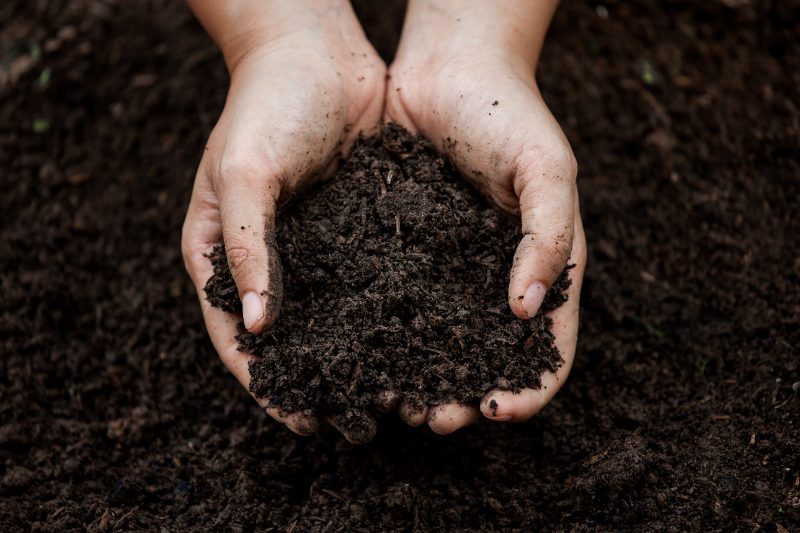
Compost is a game-changer for vegetable and flower gardens. It improves soil structure, boosts fertility, and helps plants thrive with less water and fertilizer.
The City of Ankeny, Iowa, found that 100 pounds of soil with just 1 pound of compost holds an additional 33 pounds (4 gallons) of water.
Method 1: Work It In (Best Results)
- Spread 2 to 4 inches of compost over your planting area.
- Mix it into the top 8 to 12 inches of soil using a rototiller or garden fork.
My Experience: Yes, it’s labor-intensive, but over 20 years of gardening, I’ve found that mixing it in improves the soil the best.
Method 2: Mulch on Top (Easier)
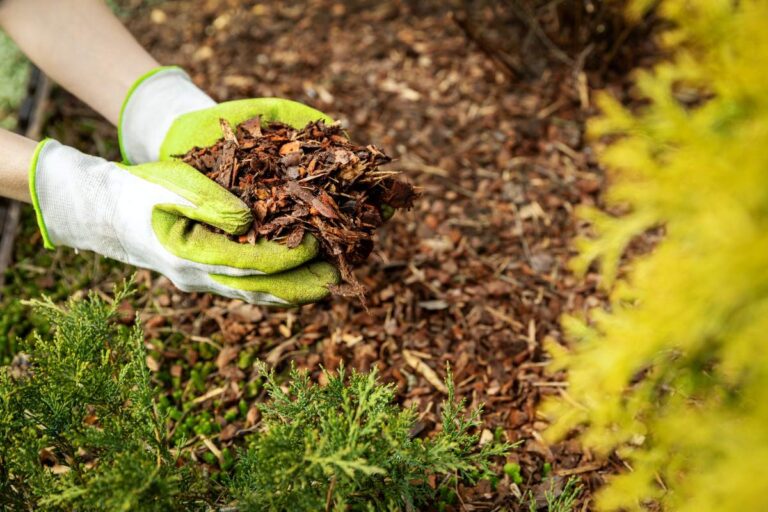
Spread 1-2 inches of compost on the soil surface without mixing it in. This works as mulch, retaining moisture, insulating roots, suppressing weeds, and preventing erosion.
See Related:
– What Is Mulch?
– Composting 101: How to Start Composting
How to Fill Raised Garden Beds with Compost
Compost mixed with topsoil creates an ideal growing environment for raised beds, providing nutrients, drainage, and the structure plants need to thrive.
Best Soil Mix Ratios for Raised Beds
Never fill raised beds with pure compost — it lacks the mineral content plants need and will compact over time.
Option 1: Basic Mix
- 50% topsoil
- 50% compost
Option 2: Premium Mix (Lighter, Fluffier Texture)
- 1/3 topsoil
- 1/3 compost
- 1/3 coconut coir or peat moss
How to Fill Your Raised Beds
- Combine materials thoroughly in a wheelbarrow or directly in the bed.
- Fill the bed to 1-2 inches below the top to leave room for mulch and prevent overflow.
- Top off the bed as needed as the compost decomposes and settles.
Pro Tip: When building raised beds, till the ground beneath and work in 2-3 inches of compost before filling. This prevents the formation of a hard layer that restricts root growth.
See Related:
– Creative Ideas for Raised Garden Beds
How to Improve Flowerbeds with Compost
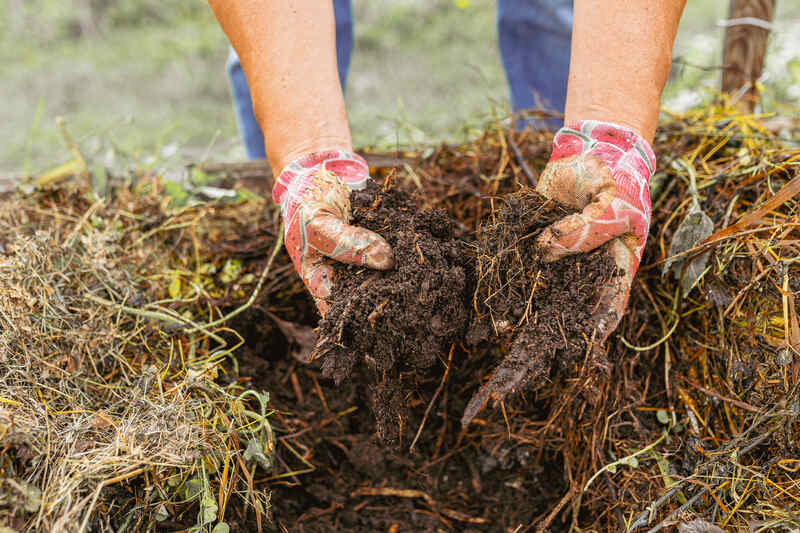
Use the same approach as in vegetable gardens: Either work 2-3 inches into the soil or spread 1-2 inches as mulch on top.
My Tip: Established flowerbeds are harder to till. Every few years, spread 1-2 inches across bare soil and scratch it into the top few inches with a handheld garden fork. For new plantings, mix a small amount into the backfill soil.
How to Enrich Soil Before Starting a New Lawn
Adding compost before seeding or laying sod creates a nutrient-rich foundation that helps grass establish faster and grow stronger.
This is especially critical if you’re landscaping around a newly built house. Construction often strips the topsoil, removing organic matter and nutrients.
- Spread 2-3 inches of compost across the entire lawn area.
- Use a rototiller, rake, or shovel to thoroughly mix compost into the top 4-6 inches of soil.
Pro Tip: Proper mixing is crucial. If compost forms a distinct layer, grass roots may stay confined to that zone instead of developing the deep root system needed for drought tolerance.
– Sod vs. Seed: Which Is Right for You?
– Overseeding vs. Reseeding: What’s Best For Your Lawn?
How to Mulch Around Trees and Shrubs with Compost
Compost makes excellent mulch for trees and shrubs. It retains moisture, moderates soil temperature, blocks weeds, and slowly feeds nutrients to roots.
- Remove weeds, grass, and debris 3-6 feet around the base (depending on plant size).
- Gently loosen the topsoil with a rake or cultivator.
- Spread 2-4 inches of compost evenly without mounds or thick patches.
- Leave a 3-inch gap around the trunk to prevent pest problems and bark rot.
How to Prevent Erosion on Hillsides with Compost
Compost stabilizes sloped areas by improving water infiltration and reducing runoff that causes erosion.
- Remove weeds and debris from the hillside.
- Apply 2-4 inches of compost evenly across the slope. Heavy layers can become waterlogged and slide.
Pro Tip: For steep slopes, install biodegradable erosion-control mats before spreading compost, then secure with netting or mesh to anchor it in place.
FAQs About Using Compost
Yes. Excessive compost causes high nitrogen and phosphorus levels. You’ll see vigorous foliage with little fruiting in vegetables; high phosphorus can block calcium, magnesium, and iron uptake, causing deficiencies.
Compost is decomposed organic material (kitchen scraps, yard waste) processed by microbes and earthworms. Manure is fresh animal waste that hasn’t decomposed yet. Manure must be aged before use, or it can be too “hot” and burn plants.
Compost doesn’t “go bad,” but organic matter breaks down and shrinks over time. It’s best to add fresh compost every 1-2 years to replenish nutrients and maintain soil structure. In dry areas (like here in the desert Intermountain West), organic matter breaks down slowly, so I add compost every other year. In humid, warm climates, compost breaks down faster; you may need to add it annually.
Let LawnStarter Handle the Heavy Lifting
Compost improves any yard, but it’s not a miracle cure. You still need regular lawn mowing and other services to keep everything looking its best year-round. Contact our lawn care pros for professional maintenance throughout the growing season, from spring weed prevention to fall leaf cleanup.
Read Next:
– What is Compost?
– How to Compost Grass Clippings: 3 Easy Methods
– 5 Best Compost Bins [Reviews]
Sources
“Reduce Your Water Needs with Compost.” City of Ankeny, Iowa.
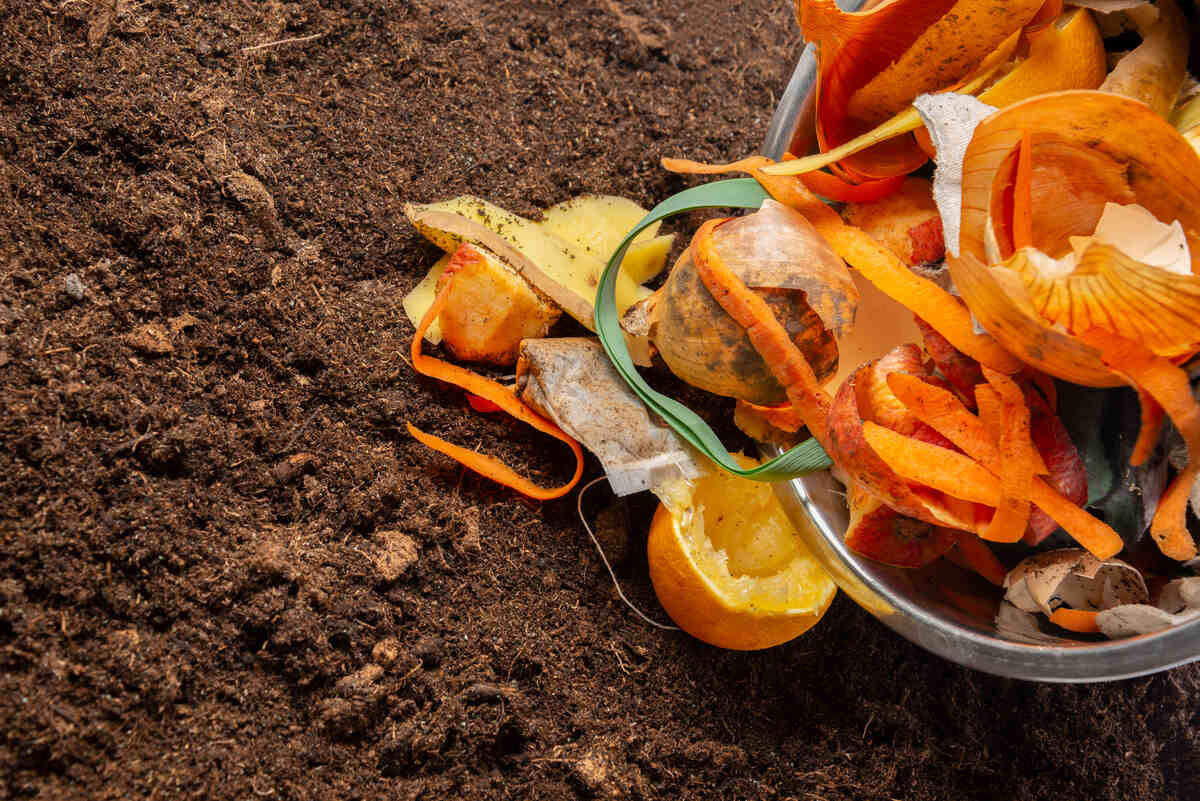
Main Image: Kitchen scraps added to compost pile. Image Credit: Vera Kuttelvaserova / Adobe Stock Free / License
Related Posts: