| Key Takeaways |
|---|
| • English primrose breaks its family's pattern: Most primroses bloom in spring or summer, but English primrose shows off in the winter months instead. • Daffodils signal winter's end: These cheerful blooms emerge from late winter into early spring, offering an early sign spring is near. • Winter jasmine lacks the fragrance of its relatives: Unlike other jasmine varieties, winter jasmine flowers don't carry a scent. |
Not every plant in your yard has to lose its petals and foliage when winter comes. Plants like viola, winter jasmine, and hellebores love cooler temperatures, and they do not hesitate to take advantage of winter’s pollinators.
Bright reds, soft pinks, and sunny yellows can still pepper your lawn, even when there is snow. Read on for a list of 12 winter flowers that bloom in the cold, with tips and insights from 2 horticultural experts.
If you would rather enjoy the blooms than plan them, LawnStarter connects you with a local landscaping pro who can design and plant your winter garden for you.
Winter-Blooming Flowers and Ornamentals
These ground-level bloomers add color to a winter garden, and most are perennials that return each year.
Crocus
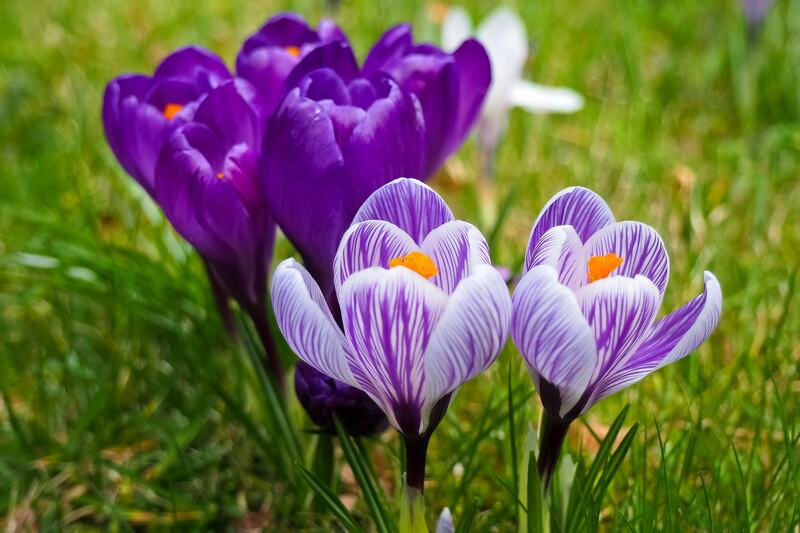
Common names: Crocus
Plant type: Perennial
Bloom time: Flowers appear in autumn, winter, or spring.
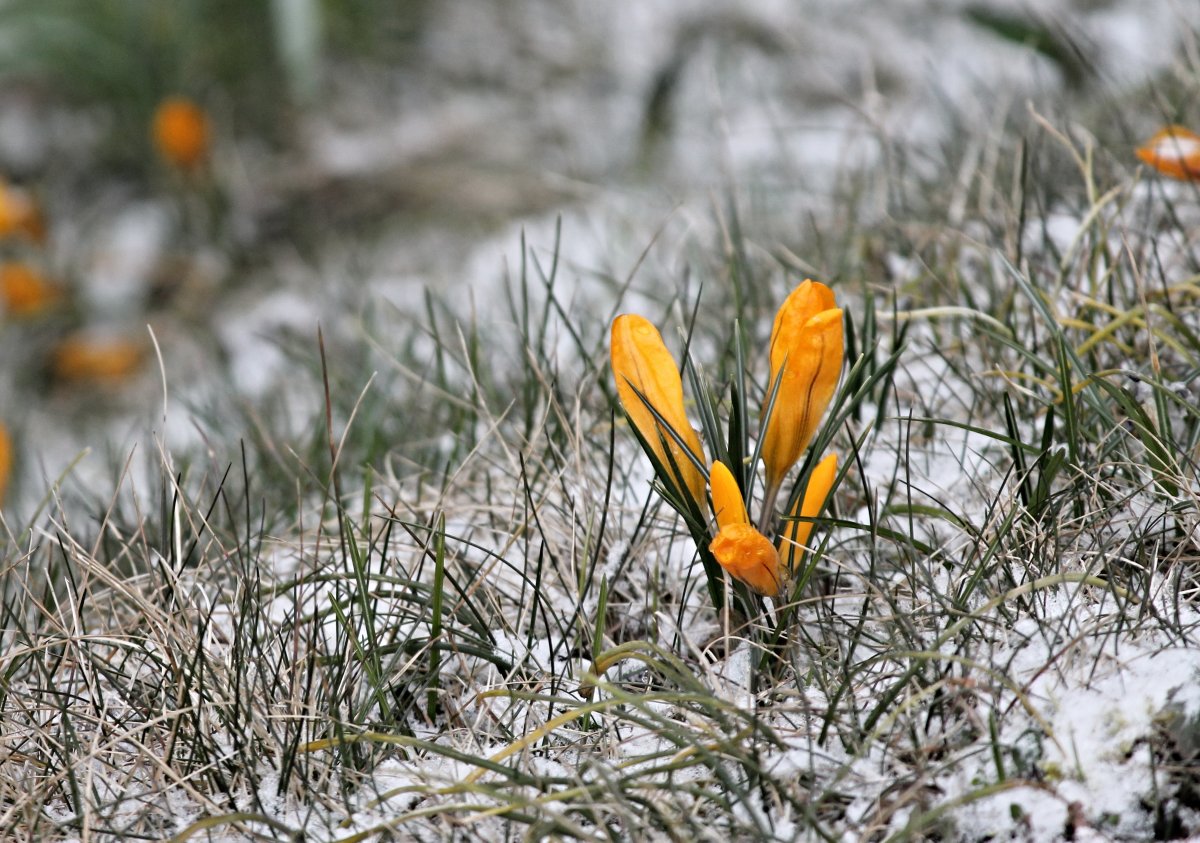
It is normal to see these white, yellow, and purple flowers peeping their tiny petals out of a cold snow. Crocuses have excellent cold-weather tolerance, and a chilly frost or snowfall likely will not wipe them out.
Because they remain so close to the ground, the warm soil temperatures help protect these mighty flowers. The soil also ensures the underground bulb survives any freeze that does happen to kill the blooming crocus.
English Primrose
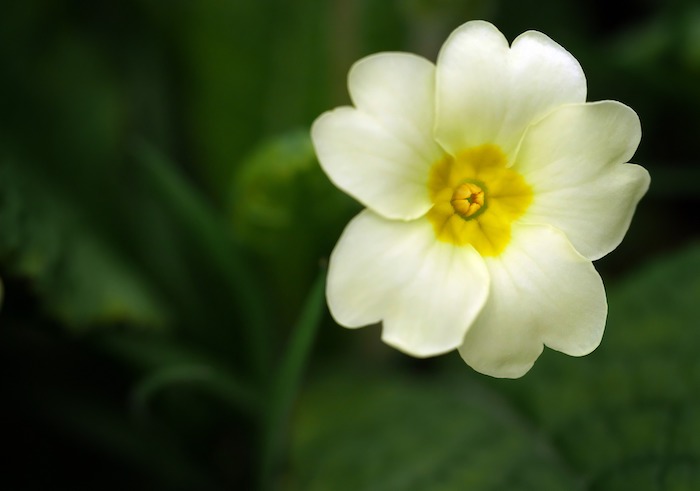
Common names: Primrose or common primrose
Lifespan: Perennial
Bloom time: Most primroses bloom in spring or summer, but English primrose makes its appearance in the winter months.
These lovely soft blooms can add a little sun to any cold, gray winter. They are a comforting reminder that the nip of winter air will soon be over, and more vibrant blooms are yet to spring from the ground.
Viola
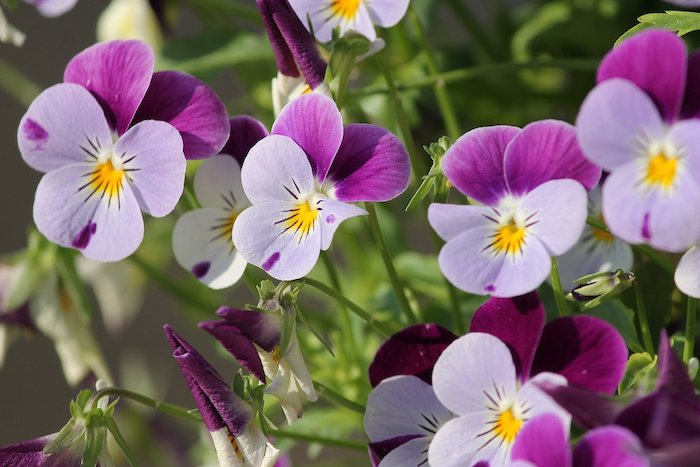
Common names: Pansies, johnny-jump-ups, or violets
Plant type: Annuals and perennials
Bloom time: Fall, winter, and spring
Violas bring a dazzling range of color to a barren, cold landscape, changing with the seasons. Bold yellows, purples, pinks, and oranges make these pansies and violets a cheerful sight in the coldest months.
“Pansies (Viola spp.) are very cold tolerant and do very well in cold temperatures. For those evenings when extreme cold temperatures are expected, the gardener can cover their pansies with a small layer of straw,” says Laura Deeter, professor of practice in horticulture and crop science at Ohio State University.
These colorful flowers are also edible, making them excellent garnishes and scrumptious candies. Read more in our article: 4-Course Guide to Edible Flowers for Your Garden
Snowdrop
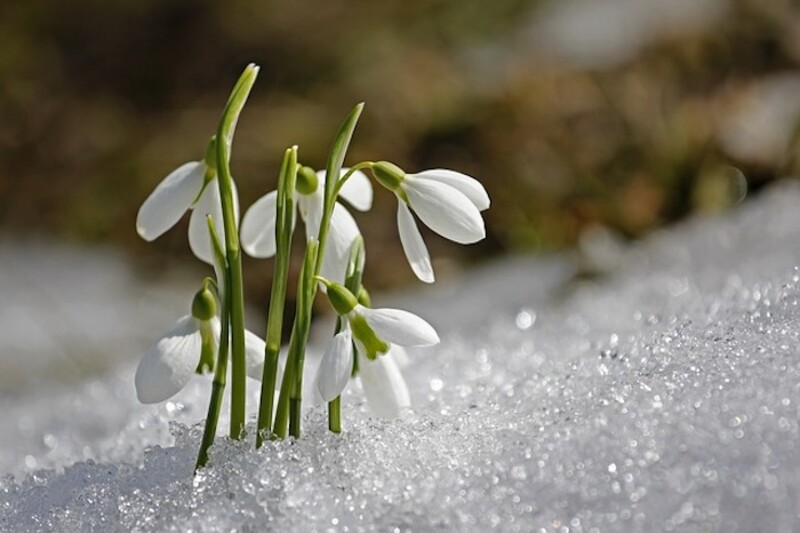
Common names: Galanthus
Plant type: Perennial
Bloom time: Fall, winter, and spring
An early sign of spring, snowdrops are typically the first among many winter bloomers to burst through the earth’s soil. These dainty flowers can make a striking, dense bloom that multiplies through the spreading of bulbs. Keep in mind that these plants are toxic to humans and pets.
Helleborus
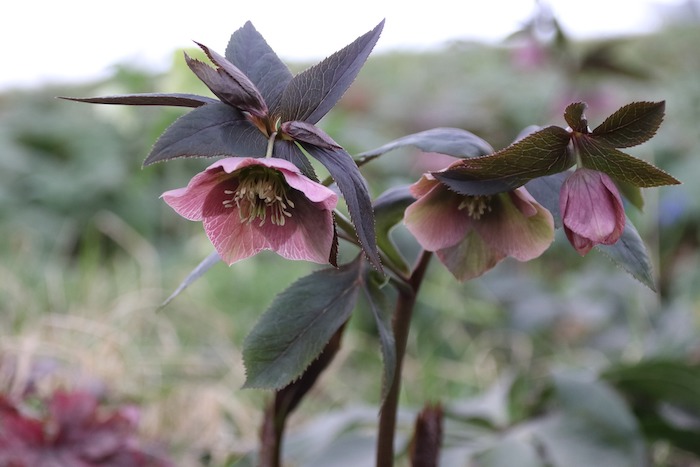
Common names: Winter rose, Lenten rose, and Christmas rose
Plant type: Perennial
Bloom time: Winter and spring
If your shade garden is looking a little lonely in the wintertime, grow shade-loving helleborus (aka hellebores). These wintery blooms are long-lasting and fragrant, and they are not liked by deer and voles.
No need to worry about their little petals getting swallowed up and taken away from the beautiful winter view. Just do not let your pets and small children eat these pretty flowers, as the whole plant is poisonous.
See Related:
Cyclamen
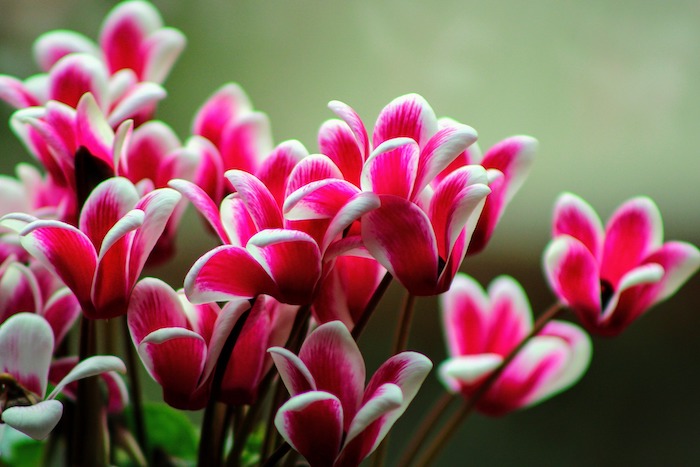
Common names: Sowbread, swinebread, Persian violet, or alpine violet
Plant type: Perennial
Bloom time: Fall, winter, and spring
These vibrant red and pink flowers are a real joy when blooms become a scarce delight in winter, and you can even enjoy them as houseplants. Their dainty blooms are under an inch tall and topped on long, fragile stems.
Daffodils

Common names: Narcissus
Plant type: Perennial
Bloom time: Late winter to early spring
When these loud trumpets pop up from the icy snow, you know warmer temperatures are just on the horizon. These bright-colored flowers with their fun petal shapes put spring in all our minds as we scrape morning frost off the car or slip on an extra pair of wool socks.
A little daffodil springing from the wintery ground is enough to get you through a cold winter’s day.
Winter-Blooming Shrubs and Small Trees
Winter-blooming shrubs and small trees bring color at eye level. Here are your best options:
Camellia
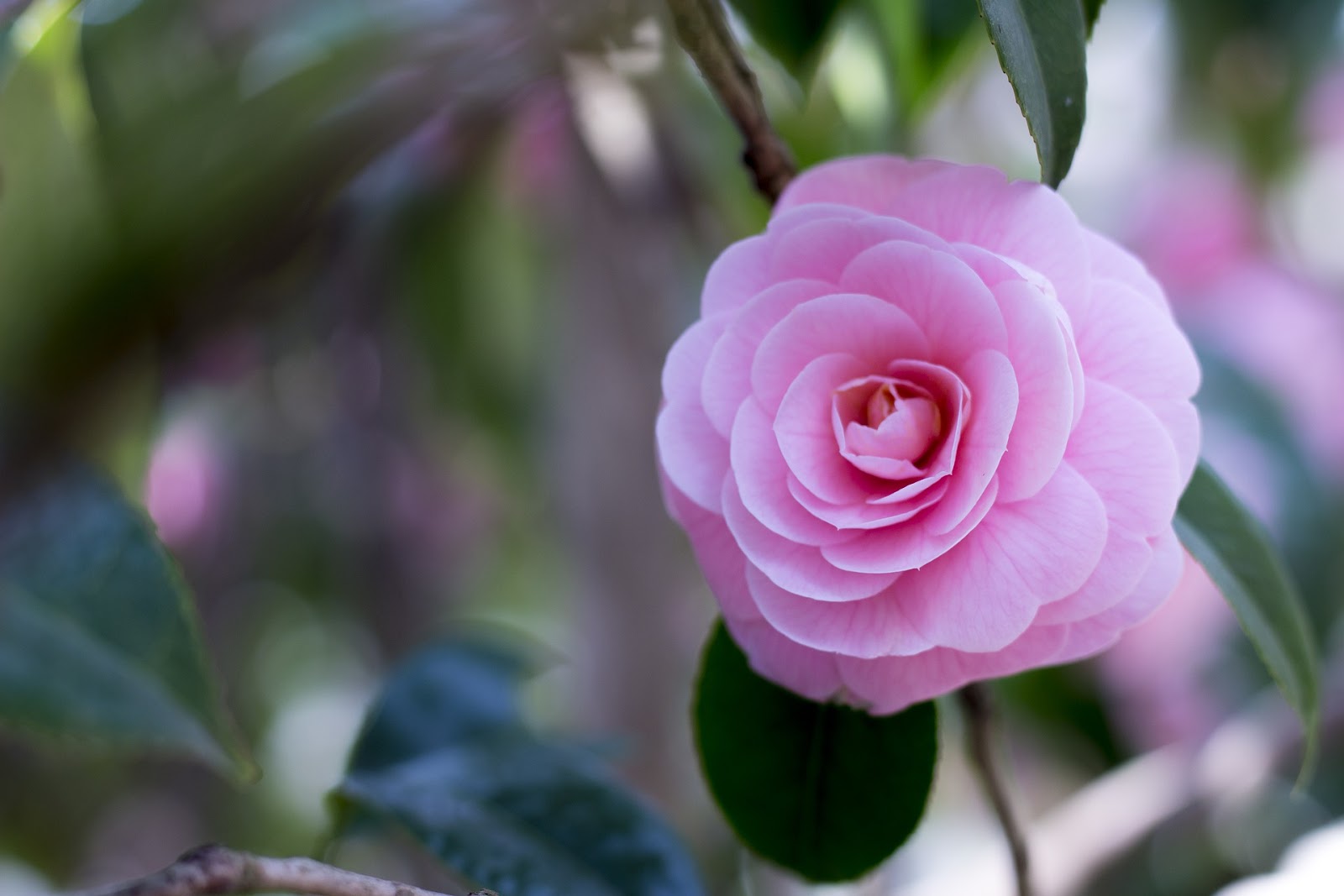
Common names: Sasanqua, japonica, or rose of winter
Plant type: Evergreen shrub or small tree
Bloom time: Sasanquas bloom from mid-fall to early winter. Japonicas bloom from mid-winter to mid-spring.
Camellias are renowned for their magnificent blooms. These evergreen shrubs feature thick, serrated, glossy leaves throughout the year and surprise us with breathtaking flowers as temperatures drop.
These stunning shrubs can grow between 6 and 15 feet tall, making them quite the spectacle in a white winter wonderland.
See Related: How to Landscape With Evergreen Shrubs
Winter Jasmine
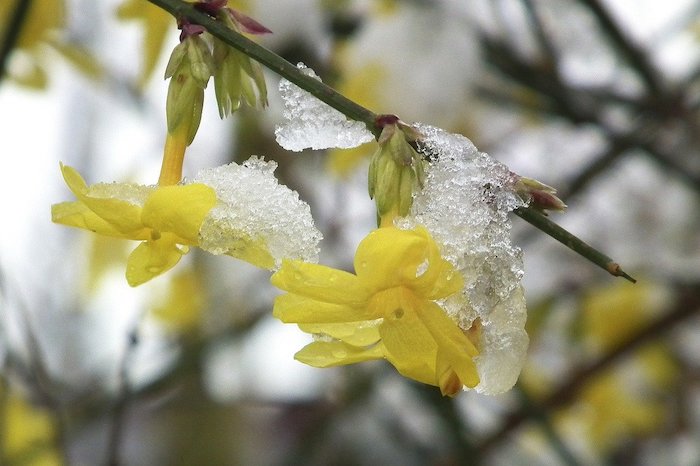
Common names: Winter jasmine
Plant type: Shrub
Bloom time: Winter
Beat the winter gloom with these budding shrubs. They burst with bright yellow sunshine in winter and are favored by gardeners for their low-maintenance care.
While most jasmine flowers feature beautiful scents, you will not be smelling these winter jasmine any time soon. Unlike the rest of their family, winter jasmines are not fragrant flowers.
Winterberry

Common names: Black alder, Canada holly, coralberry, winterberry holly, Michigan holly, fever bush, and false alder
Plant type: Deciduous holly
Bloom time: Both male and female plants bloom small, white flowers in summer. The female produces bright red berries in summer that last through winter.
For a splash of striking red against a white snow blanket, consider growing winterberries. These hollies are dioecious, which means they need a male and female plant within 50 feet of each other to produce their wintery red berries. But it is the female, not the male, that has the berries.
These stunning clusters of scarlet berries arrive in summer and last through winter, depending on how quickly the birds feast on them. Winterberry holly is a perfect addition to the winter wildlife habitat in your lawn.
See Related: Turn Your Yard Into a Certified Wildlife Habitat
Witch Hazel
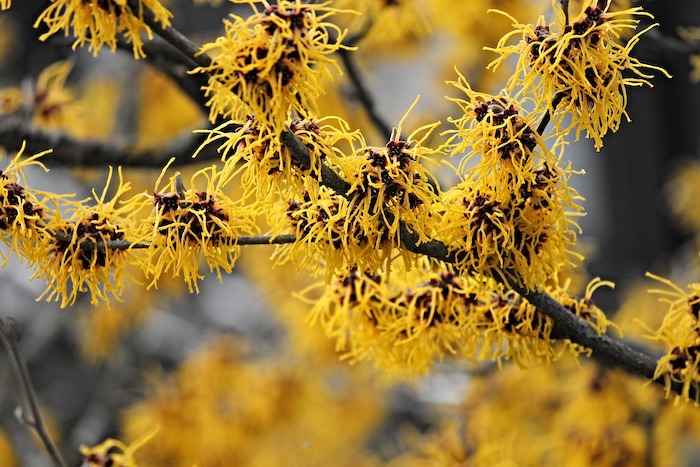
Common names: Witch hazel
Plant type: Deciduous shrub or small tree
Bloom time: Fall, winter, and spring
Witch hazel is popular for its low-maintenance care and attractively textured blooms. They’re also one of Deeter’s favorite plants.
“[Among] my favorites are the hybrid and vernal witch hazel. There are many different cultivars out there, and most flower between February and March, depending on the winter season. They are available in shades of yellow, orange, red, and purple. Most witch hazels have an amazing scent as well,” she says.
“They are tough, durable, medium-sized shrubs with early flowering, clean summer foliage, and excellent fall color. What’s not to love?” Deeter adds.
Paperbush
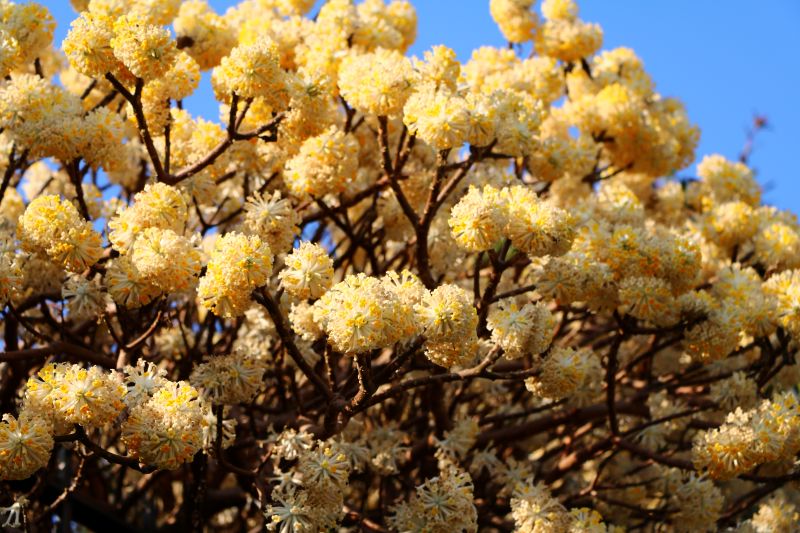
Common names: Paperbush, oriental paperbush, Edgeworthia
Plant type: Deciduous shrub
Bloom time: December through late winter
“Hands down, one of my favorite winter plants for any winter garden is Edgeworthia chrysantha,” says Danesha Seth Carley, associate professor of horticultural science at North Carolina State University. “This shrub grows well in zones 7-10 and provides lovely fall and winter interest.”
“Part of what I enjoy about this plant is its architectural interest — in the winter, the plant has no leaves, but in December forms clusters of beautiful yellow blooms that are tiny, but sweetly fragrant,” she says.
“In the spring, after the blooms pass, the foliage is lush and bluish-green with silvery undertones. This plant is ideal for gardens of any kind as it is resistant to insects and diseases and attracts pollinators of all kinds,” Carley adds.
How to Grow Winter Flowers That Bloom in the Cold
Getting winter color is mostly about picking the right plant for your climate and planting it at the right time. Start by checking your USDA hardiness zone, then choose flowers and shrubs rated to survive your coldest temperatures.
A plant that thrives through a mild Southern winter may struggle where the ground freezes hard, so let your zone guide the list.
Plant at the right time: Most winter bloomers do best when planted in fall, while the soil is still warm. That gives roots time to settle in before hard freezes arrive, so plants are ready to flower when the cold sets in.
Give them the right light: Many winter flowers, such as hellebores and primrose, prefer partial shade, while sun-lovers like crocus and daffodils open widest on bright days. Match each plant to the spot that suits it, and check the care tag for water and soil needs.
Keep them cozy in a cold snap: A light layer of mulch or a simple frost cover helps tender blooms ride out a harsh night. Otherwise, “Houseplants can be brought inside during autumn and placed in a sunny window, watering as needed until they can be placed outdoors again in late spring or early summer,” Deeter advises.
Group hardy picks together for an easy, low-maintenance display that returns year after year.
Ask the Experts
Here are 2 more responses from Deeter on keeping a winter garden colorful and healthy.
How can gardeners keep their winter-blooming flowers alive during the cold winter?
Plants have a multitude of ways to manage cold weather. Plants that flower during cold weather (such as many witch hazel varieties) will often open and close their flowers based on the cold to prevent damage to reproductive parts. Plants such as crocus, daffodils (Narcissus spp.), and Lenten rose (Helleborus spp.) often do something similar.
Magnolia flowers will often succumb to cold temperatures and there is little gardeners can do, except hope for better weather next season. Generally, it’s best to let Mother Nature take her course.
What is your favorite houseplant to grow in winter? What makes it your favorite?
I have approximately 40 different houseplants, so picking a favorite is hard. I love the philodendrons for their ease of care, zebra plant for the colorful purple foliage, and snake plant for the fact that I don’t have to remember to water them all the time.
Spider plants make great hanging baskets, and ZZ plant is unusual-looking, while also being very simple to grow. There are so many to choose from.
FAQs
Several cold-hardy plants flower in the depths of winter.
• Snowdrops and crocus often push through late-winter snow.
• Hellebores (Lenten rose) and Camellia japonica bloom from midwinter into spring.
• Witch hazel varieties usually flower between February and March, depending on your climate.
Pansies and violas are among the easiest, since they are very cold tolerant and bloom for months. Crocus, snowdrops, and daffodils are also beginner-friendly because they grow from bulbs planted in fall and return on their own each year with little care.
Local wildlife needs the same basics people do.
• Food: Winterberry holly attracts bees, butterflies, and birds, and feeders add seed and suet.
• Shelter: Shrubs, native plants, mature trees, and brush piles all shelter wildlife.
• Water: A heated bird bath keeps water available on freezing days.
When to Call a Landscaping Professional
When you want the perfect wintery landscape in your backyard, sometimes you need the advice of a professional. A landscaper can help choose flowering plants that best accentuate your yard and determine where they will flourish best.
Call a professional landscaper near you if you need assistance with landscape design, installation, or maintenance.
Read More: Outdoor Potted Plants in Winter: When and Which to Bring Indoors
Main Image: Yellow crocus buds pushing through snow in early spring. Photo Credit: Manfred Richter / Pixabay
Related Posts: