| Key Takeaways |
|---|
| • Washington’s most common lawn weeds (crabgrass, chickweed, clover, henbit, and moss) emerge at different times depending on whether you’re west or east of the Cascades • Washington classifies noxious weeds into 3 weed classes (A, B, and C) • Property owners are legally required to eradicate Class A weeds and control Class B weeds in areas designated by the state or county board for control |
Common weeds in Washington include crabgrass, chickweed, clover, and moss, along with legally regulated noxious weeds such as field bindweed, Scotch broom, and Himalayan blackberry.
If you garden or care for a lawn here, you already know the pattern: You clear a patch one weekend, and by the next, it’s back. That’s not a sign you’re doing anything wrong. Washington’s mild, wet west side and hot, dry east side each give a different set of weeds exactly what they need.
Below, we break down the weeds you’re most likely to see and how to keep each one in check.
Weed control requires proper identification, the right timing, and repeat applications. Let LawnStarter connect you with local weed control pros who can handle lawn treatment services for your lawn.
What Are These Weeds in My Washington Lawn?
The most common lawn weeds in Washington include crabgrass, chickweed, clover, henbit, sticky Willy, and moss, with many emerging faster than you’d expect.
In Western Washington, chickweed, henbit, and moss often appear as early as February; crabgrass and clover peak in summer. East of the Cascades, hot, dry summers favor deep-rooted perennials such as field bindweed, which stay active from late spring through fall.
Crabgrass (Digitaria sanguinalis)
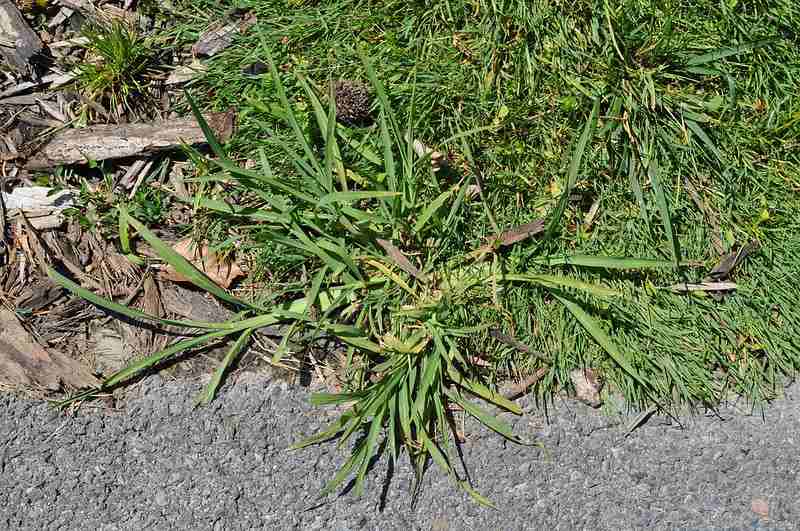
Crabgrass thrives in sunny, bare areas during warmer months and can produce up to 150,000 seeds from a single plant.
Life cycle: Summer annual
Where it thrives: Warm, dry conditions with poor soil
How to identify crabgrass:
Long, finger-shaped leaves that sprawl from a center stem
Grows low to the ground with wider blades than common grasses
How to get rid of crabgrass: Fertilize with nitrogen during spring and fall to promote growth that shades out seedlings.
Apply pre-emergent herbicides containing dithiopyr, pendimethalin, prodiamine, or benefin in early spring when soil temperatures reach 55 degrees consistently. “You can’t wait until late spring,” says LawnStarter pro Chuck Vogt of Metro Lawns in Atlanta, Georgia.
Chickweed (Stellaria media)
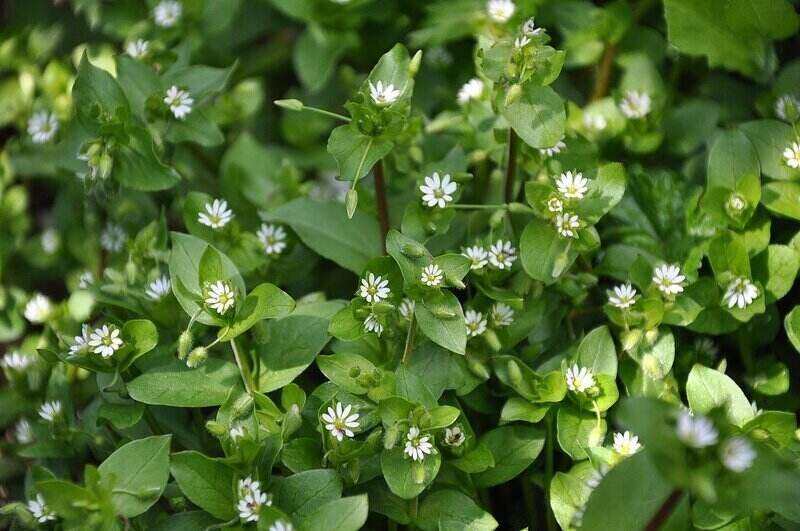
Chickweed signals moist or poorly drained soil. It quickly forms a dense mat that crowds out desired plants.
Life cycle: Winter annual
Where it thrives: Moist, shaded areas with fertile soil
How to identify chickweed:
Small, oval-shaped leaves with pointed tips growing opposite each other
Small white flowers on thin green stems
How to get rid of chickweed: Hand-pulling works for small infestations. Apply 2 to 3 inches of mulch to prevent seeds from germinating. You can also use pre-emergence products containing triclopyr and 2,4-D.
Clover (Trifolium repens)
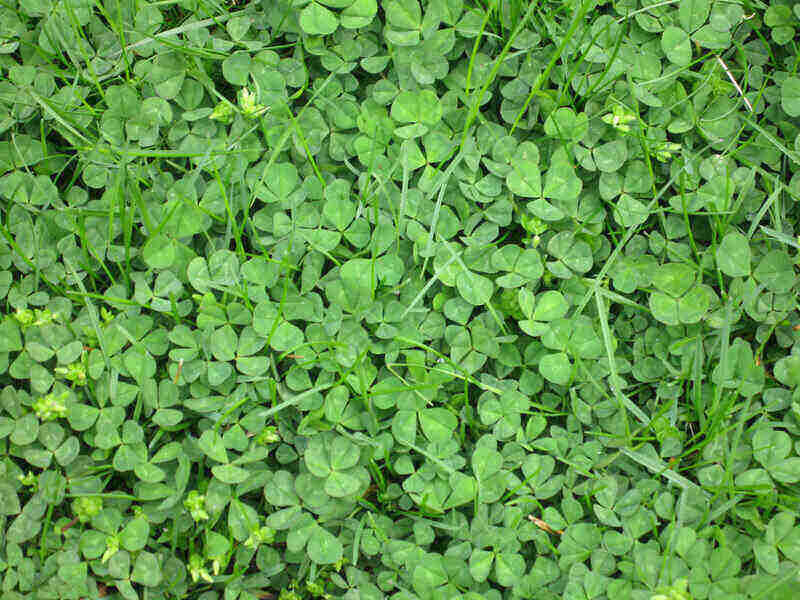
White clover is known for its trifoliate leaves and small white flowers. While some view white clover as a problem, others embrace it. Some homeowners even consider planting a clover lawn instead of traditional turfgrass.
Life cycle: Perennial
Where it thrives: Prefers full sun, but can grow in shade with proper fertilization
How to identify clover:
3 small oval leaflets
Grows in patches close to the ground
Blooms white flowers tinged with pink in early spring.
How to get rid of clover: Improve turf density by choosing turfgrasses well-adapted to Washington. Apply herbicides containing triclopyr and 2,4-D in fall.
See Related: How to Get Rid of Clover and Not Kill Grass
Henbit (Lamium amplexicaule)
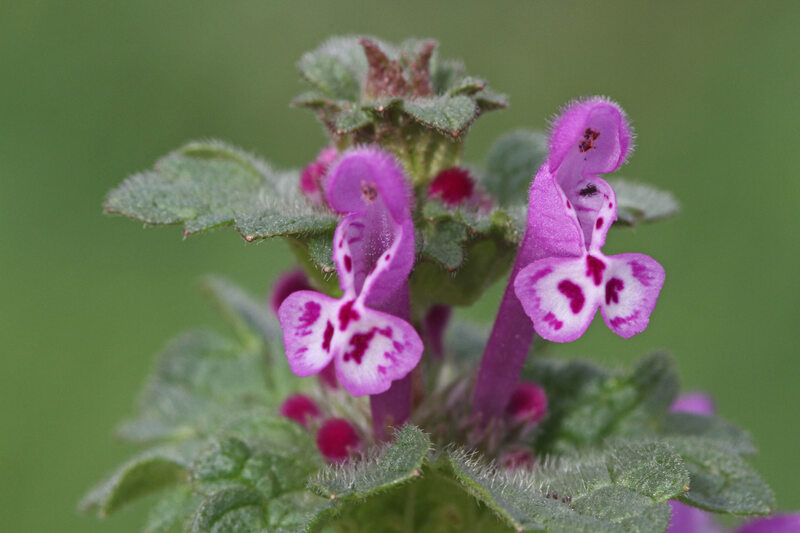
Henbit thrives in thin, moist, shaded lawn areas. Its purple flowers and square stems make it easy to spot.
Life cycle: Winter annual
Where it thrives: Moist, cool areas but tolerates full sun
How to identify henbit:
Pink to purple flowers with dark spots
Round, scalloped leaves clasping the stem
Sprawling or low-growing habit.
How to get rid of henbit: Treat with herbicides containing triclopyr and 2,4-D in spring before it blooms. Hand-pull scattered plants and add mulch to suppress growth.
Sticky Willy (Galium aparine)
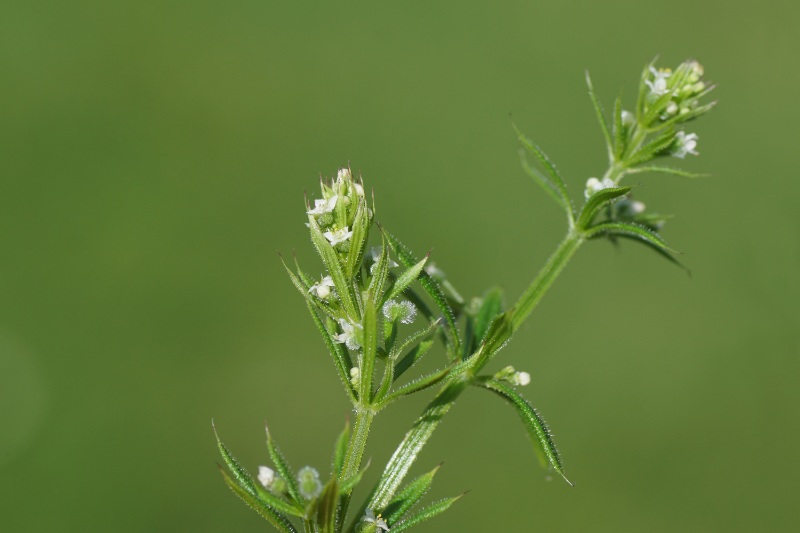
Sticky Willy (aka cleavers or bedstraw) clings to clothing and pet fur. It’s not noxious but spreads aggressively and can smother low-growing plants throughout Western Washington.
Life cycle: Winter annual
Where it thrives: Moist, shaded areas such as fencerows, garden beds, and woodland edges
How to identify sticky Willy:
Narrow leaves in whorls of 6 to 8 around a square stem
Tiny hooked hairs give a velcro-like grip
Small white 4-petal flowers
How to get rid of sticky Willy: Pull while young, before flowering (late winter through early spring). The shallow roots make hand-pulling effective. Each plant produces 300 to 400 seeds, so don’t wait for it to seed out.
Moss
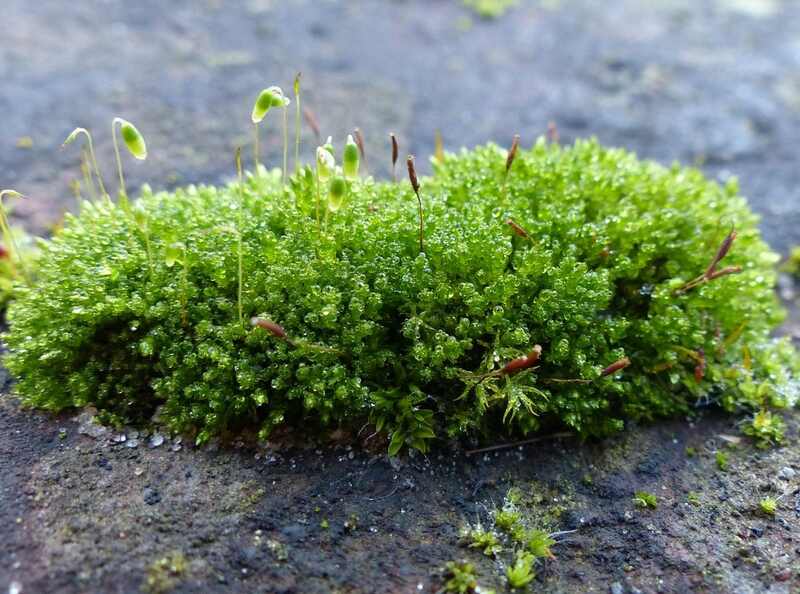
Moss doesn’t kill grass directly. It moves into weak spots left by compacted soil, low pH, poor drainage, or shade. Fix those conditions and the moss retreats.
Life cycle: Perennial
Where it thrives: Partial shade, in moist, acidic, compacted soil
How to identify moss:
Tiny green leaves growing in a spiral around a central stem
Soft, dense carpet-like growth on damp soil
No roots or flowers
How to get rid of moss: Rake and dethatch the area. Improve the soil through aeration and adjust pH with lime. If needed, apply post-emergent herbicides or iron sulfate
See Related: How to Remove Moss From Your Lawn
Washington’s Noxious Weeds: What They Are and What You’re Required to Do
Noxious weeds are plants designated by government as injurious to public health, agriculture, recreation, wildlife, or property. The Washington State Noxious Weed Control Board (NWCB) divides them into 3 classifications: Class A, B, and C.
| Class | Distribution | Required Action |
| Class A | Limited in Washington | Eradication required |
| Class B | Abundant in some areas | Control required where limited |
| Class C | Widespread statewide | Control recommended, not required |
If you find a noxious weed on your property, report it to your county weed board at nwcb.wa.gov.
Class A Noxious Weeds: Eradication Required by Law
Class A weeds must be eradicated. You are legally obligated to remove them. These have limited distribution but spread rapidly and cause severe damage. Failure to act can result in the county hiring a contractor at your expense.
Garlic Mustard (Alliaria petiolata)
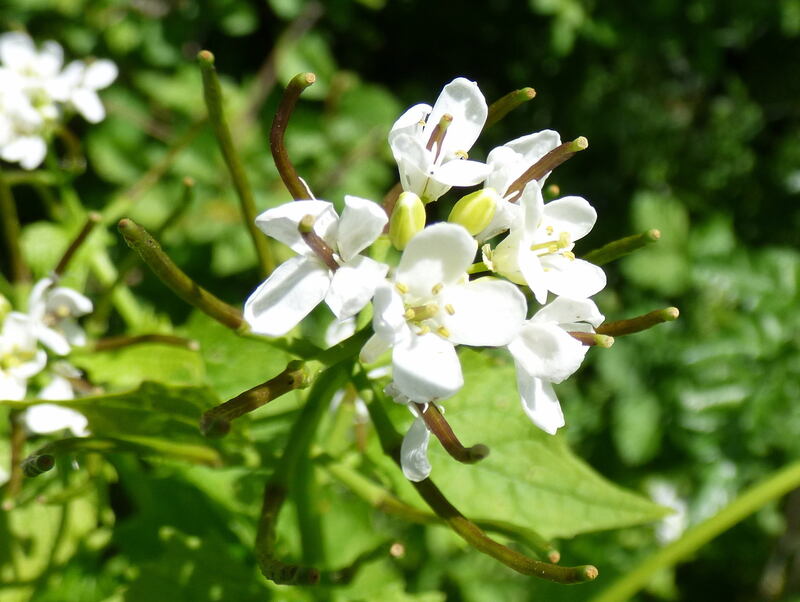
Garlic mustard releases root chemicals that inhibit the growth of surrounding plants.
Life cycle: Biennial
Where it thrives: Partial to full shade, nutrient-rich soils
How to identify garlic mustard:
Garlic odor when crushed
Triangular to heart-shaped leaves with scalloped edges
Small white 4-petaled flowers in clusters
How to get rid of garlic mustard: Pull in early spring before seed set; one plant’s seed count can reach up to 8,000. Bag and trash pulled plants, and do not compost them. Apply glyphosate or triclopyr for chemical control.
Giant Hogweed (Heracleum mantegazzianum)
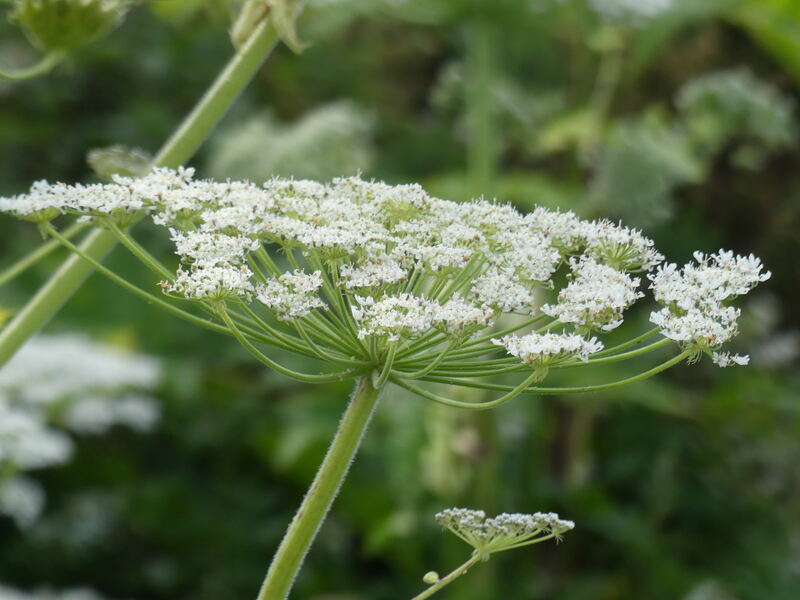
Safety warning: Giant hogweed sap causes severe skin burns on contact with sunlight, according to the NWCB. Do not touch without full protective gear.
It resembles native cow parsnip. Confirm identification before attempting removal.
Life cycle: Short-lived perennial
Where it thrives: Partial shade, moist nutrient-rich soils
How to identify giant hogweed:
Giant hogweed leaves can grow up to 5 feet wide, and the plant can reach 15 to 20 feet tall
Umbrella-shaped white flower clusters and stems with purple splotches and coarse white hairs
How to get rid of giant hogweed: Wear gloves, long sleeves, eye protection, and a face shield. Dig up small plants entirely. For large plants, cut back with loppers and dig up the root crown. For large infestations, contact your county weed board. Bag and trash all material.
Italian Thistle (Carduus pycnocephalus)
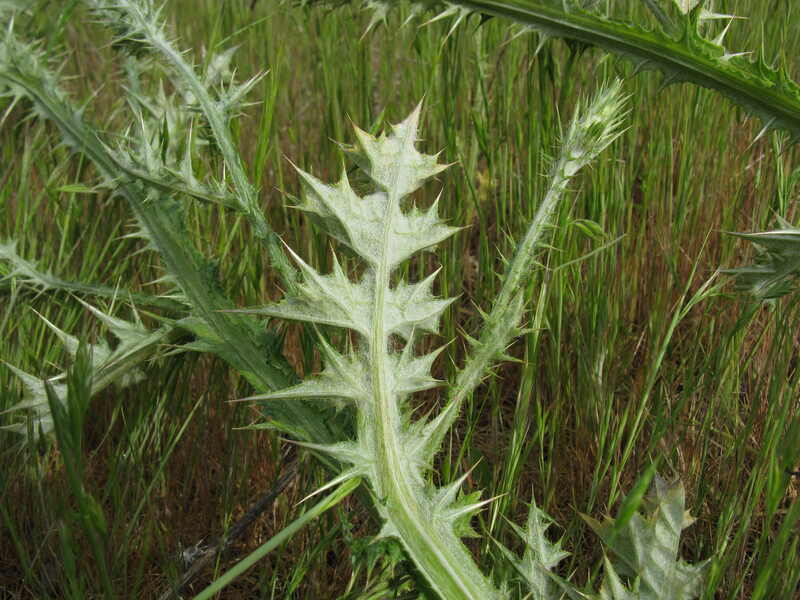
Italian thistle aggressively invades rangeland, overpowering desirable forage and native plants.
Life cycle: Annual or biennial
Where it thrives: Full sun, well-drained soils
How to identify Italian thistle:
Grows 6–8 feet tall
Spiny winged stems and green lobed leaves with cobwebby undersides
Narrow purple flowers with stiff bracts.
How to get rid of Italian thistle: Dig or hand-pull small infestations. Mow plants to reduce seed production. For large infestations, contact your county noxious weed board.
Oriental Clematis (Clematis orientalis)
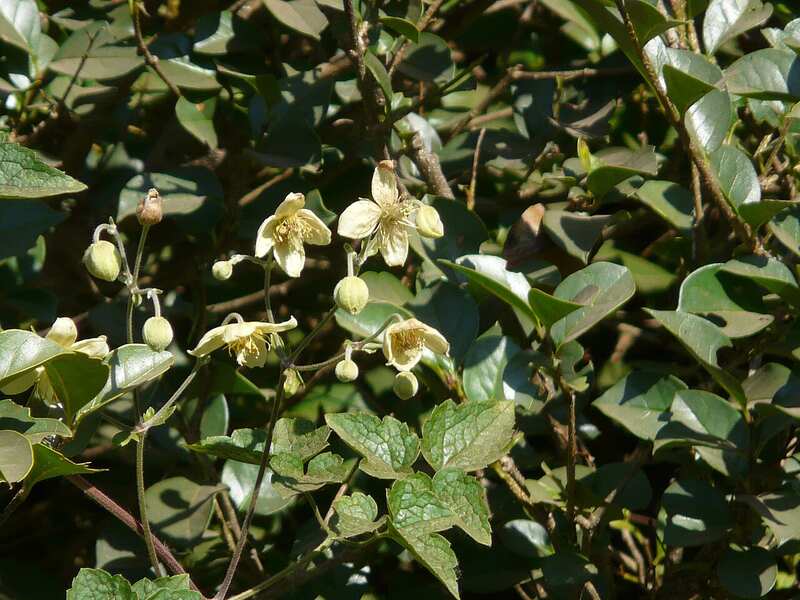
Oriental clematis is a woody vine that overpowers native vegetation and smothers small trees and shrubs.
Life cycle: Perennial
Where it thrives: Full sun, well-drained soils
How to identify oriental clematis:
Yellow bell-shaped flowers turn into feathery, pom-pom-like seedheads
Divided leaflets with toothed margins
Climbing or trailing habit.
How to get rid of oriental clematis: Pull lower vines off of trees and structures and remove any lower stems by the roots. For large ones, cut vines and apply triclopyr or glyphosate to cut stems.
Silverleaf Nightshade (Solanum elaeagnifolium)
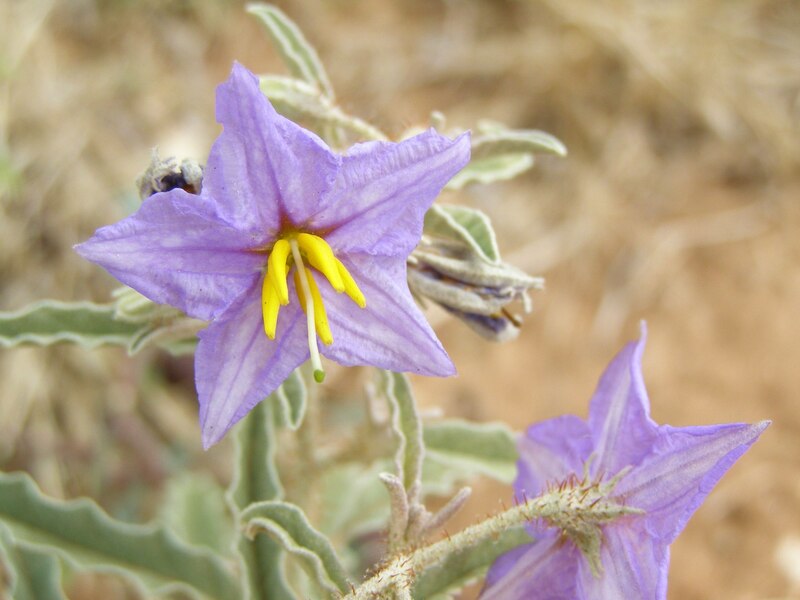
Silverleaf nightshade competes with crops and is toxic to livestock, according to NWCB Washington.
Life cycle: Perennial
Where it thrives: Full sun, loamy, droughty soils
How to identify silverleaf nightshade:
Lance-shaped leaves with silvery-white hairs
Blue or violet 5-petaled flowers
Yellow-spined stems; the plant grows 1–4 feet tall
How to get rid of silverleaf nightshade: Remove entirely, including all rootstock; dispose in trash bags. Use herbicides containing glyphosate, though control is difficult.
Class B Noxious Weeds
Class B noxious weeds require control in areas where they remain limited. They are abundant in some counties but not yet widespread statewide.
Common Tansy (Tanacetum vulgare)
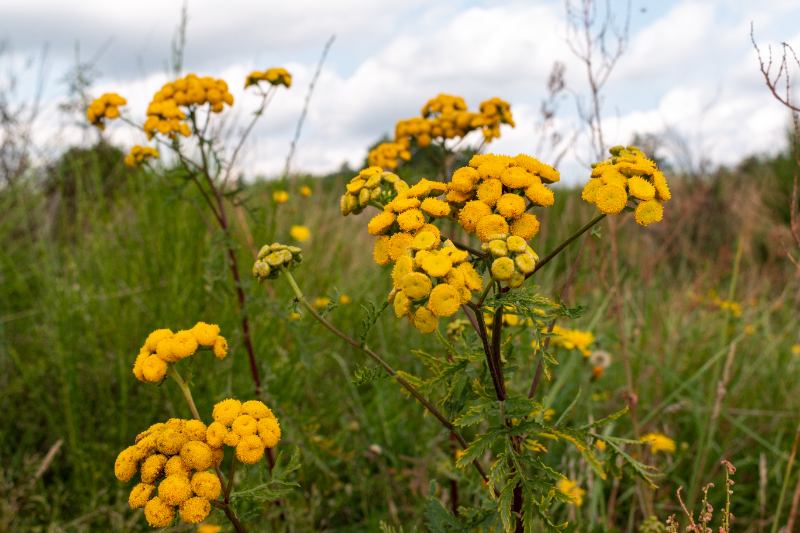
Common tansy is toxic to livestock and can irritate human skin.
Life cycle: Perennial
Where it thrives: Prefers moist, fertile soil and full sun to partial shade.
How to identify common tansy:
Button-like yellow flowers in flat-topped clusters
Fern-like deeply divided leaves
Strong camphor-like smell
Grows 2 to 6 feet tall
How to get rid of common tansy: Hand-pull or dig up small infestations entirely. Mow before flowering to reduce seed spread. Apply herbicides containing dicamba, metsulfuron, or glyphosate during active growth.
Orange Hawkweed (Hieracium aurantiacum)
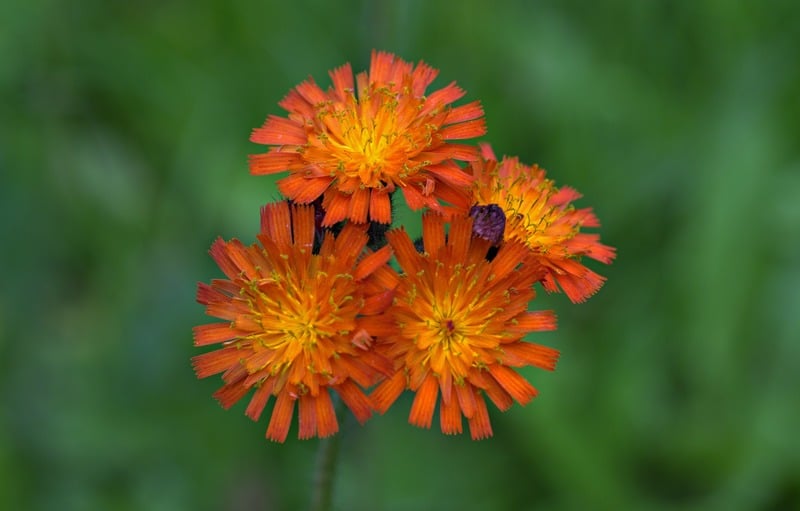
Orange hawkweed forms dense mats that crowd out native vegetation, spreading by both seeds and stolons.
Life cycle: Perennial
Where it thrives: Full sun or partial shade, and well-drained, sandy soils
How to identify orange hawkweed:
Bright orange dandelion-like flowers; flowering stems up to 35 inches tall
Hairy lance-shaped basal rosette leaves
Milky sap
How to get rid of orange hawkweed: Hand-pull or dig up entire root system and stolons for small infestations. For larger areas, spraying weeds with herbicides containing 2,4-D, dicamba, or clopyralid during spring growth is most effective.
Purple Loosestrife (Lythrum salicaria)
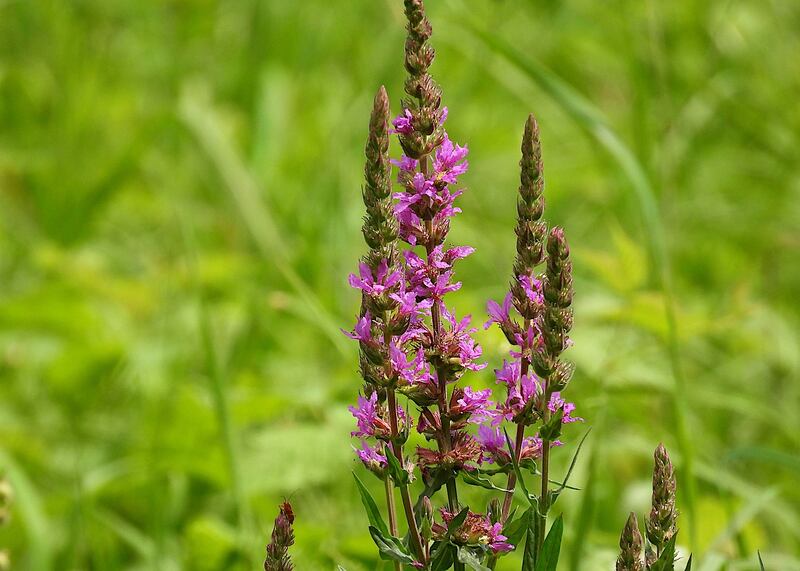
Purple loosestrife chokes out native wetland vegetation. A mature plant’s seed production can reach up to 2.7 million seeds.
Life cycle: Perennial
Where it thrives: Full sun, freshwater marshes
How to identify purple loosestrife:
Tall spikes of purple-magenta flowers
Lance-shaped opposite leaves on square stems
Grows 4–10 feet.
How to get rid of purple loosestrife: Dig out small infestations before flowering, removing all root fragments. For large areas, apply glyphosate or triclopyr during flowering. Biological control using Galerucella beetles has been effective in some Washington wetlands.
Scotch Broom (Cytisus scoparius)
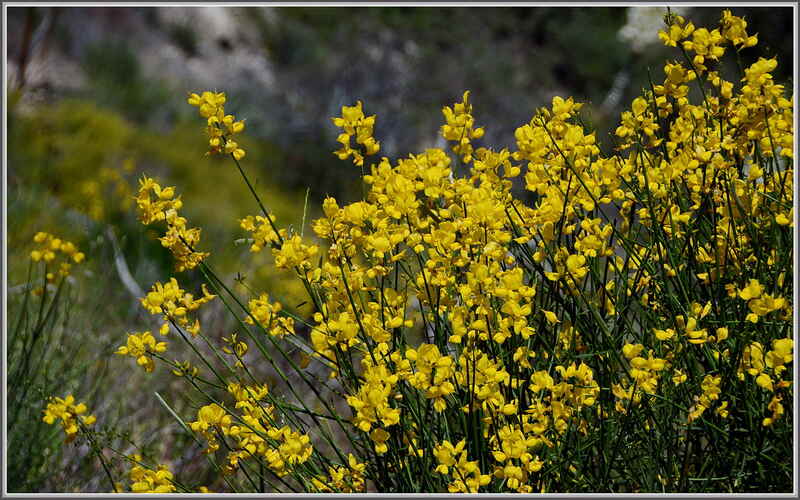
Scotch broom crowds out Washington native plants and increases fire risk. Its seeds remain viable in soil for decades.
Life cycle: Perennial shrub
Where it thrives: Full sun and dry, sandy soils
How to identify scotch broom:
Bright yellow 5-petal flowers
Dark green angular stems with few, small 3-leaflet leaves
Grows 3–10 feet
How to get rid of scotch broom: Control in late winter or early spring before flowering. Pull or dig small plants entirely. Cut large plants at the base and immediately apply triclopyr to the cut surface.
Tansy Ragwort (Jacobaea vulgaris)
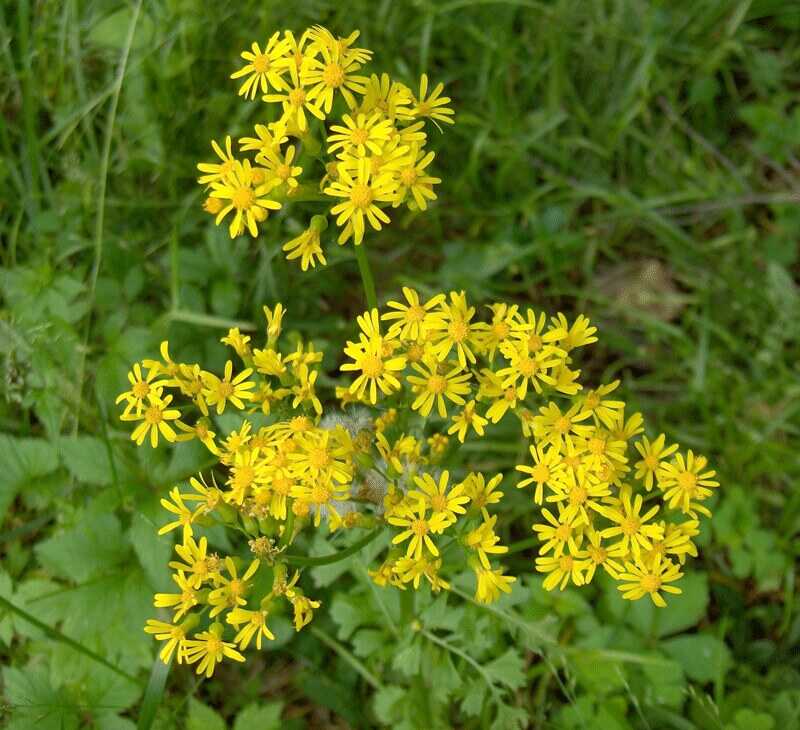
Tansy ragwort is toxic to horses and cattle. Toxins accumulate in the liver, causing irreversible and potentially fatal damage.
Life cycle: Biennial or short-lived perennial
Where it thrives: Full to partial sun, and well-drained loamy to sandy soils
How to identify tansy ragwort:
Flat-topped clusters of yellow daisy-like flowers and deeply divided ruffled leaves
Grows 2–4 feet
Distinctive ragwort smell when crushed
How to get rid of tansy ragwort: Pull or dig before flowering (wear gloves, as it can irritate skin). Apply herbicides containing 2,4-D, dicamba, or picloram.
Class C Noxious Weeds: Widespread but Worth Managing
Class C weeds are widespread, and control is not legally required. However, managing them reduces property damage and prevents more aggressive species from establishing.
Canada Thistle (Cirsium arvense)
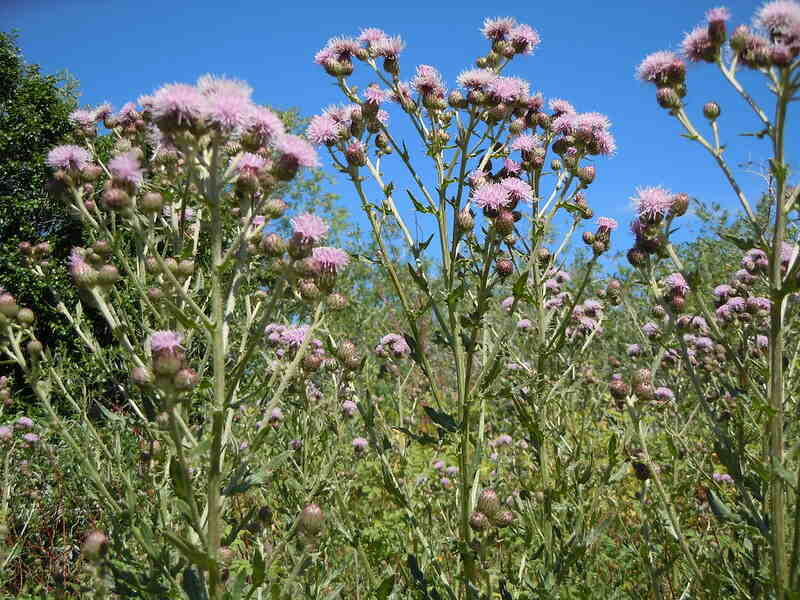
According to King County, Canada thistle’s root system can reach 6 to 15 feet deep, and horizontal roots can spread 15 feet or more. Any fragment left behind can regenerate.
Life cycle: Perennial
Where it thrives: Full sun and moist soils
How to identify Canada thistle:
Purple or pink flower heads and spiny lobed leaves
Seedlings emerge as small rosettes in fall or early spring, with fluffy tops
It grows 2–5 feet tall
How to get rid of Canada thistle: Repeated mowing limits seeding. Apply herbicides containing aminopyralid, dicamba, or glyphosate during the rosette stage in fall or early spring.
English Ivy (Hedera helix)
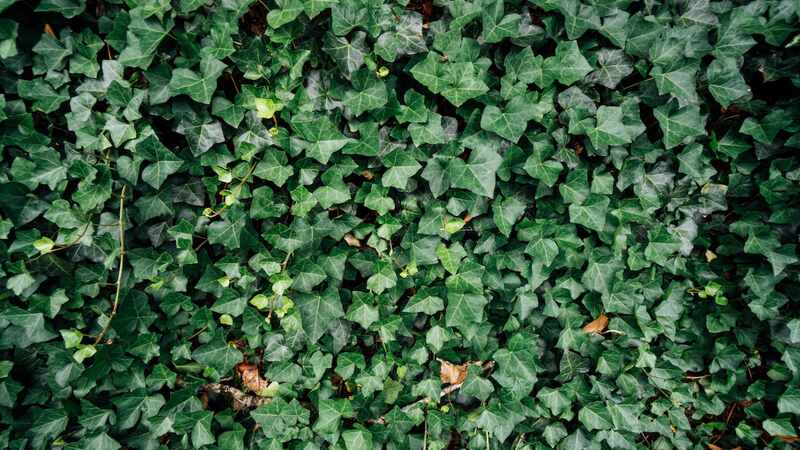
English ivy smothers native ground cover plants, climbs and kills trees, and prevents native plants from re-establishing.
Life cycle: Perennial evergreen vine
Where it thrives: Full sun to full shade, dry to moist soils. Drought-tolerant once established.
How to identify English ivy:
Dark green waxy lobed leaves
Climbing or trailing vine with aerial roots
Small greenish flowers and dark berries when mature
How to get rid of English ivy: Pull or cut ground-level vines, removing roots. On trees, cut a stem section at the base and strip the vines away from the tree. Carefully apply triclopyr or glyphosate to cut stems.
Field Bindweed (Convolvulus arvensis)
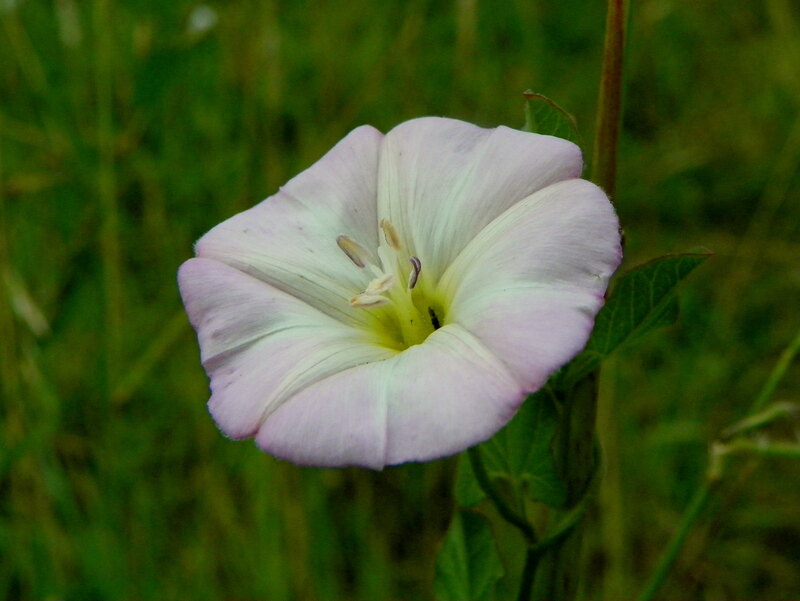
Field bindweed’s root depth can reach 20 to 30 feet, and its seeds can remain viable for up to 50 years, according to Washington State University. Expect multiple growing seasons of treatment.
Life cycle: Perennial
Where it thrives: Full sun and mesic to dry conditions
How to identify field bindweed:
Arrow-shaped leaves and white or pink trumpet-shaped flowers
Twining, trailing vine.
How to get rid of field bindweed: Dig the plants with the roots every 2-3 weeks (they’ll regrow until you deplete the root system). Apply herbicides containing 2,4-D, dicamba, or glyphosate repeatedly over several seasons.
Himalayan Blackberry (Rubus armeniacus)
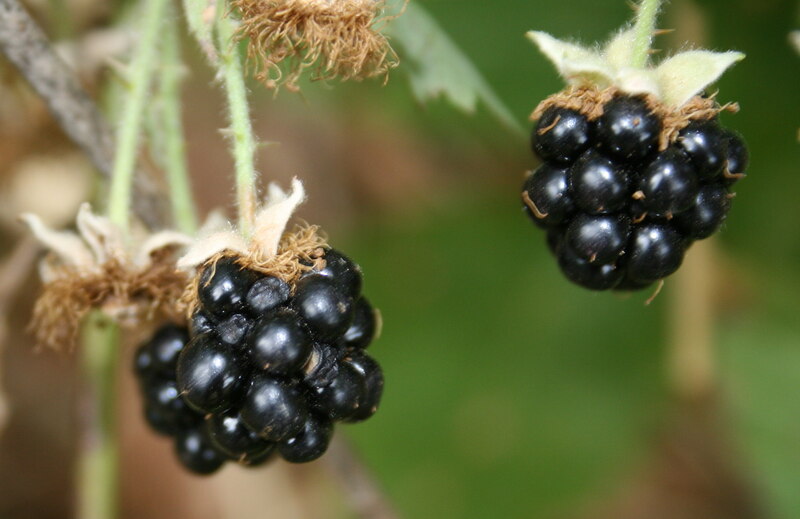
Himalayan blackberry forms impenetrable thickets that crowd out native vegetation and create fire hazards.
Life cycle: Perennial
Weed type: Where it thrives: Full sun, with loamy, nutrient-rich soils
How to identify Himalayan blackberry:
White to pink flowers and compound leaves with 3–5 leaflets
Thick arching canes with stout thorns
Large black berries in late summer
How to get rid of Himalayan blackberry: Cut canes and dig out the root crown. Repeated cutting over several years exhausts the root system. Apply triclopyr or glyphosate to freshly cut stems or regrowth in late summer or fall.
Reed Canarygrass (Phalaris arundinacea)
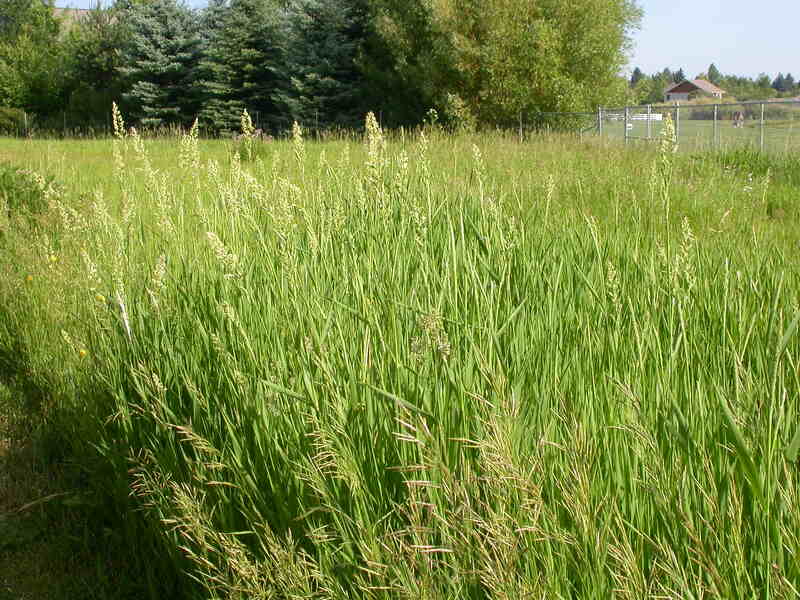
Reed canarygrass dominates wetlands and stream banks, forming dense monocultures that reduce biodiversity.
Life cycle: Perennial
Where it thrives: Partial shade to full sun, and saturated soils
How to identify reed canarygrass:
Tall coarse grass, 3 to 6 feet tall
Flat, broad leaf blades
Dense compact seed heads that turn tan when mature.
How to get rid of reed canarygrass: Repeated mowing or grazing weakens stands. Apply glyphosate when actively growing in late spring or early fall.
Let Pros Handle Stubborn Weeds
Washington’s weeds can be relentless, but you do not have to fight them alone. LawnStarter connects you with vetted local pros who handle the state’s toughest weeds for around $79 to $120 per visit.
Get an instant price for LawnStarter’s lawn treatment services today to start eliminating this season’s weeds in your lawn.
FAQs
Apply pre-emergent herbicides in early spring. Aim for the window when soil temperatures are consistently around 55 degrees, since that is when many annual weeds begin germinating.
Report to your county’s Noxious Weed Control Board. The free WA Invasives app (iOS and Android) lets you photograph and pin the location of a suspected noxious weed in seconds.
Yes. Western Washington’s wet, mild climate favors moisture-loving weeds like creeping buttercup and shade-tolerant ones like English ivy. Eastern Washington’s hot, dry summers favor drought-adapted weeds like cheatgrass, which fuels wildfire in shrub-steppe rangeland. Many species, including field bindweed, grow on both sides.
See Related: How to Get Rid of Cheatgrass
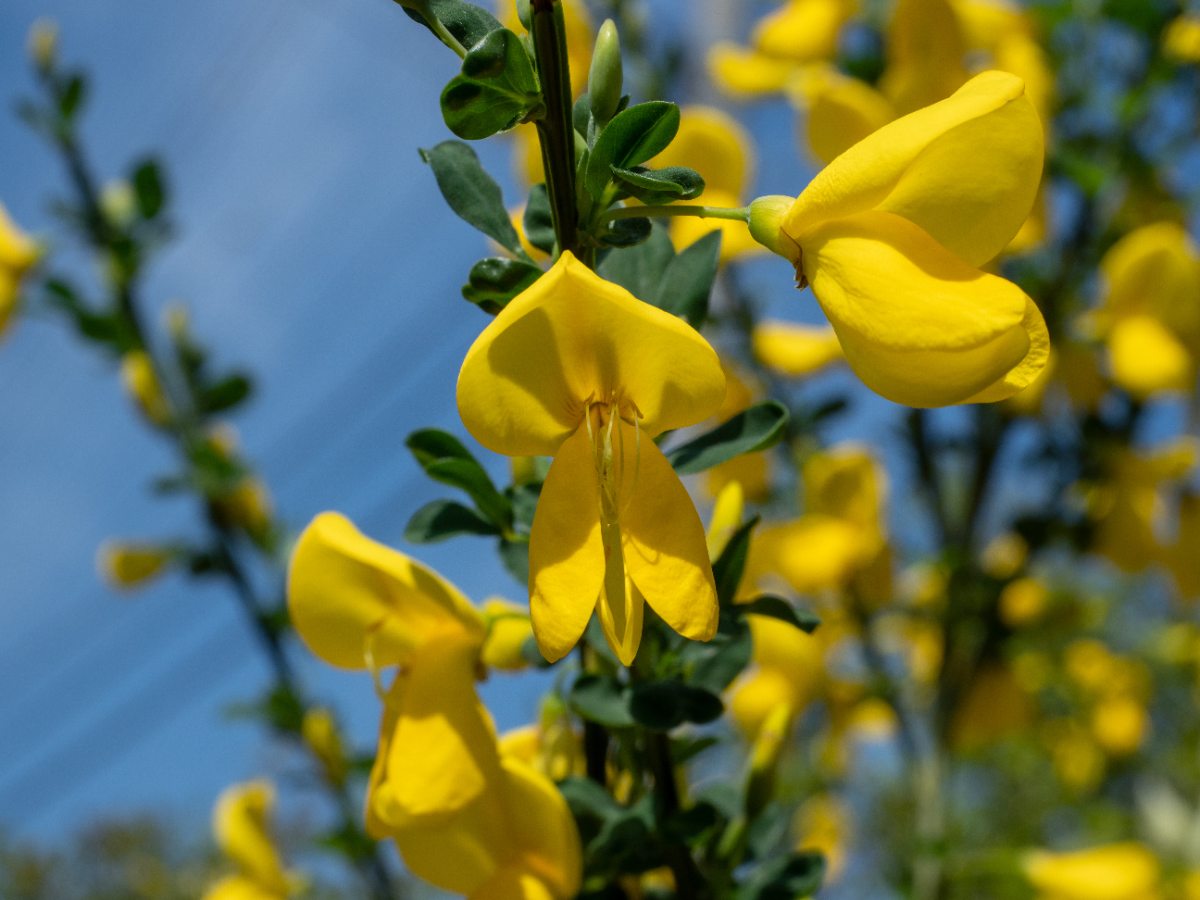
Main Image: Bright yellow Scotch broom flowers in full bloom. Photo Credit: tooru / Adobe Stock