| Key Takeaways: |
|---|
| • Treat in early summer (mid-June to July) when young nymphs are most vulnerable. • Confirm first: Use the soap-flush test before treating. • Natural methods work: Neem oil, beneficial nematodes, and natural predators provide long-term control. • Prevention is key: Proper mowing, deep watering, and regular dethatching help turf resist mole crickets. |
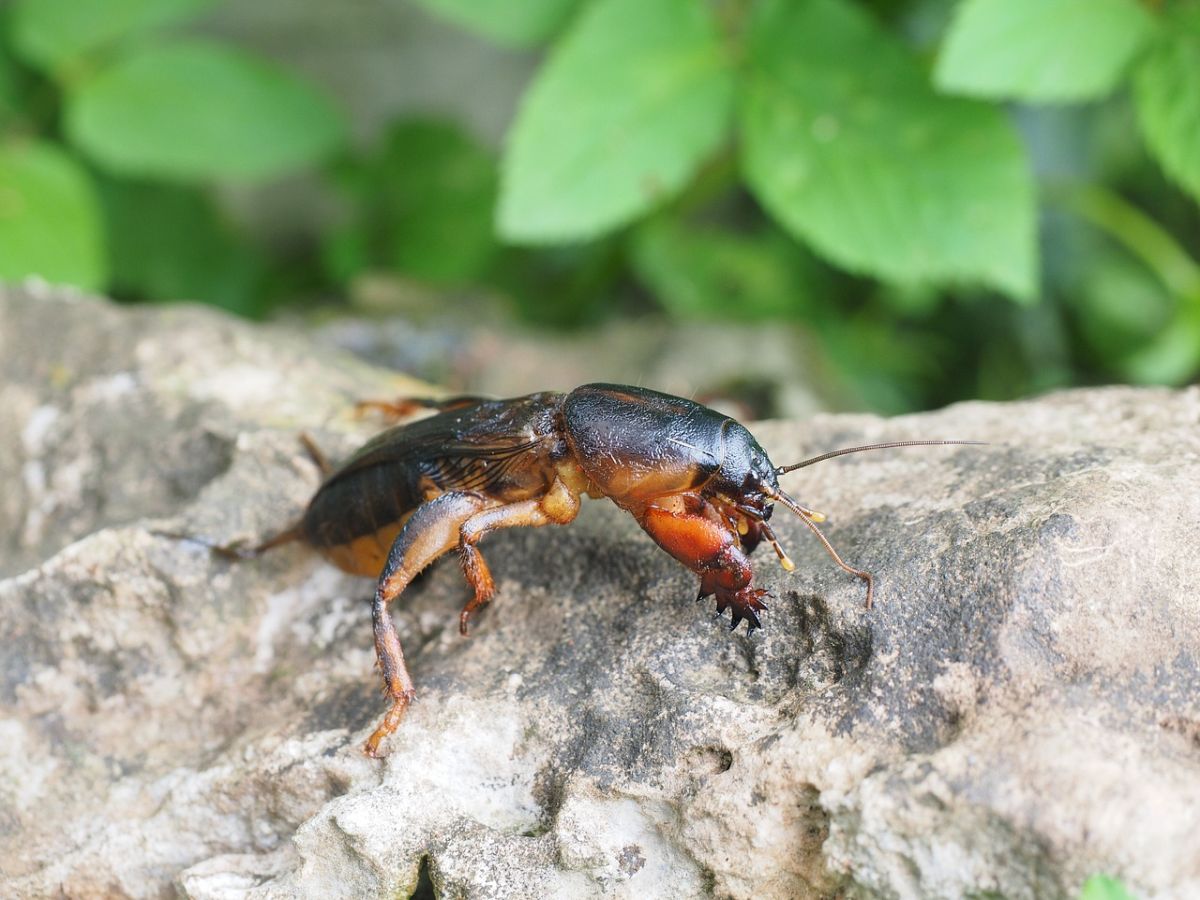
You can eliminate mole crickets using chemical pesticides, natural methods like neem oil and beneficial nematodes, or proper lawn care practices that make your turf less attractive to these pests. However, timing is critical for effectiveness.
Mole crickets burrow underground and feed on grass roots and blades, creating unsightly tunnels that can seriously damage or kill sections of your lawn. Without quick action, a small problem can turn into widespread destruction.
This guide will show you how to identify, treat, and prevent mole cricket damage, based on insights from an entomology expert. If you don’t want to do it all yourself, connect with a local lawn treatment pro who can assess your situation and apply the right treatment at the right time.
What Are Mole Crickets and Why Are They Destroying Your Lawn?
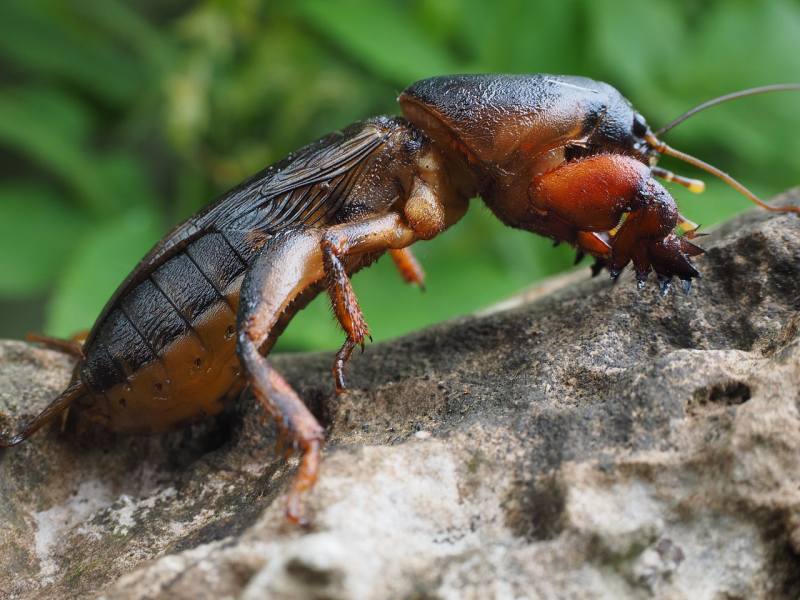
Mole crickets are insects with large, clawed front legs perfectly designed for digging. These 1- to 2-inch pests tunnel just below the soil surface, creating networks of burrows that loosen the soil, uproot grass plants, and damage their root systems.
Some mole cricket species feed directly on grass roots and shoots, causing significant damage if left untreated. Others feed primarily on insects or soil organic matter, but they can still wreak havoc through their tunneling. The two most destructive species are the tawny mole cricket and the southern mole cricket.
Signs of Mole Cricket Damage
Watch for these warning signs:
- Raised, tunnel-like ridges just below the surface
- Spongy or soft feeling when walking on affected areas
- Brown patches of dying grass, especially in late summer
- Small areas of disturbed or loosened soil near surface tunnels
- Increased bird activity or wildlife digging in the lawn (they’re hunting the crickets)
How to Identify Mole Crickets: The Soap Flush Test
Before investing in treatment, confirm mole crickets are actually present. Purdue Professor of Entomology Douglas Richmond explains that one of the best strategies to monitor mole crickets is to “regularly scout your lawn using the soap‐flush method.”
Here’s how to do a soap flush test in your lawn:
- Mix 2 tablespoons of liquid dish soap with 1 gallon of water.
- Pour the solution over 1 to 2 square feet of the suspected area.
- Wait 2-3 minutes for any underground mole crickets to rise to the surface.
- If 2-4 mole crickets emerge, your lawn needs treatment.
How to Get Rid of Mole Crickets With Pesticides
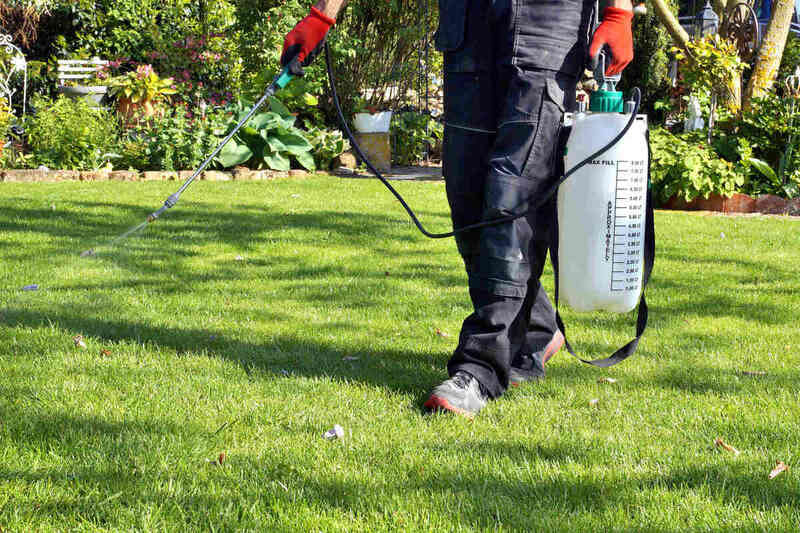
Chemical control provides rapid results when mole cricket populations cause visible damage. The key is timing treatments correctly.
When to Apply Insecticides
Richmond advises using caution and careful timing when using insecticides. He says, “Apply insecticides carefully if damage is above [an acceptable] threshold during vulnerable periods.”
But what (and when) is the vulnerable period for mole crickets? “Treat when nymphs emerge (mid-June to July), since they’re vulnerable then,” he explains. Young mole crickets have softer bodies and stay closer to the surface, making them more susceptible to pesticides.
Apply Liquid or Granular Insecticides
Both liquid and granular insecticides effectively control mole crickets. Apply them according to label instructions, and water your lawn afterward to help the product penetrate the soil.
Because mole crickets can develop resistance, it’s best to rotate between different insecticide classes or use combination products:
| Insecticide Class | Active Ingredients |
| Organophosphates | Trichlorfon |
| Neonicotinoids | Imidacloprid, clothianidin |
| Synthetic pyrethroids | Permethrin, bifenthrin, lambda-cyhalothrin, beta-cyfluthrin, zeta-cypermethrin |
Use Mole Cricket Baits
If you’d rather go with mole cricket baits, spread them from late spring to early summer for best results. Baits containing indoxacarb or carbaryl attract adult mole crickets that emerge to feed at night.
Important: Check the weather forecast and apply baits only when no rain is expected for 2-3 days. Rain washes away the bait before crickets can consume it.
Not comfortable handling pesticides? LawnStarter’s local lawn treatment pros can safely apply chemical treatments and ensure proper timing for maximum effectiveness.
How to Get Rid of Mole Crickets Naturally
Natural control methods often outperform conventional pesticides for long-term mole cricket suppression. Here are your options:
Use Beneficial Nematodes
Microscopic parasitic worms attack mole crickets by infecting them with fatal bacteria. They’re safe for people, pets, and beneficial insects like bees.
Richmond notes that “nematodes like Steinernema scapterisci, along with the parasitic wasps Larra bicolor, often outperform conventional pesticides in long-term mole cricket suppression.”
How to use beneficial nematodes:
- Moisten the soil.
- Mix the nematodes with water according to package directions.
- Apply with a garden sprayer in the evening, early morning, or on cloudy days (harsh sunlight harms nematodes).
- Water lightly after application to help nematodes penetrate the soil.
- Reapply regularly for best results.
The challenge? “Finding a commercial source for these natural enemies can be difficult,” Richmond acknowledges. Wait to buy them until it’s time to apply them, as they have a short shelf life.
See Related: Beneficial Nematodes: Where to Buy Them and How to Use Them
Apply Neem Oil for Mole Crickets
Does neem oil kill crickets? Yes, neem oil is a naturally occurring pesticide that kills mole crickets on contact and repels future infestations. It works by disrupting the insect’s protective coating, causing dehydration and death.
Application instructions:
- Mix 3 tablespoons of cold-pressed neem oil with 3 tablespoons of mild dish soap and 2 gallons of water.
- Apply to affected areas using a garden sprayer.
- Treat at dusk or dawn to avoid harming bumblebees and other beneficial insects.
- Repeat every 7-10 days until mole cricket activity decreases.
Attract Natural Predators of Mole Crickets
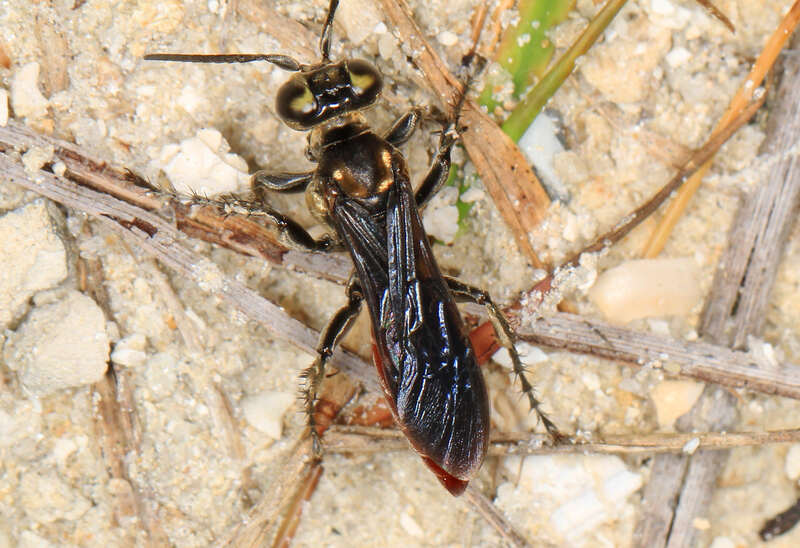
Supporting natural enemies is another effective strategy against mole crickets. Richmond emphasizes that “parasitoid wasps (Larra bicolor), and native predators build consistent, natural suppression.”
Here’s how to attract some of mole crickets’ natural predators:
| Natural Predator | How to Attract Them |
| Larra bicolor wasp | Plant host plants: shrubby false buttonweed, partridge pea, or starflower |
| Ground beetles (Pheropsophus aequinoctialis) | Topdress the lawn and beds with compost annually; encourage biodiversity |
| Assassin bugs (Sirthenea genus) | Use organic lawn care methods to encourage beneficial insects |
| Birds | Add birdbaths and native pollinator plants |
| Frogs | Install a backyard pond |
Note: If you notice armadillos digging in your lawn, they’re likely hunting mole crickets — a sign of infestation. Employ the soap flush test to confirm it.
Apply Beneficial Fungi
Certain fungi marketed as biopesticides show promise for mole cricket control. Beauveria bassiana and Metarhizium species kill mole crickets when incorporated into soil or applied as bait.
Hand-Pick Mole Crickets
For small populations, try hand-picking mole crickets early in the morning when they’re active near the surface and dropping them into a bucket of soapy water. Sticky traps also work for monitoring and capturing small numbers, though they’re not effective for large infestations.
How to Prevent Mole Crickets With Proper Lawn Care
Richmond explains that “a healthy turf is less attractive to mole crickets.” He emphasizes the importance of basic lawn maintenance: “Maintain a healthy lawn by practicing proper mowing, irrigation, [and] fertilization.”
Here’s how to start:
- Mow correctly: Cut at the recommended height for your grass type and never remove more than one-third of the grass blade in a single mowing.
- Water deeply and infrequently: Apply 1 to 1.5 inches of water per week, divided into two watering sections. Ensure moisture reaches 6-8 inches deep for optimal root development.
- Limit outdoor lighting during mating season: Mole crickets are attracted to bright outdoor lights, especially during their mating season from March to early May.
- Choose resistant grass varieties: Some grass types are highly susceptible to mole cricket damage. Consider using improved varieties like Palisades, Cavalier, and Emerald for Zoysia and TifSport hybrid Bermudagrass.
- Remove excess thatch: Mole crickets are drawn to lawns with thatch build-up, so dethatch your lawn regularly.
Need help maintaining your lawn? Find local mowing services through LawnStarter that know exactly how to care for your grass type.
See Related:
– How to Mow Your Lawn: A No-Nonsense Guide
– How Often Should I Water My Lawn?
FAQ
Chemical insecticides containing bifenthrin or trichlorfon provide the fastest knockdown and are the best mole cricket killer. However, instant results usually require direct contact with the pest.
For the most effective control, treat in early summer when young nymphs are vulnerable, and water the lawn before and after application to drive insects toward the surface where they come into contact with the product.
Yes, mole crickets cause significant lawn damage, so they are bad for your lawn. They feed on grass roots and shoots while creating extensive tunnel networks that uproot plants and leave spongy, dying patches.
In the Southeast, invasive tawny and southern mole crickets cause millions of dollars in turf damage annually. Early detection and treatment prevent minor problems from escalating into major lawn damage.
Mole crickets are attracted to moist, thatchy soils (especially in warm-season grasses like St. Augustinegrass, bahiagrass, and Bermudagrass). They are also attracted to bright outdoor lights.
When to Call a Professional
Mole crickets can be challenging to manage without experience in pest control timing and application. Consider calling a local lawn treatment professional if the damage is spreading rapidly across your lawn or if you’re uncomfortable handling chemical pesticides. You can also contact a LawnStarter lawn mowing pro for dethatching services that remove the excess thatch layer mole crickets love.
Main Image: Close-up of a mole cricket with green leaves. Image Credit: Pixabay
Related Posts: