| Key Takeaways |
|---|
| • Centipedegrass suits South Atlanta: This low-maintenance grass type is best used in the southern part of the city. • Soil type narrows the options: Georgia is known for its red, clay soil, so it's important to know what grass types will thrive in your soil. • Traffic level guides the choice: Certain grass types hold up better in high-traffic areas, while others work fine with low to moderate foot traffic. |
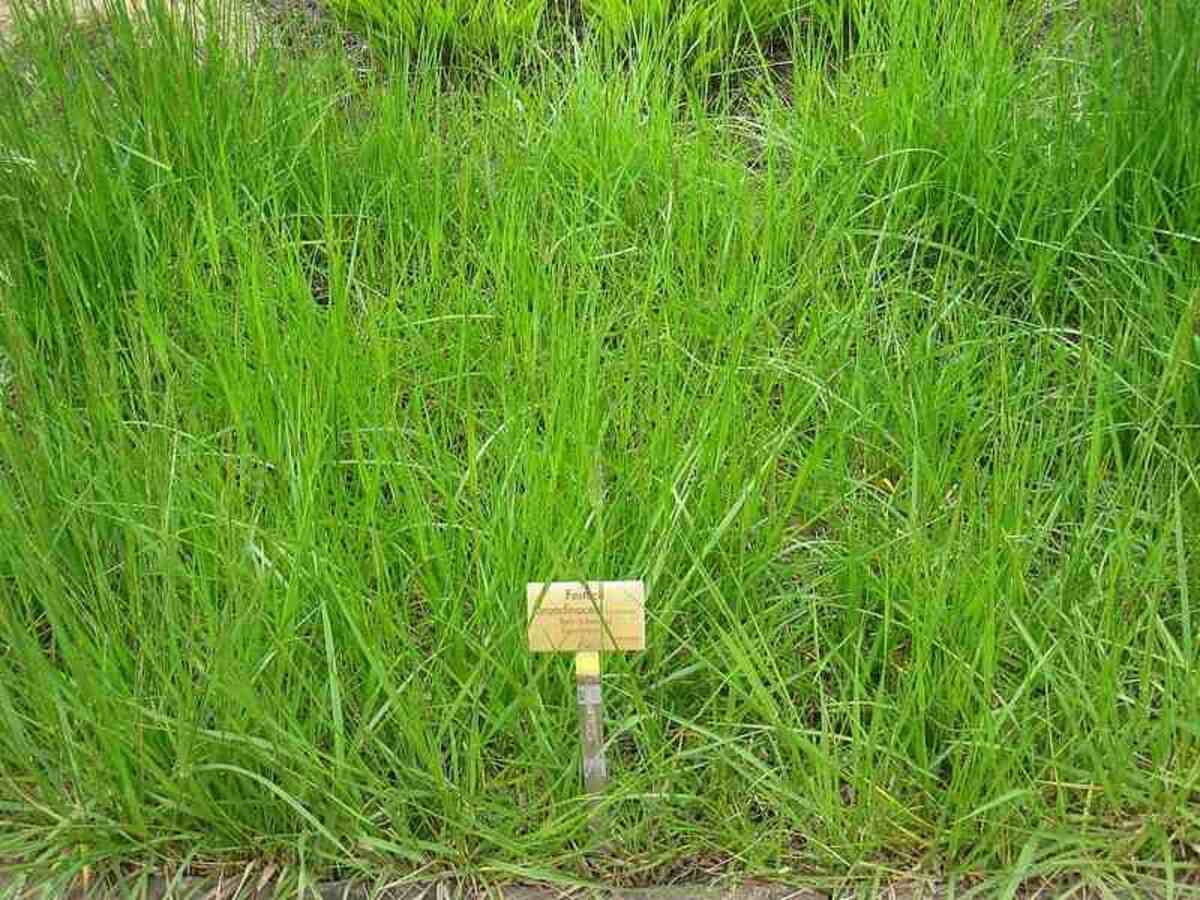
With yearly temperatures ranging from the low 30s to the low-to-mid 90s, Atlanta’s climate is perfect for having a gorgeous lawn. The best grass types for Atlanta, Georgia, lawns are Bermudagrass, centipedegras, Zoysia, tall fescue, and St. Augustinegrass.
In this article, we’ll detail each of these best grass types for Atlanta lawns, so you can better care for your grass. And if you’re too busy, hire one of LawnStarter’s Atlanta lawn care pros to take grass cutting and other yard chores off your to-do list.
What Grass is Best for You?
The best grass for your Atlanta lawn depends on many factors, from the level of maintenance you’re willing to do to your lawn’s mix of sun and shade, among other things. Select your preferences in the calculator below, and we’ll tell you which grass types most closely meet your needs.
Atlanta Lawn Grass Type Calculator
Recommended Grass Types for Your Atlanta Yard:
Bermudagrass
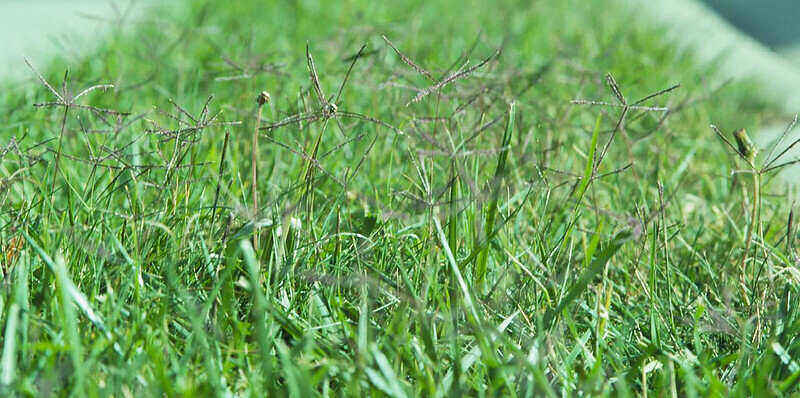
Photo Credit: Matt Lavin / Flickr / CC BY-SA 2.0
Bermudagrass is the most common turfgrass type you’ll find in Atlanta lawns. It’s also used on golf courses, sports fields, and high-trafficked areas due to its tolerance to foot traffic, drought, and cold. That being said, it suffers in shaded areas, so if you choose to go with Bermudagrass, you’ll want to make sure that you lay another type of grass in shaded areas of your lawn.
- Classification: Warm-season grass
- Spreads by: Stolons and rhizomes
- Shade Tolerance: Low
- Drought Tolerance: High
- Foot Traffic Tolerance: High
- Maintenance Needs: High
- Mowing Height: 1 to 1 ½ inches
- Potential for Disease: High; susceptible to spring dead spot, dollar spot, large patch, leaf spot, rust
- Color/Texture: Light to dark green; fine to medium texture
Centipedegrass
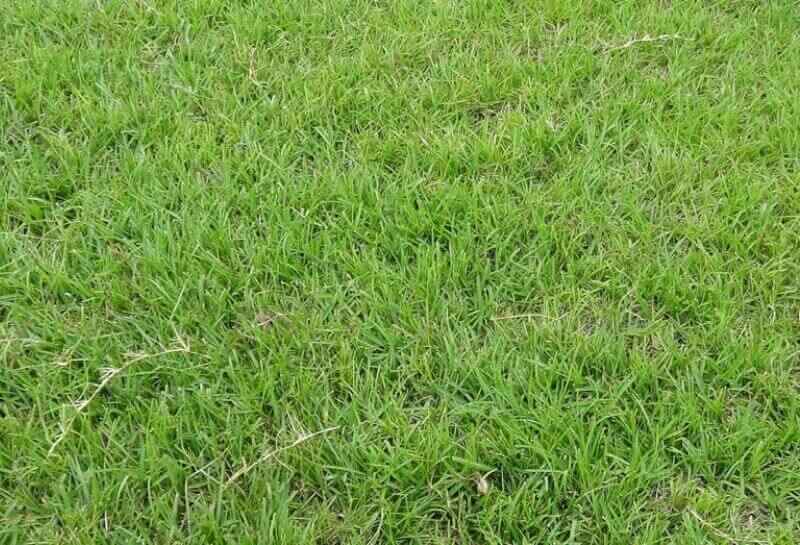
Photo credit: Michael Rivera / Wikimedia Commons / CC BY-SA 4.0
Centipedegrass is best used in the southern part of Atlanta. Also known as the “lazy man’s grass,” it’s a low-maintenance grass type with a good tolerance for drought and warm climates. When it’s healthy, centipedegrass is great at fighting off weeds and other grass types.
- Classification: Warm-season grass
- Spreads by: Stolons
- Shade Tolerance: Moderate
- Drought Tolerance: Moderate
- Foot Traffic Tolerance: Low
- Maintenance Needs: Low
- Mowing Height: 1 ½ to 2 inches
- Potential for Disease: Moderate; susceptible to large patch (formerly known as brown patch)
- Color/Texture: Apple-green colored; coarse texture
Tall Fescue
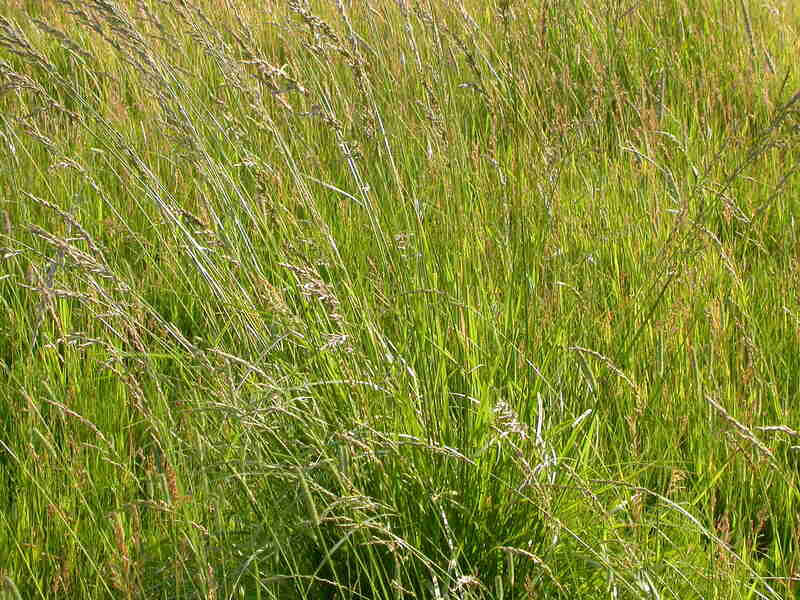
Photo Credit: Matt Lavin / Flickr / CC BY-SA 2.0
Tall fescue is a cool-season grass that requires more water in the summer than warm-season grasses. It needs frequent mowing in the fall and spring, as those seasons provide optimal growing conditions. That being said, tall fescue is a great grass to have in many sun-shade yards since it prefers lots of sun but also tolerates moderate shade.
- Classification: Cool-season grass
- Spreads by: Bunch forming
- Shade Tolerance: Moderate
- Drought Tolerance: High
- Foot Traffic Tolerance: High (needs to be overseeded if wear occurs)
- Maintenance Needs: Low
- Mowing Height: 2 inches
- Potential for Disease: Low; susceptible to brown patch
- Color/Texture: Dark-green; coarse texture
Zoysia
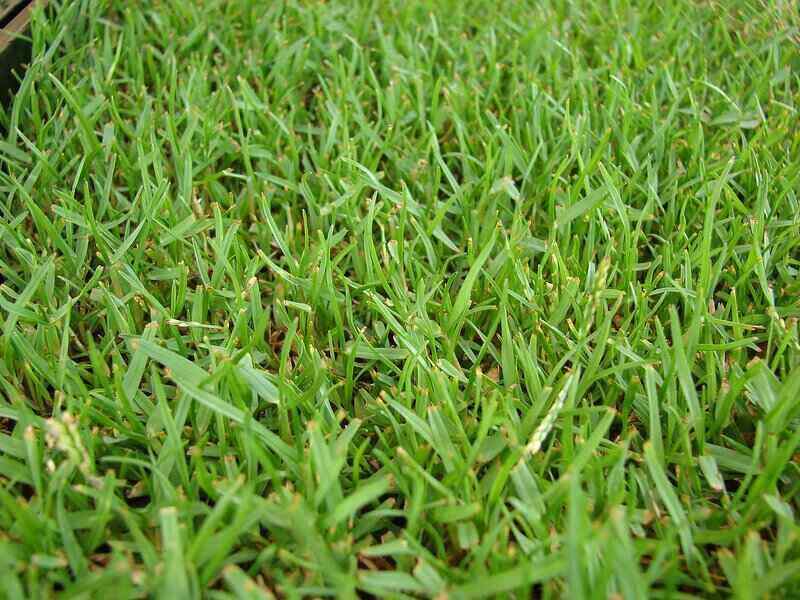
Photo Credit: Forest and Kim Starr / Wikimedia Commons / CC BY 3.0 US
Zoysia (AKA Zoysiagrass) is a warm-season grass that is fairly tolerant of cold temperatures, which is great for yards residing in transition zones. The grass is drought resistant, although it will need more watering during the hotter months compared to other warm-season grass types.
Zoysia thrives in direct sunlight but can also grow well in partial shade. You’ll find that Zoysia comes in fine and coarse-textured cultivars but isn’t as wide-bladed as St. Augustinegrass.
- Classification: Warm-season grass
- Spreads by: Stolons and rhizomes
- Shade Tolerance: Low to moderate
- Drought Tolerance: High
- Foot Traffic Tolerance: High
- Maintenance Needs: Low to moderate (may require moderate mowing frequency)
- Mowing Height: 1 to 2 inches
- Potential for Disease: Moderate; susceptible to brown patch, rust, dollar spot, powdery mildew, fairy rings, pythium blight
- Color/Texture: Light green; from fine to coarse texture depending on the cultivar
St. Augustinegrass
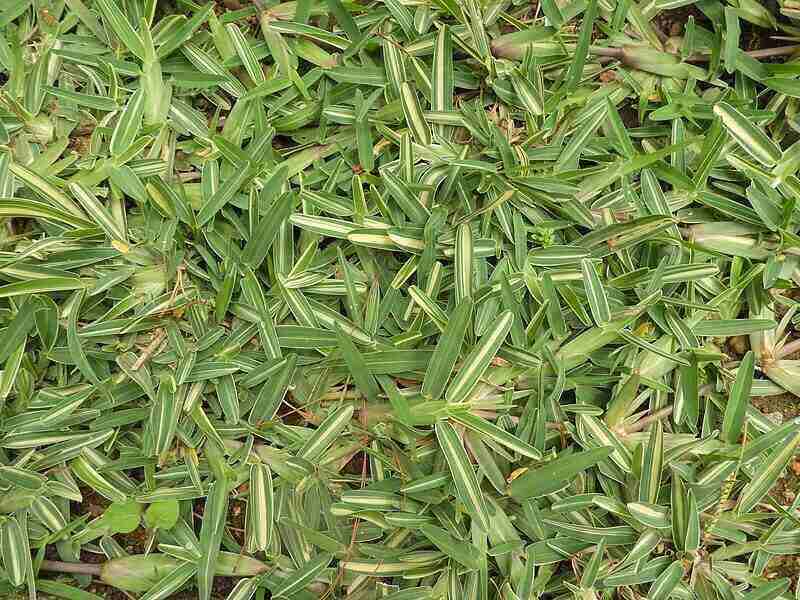
Photo Credit: Yercaud-elango / Wikimedia Commons / CC BY-SA 4.0
St. Augustine is another popular grass type for the southeastern United States. It’s a wide-blade grass that works best in high-temperature, sunny areas, especially in coastal landscapes. When it comes to cold weather, St. Augustine isn’t the most tolerant, but it will survive the mild Atlanta winters. Homeowners either lay down sod or use plugs when adding St. Augustine to their lawns because seed is not available.
- Classification: Warm-season grass
- Spreads by: Stolons
- Shade Tolerance: Low to moderate
- Drought Tolerance: Moderate
- Foot Traffic Tolerance: Moderate
- Maintenance Needs: Moderate
- Mowing Height: 3 ½ to 4 inches
- Potential for Disease: High; susceptible to gray leaf spot, take-all root rot, pythium root rot, brown patch, fairy ring
- Color/Texture: Blue-green; coarse texture
How to Choose the Best Grass for Your Atlanta Lawn
Heavy-Traffic vs. Low-Traffic Areas
When choosing the right grass type for Atlanta, it is a good idea to choose a grass based on your needs. For instance, would you like a grass type that can withstand lots of foot traffic from people and pets? Or do you want a grass perfect for the minimal foot traffic of your yoga sessions?
Best grass types for high-traffic areas:
- Bermudagrass, Zoysia, tall fescue
Best grass types for low to moderate traffic:
- St. Augustine and centipedegrass
How Much Maintenance?
Do you have time to devote to maintaining your lawn? If so, you may be able to handle a high-maintenance grass type. However, if you don’t, opting for one that isn’t much trouble is a better option.
High-maintenance grasses:
Bermudagrass
Low to Moderate Maintenance:
Centipedegrass, St. Augustinegrass, Zoysia, tall fescue
Soil Type
Georgia is known for its red, clay soil. This soil, which is rich in iron, is not easy to grow certain types of grass in. This is why it is essential to know what types of grasses grow well in such soils, especially if you’re starting a lawn from seed.
Grass types that tolerate clay soil:
Bermudagrass, Zoysia (either clay or sandy), tall fescue
Grass types that tolerate sandy soil:
Centipedegrass, St. Augustinegrass
Homeowners, are you unsure which lawn grass to plant in your Atlanta, Georgia, yard? LawnStarter’s local lawn care pros can help you decide the best grass for your new lawn.
Sources:
Main Image Credit: Daderot / Wikimedia Commons / Public Domain
Related Posts: