| Key Takeaways |
|---|
| • Jacksonville's zone 9a to 9b climate and sandy soils suit natives like live oak, winged elm, and hophornbeam. • Match a tree's mature height and spread to your yard so roots and canopy do not crowd structures. • Most picks here are drought-tolerant and low-maintenance once established. |
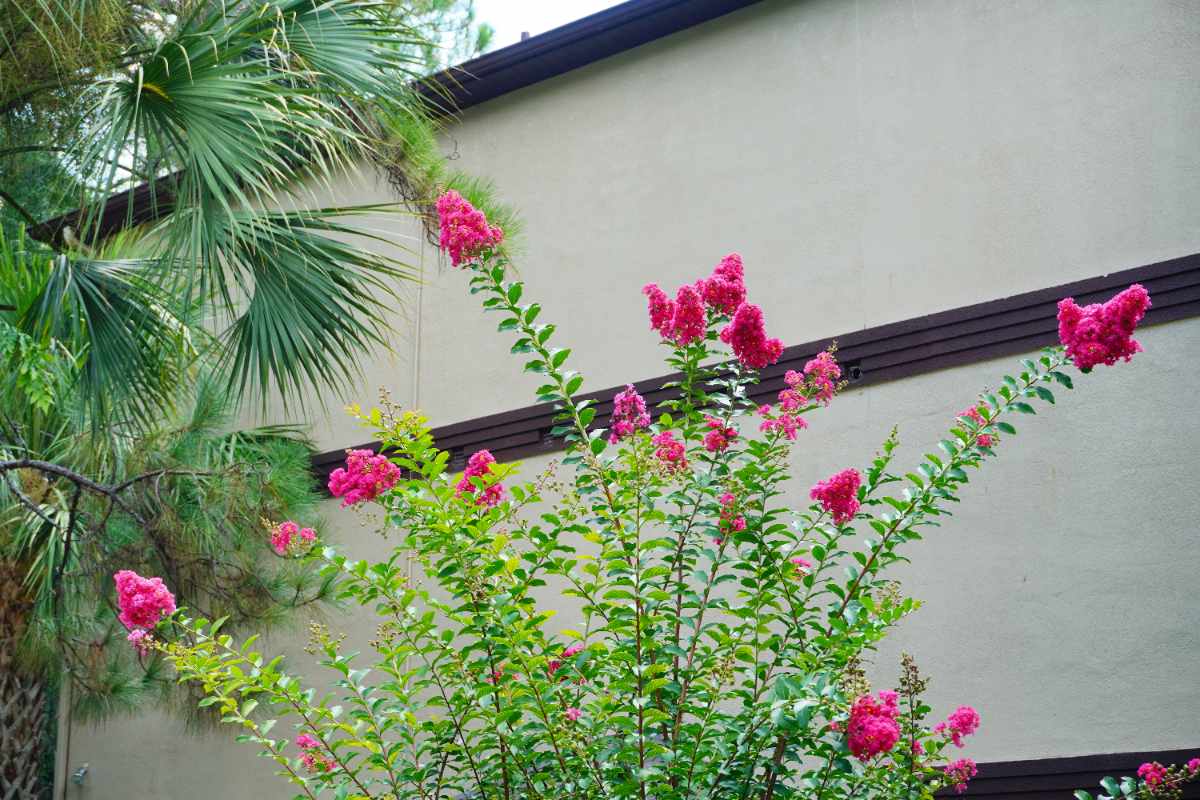
In sunny Jacksonville, the best shade trees to plant, like the Southern live oak, crape myrtle, and Southern magnolia, do double duty: They boost your curb appeal and keep your property cooler through the long, hot summers.
Strategically placed shade trees can even reduce your electricity bills by cooling your home. But not every tree, even some Florida natives, thrives in the River City.
If you would rather not plant and care for them yourself, LawnStarter can connect you with local Jacksonville tree care pros.
The 6 Best Shade Trees to Plant in Jacksonville
The best shade trees to plant in Jacksonville include the crape myrtle, East Palatka holly, winged elm, hophornbeam, Southern magnolia, and Southern live oak. Each one suits the area’s heat, sandy soil, and hardiness zone.
Local soil matters too. Most Duval County yards sit on sandy soils that drain fast but hold little water or nutrients, so young trees need regular watering until established.
Each entry below lists the tree’s sun, water, soil, and pruning needs, plus its mature size, so you can match it to your yard before you plant.
1. Crape Myrtle
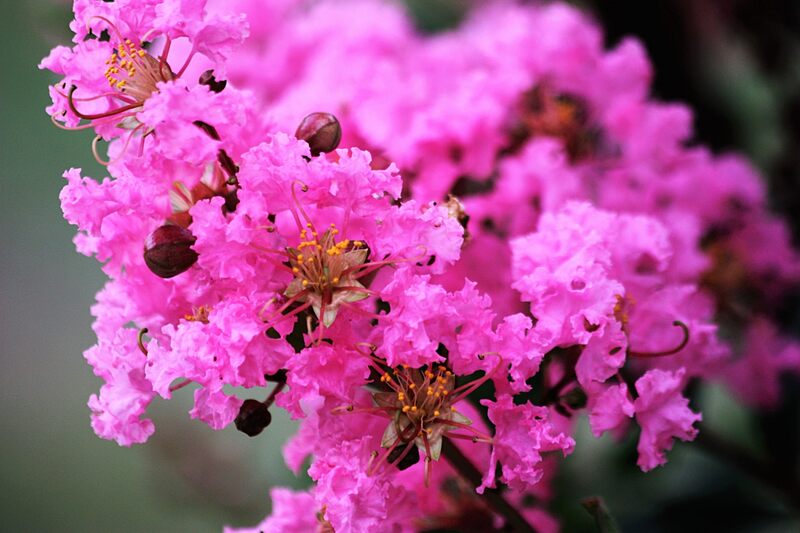
Called the “lilac of the South,” crape myrtles (Lagerstroemia species) are flowering trees that bloom well into summer after most other trees have stopped. Their flowers are thin, quite like crepe paper, and come in white, pink, crimson, or even deep purple.
In the fall, crape myrtles grace your property with their yellow, orange, and red leaves. Even in winter, they look beautiful with their mottled bark.
The crape myrtle is a great shade tree not just for its beauty but also for its low maintenance. It is quite drought-tolerant and does not need much pruning at all.
Larry Figart, an urban forestry extension agent with the University of Florida Institute of Food and Agricultural Sciences (UF/IFAS), even cautions against excessive pruning of the top of the tree, as it delays flowering and causes odd growth. Instead, consider the tree’s mature height when picking a cultivar.
Sun: Full sun
Water Needs: Drought-tolerant, but needs more water when younger
Soil Type: Grows in most soil types, but neutral or slightly acidic is best. Avoid wet soils.
Pruning: Little pruning is required. Excessive pruning is detrimental.
Size: 5 to 30 feet tall and 6 to 15 feet wide
2. East Palatka Holly
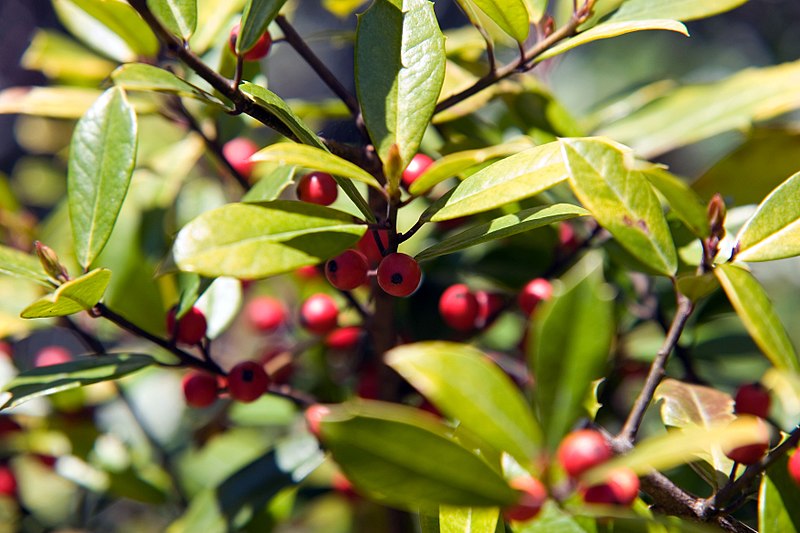
The East Palatka holly (Ilex x attenuata ‘East Palatka’) is a less traditional choice for a shade tree, but it is a solid one. These native hybrid trees can be used as shade trees, hedges, or even privacy screens.
The East Palatka holly is evergreen, with stiff green leaves and red berries. It will be a striking feature of your lawn in the winter.
Its berries attract birds that love to eat them, but do not try them yourself. The berries are poisonous to people and pets, so keep your kids and furry friends away.
Sun: Does well in full sun or full shade, but grows more berries in full sun
Water Needs: Drought-tolerant, but needs more water when first planted. Water often if you want new growth.
Soil Type: Rich, slightly acidic, well-draining soil. It tolerates salty soils well, which helps near Jacksonville’s coast, where salt spray is a real consideration.
Pruning: Little pruning is required. Prune if you want a wider crown.
Size: 30 to 45 feet tall and 10 to 15 feet wide
3. Winged Elm
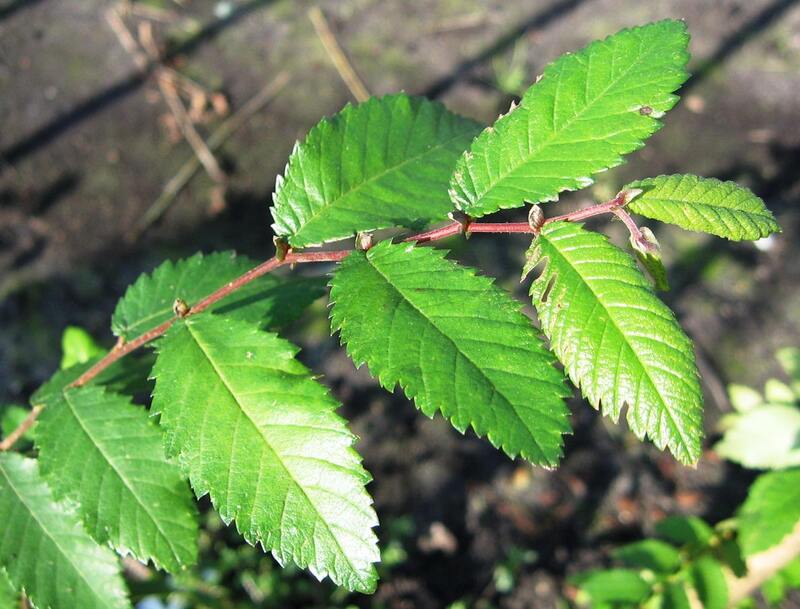
The winged elm tree (Ulmus alata) is a Florida native, so it is well-suited for Florida landscapes. The winged elm gets its name from the corky projections on its branches, and its round crown is shaped like a vase.
The winged elm is a robust tree that is low maintenance. However, it does need regular pruning for its first 30 years of life. This will prevent multiple trunks and give its branches a cohesive structure.
Sun: Full sun or full shade
Water Needs: Very drought-tolerant but appreciates regular watering
Soil Type: Survives in all soil types
Pruning: Needs regular pruning
Size: 45 to 70 feet tall and 30 to 40 feet wide
4. Hophornbeam
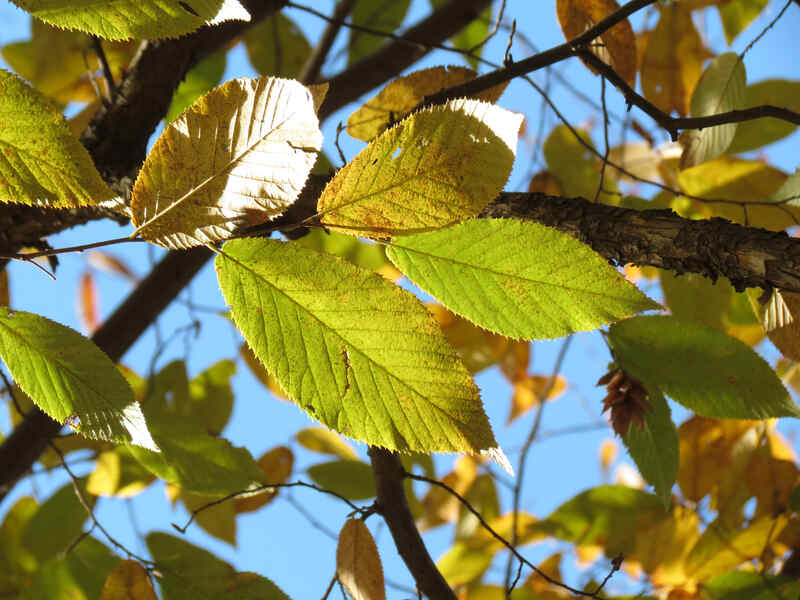
The American hophornbeam (Ostrya virginiana) is not a well-known tree, but its smaller size makes it perfect for smaller lawns.
The American hophornbeam has a rounded crown and interesting bark but a shallow root system. It produces nutlets that attract many types of wildlife, such as birds. In the fall, its leaves turn golden.
A point in favor of the hophornbeam is that it is a plant-and-forget tree with low maintenance requirements. It will survive in all sorts of conditions.
Sun: Full sun or full shade
Water Needs: Very drought-tolerant
Soil Type: Survives in all soil types
Pruning: Needs little pruning
Size: 30 to 40 feet tall and 25 to 30 feet wide
5. Southern Magnolia
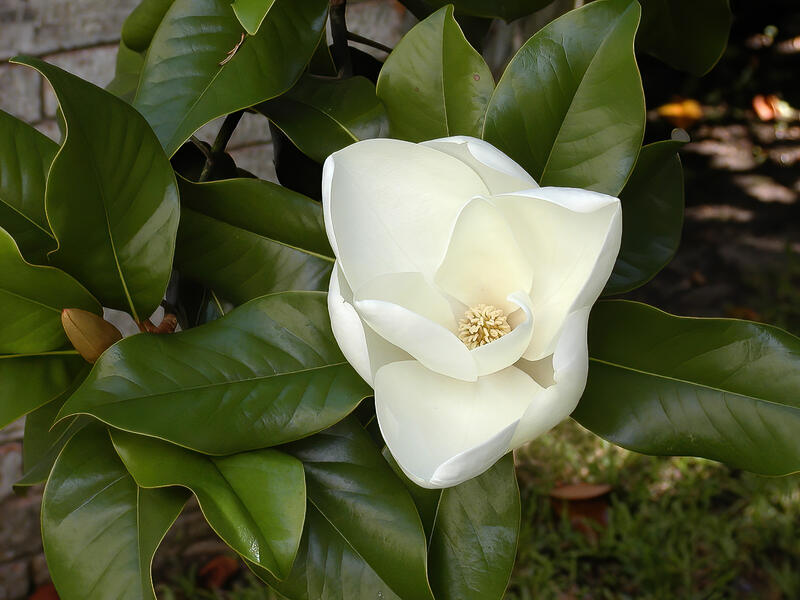
The Southern magnolia (Magnolia grandiflora) is yet another iconic tree from the South. This evergreen tree blossoms from May to June, gracing your property with its large and fragrant white flowers.
The Southern magnolia’s large leaves are green and glossy, but they drop all year round. You will need to clean up your yard more often if you choose to plant this beauty.
There are other downsides to the majestic Southern magnolia. While it is a sturdy, wind-resistant tree, its roots are shallow and spread far and wide, and they can lift sidewalks and driveways.
And while it is an excellent shade tree, it is a little too good at its job: Grass will have a hard time growing under its dense shade.
Sun: Full sun to partial shade
Water Needs: Moderately drought-tolerant, but it likes periodic watering
Soil Type: Avoid alkaline soils
Pruning: Very little pruning needed
Size: 60 to 80 feet tall and 30 to 40 feet wide
Note: If you are looking for a smaller and less messy magnolia tree alternative, consider the sweetbay magnolia (Magnolia virginiana). Its leaves do not drop, and it can live in more environments than its larger cousin. However, it is less drought-tolerant.
6. Southern Live Oak
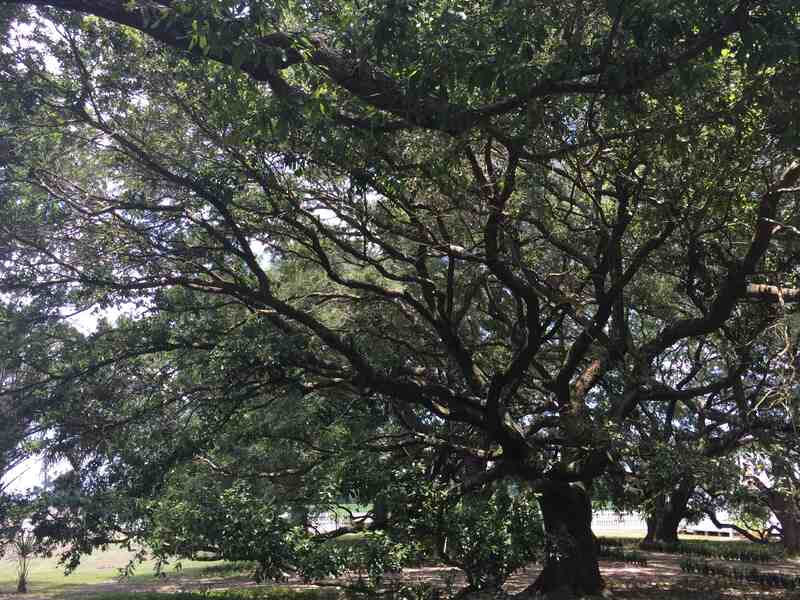
The majestic Southern live oak (Quercus virginiana) is another icon of the Old South. While it grows slowly, it will grow tall and wide, so it is a perfect shade tree for larger properties.
This large tree is sturdy, long-lived, and nearly evergreen. Although it is a deciduous tree, its leaves fall only after new leaves have arrived in the spring. Just make sure not to plant an oak too close to any buildings.
In Jacksonville, a Southern live oak is a strong contender for the oldest living thing in the city. The Treaty Oak is estimated to be around 250 years old and is older than the River City itself.
Sun: Full sun to partial shade
Water Needs: Drought-tolerant but grows vigorously when watered
Soil Type: Tolerates most soils but thrives in moist, acidic loamy, clay, or sandy soil
Pruning: Required for good structure. Prune yearly in its first years (age 1 to 3), then every five years until about age 30.
Size: 60 to 80 feet tall and 60 to 120 feet wide
FAQs
A few more Jacksonville-friendly natives are worth a look:
• Red maple (Acer rubrum): Gives Jacksonville its beautiful fall colors
• River birch (Betula nigra): Fast-growing and moderately drought-tolerant, but it can trigger allergies for some people
• Sweetbay magnolia: A less messy alternative to traditional magnolias
Flowering dogwoods are popular for their blooms, which historically signaled spring across North and Northeast Florida. However, they are difficult to nurture, especially with warming temperatures and powdery mildew. If you plant one in your Jacksonville yard, keep it in partial shade.
While trees have many benefits, they are not perfect additions to your yard. They come with their own weaknesses and problems. Read our article about the pros and cons of having trees in your yard to find out more.
Generally, trees that grow too fast tend to have weak wood, making them less likely to withstand strong winds. Others are simply messy or flat-out stinky. You can read our article on the worst trees to plant in Jacksonville to find out more.
How To Beau-tree-fy Your Jacksonville Yard
Trees make wonderful additions to your home because they offer both beauty and utility. Still, it is best to plant trees suited to your area’s conditions.
So, if you live in Jacksonville, consider choosing these trees. You can plant them yourself or hire one of LawnStarter’s local pros to plant them for you. LawnStarter can connect you with a Jacksonville landscaping specialist today.
LawnStarter also connects you with landscaping pros in nearby cities and suburbs like Orange Park, Atlantic Beach, Neptune Beach, Jacksonville Beach, Ponte Vedra, and more.
Read More:
Main Image: A pink crepe myrtle bursts into full summer bloom alongside a Florida home with palm and pine trees in the background. Photo Credit: Feng / Adobe Stock
Related Posts: