| Key Takeaways: |
|---|
| ● Mold allergies: Wet leaf piles grow mold that can worsen allergies and asthma. ● Hidden hazards for pets: Acorns, moldy fruits and nuts, and mushrooms under leaves can make pets sick. ● Fires and falls: Dry leaves near your house, grill, or parked cars can ignite, and wet leaves make steps and walkways slick. |
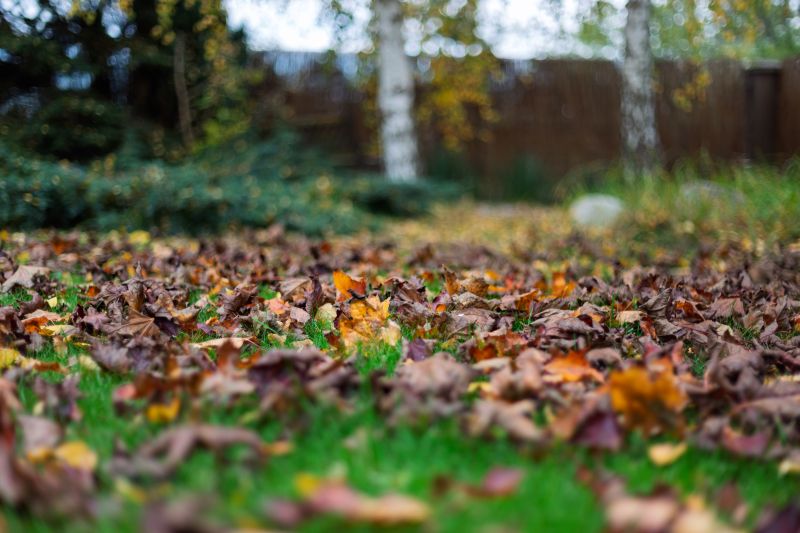
A thick layer of fallen leaves does more than smother your grass. Left alone, it can turn into a breeding ground for allergy-causing mold, a slip hazard on wet walkways, and even a fire risk once it dries out.
If raking has been sitting at the bottom of your fall to-do list, here’s what’s at stake, which spots to clean first, and how to protect your health while you rake.
Already fighting fall allergies? LawnStarter’s leaf removal service can take this chore off your plate before the leaf piles become a problem.
Mold and Allergies: What Grows in Wet Leaf Piles
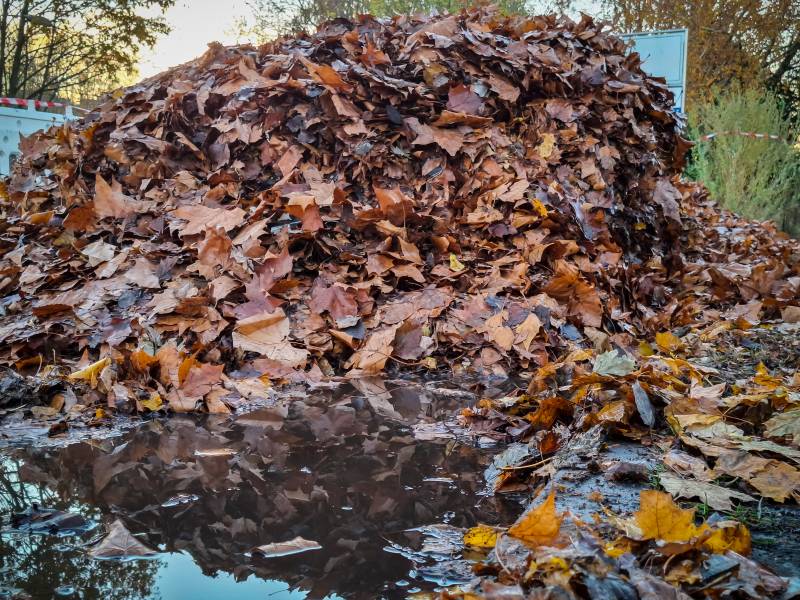
Mold on leaves happens two ways: as the leaf decays, and from mold naturally present in the air, says Dr. Rachna Shah, a board-certified allergist and immunologist with Loyola Medicine. In a damp pile, common outdoor mold species like Alternaria, Cladosporium, and Aspergillus multiply, and their spores can trigger allergies.
An estimated 3% to 10% of people worldwide have fungal allergies. If your allergies flare up in damp weather or in the fall, you are most likely to react to leaves left on the ground, Shah says. Exposure can bring on itchy eyes, an itchy nose, and sneezing, and it can also trigger asthma, she adds.
So, is it better to rake or leave the leaves alone? Neither is risk-free. “We are allergic to the mold spores that we breathe in from the air,” Shah explains, so raking or blowing leaves can trigger or worsen symptoms.
“However, if leaves are left to decay, mold production increases. When it gets windy and those leaves eventually move around, they can generate more mold in the air.”
What to do: Don’t let leaves sit in wet piles for weeks. Bag or remove them soon after raking and wear a mask if you’re sensitive.
Raking with Asthma or Allergies
Skip yard work during a flare-up or a respiratory illness, when your airways are more sensitive, says Dr. Angela Andrews, board-certified in internal medicine, pediatrics, and lifestyle medicine at Direct Primary Care of West Michigan.
If exercise triggers your asthma, using your prescribed rescue inhaler 15 to 20 minutes beforehand may help, depending on your treatment plan, she says. Consider an N95 mask, take breaks, and shower and change clothes afterward, she adds.
“If you develop coughing, wheezing, chest tightness, or shortness of breath, stop and follow your asthma action plan,” Andrews says. If breathing difficulty becomes severe or your rescue medication doesn’t help, she says, get medical care right away.
Are Fallen Leaves Toxic to Dogs and Cats?

It depends on the tree. Some trees and shrubs are toxic to pets, and eating any leaves can upset a dog’s or cat’s stomach. To check the trees in your yard, search the ASPCA’s plant database.
Often, though, what’s hiding under the leaves is more problematic than the leaves themselves.
What pets might eat:
- Acorns: Their tannins can upset your dog’s stomach and damage the kidneys or liver, and a swallowed acorn can block the intestines, according to the Merck Veterinary Manual.
- Moldy fruits and nuts: Left under wet leaves, they can grow mold that causes vomiting, tremors, and seizures if eaten.
- Wild mushrooms: They pop up in damp fall weather, and vets advise treating all wild mushrooms as toxic.
What pets might breathe in or pick up:
- Aspergillus: This mold grows in damp, rotting leaves. Any dog can inhale its spores while nosing through the pile and develop a nasal infection, but long-nosed breeds are more prone, and dogs with a weakened immune system can get seriously ill.
- Ticks and fleas: Leafy litter gives them a place to hide, and they bite dogs and cats alike.
What to do: Check your pet for ticks daily, and ask your vet before using any tick product on a cat. If your pet eats something suspicious, call your vet or the ASPCA Poison Control Center. A consultation fee may apply.
Can a Leaf Pile Catch Fire?
Yes. Dry leaves are what fire experts call “flash fuels”: thin, quick to dry out, and easy to ignite. Sparks from a grill or fire pit, and even a car, can ignite them.
A car’s exhaust system and catalytic converter can reach 1,200 to 1,600 degrees Fahrenheit. Dried vegetation can ignite in about 3 minutes at 752 degrees and in seconds at 932 degrees, according to a 2017 technical paper from the Society of Automotive Engineers.
The riskiest moment comes after a sudden stop, when a car’s exhaust components reach their highest temperatures and stay that hot for minutes. That’s why fire officials warn against parking over dry leaves.
If you live in wildfire country, the stakes go up. Where leaves collect, how deep they pile, and how much builds up all matter, says Jessamyn Hise, community outreach manager at Fire Safe Marin.
A thin scattering is less of a hazard than a layer several inches deep, she says, but “even small accumulations can be problematic when they collect against siding or fence lines, beneath decks, in gutters, or among combustible materials within 5 feet of the home.”
What to do: Never stack dry leaves against your house or a wood fence, and keep piles away from grills and fire pits.
Think Twice Before Burning
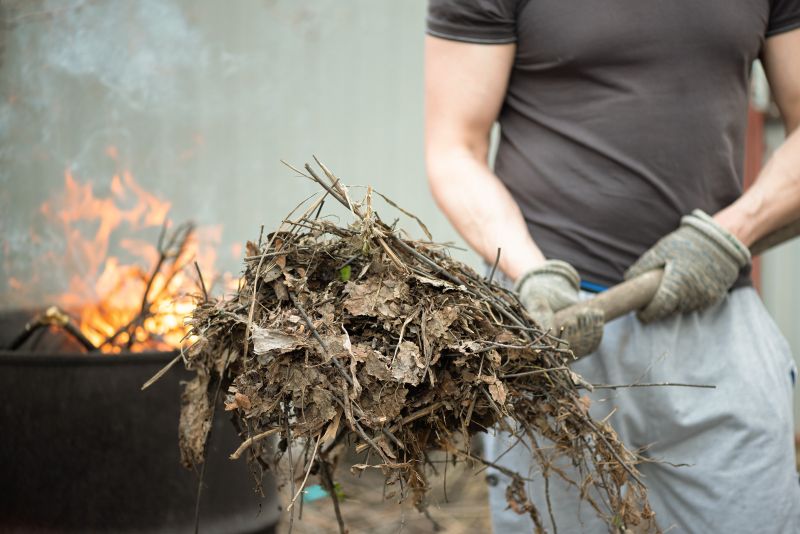
“Debris and open burning” is by far the top human cause of U.S. wildfires, according to a Headwaters Economics analysis of U.S. Forest Service data. Burning also aerosolizes mold, making asthma more likely, Shah says.
“One of the biggest concerns with burning leaves is how quickly conditions can change,” Hise says. A gust can carry burning leaves beyond the pile, and a pile that looks extinguished may still hide embers, she adds.
If burning is allowed where you live, apply for any required permits and keep a close eye on the forecast. Remove anything flammable from around the pile, keep it to a manageable size, and stay with it the whole time.
Have water and tools on hand, and don’t walk away until the fire is fully out and the ashes are cold to the touch, Hise says.
Better yet, mulch-mow leaves into your lawn, use them as mulch on garden beds, compost them, or set them out for pickup.
Slip-and-Fall Risk on Wet Leaves
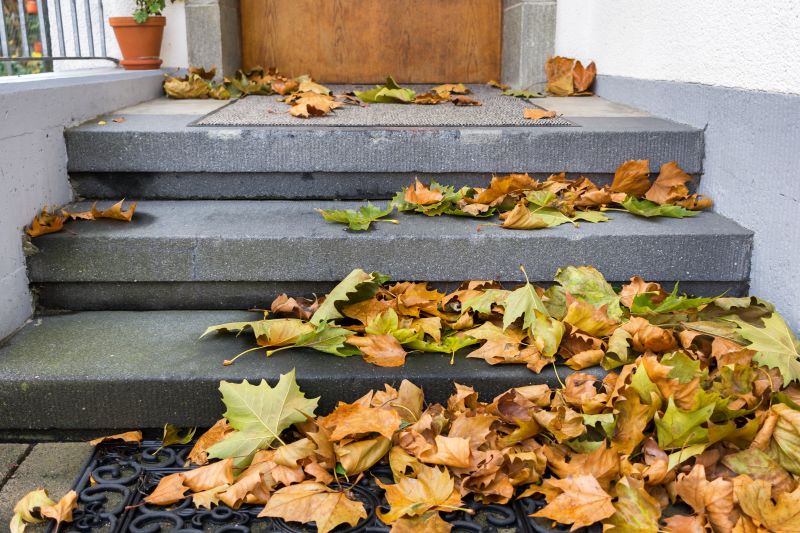
In late November 2025, an 88-year-old woman fell down a flight of outdoor stairs covered with leaves. She broke her right femur and was admitted to the hospital, according to the U.S. Consumer Product Safety Commission’s National Electronic Injury Surveillance System (NEISS), a database of emergency room data.
Wet leaves are especially slick on concrete steps, sidewalks, and driveways, says Kevin O’Hara, chiropractor at O’Hara Family Chiropractic in Arlington Heights, Illinois. A slip can sprain an ankle or knee, and reaching out to break a fall can injure a wrist or shoulder. Falling backward can cause a head or spinal injury.
“On steps, the danger increases because someone may fall several feet or strike multiple surfaces on the way down,” he says.
The stakes are highest for older adults. More than 1 in 4 adults 65 and older fall each year, and falls are the leading cause of injury-related death in that age group, according to the CDC.
With age, weaker balance and bone loss make a slip harder to recover from and fractures more likely. “What might cause a relatively minor injury in a younger person can result in a fractured hip, spinal compression fracture, or serious head injury in an older adult,” O’Hara says.
What to do: Clean leaves from steps, walkways, and driveways first, especially if an older adult lives with you or visits often.
See Related: Leaf Raking Injuries Are More Common Than You Think. Here’s How to Avoid Them This Fall
Where to Start: A Leaf Cleanup Priority List
You don’t need a spotless yard to have a safe yard. Leaves support health and habitat, and some can stay in less vulnerable areas, Hise says.
Clear leaves in this order:
| Clear This First | Helps Prevent |
| Steps, walkways, and driveway | Slips and falls; car fires |
| The first 5 feet around your house, plus piles near fences, grills, and fire pits | House fires from stray embers |
| Gutters, roof, deck, and porch | Embers igniting dry leaves |
| Where pets play: Pick up fruit and nuts, acorns, and mushrooms | Pet poisoning and blockages |
| The rest of the lawn: Mulch with your mower, or bag for compost or pickup | Mold buildup |
Pro Tip: Rake when leaves are dry. They’re lighter and easier to rake or mulch.
See Related: How to Clean Up Wet Leaves in Your Yard
FAQ
No. Spots or coatings on living tree leaves, like powdery mildew or sooty mold, are plant problems. Sooty mold grows on the sticky honeydew that insects such as aphids leave behind. Mold growing inside a wet leaf pile on the ground comes from decay, and that’s the kind that can affect allergies and breathing.
There’s no exact timeline for leaves, but a pile that stays soaked after rain, especially in shade, gives mold the moisture it needs to multiply. Clear piles before the next rain.
It can be, if the pile is newly raked and dry. For kids with allergies and asthma, Andrews recommends “using freshly raked, dry leaves rather than piles that have been sitting around collecting moisture and decomposing.”
She also advises checking for hidden hazards like sharp sticks and rocks, and keeping a prescribed rescue inhaler nearby.
Hire a Local Lawn Care Pro
Getting leaf removal handled before it becomes a health or safety issue takes consistency, something that’s easy to fall behind on once the season picks up.
If you’d rather leave it to someone who does this every day, LawnStarter’s leaf removal pros make it simple. Get an instant quote, and a background-checked local pro will handle the rest.
Sources:
- • Dr. Rachna Shah, board-certified allergist and immunologist with Loyola Medicine. Personal interview.
- • Dr. Angela Andrews, board-certified in internal medicine, pediatrics, and lifestyle medicine at Direct Primary Care of West Michigan. Personal interview.
- • Jessamyn Hise, community outreach manager at Fire Safe Marin. Personal interview.
- • Kevin O’Hara, chiropractor at O’Hara Family Chiropractic in Arlington Heights, Illinois. Personal interview.
Main Image: Fallen autumn leaves cover a green lawn. Photo Credit: Mati / Adobe Stock
Related Posts: