| Key Takeaways |
|---|
| • A heavy leaf layer smothers grass, invites lawn disease and pests, blocks drainage, and hurts your curb appeal. • Up to about 50% leaf coverage is fine if you mulch-mow it, but clear or mulch anything heavier. • Handle leaves in small batches as they fall, and remove diseased leaves from the lawn entirely. |
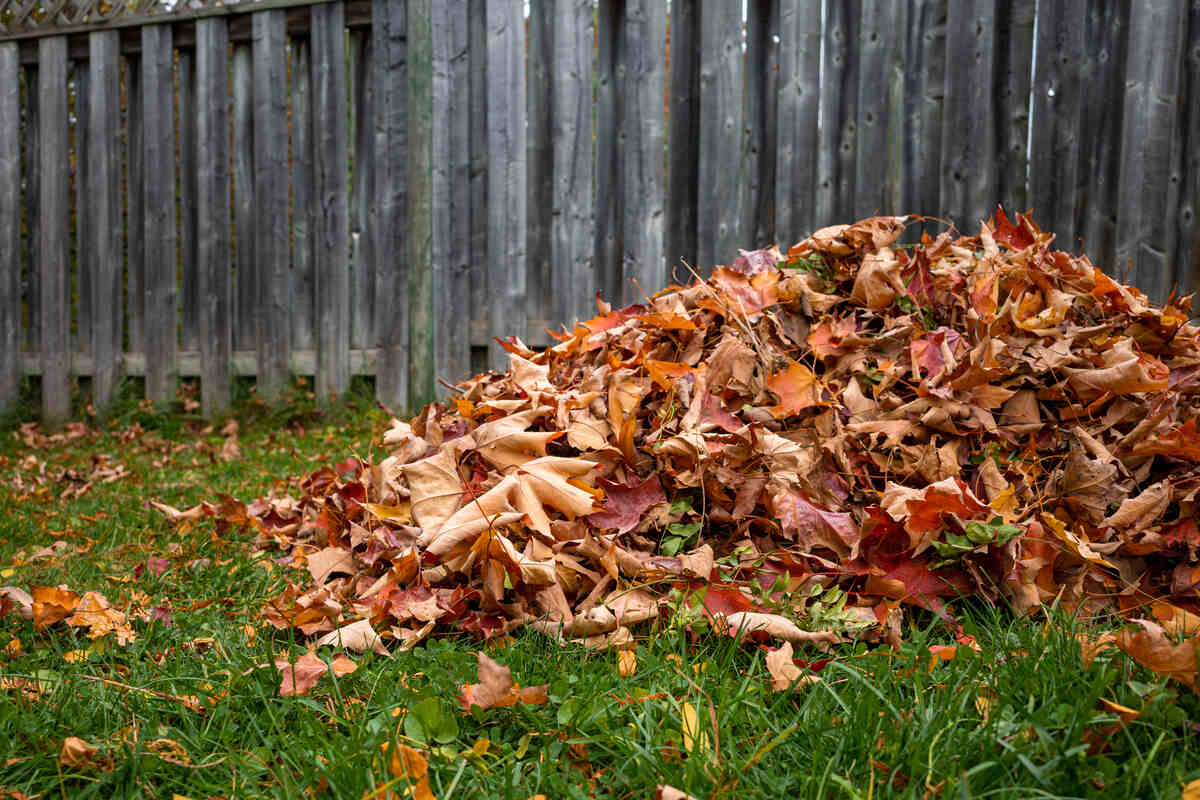
Leaving too many fallen leaves on your lawn can suffocate your grass, encourage fungal diseases, and drag down your curb appeal.
Letting leaves cover up to about half of your lawn is usually fine, but any more than that and you are asking for trouble. There is a fine line between going au naturel and accidentally damaging your grass.
If you would rather skip this chore, LawnStarter’s leaf removal service clears leaves from your yard for you, saving you time and keeping your lawn healthy this fall.
What Happens If You Leave Leaves on Your Lawn?
If you do not remove fallen leaves, a heavy layer smothers the grass, invites disease and pests, clogs drainage, creates a fire hazard, and delays spring recovery. A thick blanket blocks sunlight and air and traps moisture. Here is what happens when the leaves pile up and stay put.
Suffocates Grass
When a pile of leaves covers your grass, it is impossible for sunlight to reach the turf. Too many leaves hinder airflow and smother your grass, stunting its growth and causing the blades to brown.
Heavy leaf cover can kill a patch of grass in a matter of weeks, especially in warmer weather. Mulch-mow or remove leaves once per week, or when they cover around 50% of the lawn, to prevent damage.
Invites Fungal Growth
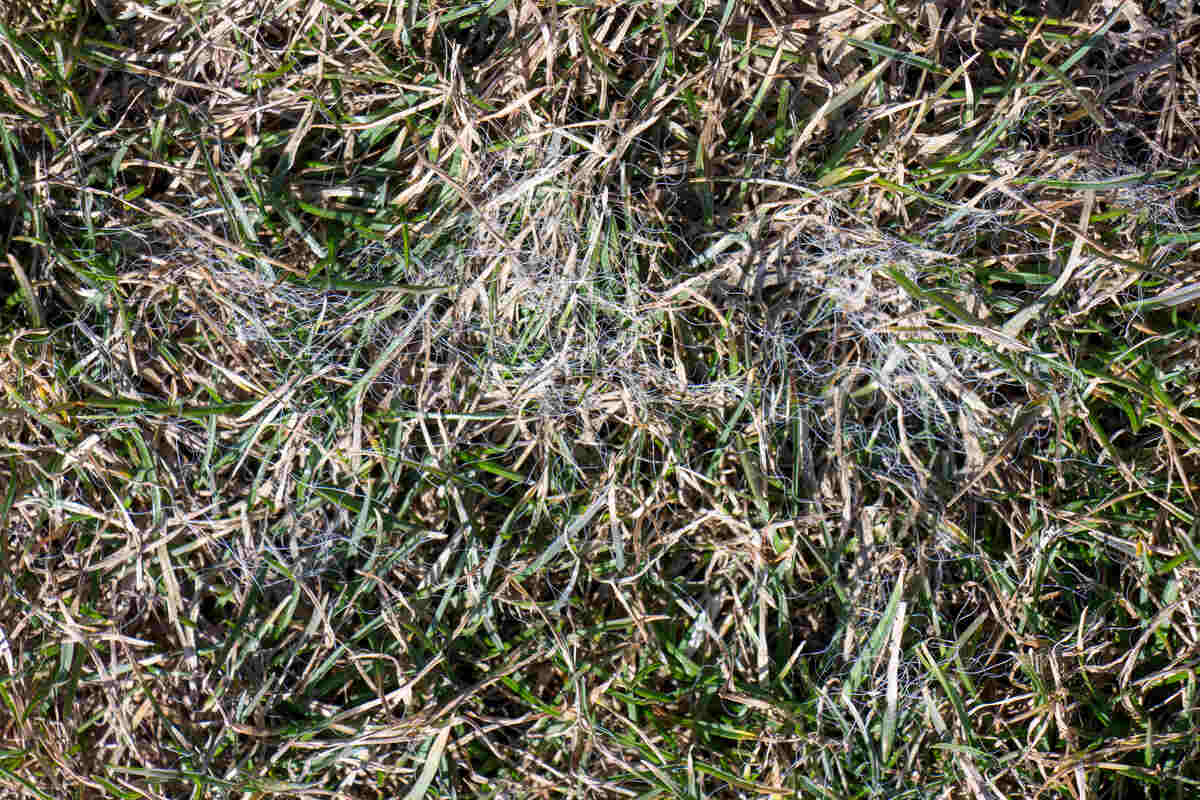
Moisture attracts fungal growth, and there will certainly be excess moisture if wet leaves sit on your lawn. Decaying, rotting leaves invite fungi and mold, especially in rainy and humid climates.
If you do not rake the leaves before winter, your lawn faces an increased risk of fungal diseases such as snow mold, dollar spot, or pythium blight.
“Leaving whole leaves on the lawn through winter can lead to disease issues,” says Alison O’Connor, professor of horticulture for Colorado State University Extension.
See Related: Lawn Fungus Treatments: Costs, Types, and Do They Work?
Attracts Pests
Pests such as mice and voles might turn your leaf pile into their winter condo, causing extensive damage in the process. Leaves create a haven for many types of pests, including:
Insects
Reptiles
Rodents
During the chilly season, animals seek shelter in leaf piles. Once pests move into the leaves on your lawn, they are more likely to find their way into your home.
See Related:
Allows for Weed Growth
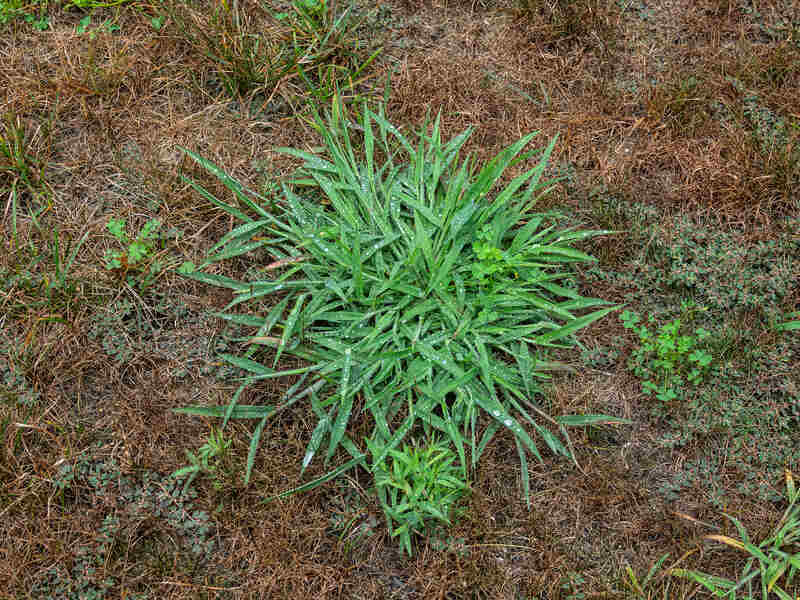
Smothered grass becomes sparse and sickly, creating bare patches where weeds can take hold. Removing the leaves helps keep your grass robust, healthy, and resistant to weed growth.
See Related:
Causes Drainage Issues
When your gutters and drains clog with leaves, water cannot properly drain from your roof, landscaping, or lawn. This causes drainage issues, such as:
Clogged gutters and storm drains
Water overflowing from gutters
Flooding
Roof leaks
Mold and mildew
Damage to surrounding plants
Soil erosion
Mosquitoes
Soggy, muddy lawn
See Related:
Creates a Fire Hazard
Fire spreads quickly when it has dry tinder like crisp, dry leaves. When dry leaves cover your lawn, they can endanger your house or any other outdoor wooden structure or furniture in your yard.
To keep your home hazard-free, regularly rake up the leaves on your property, especially if your area is experiencing a drought or is prone to wildfires.
See Related: How to Create Fire-Resistant Landscaping
Delays Spring Recovery
If leaves sit on your lawn all winter, they inhibit grass growth in the spring. They also worsen springtime damage caused by wildlife such as voles or mice.
Chilly winter weather puts enough stress on your lawn, so layers of leaves smothering your grass only add to it by depriving the turf of sunlight and airflow. As a result, your grass has a harder time recovering come spring, and heavy cover can even kill it over winter.
Decreases Home’s Curb Appeal
Leaves all over your lawn make your yard look unkempt, and they can signal that you do not really care about your home.
General landscape upkeep, such as mulching, pruning shrubs, and mowing, has a 104% return on investment, according to the National Association of Realtors.
If you are selling your home, your front lawn is a buyer’s first impression, and a disheveled, leaf-covered lawn can torpedo your sale prospects.
See Related: Lawn and Landscape Items with the Greatest ROI
When Is It OK to Leave the Leaves?
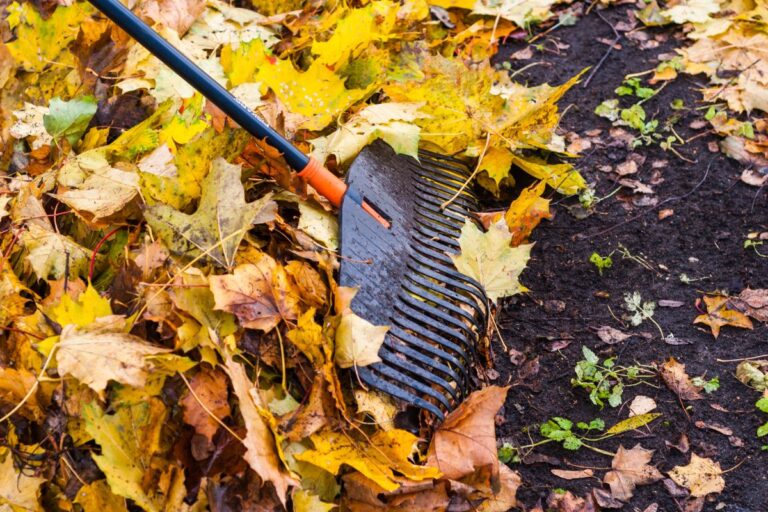
You do not have to clear every last leaf. A light scattering can actually be good for your lawn, and mulching leaves turns them into free fertilizer. The key is how much of the grass is covered.
A light dusting: If leaves cover only a small part of the lawn and you can still see plenty of green, you can leave them or mow over them.
About half covered: Mulch-mow the leaves, which simply means mowing over the dry leaves (a mulching blade helps) to chop them into small pieces that settle between the grass blades and break down into nutrients.
A thick blanket: When you can barely see grass, remove at least half of the leaves before mulching the rest.
Do not let leaves pile up and sit, though. LawnStarter pro Scott Culala, owner of The Lawn Cypress in Gardner, Kansas, advises homeowners to clean up leaves or “at least mulch them down so they can decompose.”
One exception: If your trees dropped diseased leaves, take those off the lawn entirely rather than mulching them back in.
FAQs
Mulching is the best way to clean up fallen leaves. O’Connor recommends you “mulch them into the turf using your lawnmower.” Mulching also reduces weed growth and returns nutrients to your grass.
If you would rather not mulch, rake your leaves or use a leaf blower or leaf vacuum.
Mulch or remove the leaves in your yard within days after they drop. O’Connor notes that “leaf removal is something that happens over a period of weeks, because trees don’t usually drop all their leaves at once.”
Deal with leaves in small batches as they fall rather than waiting for the tree to finish. Cleanup is much harder once leaves pile up.
You can allow up to 50% leaf coverage on your lawn. It should be a light dusting, not a full-on blanket, so you get the benefits without the downsides. The layer is fine, O’Connor says, “as long as you can still see green grass.”
Leave the Leaves to a Lawn Care Pro
If leaves have buried your lawn, it is time to take action. Raking is a simple but back-breaking DIY task, and clearing a large lawn can take hours and leave you exhausted.
If you would rather not spend your weekend on an arduous leaf-raking job, hire one of LawnStarter’s local lawn care pros when the leaves start to fall. With LawnStarter’s leaf removal service, you can have your yard clear in no time.
Read More:
Sources:
Alison O’Connor, professor of horticulture at Colorado State University Extension, Fort Collins, CO. Personal interview.
Scott Culala, owner of The Lawn Cypress, Gardner, KS. Personal interview.
Main Image: A large pile of raked autumn leaves sits against a wooden fence in a residential backyard. Photo Credit: Colin Temple / Adobe Stock
Related Posts: