| Key Takeaways |
|---|
| • Florida-friendly landscaping follows 9 core principles that conserve water, cut pollution, and support wildlife. • Choosing native and Florida-friendly plants matched to your zone, soil, and light means less watering, less upkeep, and fewer plant failures. • Hardscapes like porous pavers, swales, and rain barrels help manage Florida's heavy rain and protect nearby waterways. |
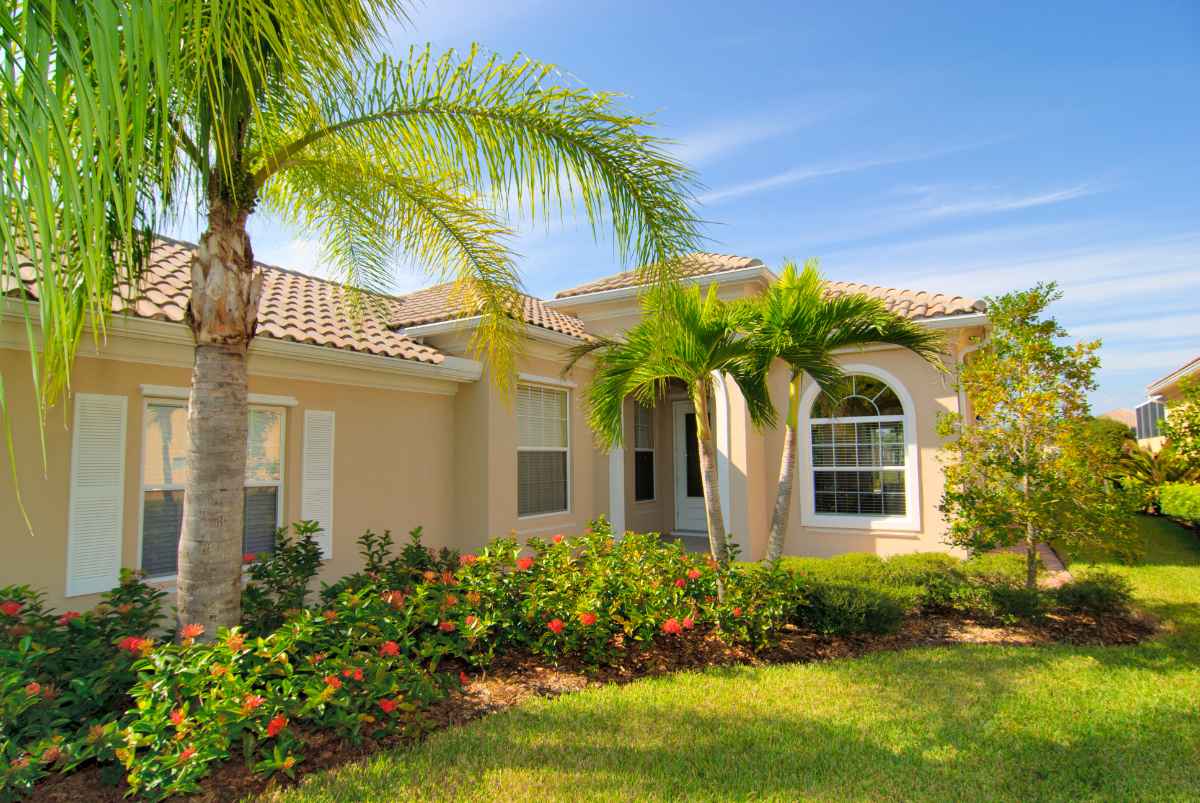
These Florida-friendly landscaping ideas help you build a beautiful yard that thrives in the Sunshine State’s heat, sand, and rain while conserving water and protecting local waterways.
From native plants and butterfly gardens to porous pavers and rain barrels, these ideas and professional insights let you create an attractive, low-maintenance landscape that works with Florida’s climate instead of against it.
Designing a Florida-friendly yard takes some know-how, from matching plants to your soil and region to keeping it all thriving. This guide covers the ideas, and LawnStarter’s local landscaping pros can handle the work if you would rather skip the trial and error.
The Principles of Florida-Friendly Landscape Design
Florida-friendly landscape design follows 9 core principles that shape how you plant, water, and care for your yard:
1. Right Plant, Right Place
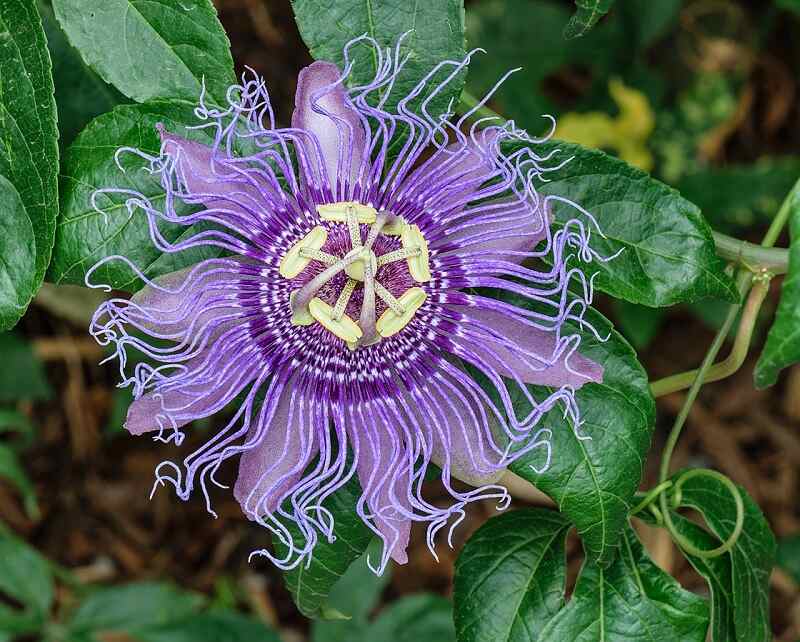
Choosing Florida native plants will get you a low-maintenance landscape beaming with personality. Choose plants right for your region of Florida and your landscape. Consider soil type, watering capabilities, salt proximity, and sun exposure.
Like xeriscaping, grouping plants with similar needs conserves water. Here are some plant suggestions to get you started:
Florida-friendly plants:
Passion flower (Passiflora)
Red columbine (Aquilegia canadensis)
Buttonsage (Lantana involucrata)
Azaleas (Rhododendron)
Walter’s viburnum (Viburnum obovatum)
Salt-tolerant plants:
Florida maple (Acer barbatum)
Stopper (Eugenia spp)
Inkberry (Scaevola plumieri)
Bluestem (Andropogon spp.)
Tickseed (Coreopsis spp.)
2. Water Efficiently
Watering the right amount at the right time keeps your yard healthy and protects Florida’s water supply. Group plants by their water needs and water early in the morning to limit evaporation.
Let established native plants lean on rainfall, and add a rain sensor so your irrigation skips a soggy afternoon.
In much of the state, year-round watering restrictions limit landscape irrigation to 2 or 3 days a week, so an efficient setup helps you stay within the rules.
See Related: 11 Essential Lawn Watering Tips for Florida
3. Fertilize Appropriately
Fertilizing the right amount feeds your plants without polluting nearby water. Test your soil first, use a slow-release product, and follow local fertilizer rules, which often limit application during the rainy season.
Native and Florida-friendly plants usually need very little fertilizer to thrive, so start light and add only what your soil test says is missing.
Timing matters too. Research on local fertilizer ordinances across 160 Florida lakes found they can improve water quality, and many areas restrict fertilizing during the rainy season.
See Related: When to Fertilize Bahiagrass in Florida
4. Mulch
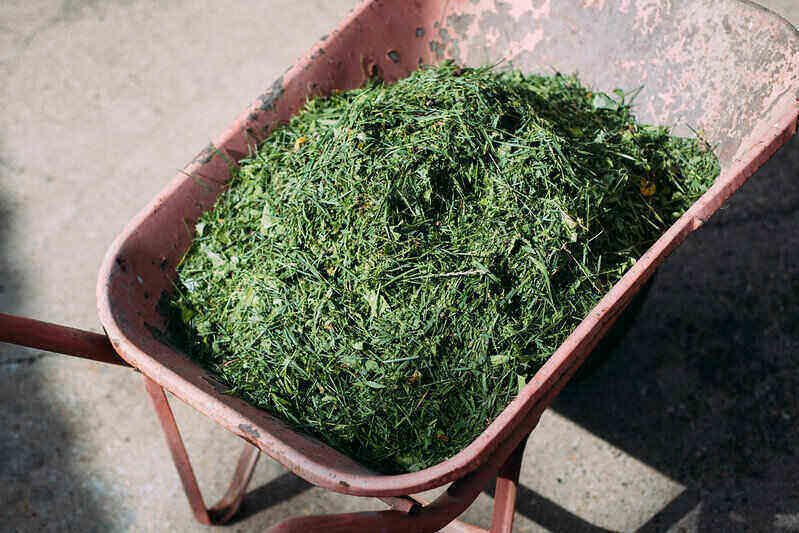
Use organic mulch to designate zones in your yard, build walkways, and create interesting garden areas in your landscape. Mulch also holds moisture in the soil and keeps weeds down.
Popular organic mulch options include:
Grass clippings
Leaves
Pine needles
Eucalyptus
5. Recycle Yard Waste
Do not bag your clippings and leaves; put them back to work in the yard. Place fallen foliage in plant beds or use leaves to protect edible gardens.
Recycled foliage keeps soil in place through winter and adds insulation, so just chop the leaves first (using a mulching mower) for circulation.
6. Attract Wildlife
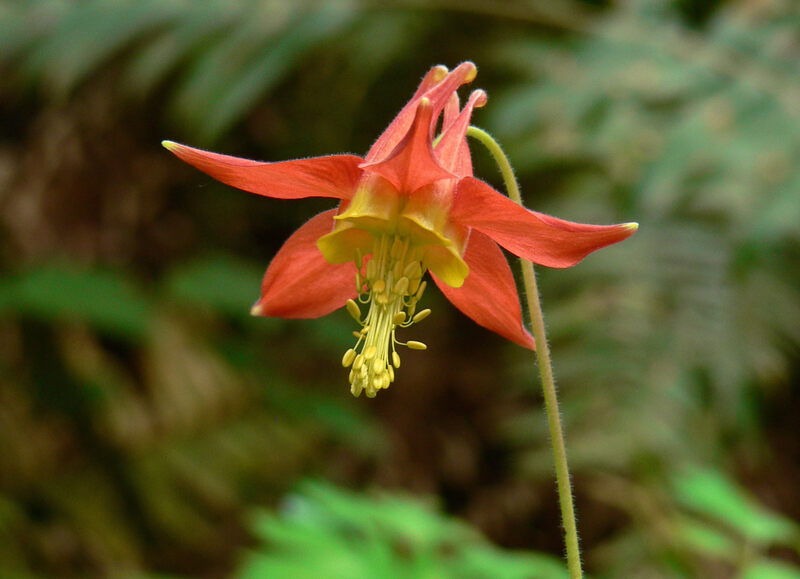
Adorn your Florida yard with plants and hardscapes that invite nearby wildlife. Leaving a few unmowed zones also helps, since they create more food and cover.
Water features draw wildlife too. Add a birdbath, small pond, birdhouses, or feeders, and clean bird baths regularly without using bleach or soap.
Plants that attract wildlife:
Red columbine (Aquilegia canadensis)
Coral honeysuckle (Lonicera sempervirens)
Scarlet sage (Salvia coccinea)
Southern wax myrtle (Myrica cerifera)
Red buckeye (Aesculus pavia)
See Related: How to Landscape for Wildlife in Orlando, FL
7. Manage Yard Pests Responsibly
Healthy Florida-friendly plants shrug off most pests on their own. When trouble shows up, start with the gentlest fix: Pick pests off by hand, invite beneficial insects, and treat only the problem area.
This integrated pest management approach uses as few chemicals as possible, which keeps runoff out of Florida’s waterways and protects the pollinators your yard depends on.
8. Minimize Stormwater Runoff
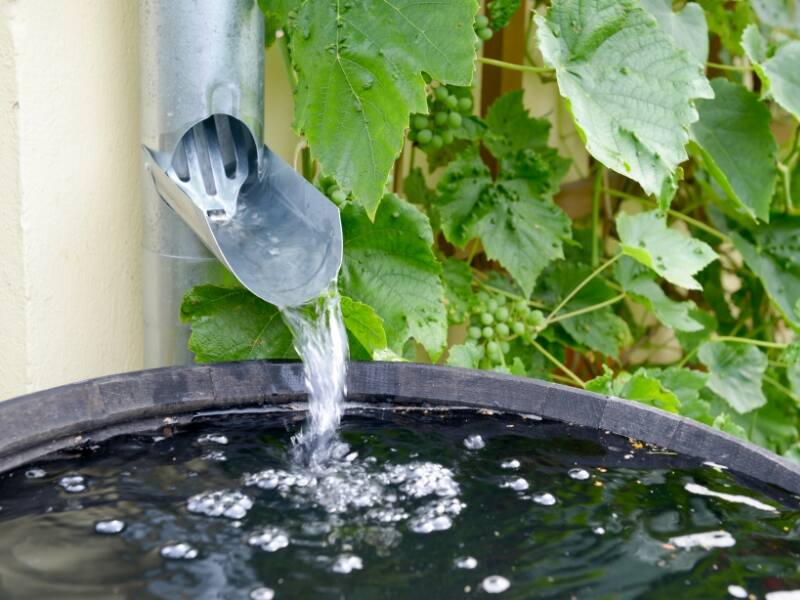
Make rainfall work for you by installing structures that retain water or slow runoff so it soaks into the soil and plants.
Extend your living space outdoors with patios, decks, and paved seating areas built from porous gravel, pavers, and concrete. Reclaimed or recycled materials are also Florida-friendly, and even driveways can use porous surfaces.
Rain barrels: Place a rain barrel by the downspouts to capture roof runoff. Your local University of Florida Institute of Food and Agricultural Sciences (UF/IFAS) Extension office has information on using them and may even offer containers. Paint it to match your home or add a rain chain so it blends in.
9. Protect Florida’s Waters
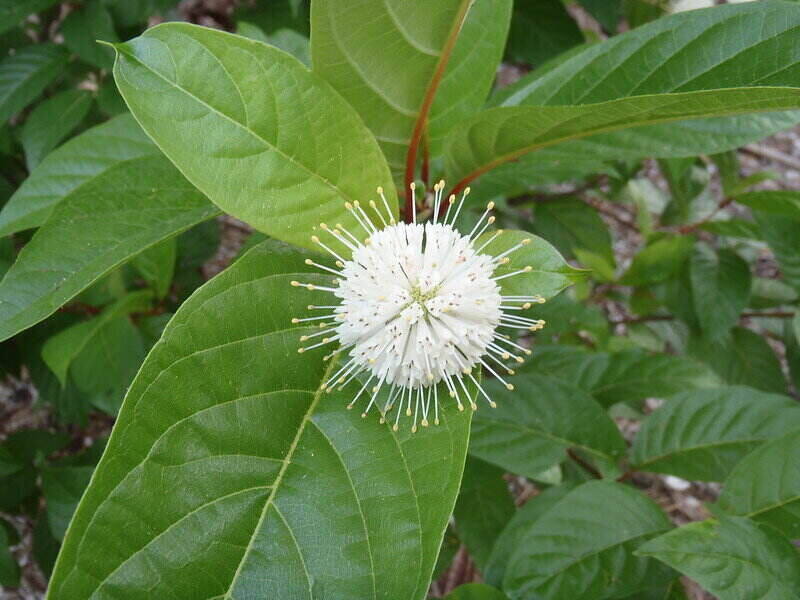
If you have a waterfront property, use swales and berms to slow rainwater runoff. Shape small channels into the ground, or swales, and create raised areas, or berms, that run parallel to the water’s edge.
Make sure you build these natural structures above the high-water line. Put your barrier zone next to the swale and fill it with native plants and Florida-friendly vegetation. Make sure you are adhering to local ordinances for buffer mandates.
For waterfront yards, keep a maintenance-free buffer zone of 10 feet between your landscape and the water to filter runoff before it reaches the shoreline.
Plants that work well in swales and barrier zones include:
Pop ash (Fraxinus caroliniana)
Virginia willow (Itea virginica)
Buttonbush (Cephalanthus occidentalis)
Florida Gama grass (Tripsacum floridana)
Cinnamon fern (Osmunda cinnamomea)
How to Choose Florida-Friendly Plants
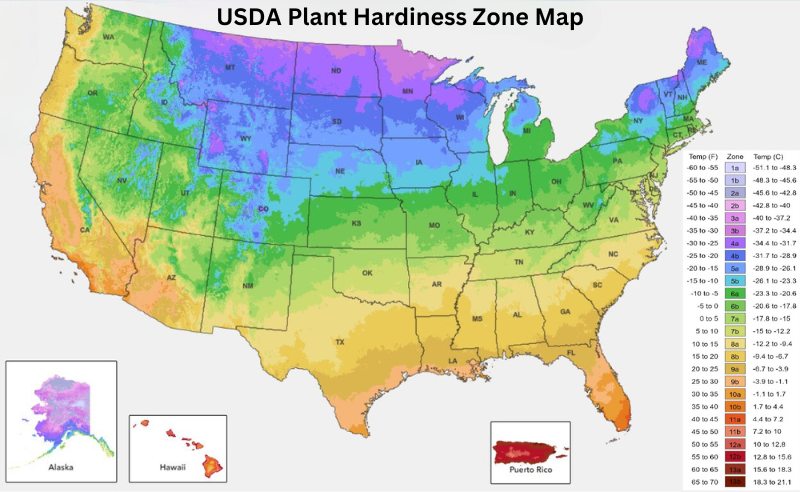
Base plant selection on your Florida region’s climate, your yard’s conditions, and whether a plant is non-invasive to your area. A plant that thrives in one part of the state can struggle, or spread aggressively, in another.
Natives are a smart starting point, though they still need some attention.
“Native plants are not low maintenance. Maybe lower maintenance,” says Jo Ellen Meyers Sharp of The Hoosier Gardener in Indianapolis, Indiana.
They do save effort in other ways. Haimanote Bayabil, assistant professor of water resources at the University of Florida, says, “Planting drought-tolerant and native plants typically requires less frequent irrigation.”
The UF/IFAS Florida-friendly plant guide lists more than 400 plants suited to the state, which makes it easier to match a plant to your yard’s conditions.
Here are things to consider:
USDA plant hardiness zone: Your Florida planting zone tells you which plants can survive your area’s coldest winter temperatures, so check which zone covers your yard before you buy.
Soil condition: Know your soil type and which plants thrive in your soil’s composition, or amend your soil with compost when necessary. Your county extension office can help you identify your soil type or provide soil testing.
Light: Understand how sunlight affects your property so you plant tolerant flora.
Water: Be familiar with whether your yard has areas where water is slow to drain or accumulates.
See Related: Drought-Tolerant Landscaping for Gainesville
How to Incorporate Florida-Friendly Design Principles
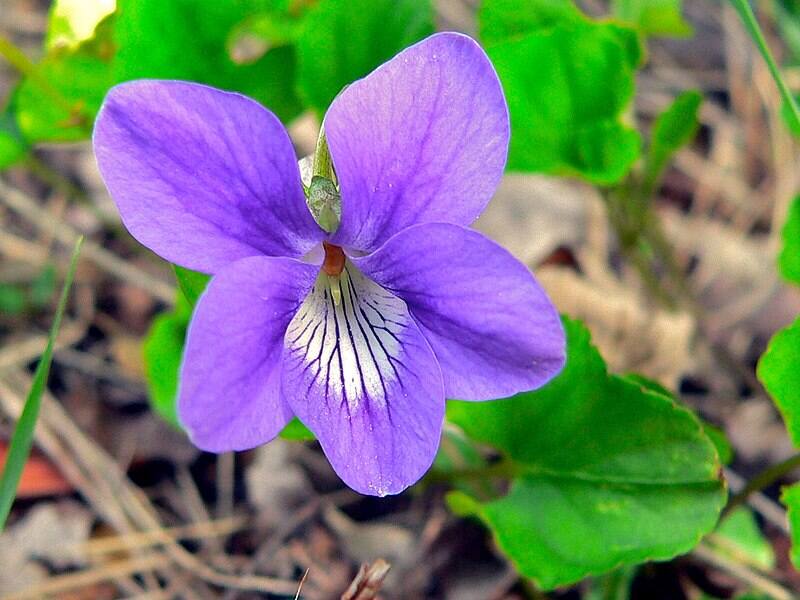
A Florida-friendly landscape empowers you to choose from many different styles, from garden types to plant types like groundcovers and wildflowers.
Best butterfly garden plants for Florida:
Black-eyed Susan (Rudbeckia hirta)
Florence fennel (Foeniculum vulgare var. azoricum)
Necklace pod (Sophora tomentosa subsp. truncata)
Passion flower (Passiflora incarnata)
Blazing star (Liatris)
Florida natives:
Azaleas (Rhododendron)
Violets (Viola)
Beautyberry (Callicarpa americana)
Muhly grass (Muhlenbergia capillaris)
Florida wildflowers:
Tickseed (Coreopsis spp.)
Red columbine (Aquilegia canadensis)
Elliott’s aster (Symphyotrichum elliottii)
Fill Space Quickly
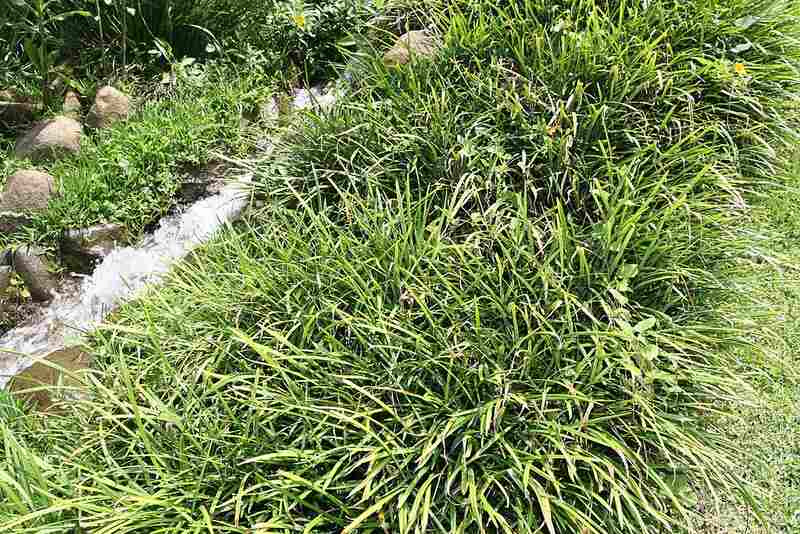
Use plants with large, variegated leaves to fill space without the work of multiple plants. A wide, cascading, or irregular spread covers ground quickly and adds visual interest. Foliage plants are also a lower-maintenance alternative to high-upkeep flowers.
Here are some plants with large, colorful, and diversely textured leaves:
Copper leaf (Acalypha wilkesiana)
Croton (Codiaeum variegatum)
Monkey grass (Liriope muscari)
Shell flower (Alpinia spp.)
Fakahatchee grass (Tripsacum dactyloides)
Ground cover also fills lots of space with minimal pruning. Florida-friendly options include:
Japanese Ardisia (Ardisia japonica)
Holly fern (Cyrtomium falcatum)
Perennial peanut (Arachis glabrata)
Create Shade
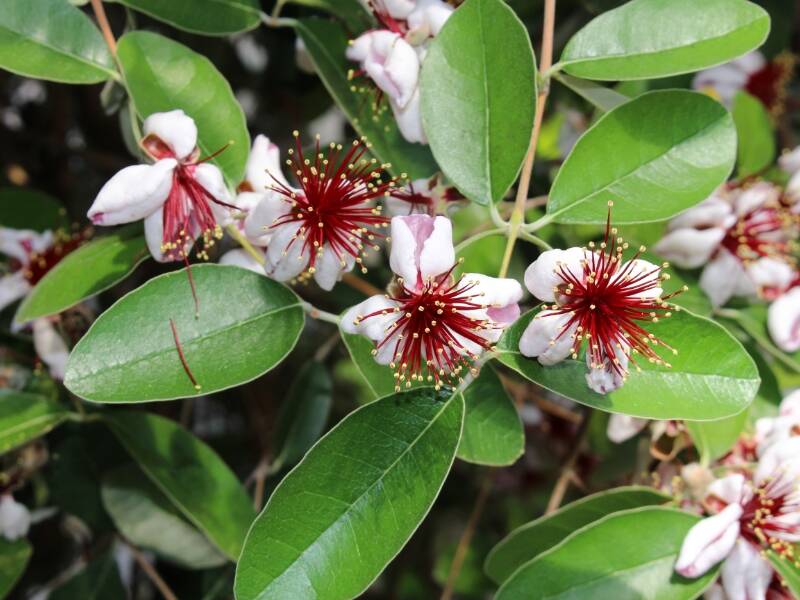
Plant trees near windows and air conditioning units to cast shade and boost energy efficiency. Trees and shrubs also shade the plants beneath them, and smaller trees shed fewer leaves that blend in below or can be used as mulch.
Popular small trees and large shrubs in Florida include:
Pindo palm (Butia capitata)
Sea myrtle (Baccharis halimifolia)
Powderpuff (Calliandra spp.)
Copper leaf (Acalypha wilkesiana)
Pineapple guava (Acca sellowiana)
Leather fern (Acrostichum danaeifolium)
Combine Hardscapes and Greenery
Turn your outdoor space into an at-home retreat where you can entertain and relax year-round. Choose durable, low-maintenance furniture, place container plants on patios, and use pergolas, arbors, or trellises for shade and climbing plants.
Florida-Friendly Landscaping Tips
Layer plants of different heights, such as ground covers, flowers, ornamental grasses, and shrubs, for vertical interest.
Add planters or raised garden beds around patios and seating areas.
Install pathways, garden walls, or low retaining walls between plant beds to create sections.
Repeat plant designs across your yard for uniformity.
Choose plants shaped to fit their space so you spend less time trimming.
Use edging to keep soil and mulch in place.
If you have an area where water accumulates, you can excavate the area and fill the bottom with rocks or make it a rain garden.
See Related: How to Design a Rain Garden
FAQs
Florida-friendly landscaping is a partnership between UF/IFAS and the Florida Department of Environmental Protection to protect Florida’s natural resources and conserve water. It helps homeowners use sustainable plants and practices that prevent erosion, reduce pollution, and provide wildlife habitat.
In 2009, Florida passed a landscaping law preventing HOAs and local governments from stopping homeowners from making their landscape Florida-friendly. However, your HOA may still have design guidelines and require approval before changes. Check with your HOA before modifying your Florida yard.
Hardy, low-maintenance natives are the easiest to grow because they are adapted to Florida’s climate. Options like muhly grass, beautyberry, and coontie need little water or care once established, making them forgiving picks for new gardeners.
When to Hire a Landscaping Professional
Florida-friendly design has a lot to weigh, from sustainable plants and materials to your property’s conditions. You can do the research yourself, or let an expert handle the work while you reap the benefits.
Selecting a professional means making sure they know how to design a Florida-friendly landscape. LawnStarter has all the connections you need to create a Florida-friendly yard you can be proud of.
Let LawnStarter connect you to a landscaping professional near you today. Whether you are in Jacksonville, Miami, Tampa, St. Petersburg, or anywhere else in Florida, LawnStarter can connect you with passionate lawn care and landscaping pros.
Read More:
Main Image:A well-landscaped Florida home featuring palm trees, red flowering shrubs, and a manicured lawn. Photo Credit: Yarek Gora / Adobe Stock