
Spring lawn care routines in Greensboro can vary quite a bit from yard to yard. Before your lawn wakes from dormancy, prepare your lawn equipment and conduct a soil test. Then, clear winter debris, remove weeds, mow, and water your lawn.
Additionally, fertilize, and overseed as needed to keep your lawn looking lush. Timing is everything to ensure your grass thrives as it grows.
Follow this spring lawn care checklist to give your Greensboro lawn a strong foundation before the summer heat sets in. Oh, and if you’re too busy or just can’t handle all this yard work, LawnStarter’s Greensboro lawn care pros can take mowing and all these spring tasks off your to-do list.

1. Prepare Your Lawn Mower
When to prepare your lawn equipment: Between February and early March
As soon as your lawn wakes up around March, your lawn equipment should be ready for spring. If you haven’t sharpened your lawn mower blades during the winter, it’s time to prepare your yard tools.
Here’s how to get your lawn equipment ready for duty:
- Lawn mower: Sharpen the blades, change the oil, replace the air filter, refill the fuel, and inspect the spark plug.
- String trimmer: Replace the string trimmer line, clean the trimmer head, and check fuel or battery levels.
- Other lawn tools: Check for signs of rust, remove debris, and lubricate the moving parts.
2. Conduct a Soil Test
When to test your soil: Between March 15 and April 1 (once the ground thaws)
| Type of Grass | Ideal Soil pH Level |
| Kentucky bluegrass/perennial ryegrass (cool-season) | 6.0 to 7.0 pH |
| Fine fescue/tall fescue (cool-season) | 5.5 to 6.5 pH |
| Bermudagrass (warm-season) | 5.8 to 7.0 pH |
| Zoysiagrass (warm-season) | 6.0 to 7.0 pH |
| Centipedegrass (warm-season) | 5.5 to 6.0 pH |
Testing your soil will help you gauge your soil’s nutrient levels, so you can apply the right fertilizer. If your soil’s pH is too acidic, add lime to restore it to the ideal range and ensure your grass thrives in the spring.
The North Carolina Department of Agriculture provides free soil test kits. To request one, contact your local County Cooperative Extension Service for your submission form and soil sample box.
3. Clear Winter Debris
When to clean up winter debris: Between mid-February and early March (or once the soil temperature consistently reaches at least 55 degrees)
Once your rake is clean, use it to remove dead leaves, twigs, and other winter debris. Clearing winter debris before your lawn fully wakes ensures sunlight, water, and nutrients reach your soil.
Raking your lawn before it starts to grow rapidly removes excess thatch and helps prevent diseases and pests. Ensure your lawn is dry before removing winter debris.
4. Remove Weeds
When to remove weeds: Mid-February to early March (as soon as the soil temperature consistently hits 55 degrees)
As soon as your grass wakes up, so do common weeds like crabgrass, goosegrass, and foxtail. Properly timed weed control helps ensure your grass thrives and receives sufficient nutrients.
Regardless of the type of grass on your lawn, start applying pre-emergent herbicide when the soil temperature consistently reaches 55 degrees to prevent weed growth.
However, once weeds have sprouted, apply post-emergent herbicide. If some weeds have popped up, you can hand-pull them.
| Type of Grass | When to Apply Pre-emergent Herbicide | When to Apply Post-Emergent Herbicide |
| Cool-season grasses | Mid-February to early March (or when the soil temperature is consistently at 55 degrees) | Early to mid-April (or when the soil temperature reaches 65 to 70 degrees) |
| Warm-season grasses | Mid-February to early March (or when the soil temperature is consistently at 55 degrees) | Early to mid-April (or when the soil temperature reaches 65 degrees) |
5. Fertilize at the Right Time
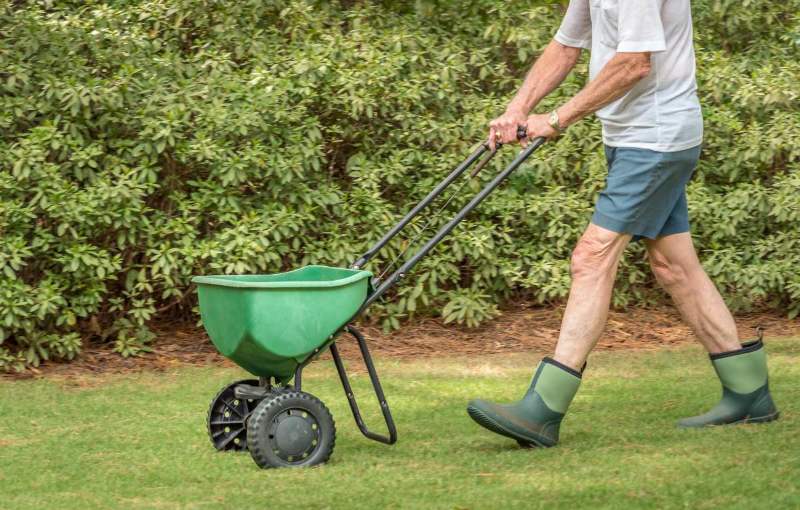
- Cool-season grasses: After March 15
- Warm-season grasses: Between late April and early May
After receiving the results of your soil test, you’ll know how much nitrogen your lawn needs. Spring is a great time to fertilize your lawn in Greensboro, but the timing will depend on your grass type.
| Type of Grass | Best Time to Fertilize |
| Kentucky bluegrass, tall fescue, fine fescue, and perennial ryegrass (cool-season) | After March 15 (when growth picks up or when the soil temperature consistently hits 55 degrees) |
| Bermudagrass, zoysiagrass, and centipedegrass (warm-season) | Between late April and early May (only after your lawn has fully greened up or when the soil temperature is at least 65 degrees on average) |
Typically, nitrogen fertilizer is measured in pounds per 1,000 square feet. Use the right amount of slow-release fertilizer to avoid over-fertilizing and keep your yard healthy all season long. You can also recycle your grass clippings to give your lawn organic nutrients.
6. Repair Bare Patches
Best time to plant seeds:
- Cool-season grasses: March to early April (soil temperature is above 55 degrees)
- Warm-season grasses: Mid-April to early June (soil temperature is above 65 degrees)
When you see bare patches in your yard, it can lower your curb appeal and increase the risk of weeds. You’ll notice these patches after you remove winter debris from your lawn.
Before you overseed, do the following steps to ensure nutrients reach your newly planted grass seeds:
- If you have compacted soil, aerate before seeding.
- If there is a thick layer of thatch, you can dethatch and aerate your lawn at the same time.
- If you haven’t applied pre-emergent herbicides yet, dethatch and aerate before doing so.
Note: If you missed the window for overseeding cool-season grasses in the spring, wait until mid-August to mid-October to do so.
7. Mow Your Lawn Properly
When to start mowing: March (or when soil temperature hits an average of 65 degrees)
| Grass Type | Recommended Mowing Height |
| Kentucky bluegrass (cool-season) | 2 ½ to 3 ½ inches |
| Tall fescue (cool-season) | 2 ½ to 3 ½ inches |
| Fine fescue (cool-season) | 2 ½ to 3 ½ inches |
| Perennial ryegrass (cool-season) | 2 to 3 inches |
| Bermudagrass (warm-season) | ¾ to 2 inches |
| Zoysiagrass (warm-season) | ¾ to 2 inches |
| Centipedegrass (warm-season) | 1 to 2 inches |
Mowing needs in Greensboro vary depending on whether you have cool-season or warm-season grass. Adjust your mowing schedule based on your grass type and its growth rate.
- Cool-season grasses (like tall fescue or Kentucky bluegrass) grow most actively in spring. Mow every 4 to 7 days during peak growth, but never remove more than one-third of the grass blade at a time.
- Warm-season grasses (like Bermuda or Zoysia) grow more slowly in spring. Mow every 7 to 14 days until growth picks up in summer.
Maintain the recommended mowing height for your grass type. Whenever possible, mulch your grass clippings to return nutrients back into the soil. Avoid large clumps, as they can smother your grass and lead to patchy growth.
8. Water Your Lawn Wisely
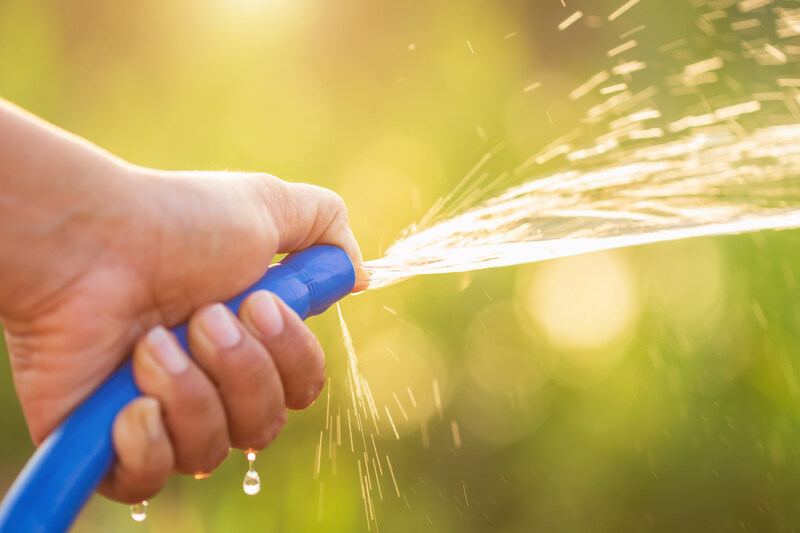
When to start watering your lawn: (March to May, when grass starts growing)
- Cool-season grasses: When soil temperatures are consistently at least 55 degrees
- Warm-season grasses: When soil temperatures are consistently at least 65 degrees
No matter what type of grass you have in Greensboro, your lawn needs about 1 inch of water per week, either from rainfall or supplemental irrigation. Check the forecast and adjust your watering schedule accordingly.
In spring, watch for signs your lawn needs watering, such as brown spots or yellow patches. Overwatering can lead to fungal diseases, shallow roots, and weed growth.
For best results, water early in the morning, before 9, when temperatures are cooler and when water is less likely to evaporate. This gives your lawn time to absorb the moisture it needs while avoiding the risks that come with watering later in the day.
Hire a Pro for Your Spring Lawn Care
Getting your lawn into shape this spring doesn’t have to be complicated, as long as you know your grass type and time your care routines right. And hey, it’s called Greensboro for a reason, you might as well make sure your lawn lives up to the name.
Let LawnStarter’s Greensboro lawn care pros help with your yard care tasks. A local lawn care pro can take care of your lawn mowing and ensure your grass thrives in the spring.
Main Image Credit: Lawn mowed by a LawnStarter pro in Greensboro, NC. Illustration by Amy Stenglein / LawnStarter