| Key Takeaways: |
|---|
| • Complete spring prep with oil changes, new spark plugs, sharp blades, and clean filters. • Clean the deck and check oil levels monthly during mowing season. • Drain fuel or remove batteries before winter storage. • Replace spark plugs and air filters annually. |
Proper lawn mower maintenance keeps your mower running smoothly and extends its lifespan by years. Most homeowners should perform basic maintenance like oil changes, spark plug replacements, and blade sharpening at least once per season — typically taking just 1-2 hours total.
This guide covers basic mower maintenance with essential spring preparation, summer upkeep, and fall winterization tasks. Gas riding mower owners and electric mower owners will find additional maintenance requirements specific to their equipment at the end of this guide.
Follow this seasonal schedule to prevent expensive repairs and ensure clean cuts every time you mow.
| If DIY maintenance isn’t for you, LawnStarter connects you with licensed, insured lawn care pros who arrive with properly maintained equipment — get an instant mowing quote in your area. Most homeowners pay around $51 per visit for a 1/4-acre lawn. |
Spring Preparation
Spring maintenance prepares your mower for heavy use. Start these tasks 2-3 weeks before your first mow.
Safety first: Let the mower cool completely, disconnect the spark plug wire (gas mowers) or remove the battery (electric mowers), and work in a well-ventilated area with safety glasses and gloves.
Tools you’ll need: Spark plug socket wrench set, oil pan, clean rags, air compressor or brush
According to Marcus Garner, urban regional Extension agent for Alabama A&M & Auburn Universities Extension, the most crucial maintenance tasks involve “keeping the engine in tune with the number of running hours it’s providing and delivering routine maintenance to preserve the engine.”
He emphasizes “providing essential items like fresh gasoline for combustion; premium oil for lubrication; clean oil, air, and fuel filters; and sharp blades for cutting.”
1. Change the Oil
Fresh oil prevents moisture buildup and protects internal engine parts. Change oil at least once per season or every 25 hours of use.
- Locate the oil drain plug underneath.
- Drain old oil completely into a pan.
- Replace plug and add manufacturer-recommended oil (usually SAE 30 or 10W-30).
- Dispose of old oil at a recycling center.
Learn the complete process in our guide: How to Change the Oil in a Lawn Mower in 9 Steps
2. Replace the Spark Plug
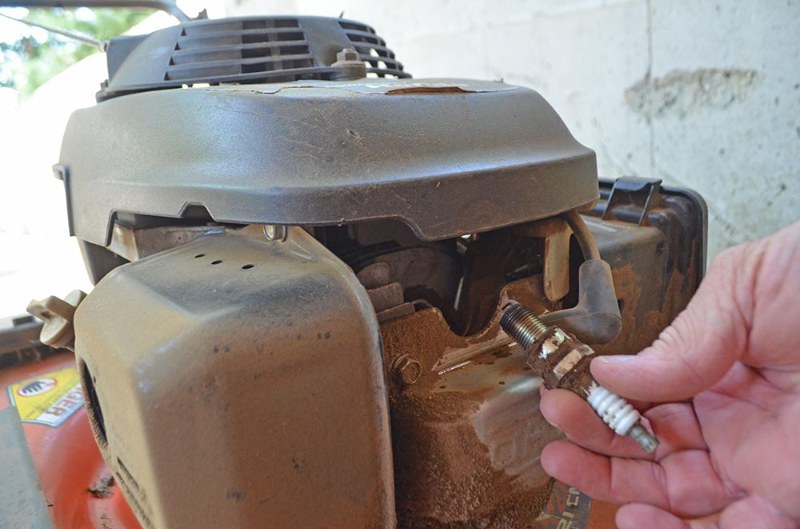
Spark plugs should be replaced every 25-50 hours or once per season. A worn spark plug causes hard starting and poor performance.
- Remove with a socket wrench after disconnecting the spark plug wire.
- Check for carbon deposits or worn electrodes.
- Install a new plug (costs under $10).
See step-by-step instructions: How to Change Spark Plugs on a Lawn Mower
3. Clean or Replace Air Filter
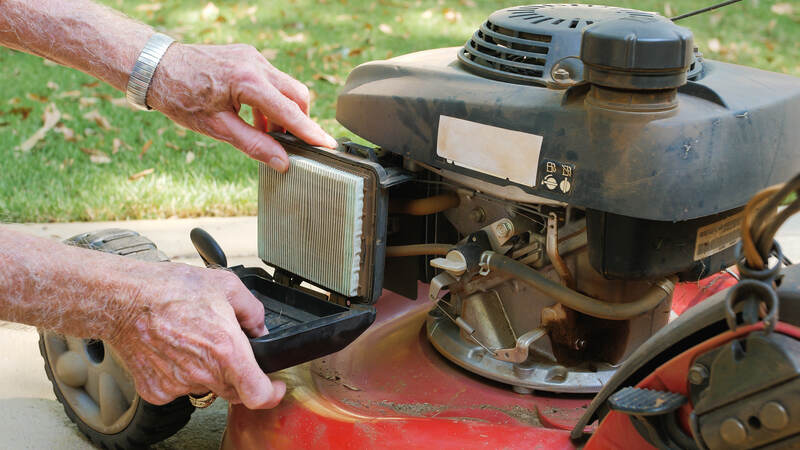
According to Garner, “Surprisingly, most people forget to clean the air filter.” A dirty air filter “impacts the engine, hindering its efficiency, reducing power, and increasing fuel consumption.”
- Tap the filter gently and wash with mild soap and water.
- Replace if clogged or damaged.
Full instructions: How to Clean and Change a Lawn Mower Air Filter
4. Sharpen and Balance Blades
Dull blades tear grass instead of cutting it cleanly, exposing your lawn to disease. J. Bryan Unruh, associate center director at the West Florida Research and Education Center, recommends sharpening “every 4 to 6 mowings” for average residential lawns.
“Dull blades produce a ragged cut edge, making it more susceptible to insect and disease incidence,” Unruh explains. In sandy soil areas, blades dull even faster.
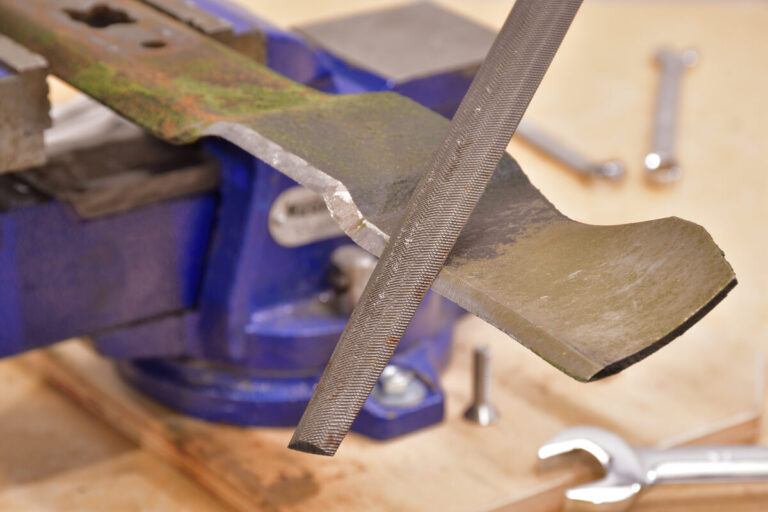
- Remove blades with a wrench.
- File edges to the original angle using a file or grinder.
- Check the balance before reattaching.
Unruh suggests “purchasing a spare mower blade” to swap out quickly rather than stopping mid-season to sharpen.
See our complete guide: How to Sharpen Lawn Mower Blades
5. Check Belts and Tires
If your mower has drive belts and pneumatic tires:
- Inspect drive belts for cracks or burns. Replace if damaged.
- Check tire pressure with a gauge and inflate to manufacturer specs (usually 10-20 PSI).
6. Inspect Safety Features
Test safety features before the mowing season starts:
- Check that the blade brake stops blades within 3 seconds of releasing the handle.
- Test the dead man’s switch (engine should stop when you release the handle).
- Ensure all safety shields are in place and secure.
7. Check Fuel Lines and Filter
Old fuel lines can deteriorate over time, leading to fuel leaks or starting problems.
- Check fuel lines for cracks, brittleness, or leaks. Replace damaged lines immediately.
- Replace the fuel filter if your mower has one (typically annually or per manual specifications).
8. Refuel and Check Battery
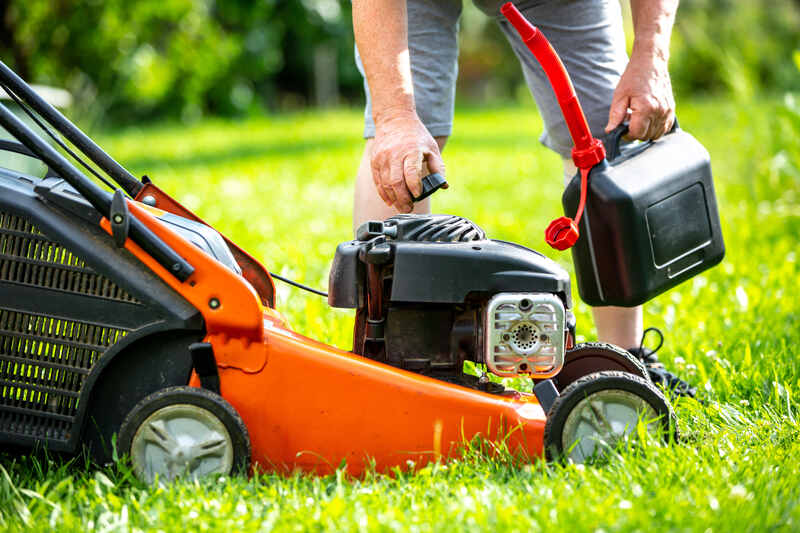
- Fill the gas tank with fresh fuel (gas degrades after 30 days).
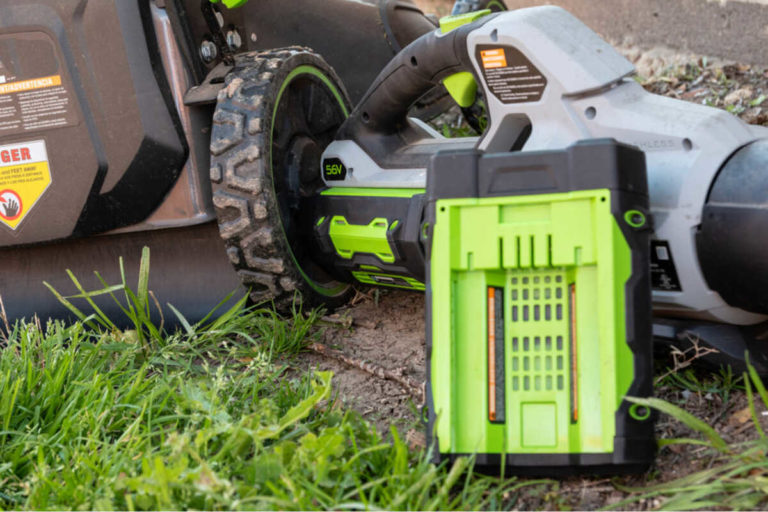
- For electric mowers, clean corroded battery terminals with baking soda and water, and fully charge the battery before the first use.
Learn more about maintaining mower batteries: How to Charge and Maintain Lawn Mower Batteries
Summer Maintenance
Keep your mower running smoothly during peak season with these monthly checks:
- Clean the Mower Deck
After every 2-3 mows, disconnect the spark plug, tip the mower with the air filter side up, and scrape away grass buildup. This prevents rust and improves airflow.
For a step-by-step guide, check out: Best Ways to Clean a Lawn Mower Deck
- Monitor Oil Level
Check the dipstick monthly. Add oil if low.
- Check Tire Pressure
Low pressure causes uneven cutting and scalping. Adjust to manual specifications.
- Lubricate Moving Parts
Apply multi-purpose oil to wheel axles, pivot points, and blade spindles per your manual. This reduces friction and prevents wear.
- Clean Cooling Fins and Air Vents
Grass clippings and debris can clog engine cooling fins and air vents, leading to overheating. Use a brush or compressed air to clean them monthly during heavy use.
Pro Tip: Garner emphasizes reading your owner’s manual, “which provides straightforward maintenance instructions for caring for the engine based on the factory recommendations.” Not consulting your manual is one of the most common mistakes homeowners make, he says.
Fall Winterization
Proper storage prevents spring starting problems and extends your mower’s life:
1. Drain the Gas or Add Stabilizer
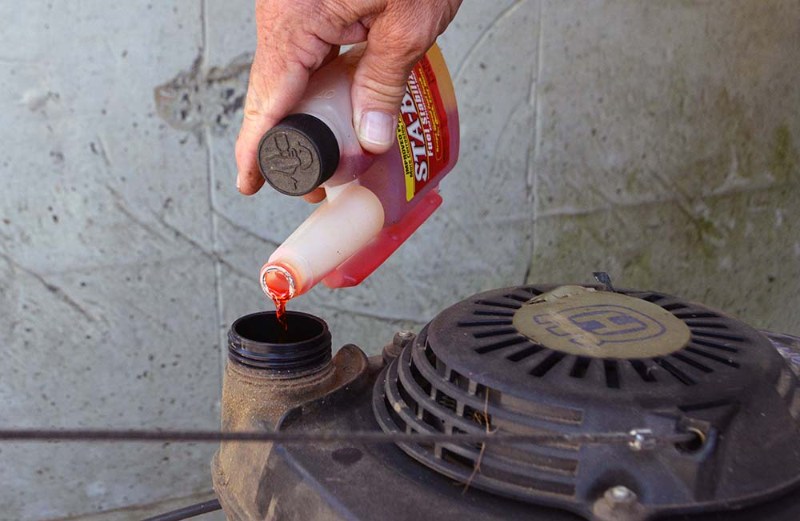
Unruh emphasizes that “draining fuel in wintertime is important” for gas mowers. Run the mower until the tank empties, or add fuel stabilizer if you prefer leaving gas in the tank.
“Allowing ethanol or untreated fuel to remain in the tank for months can cause issues when starting the lawn mower,” warns Garner.
For a detailed guide, see: How to Drain Gas From a Lawn Mower
Pro Tip: If using a fuel stabilizer, check the label to see how long it keeps fuel fresh. Always follow your mower’s manual for specific storage recommendations.
2. Clean Thoroughly
Remove blades and thoroughly scrape away all grass and debris from the deck, engine area, and wheels. This prevents corrosion during storage.
3. Remove Electric Mower Batteries
Store batteries in a cool, dry place away from sunlight. “For electric or battery-powered equipment, strictly follow the manufacturer’s recommendations for battery cycling/charging,” Unruh advises.
4. Store Properly
Disconnect the spark plug wire (gas mowers), cover with a tarp, and store in a garage or shed. Place wooden blocks under the mower if storing on concrete.
As Garner notes, “Storing equipment away from the elements or climate to reduce exposure to extreme heat and cold” protects your investment.
For more information: How to Winterize Your Lawn Mower: 10 Simple Steps
Additional Maintenance by Mower Type
The seasonal maintenance covered above applies to most mowers, but gas riding mowers and electric mowers have specific requirements beyond basic upkeep.
Gas Riding Mowers
Gas riding mowers require additional maintenance due to their larger size and more complex systems:
- Change transmission/hydrostatic fluid: Check your owner’s manual for specific intervals (usually 50-100 hours) and fluid type. Low or dirty fluid causes sluggish operation and transmission damage.
- Level the mower deck: An unlevel deck creates uneven cuts and scalping. Check deck level at the start of each season by measuring blade height at multiple points. Adjust deck hangers or chains per your manual’s instructions.
- Grease spindle bearings: Apply grease to deck spindle bearings every 25 hours or monthly during heavy use. Dry bearings cause excessive wear and eventually lead to spindle failure.
- Inspect deck belt: Check the deck engagement belt for cracks, fraying, or glazing. Replace at the first sign of damage. A worn belt slips during operation, reducing cutting power.
Electric Mowers
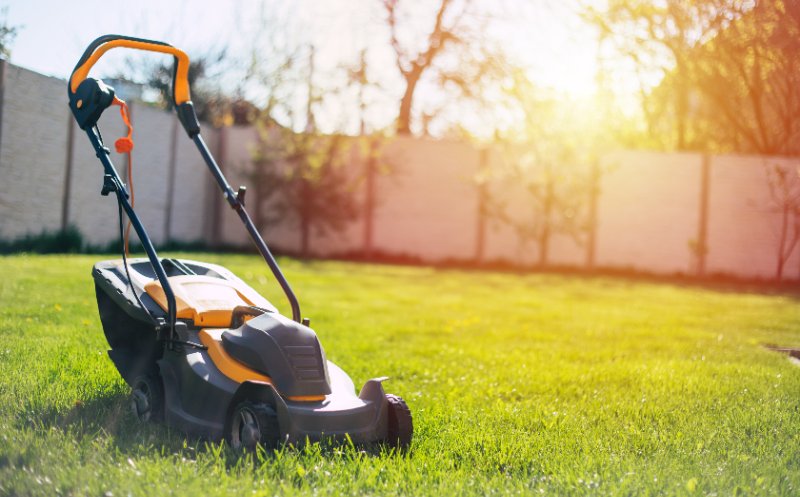
Electric mowers (both push and riding models) eliminate most engine maintenance but require specific battery care:
- Tasks that don’t apply: Electric mowers have no oil to change, spark plugs to replace, air filters to clean, or fuel systems to maintain. This significantly reduces maintenance time and cost.
- What still applies: You still need to sharpen blades regularly, clean the mower deck after use, check tire pressure (if applicable), and lubricate moving parts like wheels and pivot points.
- Battery care is critical: Battery maintenance becomes your primary focus. Charge batteries after each use, avoid discharging below 20%, and disconnect chargers at 100% to prevent overcharging.
When to Call a Professional
“Having a professional check the equipment becomes more important for those that are less mechanically inclined,” says Unruh.
Garner adds: “Routine service by a professional is necessary to adjust the intake and exhaust valves, carburetor, sensors, and other parts of the mower. Humans sometimes need a doctor, and a mower sometimes needs a mechanic.”
Schedule professional service for:
- Annual tune-ups (especially if you’re not comfortable with DIY)
- An engine that won’t start after basic troubleshooting
- Carburetor or valve adjustments
- Any repair you’re uncomfortable performing
Cost: Professional lawn mower repair costs from $75 to $550. Walk-behind mower repairs average $125; riding mower repairs average $175.
Pro Tip: “Spring tune-ups are key, but schedule it early due to the busy schedules most professionals have each spring,” Unruh advises.
Maintenance Schedule at a Glance
| Frequency | Task |
| After Every 2-3 Mows | Clean mower deck, check blade sharpness |
| Monthly (Summer) | Check oil level, tire pressure (if applicable), battery terminals, lubricate parts, clean cooling fins |
| Every 25-50 Hours | Change oil, replace spark plug |
| Start of Season (Spring) | Replace air filter, sharpen blades, check belts (if equipped), inspect safety features, check fuel lines and filter, refuel |
| End of Season (Fall) | Drain gas or add stabilizer, remove battery, clean and store |
| Annually | Professional tune-up (optional but recommended) |
Note: Electric mower and gas riding mower owners should refer to the Additional Maintenance by Mower Type section for specific requirements.
FAQ About Lawn Mower Maintenance
Use the oil type specified in your owner’s manual. Most manufacturers recommend SAE 30 for warmer temperatures or 10W-30 synthetic oil for varying conditions. Never use automotive motor oil grades like 5W-20 unless specifically approved.
A well-maintained gas push mower typically lasts 5-10 years with regular use. Electric mowers have similar lifespans, though batteries may need to be replaced every 3-5 years. Proper seasonal maintenance is the key to maximizing lifespan.
Skip the Maintenance — Hire a Pro
Regular lawn mower maintenance requires time, tools, and mechanical knowledge. While basic tasks are manageable, keeping up with seasonal schedules year-round takes commitment.
LawnStarter connects you with licensed, insured local lawn care professionals who maintain their equipment like clockwork. They arrive with sharp blades, tuned engines, and the expertise to cut your grass perfectly every time — no maintenance required from you.
Get an instant lawn mowing quote in your area and let the pros handle both the mowing and the maintenance.
Sources:
- Marcus Garner, urban regional Extension agent at Alabama A&M & Auburn Universities Extension. Personal interview.
- J. Bryan Unruh, associate center director and professor at the West Florida Research and Education Center. Personal interview.
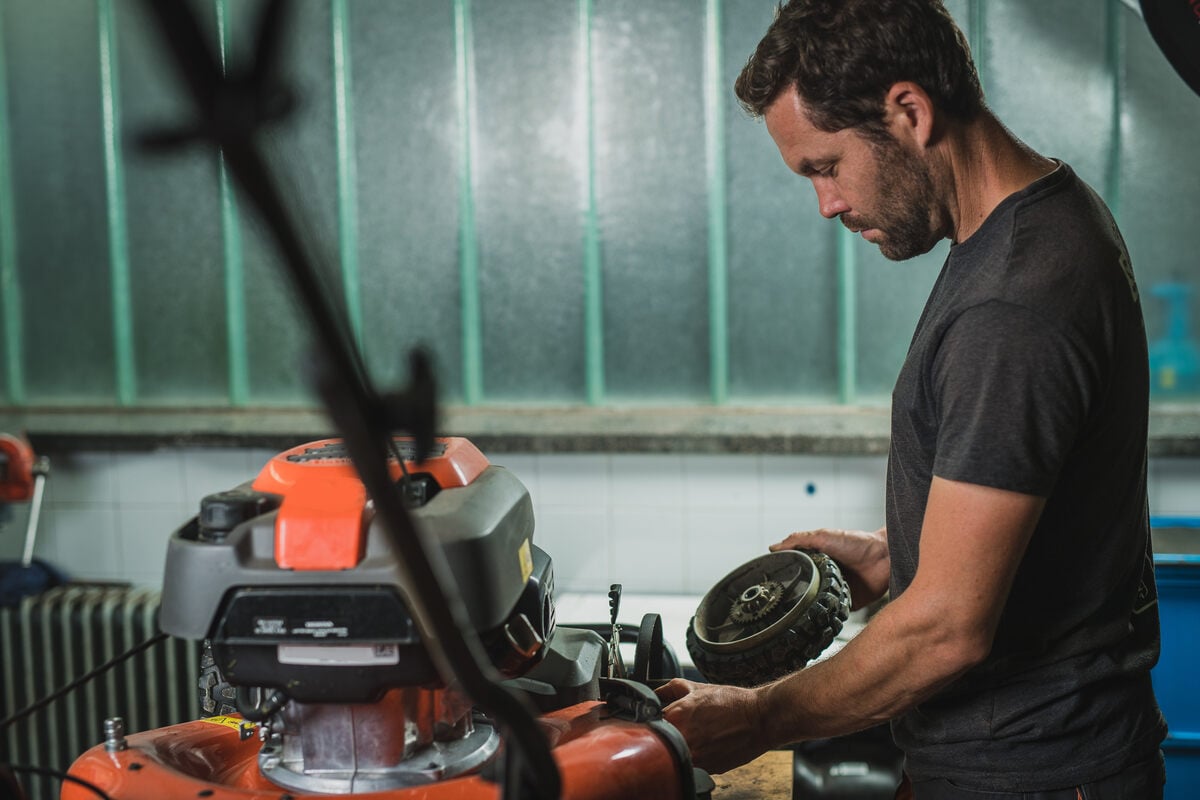
Main Image: Mechanic inspects lawn mower wheel in workshop carefully. Image Credit: Anze / Adobe Stock Free / License
Related Posts: