| Key Takeaways |
|---|
| ✓ Rock mulch lasts longest but retains heat that can stress plants ✓ Plastic film warms soil for faster vegetable harvests ✓ Landscape fabric needs organic mulch on top to prevent UV breakdown |
Tired of replacing faded wood chips every spring? Inorganic mulches like rock, rubber, and plastic last for years without breaking down, saving you time and money on yard maintenance.
Unlike organic options that decompose and enrich soil, inorganic mulches provide permanent weed control and stable ground cover. The trade-off? They won’t add nutrients to your soil, so they usually work best in areas like xeriscapes and pathways.
This guide compares 5 popular inorganic mulch types, with expert tips, to help you choose the right material for your landscape goals, climate, and budget. But if you’d rather leave this to a pro, we connect you to local LawnStarter landscapers who can choose and install the inorganic mulch for you.
What Is Inorganic Mulch?
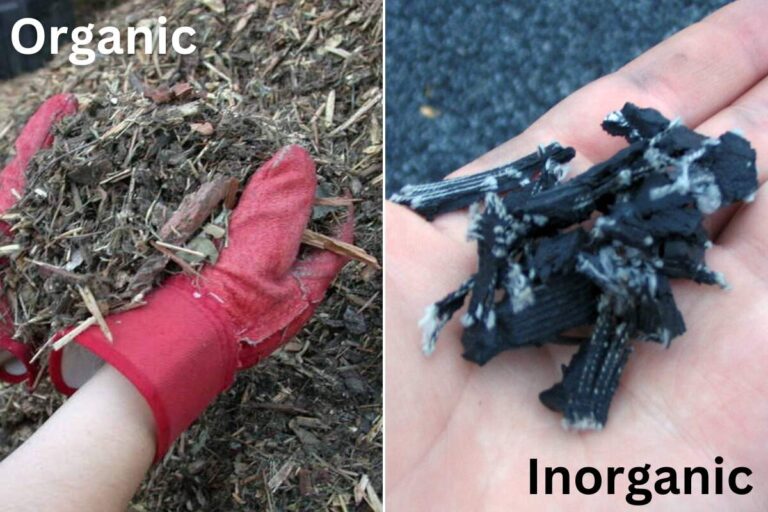
Inorganic mulch consists of non-living materials, whether natural (e.g., stones) or manufactured (e.g., plastic or rubber), intended to cover soil and beautify your landscape. The materials don’t decompose like wood chips or bark, so they’re great for a low-maintenance weed barrier or to add a decorative touch to your landscape.
They last 6 months to 10+ years, depending on type, reducing annual replacement costs. However, inorganic mulch won’t enrich your soil over time because it doesn’t break down into organic matter. However, it excels in areas where durability, weed control, and permanence matter most.
Inorganic Mulch Comparison: Quick Decision Guide
Inorganic mulches are known for their longevity, but each type serves a different purpose. Use the table below to compare each type, so you can choose what’s best for your landscape:
| Mulch Type | Best For | Lifespan |
| Rock | Pathways, slopes, desert gardens, fire-safe zones | 10+ years |
| Plastic Film | Vegetable gardens to warm the soil, weed suppression | 6-12 months |
| Landscape Fabric | Under other mulches, weed control, erosion control | 1-5 years |
| Recycled Rubber | Playgrounds, pathways, dog runs | 10+ years |
| Reflective Mulch | Preventing pests in vegetable gardens | 1-5 years |
Cost Overview: Plastic film and landscape fabric are the least expensive inorganic mulch options, starting at only a few cents per square foot. However, you’ll need to replace them more often than the other types. Rock and rubber mulch are on the higher end of the spectrum, costing up to $180 per cubic yard installed.
Landscaping pros often recommend inorganic mulch for areas without active plantings, such as walkways, slopes, dog runs, and decorative borders.
As Ramon Taguja, lawn care pro at LTH Lawn Service and Landscaping, explains, “We usually suggest it for clean areas without plants, because these materials don’t retain moisture and can sometimes suffocate plants and cause damage.”
For garden beds with small plants or flowers, organic mulches are typically the better choice because they retain moisture and support soil health over time.
See Related:
– How Much Does Mulch Cost?
– Organic vs. Inorganic Mulch: Which Should You Choose?
1. Rock Mulch
Best for:
- Xeriscaping and drought-tolerant gardens
- Pathways, driveways, and walkways
- Fire-resistant landscaping zones near patios and outdoor kitchens
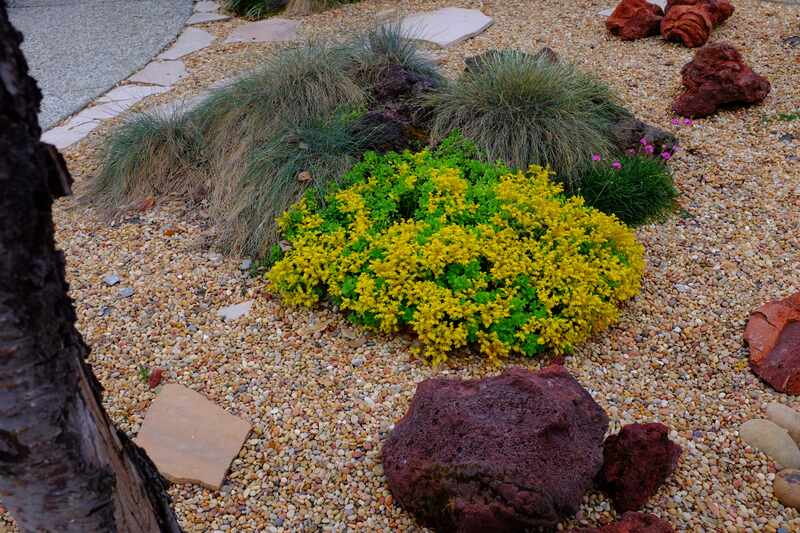
Rock mulch includes stone, gravel, river rock, lava rock, marble chips, and crushed granite, available in colors ranging from deep charcoal and red to bright white marble and warm tan. With so many shades and textures, it can change the look of a landscape.
Because color plays such a big role in curb appeal, choosing the right rock matters. Taguja explains that “sometimes clients request a type of mulch that doesn’t work well with their garden or clashes with the color of their house. In those cases, we guide them and suggest a different option that fits better.”
Pros:
- Lasts indefinitely with no replacement needed
- Improves drainage and prevents waterlogged soil
- Available in multiple colors and types
Cons:
- Heats up quickly, and may scorch sensitive plants in summer
- Difficult to remove leaves and debris from crevices
Cost: $50-$180 per cubic yard (installed)
See Related:
– What is Xeriscaping?
– How to Landscape with Pea Gravel
– How to Remove Weeds From Gravel
2. Plastic Film Mulch
Best for: Annual vegetable crops
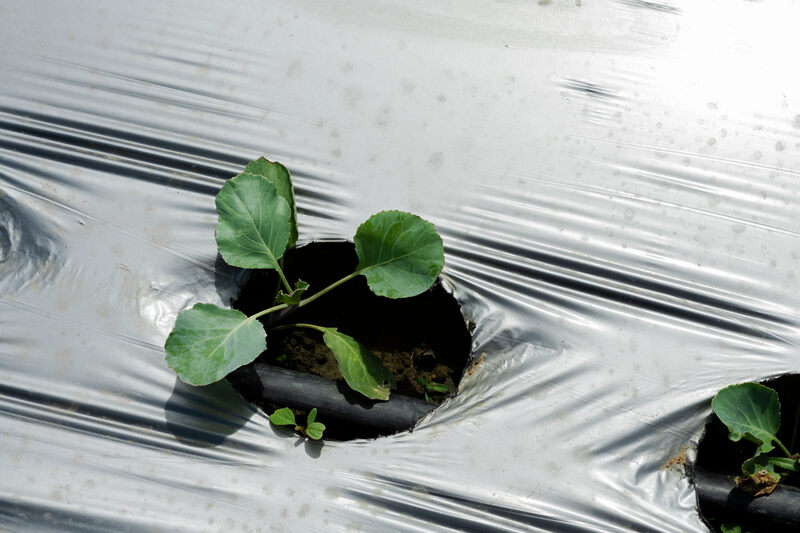
Black plastic sheeting dominates commercial agriculture for good reason: It warms soil, suppresses weeds, and conserves moisture. Home gardeners use it to extend growing seasons and boost vegetable yields.
However, plastic mulch works best when matched carefully to plant type and soil conditions. As Taguja explains, “When homeowners ask me what type of mulch to use, the first factors I consider are the types of plants it will be used around (whether they are flowers or shrubs) and the condition of the soil, such as whether it is moist or dry.”
Because it traps heat and limits airflow, plastic mulch is ideal for annual vegetables in well-prepared beds, but less suited for ornamental beds or areas with poor drainage.
Plastic mulch comes in several varieties:
- Black plastic: Blocks all sunlight, prevents weeds, most affordable option
- Clear plastic: Allows solar heating, useful for early spring planting
- White plastic: Reflects sunlight to keep soil cooler in hot climates
- Biodegradable plastic: Breaks down when tilled into soil, reduces waste
Pros:
- Suppresses weed germination
- Warms soil for faster seed germination and growth
Cons:
- May kill beneficial insects in the soil
- Does not allow air, water, and nutrients to get to the soil
Cost: $0.03 to $0.07 per square foot (materials only)
3. Landscape Fabric
Best for:
- Under decorative rock or gravel mulch
- Around established trees and shrubs to avoid rock mulch from sinking into the soil
- Perennial flower beds that won’t be replanted
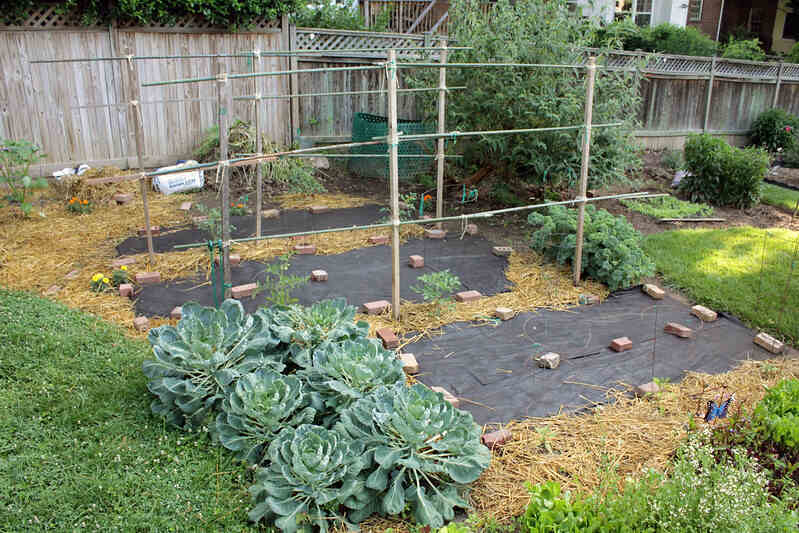
Landscape fabric creates a woven or spun barrier that blocks weeds in landscaping beds. Unlike solid plastic, it allows water and air to reach your plants but degrades in the landscape in around 5 year if unprotected from sunlight.
That’s why they work best under a protective layer of organic mulch, such as wood chips or shredded bark.
Avoid using landscape fabric in vegetable gardens and annual beds. Frequent planting disrupts the fabric, and it can release microplastics as it degrades over time.
Pros:
- Blocks weeds without chemicals
- Allows water and air infiltration (unlike plastic)
- Stabilizes soil on slopes to prevent erosion
Cons:
- Degrades rapidly in direct sun (1-5 years)
- Doesn’t improve the soil and can cause compaction over time
Cost: $0.05 – $0.85 per square foot
See Related:
– Landscape Fabric Types and How to Use Them
– How to Install Landscape Fabric
4. Recycled Rubber Mulch
Best for:
- Playgrounds and play areas
- Dog runs and pet-friendly zones
- Low-traffic pathways
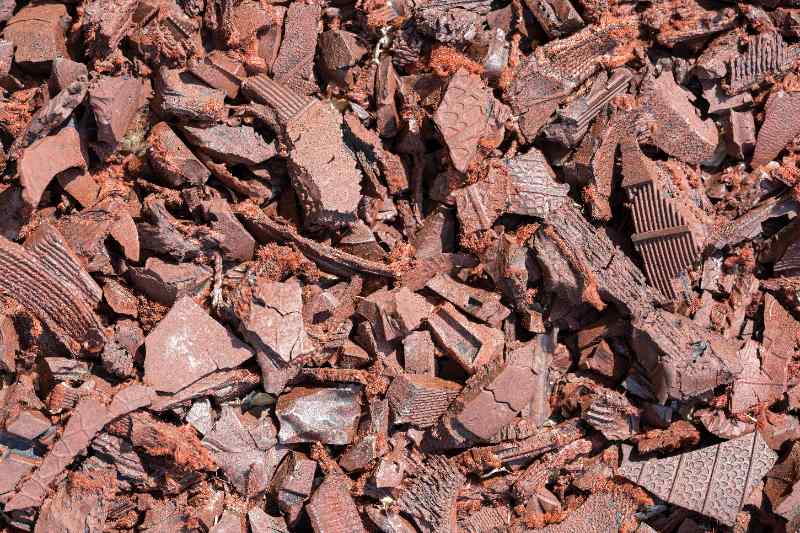
Shredded tire rubber offers a soft, bouncy surface that lasts for years without decomposing. Manufacturers market it as an eco-friendly way to keep tires out of landfills while creating a low-maintenance ground cover.
Spread rubber mulch 2-3 inches deep to suppress weeds and retain moisture. It won’t rot, attract insects, or fade as quickly as wood mulch.
Keep away from plants. As rubber breaks down, it leaches zinc into soil. While plants need trace amounts of zinc, excess levels cause yellow leaves, stunted growth, and eventual death. Never use rubber mulch in vegetable gardens, flower beds, or around edible plants.
Pros:
- Lasts more than 10 years with minimal maintenance
- Soft surface reduces fall injuries on playgrounds
- Won’t attract termites or carpenter ants
Cons:
- Highly flammable and difficult to extinguish once ignited
- Can contaminate soil with heavy metals as it degrades
Cost: $80-$140 per cubic yard (installed)
See Related:
– Pros and Cons of Rubber Mulch in Your Landscaping
– How to Prevent Mulch Fires
5. Reflective Mulch
Where to Use Reflective Mulch:
- Vegetable gardens (tomatoes, peppers, cucumbers)
- Fruit tree understories
- Berry patches to deter pests
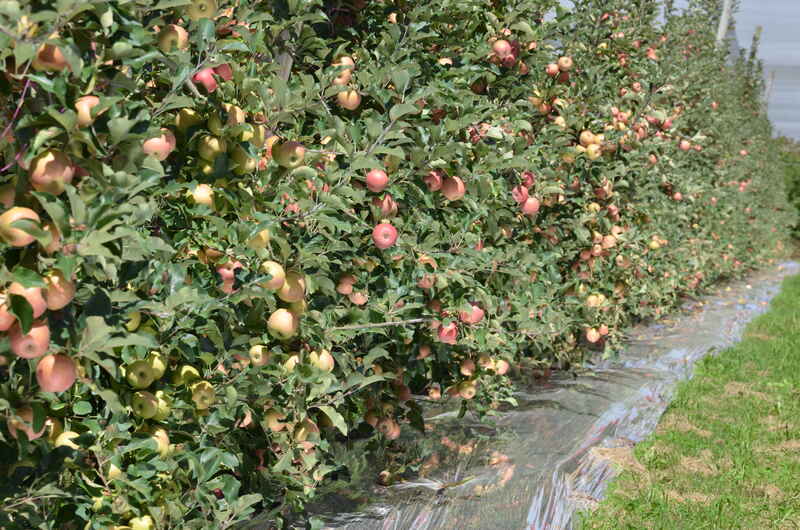
Reflective (or metallic) mulch uses aluminum-coated plastic to bounce sunlight upward onto plant leaves. This increases photosynthesis while keeping soil cooler than black plastic, a win-win for heat-sensitive crops.
Research demonstrates that reflective mulch also deters aphids, whiteflies, and other flying insects that damage vegetables. The disorienting light patterns confuse pests, reducing the need for pesticides.
Pro Tip: Position it in full sun areas. Shading from unpruned vines or tall weeds significantly reduces effectiveness.
Pros:
- Reduces aphid and whitefly populations
- Keeps soil cooler than black plastic
Cons:
- More expensive than standard black plastic
- Shiny appearance clashes with natural garden aesthetics
Cost: $80-$150 per cubic yard
FAQ
Most inorganic mulches last 1-5 years minimum, with rock and rubber lasting indefinitely. Replace when you notice a significant breakdown, fading that affects appearance, weeds growing through gaps, or if the mulch is washed away. Plastic film and landscape fabric may need annual or bi-annual replacement.
See Related:
– Signs You Need to Replace Your Mulch
– How Often Should You Replace Mulch?
Yes, combining materials often works better than using a single material alone. Smart ways to combine mulch types include:
• Layering organic mulch over landscape fabric to block UV rays and extend fabric life.
• Using rocks as the primary ground cover, and creating defined planting areas filled with compost or wood chips
• Adding compost to vegetable gardens to improve soil structure and using plastic film to boost yield
However, don’t mix materials within the same layer; keep them in distinct zones or layers for easier maintenance.
See Related:
– Types of Mulch: How to Choose the Right One for Your Landscape
– 9 Types of Organic Mulch for Your Landscape: How to Choose
Rock and rubber mulch don’t attract insects or rodents like organic materials can. However, they may provide hiding spots for spiders, scorpions, or snakes in some regions. Reflective mulch actually repels many garden pests.
Choose the Right Inorganic Mulch for Your Yard
The best inorganic mulch depends on your priorities. But remember that inorganic options won’t improve soil health over time, so consider your long-term landscape goals before committing to any materials.
Want professional guidance on mulch selection and installation? LawnStarter’s local landscaping experts can assess your property, recommend the best materials for your climate and plants, and handle the heavy lifting.
Or if you prefer a soil-enriching option, our lawn care pros can leave grass clippings as natural mulch while they mow, which means free fertilizer and moisture retention in one service.
Sources:
- International Journal of Scientific & Engineering Research: Pulverized Tires as Soil Amendment for Plant Growth
- Ramon Taguja, lawn care and landscaping professional at RTH Lawn Service and Landscaping LLC, Plant City, FL. Personal interview.
- UMass Extension Center for Agriculture: Mulch: Using Colored Plastic Mulches in the Vegetable Garden
- University of California Agriculture and Natural Resources: Reflective Mulches
- University of California Kearney Plant Protection Group: Plant Protection Quarterly (v. 7, no. 1)
- Washington State University: The Myth of Landscape Fabric
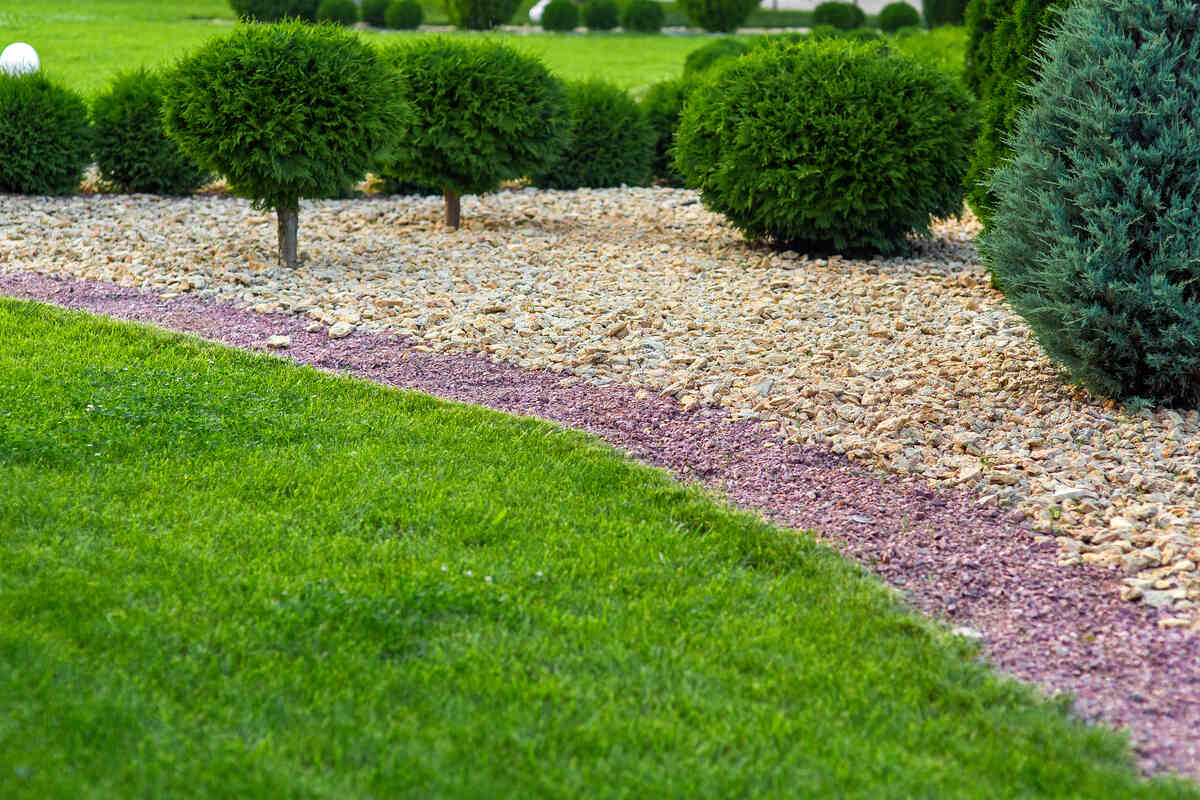
Main Image: A landscaped garden bed with gravel mulch and trimmed ornamental shrubs. Image Credit: Александр Беспалый / Adobe Stock Free / License
Related Posts: