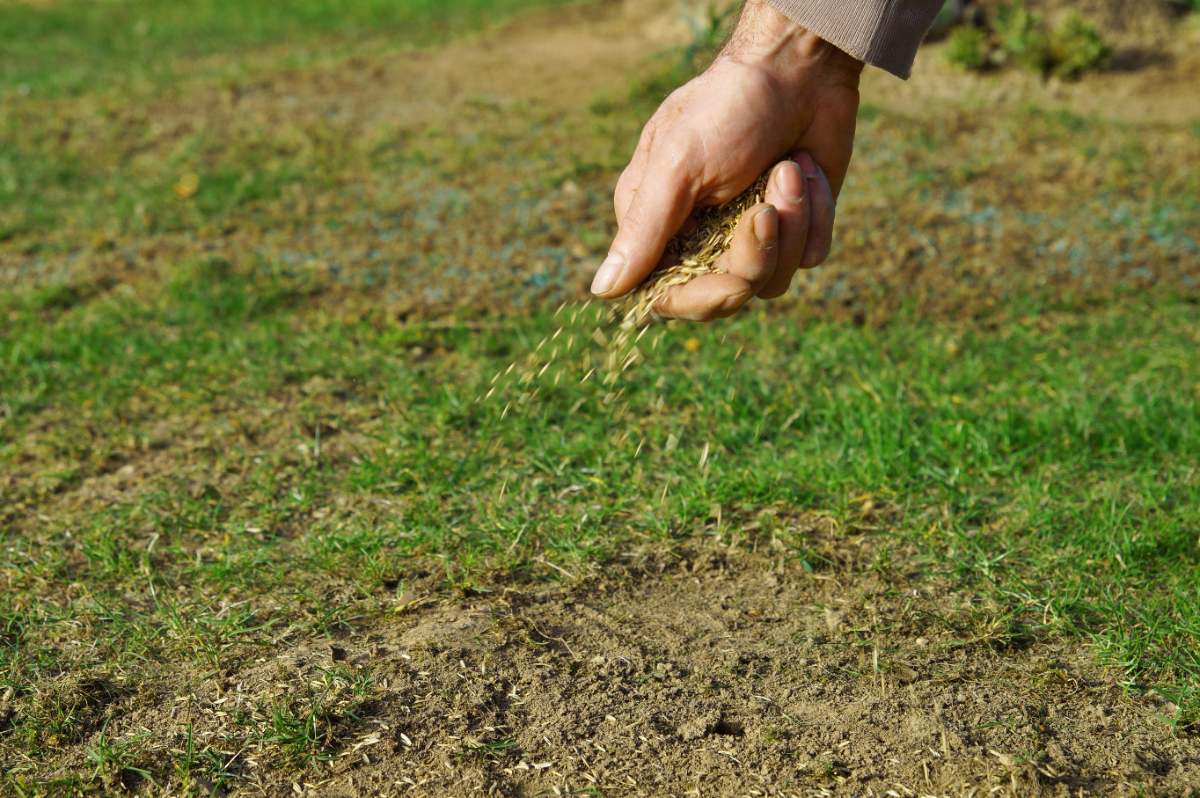
Your bahiagrass lawn looked solid last summer, and now you can see bare patches from the driveway. Heat, foot traffic, drought, and Florida’s sandy soils thin out bahiagrass over time, and weeds move in fast.
Overseeding closes those gaps before they grow. The catch? Bahiagrass germinates slowly, and timing the window wrong is the most common reason homeowners end up with patchy results.
This guide walks you through when to overseed bahiagrass in Florida with tips on how to do it right and what to do next.
If you’d rather skip the trial and error, LawnStarter’s local landscaping pros can handle the seeding and follow-up care for you.
| Key Takeaways |
|---|
| • Seed bahiagrass in Florida between April and July in most regions, when soil temperatures reach at least 65 degrees. • With consistent moisture and warm soil, bahiagrass seed has a typical germination time of 14 to 30 days. • Limit foot traffic for 4 to 6 weeks after seeding to let the grass establish strong roots. |
Best Time to Seed Bahiagrass in Florida

In most of Florida, seed bahiagrass between April and June. That’s when soil temperatures hit the 65-degree mark bahiagrass needs to germinate.
South Florida homeowners can seed year-round, while North and Central Florida residents should stick to spring through early summer.
| Florida Region | Best Seeding Window | Soil Temperature |
| North Florida | April to June | 65 degrees or higher |
| Central Florida | March to June | 65 degrees or higher |
| South Florida | Year-round | Rarely drops below 65 degrees |
Soil temperature (not air temperature) is what triggers germination. Florida’s air can feel warm in March, but soil in North Florida may still be too cool underground.
A soil thermometer can help you find out when it’s warm enough to seed bahia on your lawn. Homeowners can also check the University of Florida’s Automatic Weather Network (FAWN) for local soil temperature data.
When to Seed Bahiagrass in North Florida
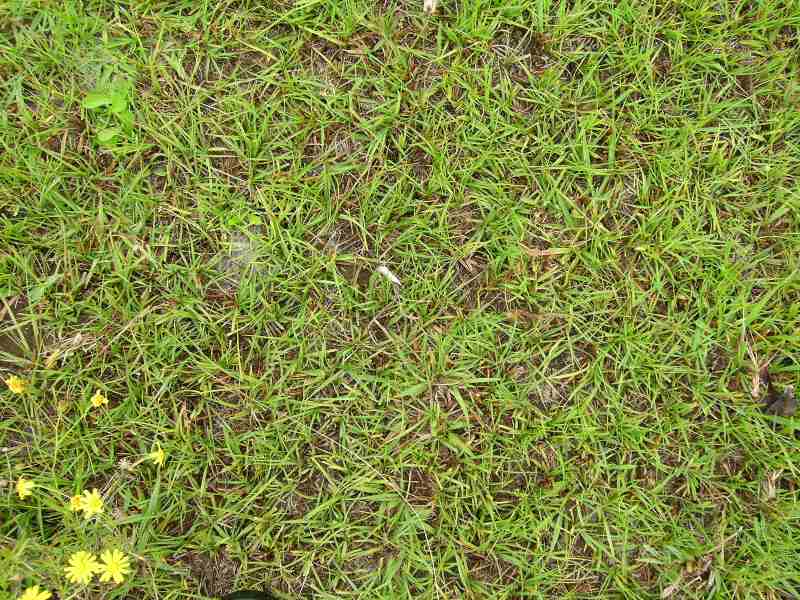
Seed bahiagrass in North Florida in mid-spring to early summer, between April and June.
This timing ensures that the seeds have warmer soil to establish, giving them a head start for the growing season. Wait for warm soil before throwing down seed.
When to Seed Bahiagrass in Central Florida
Seed bahiagrass in Central Florida from early spring to early summer, when soil temperatures are warm enough for germination.
Warmer temperatures during these months make it easier for seeds to germinate and establish, setting your lawn up for success. Due to warmer weather, you you might be able to start planting before April.
When to Seed Bahiagrass in South Florida
South Florida homeowners can overseed bahiagrass year-round. Since the area doesn’t experience winter freezes, you can successfully plant your bahiagrass seeds throughout the year without risking their being killed in winter.
However, be careful during the extreme heat of summer. If the soil dries out before the seeds’ roots have developed, they may die. Keep the soil consistently moist until establishment.
How to Seed Bahiagrass in Florida
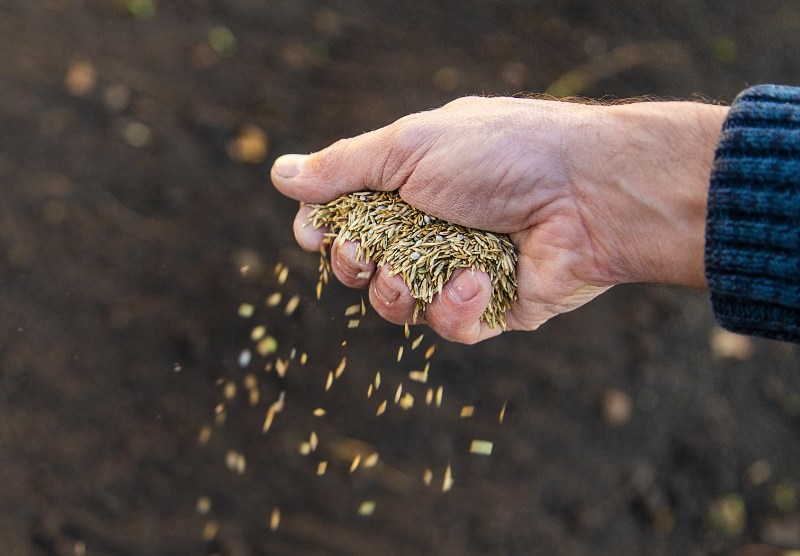
Knowing when to seed is the first step. Here’s how to do it right:
Step 1: Prepare the site. Mow the existing lawn short and rake away debris so seed can reach soil. For bare areas, rake or lightly till the top layer so the surface is loose and ready for seed-to-soil contact.
Step 2: Spread seed evenly. Use a broadcast spreader for the most consistent coverage, and split the seed into 2 passes (one north-to-south and one east-to-west) to avoid stripes and missed spots.
Step 3: Work seed into the surface. Lightly rake after spreading so the seed settles into the top of the soil. Avoid burying seed too deeply, since shallow placement supports faster, more reliable germination.
Step 4: Roll for better contact. If you have access to a lawn roller, make a light pass to press seed into the soil surface. Firm contact helps prevent seed from drying out or washing away during irrigation.
Step 5: Water right away. Start watering immediately after seeding so the surface stays consistently moist while the seed swells and begins to sprout.
See Related: How to Overseed a Lawn in 8 Simple Steps
Caring for Bahiagrass After Seeding
How to Water Bahiagrass After Seeding in Florida
Knowing how often to water new seed is the single most important part of the seeding process and the most common place homeowners go wrong:
Keep soil moist: Water the top inch of soil lightly once or twice daily. Ideally, water before 10 a.m. so the water soaks in before the Florida heat evaporates it.
Avoid overwatering: Soil should be moist, not soggy. Soggy conditions invite fungal problems and can wash seeds off the soil surface.
Be patient: Continue until seeds sprout. Bahiagrass typically germinates in 14 to 30 days. Once established, follow a proper fertilization schedule for Florida lawns and keep nutrients consistent while your bahiagrass fills in.
See Related:
Keep Foot Traffic Off the Overseeded Lawn
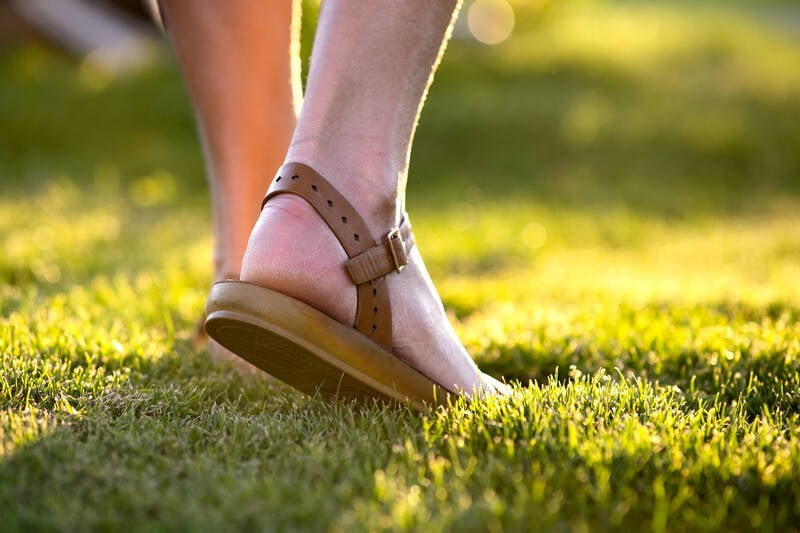
Keep foot traffic off the seeded area for at least a month after germination, or until the new grass has been mowed 2 or 3 times.
Young bahiagrass seedlings have shallow roots and tear out easily under shoes, paws, or mower wheels.
Let LawnStarter Handle the Seeding
Overseeding bahiagrass in Florida is a great way to keep your lawn lush and green year-round. By knowing the best times for overseeding, preparing your soil properly, and maintaining your lawn after seeding, you can enjoy a healthy bahiagrass lawn.
For the best results, leave seeding to LawnStarter’s local landscaping pros. They can help you prepare your lawn for overseeding, overseed bahia, and maintain it throughout the year.
FAQs
Argentine bahiagrass is the better choice for most Florida lawns. It forms a denser, darker green turf and produces fewer seed heads than Pensacola. Choose Pensacola if you’re in North Florida, where its stronger cold tolerance and longer growing season give it an edge.
You can, but results are unreliable without more than a quick mow. Bahiagrass germinates slowly, so existing grass easily outcompetes new seedlings for light. Scalp the lawn as short as possible, rake vigorously to expose soil, and use scarified seed. Even then, expect uneven germination.
Not necessarily. For thin existing lawns, mow short and rake to expose soil. For brand new lawns, loosen any compacted soil with a rake or light tilling before seeding. Either way, bahiagrass seeds need direct soil contact. Seeds sitting on top of thick thatch rarely germinate.
Light coverage can help conserve moisture when seeding a new lawn or large bare patches, but don’t bury the seed. A very thin layer of soil or a light application of clean straw can reduce drying and washout. If you use straw, keep it sparse so sunlight and water still reach the seed.
Main Image: Person overseeding spreading grass seeds in a lawn. Photo Credit: Shutterstock
