| Key Takeaways |
|---|
| • St. Augustinegrass is the top choice for most Spring, Texas, yards thanks to its shade tolerance and love of humid conditions. • Bermudagrass is best for open, sunny, high-traffic lots but needs full sun plus more frequent mowing and fertilizing. • Centipedegrass works on the sandier, acidic patches near the Piney Woods edge on Spring's east side, but struggles on the area's more common loamy soils. |
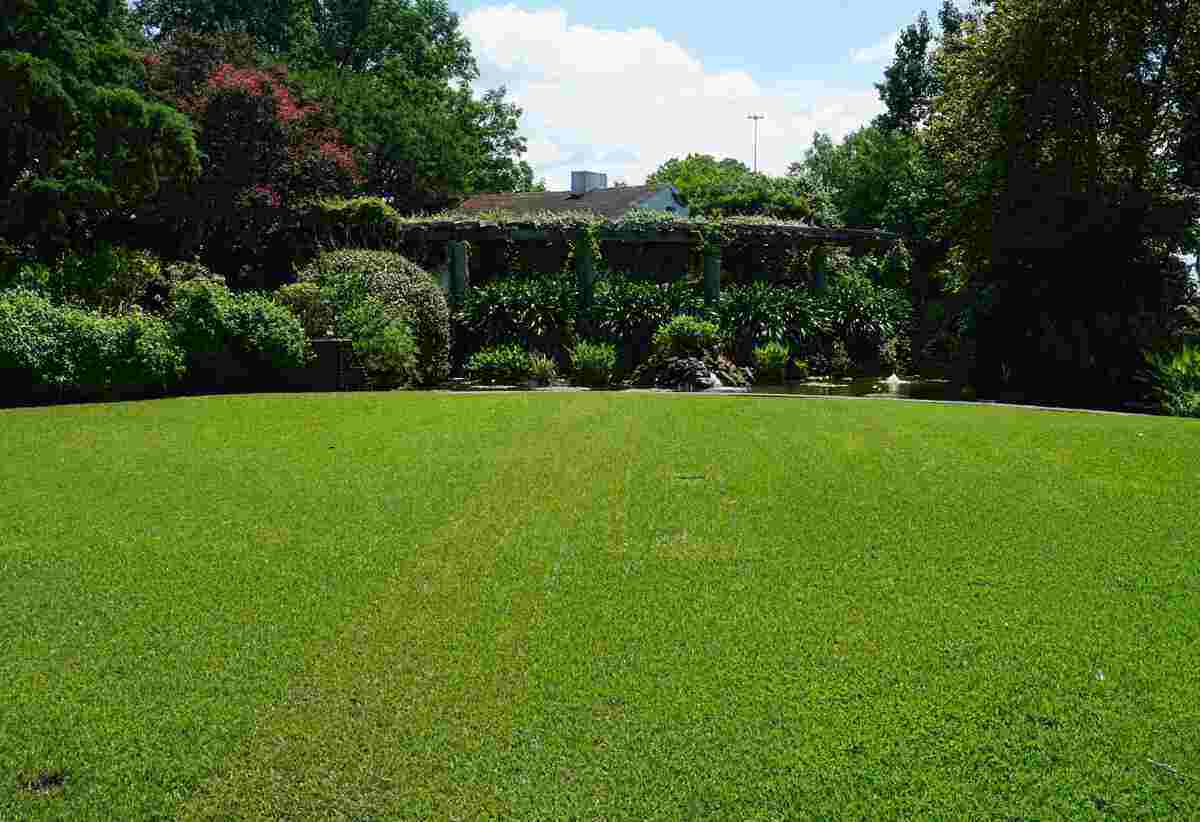
Choosing the best grass types for Spring, Texas, starts with understanding your yard. Sun exposure, foot traffic, and maintenance preferences all shape the right pick.
Most lawns feature St. Augustinegrass or Bermudagrass, but 3 others also deserve a look. Spring sits in USDA zone 9b, where warm-season grasses thrive in hot, humid summers and roughly 50 inches of annual rain. Soils here are loamier and slightly more acidic than the heavy clays of southern Harris County, which widens your options.
The right grass can transform your yard, but keeping it healthy takes consistent care. Let LawnStarter’s Spring, Texas, lawn care pros handle the hard work so you can enjoy your weekends.
- Best Grass Types for Spring, Texas, at a Glance
- St. Augustinegrass: Best Grass Type for Shade
- Bermudagrass: Best Grass for Full Sun
- Zoysiagrass: Most Versatile Grass
- Centipedegrass: Best Low-Maintenance Grass
- Honorable Mention: Carpetgrass
- How to Choose the Best Grass Type for Your Lawn in Spring, Texas
- FAQs
Best Grass Types for Spring, Texas, at a Glance
The best grass types for Spring, Texas, are St. Augustinegrass, Bermudagrass, Zoysiagrass, centipedegrass, and carpetgrass. Each suits different yard conditions based on sun, traffic, and maintenance preferences.
| Grass Type | Best For | Maintenance |
| St. Augustinegrass | Shaded, humid yards with mature trees | Moderate to high |
| Bermudagrass | Open, full-sun, high-traffic lots | High |
| Zoysiagrass | Versatile; sun-to-part-shade lots with foot traffic | Low to moderate |
| Centipedegrass | Acidic, sandy lots near the Piney Woods transition (eastern Spring) | Low |
| Carpetgrass | Wet, low-lying spots near creek corridors | Low to moderate |
St. Augustinegrass: Best Grass for Shade
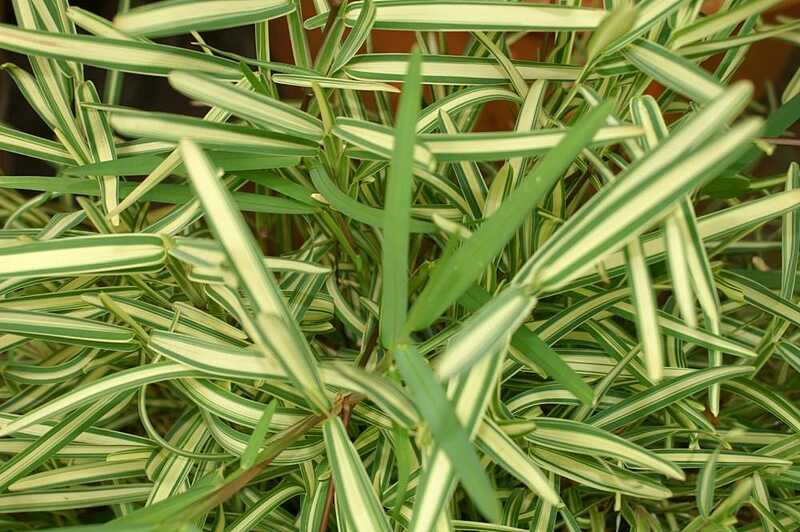
St. Augustinegrass is one of the best grass types for Spring, Texas, and one of the most popular for home lawns across the Southern U.S. It grows quickly, tolerates moderate shade, and thrives in hot, humid summers.
St. Augustine has a broadleaf blade that forms a dense carpet with a beautiful green color. It does need frequent irrigation throughout the summer and multiple fertilizer applications (2 to 4 times a year) to keep St. Augustine looking its best.
Thatch buildup is common, so plan to dethatch your lawn once levels rise above half an inch. It is also vulnerable to fungus and insect infestations. In Spring’s shaded, humid yards, gray leaf spot is the disease to watch; it spreads fastest in exactly those warm, moist, low-light conditions.
Shade tolerance: Moderate to high. It is the most shade-tolerant warm-season grass.
Drought tolerance: Moderate
Foot traffic tolerance: Low
Maintenance needs: Mow your lawn every 5 to 7 days. St. Augustine has moderate water needs.
Mowing height: Set the mowing height between 3.5 and 4 inches.
Potential for disease: Moderate to high
Note: It tolerates many soil types, but doesn’t tolerate soil compaction.
See Related:
Bermudagrass: Best Grass for Full Sun
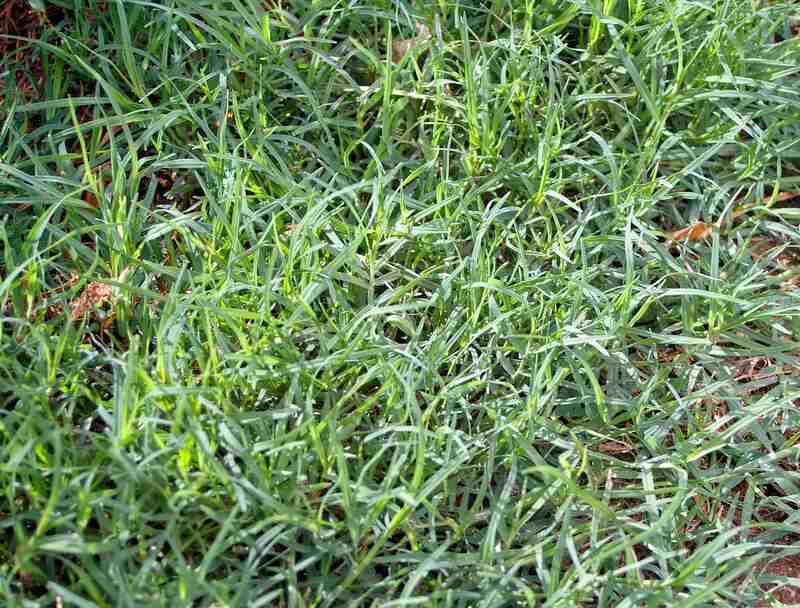
Bermudagrass is grown throughout Texas, according to Texas A&M AgriLife Extension. It has delicate leaves and is often used in yards, golf courses, and athletic fields.
Bermudagrass is one of the best grasses for high-traffic yards because it tolerates heavy wear and tear. It needs direct sunlight, so shade-heavy yards should consider other options.
Compared with centipedegrass, Bermuda requires more nitrogen fertilizer and more frequent mowing. It is drought-tolerant, so you will water it less often.
Bermuda goes dormant once temperatures regularly fall below 50 degrees. In Spring’s mild 9b winters, that dormancy is brief. The lawn browns for a shorter stretch than it would in North Texas before greening back up.
Shade tolerance: Low; thrives in full sun
Drought tolerance: High
Foot traffic tolerance: High
Maintenance needs: Mow every 3 to 7 days. Fertilize every 4 to 6 weeks during the growing season. It has low to moderate water demands.
Mowing height: Set the mowing height between 1.5 and 2.5 inches for common Bermudagrass and 0.5 to 1.5 inches for hybrid Bermuda.
Potential for disease: Good disease resistance overall; low insect resistance
Common Bermudagrass is lower maintenance than improved cultivars and can tolerate poor soils. It generates a lot of pollen, so stay away if you suffer from grass allergies.
See Related:
Zoysiagrass: Most Versatile Grass

Zoysiagrass is known for its thick growth habit and resistance to damage from high traffic and pets. It also has strong cold tolerance and stands up to foot traffic better than St. Augustine — useful for the open, sunnier Spring lots where you still want some give underfoot.
Even though it can handle drought, Zoysiagrass browns during extended dry spells.
For lawns in Spring, Texas, choose one of 2 species. Zoysia matrella offers fine leaf texture and dense turf but is less cold tolerant and requires more frequent mowing. Zoysia japonica is medium-textured and happy with a more relaxed mowing schedule.
Shade tolerance: Moderate
Drought tolerance: Moderate to high
Foot traffic tolerance: High, but recovers slowly from damage
Maintenance needs: Mow every 5 to 10 days. Low nitrogen requirements, although it is prone to thatch buildup.
Mowing height: Set mowing height between 1 and 2 inches.
Potential for disease: Good disease tolerance overall
Zoysias are resistant to foot traffic and drought-tolerant, but they grow and repair themselves slowly. Keep this in mind if your yard gets heavy use.
See Related: Growing Zoysiagrass: Everything You Need to Know
Centipedegrass: Best Low-Maintenance Grass
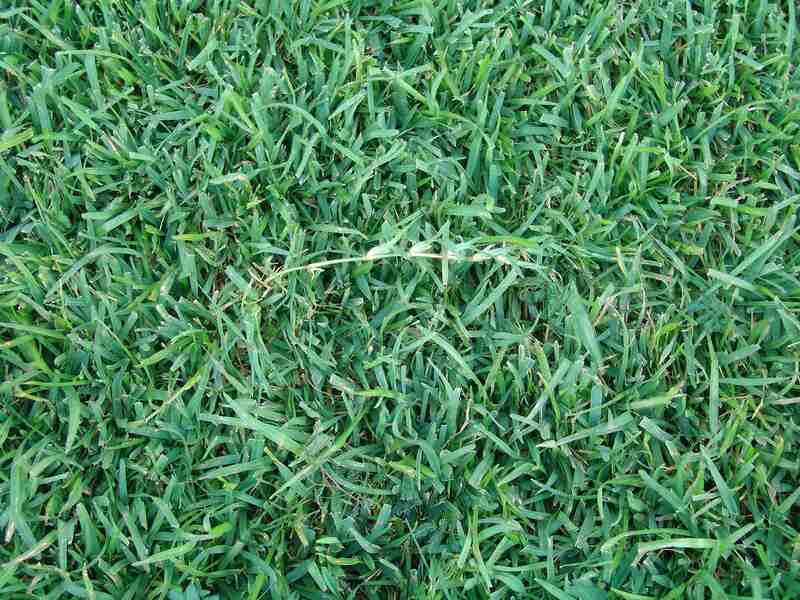
On the sandier, acidic patches near the Piney Woods transition (mostly on the east side of Spring toward the San Jacinto), centipedegrass can do well. Across the rest of the area, the soils are loamier and poorly drained, which suits it less.
This slow-growing, coarse-leaved grass handles both full sun and partial shade and is a good choice for homeowners who want low upkeep. On the downside, centipedegrass is not as resistant to traffic, cold, or prolonged drought as other grasses.
Watch for centipedegrass decline: dead patches that appear when a formerly healthy lawn fails to green up in spring. Overfertilization, pests, and disease are common causes.
Shade tolerance: Moderate
Drought tolerance: Moderate
Foot traffic tolerance: Low
Maintenance needs: Mow every 7 to 10 days. Centipede requires a moderate amount of water and very little fertilizer.
Mowing height: Set the mowing height between 1 and 2 inches.
Potential for disease: Good resistance to diseases and insects
Notes: Thrives in acidic, infertile soil with at least moderately good drainage; very dense clay soils produce poor results.
See Related: Centipedegrass Lawn Maintenance Guide
Honorable Mention: Carpetgrass
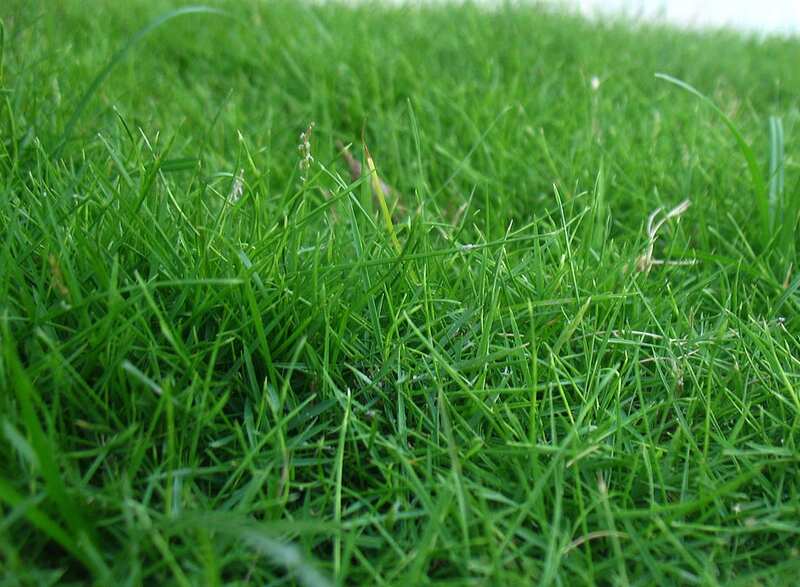
Carpetgrass divides opinion among lawn enthusiasts. Some see it as a low-maintenance alternative to other turfgrasses, while others consider it a weedy irritation.
If other grass species struggle in your yard due to moist, acidic, or low-fertility soil, carpetgrass could be the solution. In Spring, that means the chronically wet, low-lying spots near the Spring Creek and Cypress Creek corridors, where soil stays soggy and pickier grasses give up.
In sloped areas, carpetgrass helps prevent erosion. Narrowleaf carpetgrass looks better than broadleaf, but it must be cut weekly during the growing season to avoid unsightly seed stalks.
Shade tolerance: Moderate
Drought tolerance: Low
Foot traffic tolerance: Low
Maintenance needs: Mow weekly; fertilize rarely; watch for pests and fungus
Mowing height: Set mowing height between 1 and 2 inches
Potential for disease: Common diseases include brown patch, leaf spot, and Pythium root rot.
Notes: Thrives in acidic, wet, poorly drained soils with low fertility. Carpetgrass is ideal for hard-to-grow areas with poor, moist soil. It tolerates more shade than Bermudagrass but not as much traffic.
See Related: What is Carpetgrass? (Plus Pros, Cons, and Seeding Tips)
How to Choose the Best Grass Type for Your Lawn in Spring, Texas
Your yard’s conditions should drive your grass choice, and in Spring those conditions are specific: sandy loam soils, somewhat more acidic than the heavy clays south of Buffalo Bayou, areas with heavy shade from mature oaks and pines, about 50 inches of rain a year, and mild winters that keep dormancy short.
Start with a soil test, because Spring’s soils vary lot by lot, then weigh these factors.
Low-maintenance: Centipedegrass requires the least upkeep, and parts of Spring (the sandier, acidic lots near the Piney Woods edge) give it the conditions it actually needs.
On loamier or poorly drained lots, it struggles with drainage even before you get to clay. Confirm your soil before committing.
Shade-tolerant: St. Augustinegrass tolerates moderate shade and is the best warm-season option for the tree-heavy yards common in established Spring neighborhoods.
Plan for some disease management in exchange, since Spring’s shade and humidity make it prone to gray leaf spot.
High-traffic: Bermudagrass handles heavy foot traffic and pet damage best, but it needs full sun, which rules it out for shaded Spring lots.
Wet, low-lying areas: Parts of Spring near creek and bayou corridors stay soggy. Carpetgrass tolerates that constant moisture better than the other grasses here, making it a niche fix for chronically wet spots.
Budget-friendly: Higher-maintenance grasses like Bermuda cost more to care for over time, thanks to more frequent mowing, watering, and fertilizing.
Warm-season grasses dominate Spring lawns, but they go dormant and brown in winter if temperatures drop too low. Spring’s mild winters keep that dormancy short, so overseeding is optional rather than essential.
If you want to keep a Bermuda lawn green through the cooler months, you can overseed it with cool-season perennial ryegrass.
Get Help With the Best Grass Types in Spring, TX
It takes time and effort to grow and maintain a beautiful lawn in Spring, Texas. Let a local LawnStarter lawn care pro take care of the yard work while you fire up the grill.
LawnStarter pros also provide lawn care services in nearby cities and suburbs such as Humble, Porter, Tomball, New Caney, Kingwood, and more.
FAQs
Centipedegrass is the easiest grass to maintain in Spring, Texas. It needs little fertilizer, tolerates partial shade, and only needs mowing every 7 to 10 days. It thrives in the acidic, sandy soils found on the east side of Spring near the Piney Woods transition. Confirm your lot’s soil before deciding.
The best time to plant warm-season grass in Spring, Texas, is late April through June, when soil temperatures stay above 65 degrees. Planting during this window gives your grass the full growing season to establish strong roots before winter dormancy.
Mixing warm-season grass types is generally not recommended because different grasses have different mowing heights, watering needs, and fertilizer schedules. You can overseed a Bermudagrass lawn with perennial ryegrass in fall to keep it green through winter, but avoid combining 2 warm-season species.
Main Image Credit: Michael Barera / Wikimedia Commons / CC BY-SA 4.0
Related Posts: