Before you buy new mulch for your flower beds and around your trees, consider how long it’s likely to have that fresh look, texture, and color.
Mulch doesn’t last forever, but how often you need to replace it depends mainly on the type.
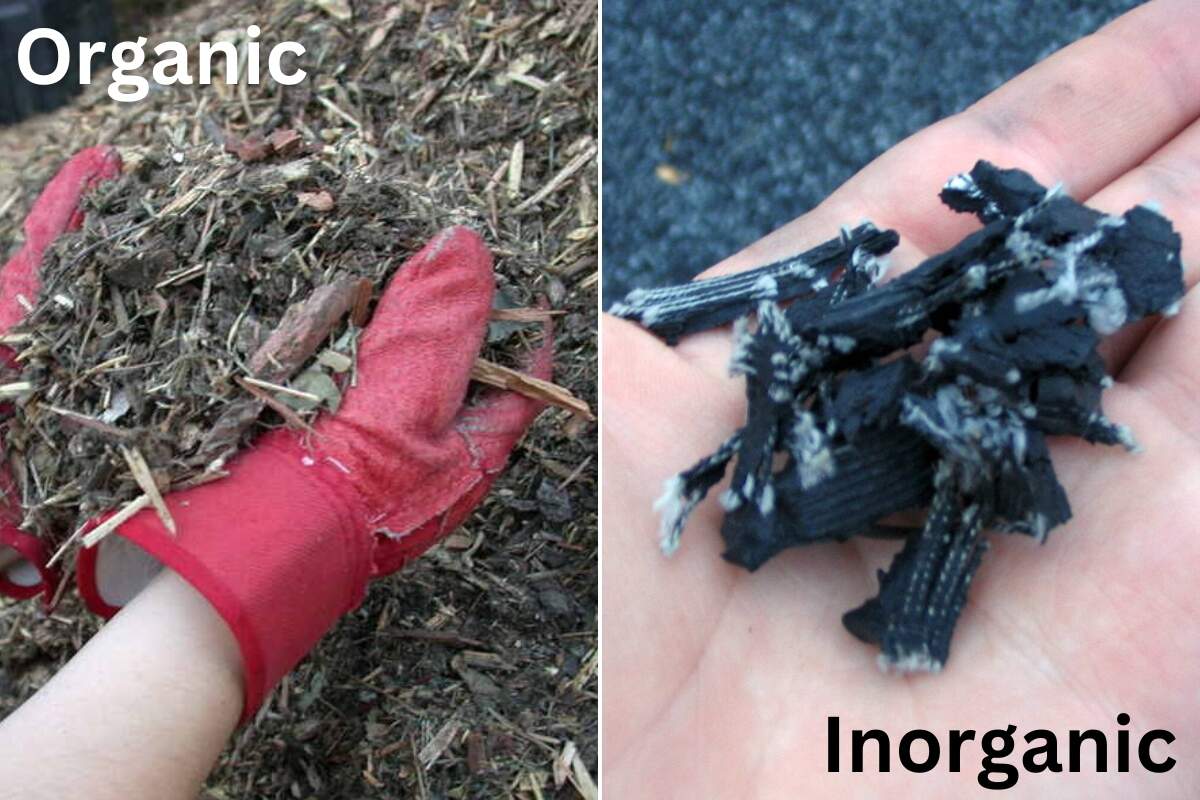
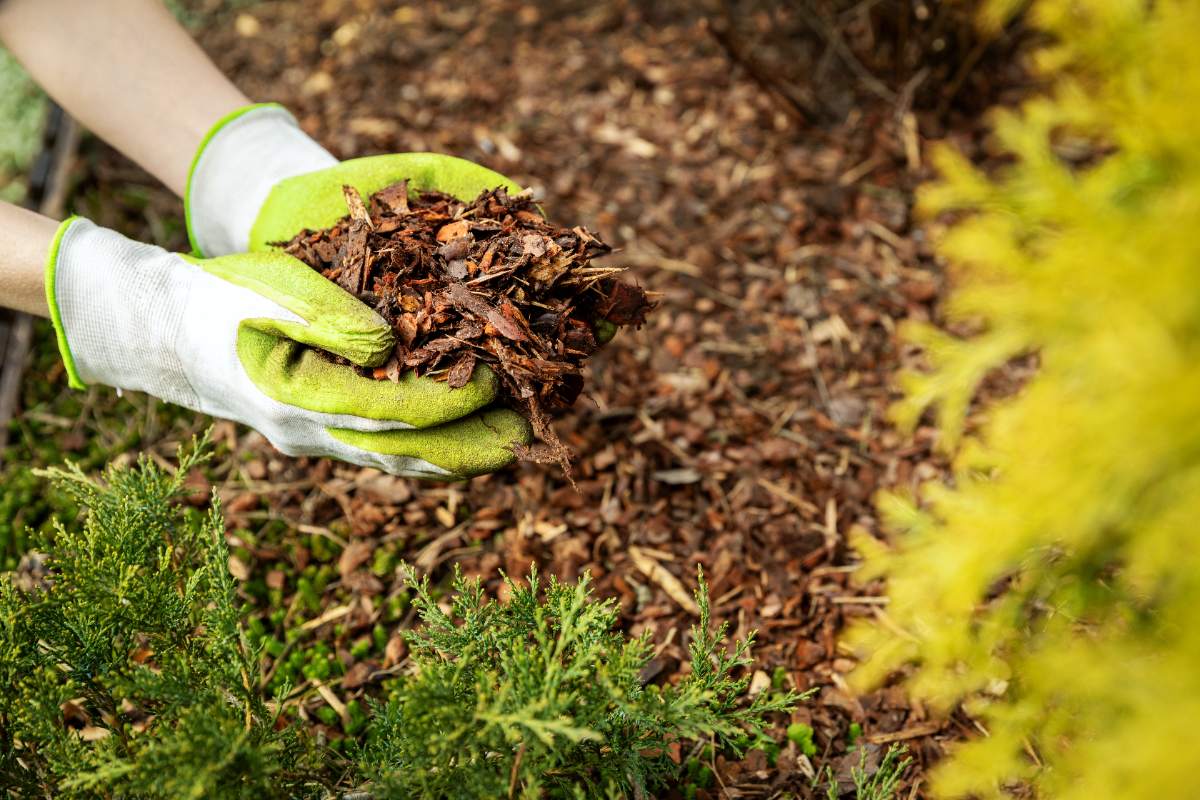
- Organic mulch, such as wood chips and bark, is usually replaced once a year
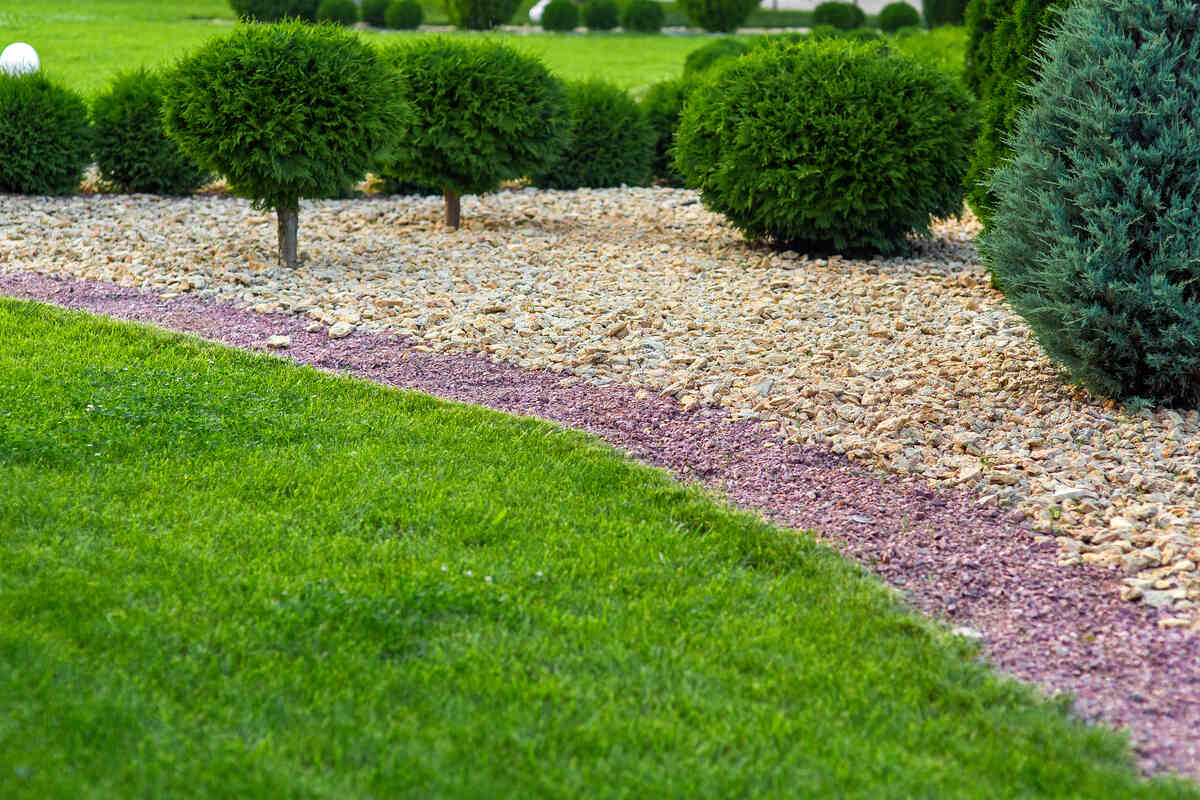
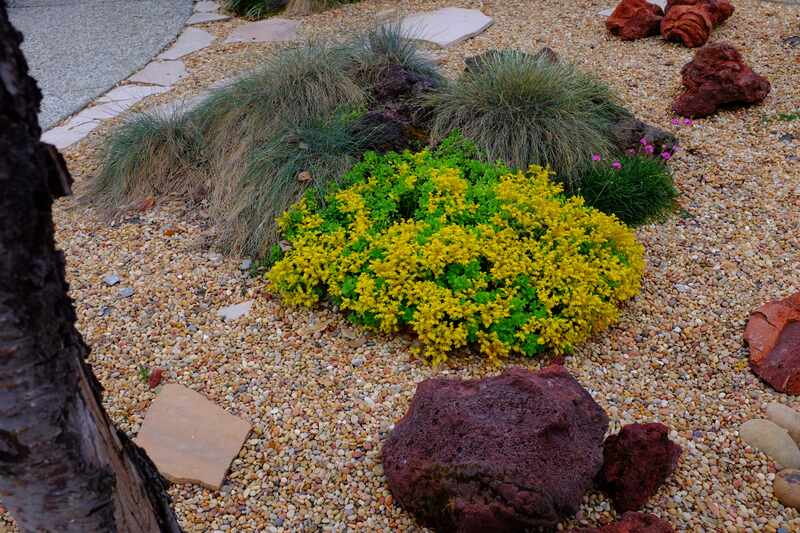
- Inorganic mulch, like gravel, can last 10+ years.
We talked to a couple of mulch experts to get the scoop for you on different types of mulch and how often you should replace them.
If you need someone to spread mulch for you, contact our local landscaping pros.
How Long Does Mulch Last?
How long mulch lasts varies dramatically by type, and this helps you plan your maintenance and budget accordingly.
Typically, inorganic mulches last from 8 to 10+ years, while organic mulches should be replaced every 1 to 3 years (or every month or two, for grass clippings).
Here’s how long different mulch types typically last:
| Mulch Type | Category | Replacement Schedule | Cost Per Cubic Yard |
| Grass clippings | Organic | 1-2 months | Free |
| Straw/pine straw mulch | Organic | 6 months-1 year | $20-$55 |
| Bark mulch | Organic | 1 year | $30-$100 |
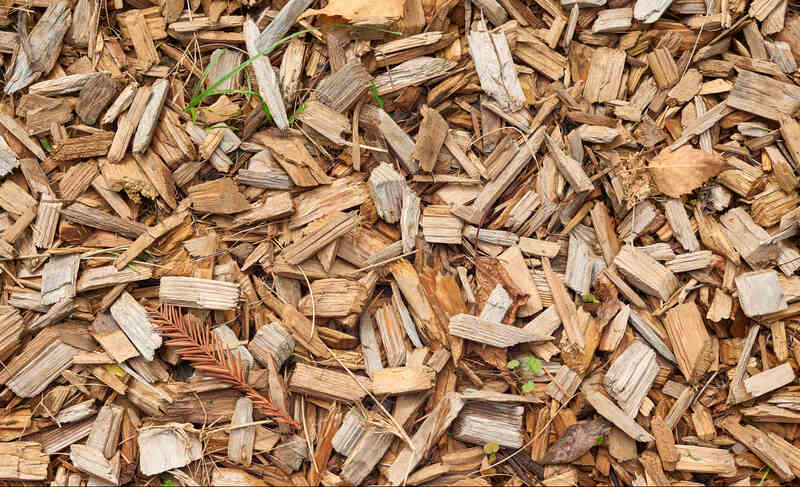
| Wood chips | Organic | 1 year | $30-$110 |
| Cypress mulch | Organic | 2-3 years | $110 |
| Cocoa hulls | Organic | 1-2 years | $40 per cubic foot |
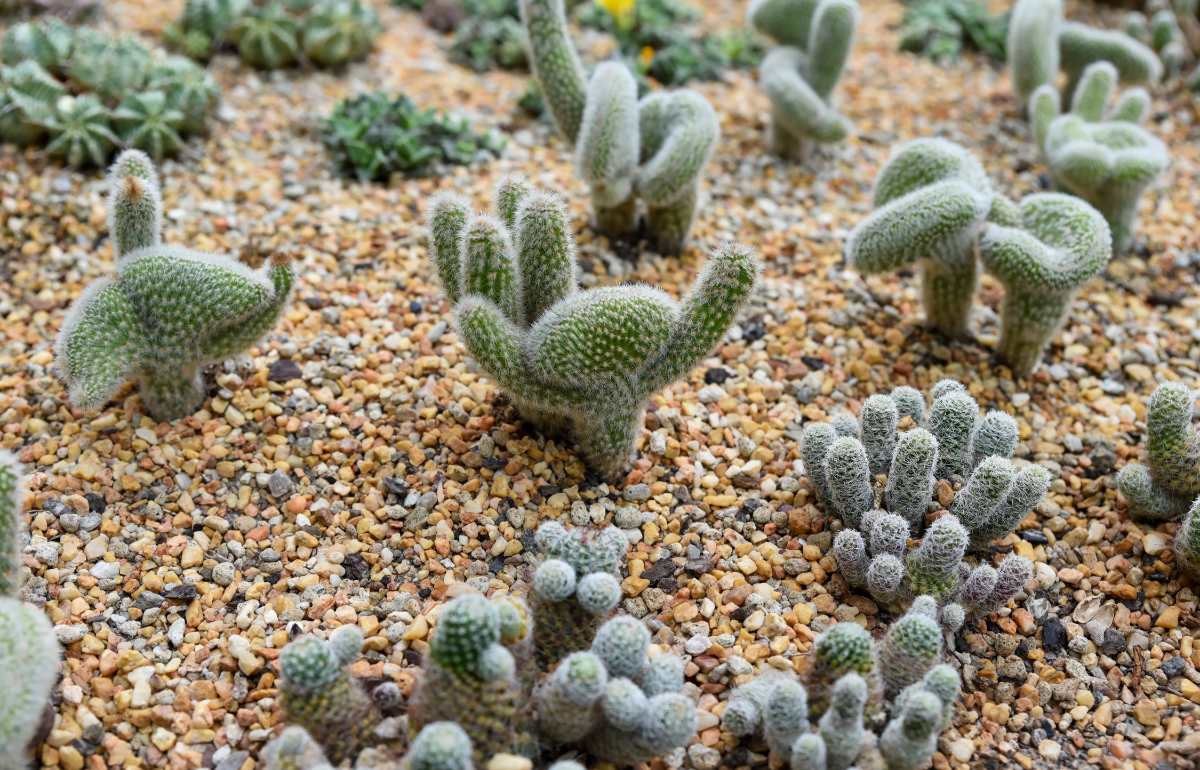
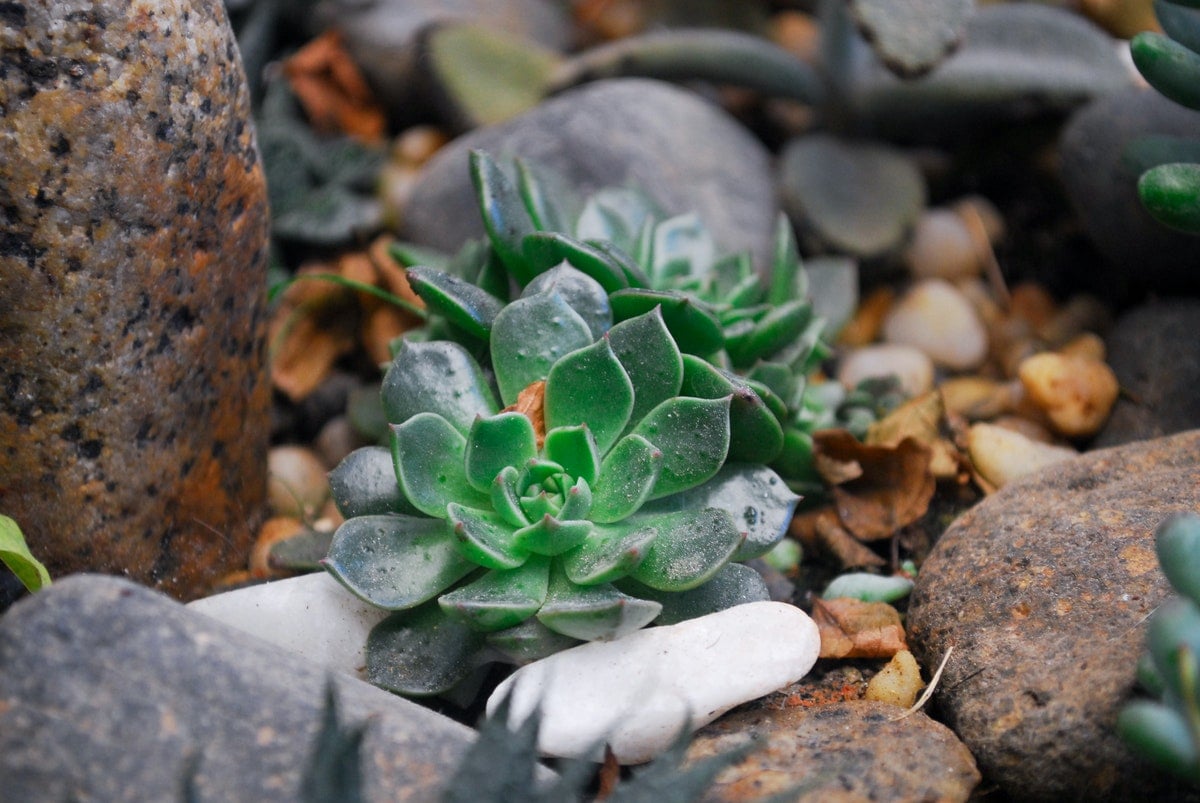
| Gravel/stone | Inorganic | 10+ years | $50-$180 |
| Rubber mulch | Inorganic | 8-10 years | $80-$140 |
See Related:
– Types of Mulch for Your Landscape
– Organic vs. Inorganic Mulch: What’s the Difference?
Find Your Mulch Replacement Schedule
Not sure how often you need to replace mulch in your yard? The answer depends mostly on the type of mulch you use and the climate where you live. Use the calculator below to estimate it:
Mulch Replacement Calculator
How to Know When Mulch Needs Replacing
According to Philip Carnley, director of sustainable agriculture/horticulture at Spartanburg Community College, “Mulch…should be maintained at a depth of 1 to 3 inches.” If your mulch falls below this threshold, it’s time to add more.
“If using chip wood or shredded mulch, telltale signs would be that they are breaking down from what you started with (chip and bulky or shredded) to something that begins to look more like compost or actual soil,” says LayLa Burgess, urban horticulture agent at Clemson University Extension.
“The mulch has served its primary function and then becomes a soil amendment, remaining highly useful afterwards,” she says.
But depth and decomposition aren’t the only indicators. Check your mulch each spring or fall (if you want to insulate your plants and tree trunks from the cold) for these additional signs:
- Fading: Significant color loss from UV exposure
- Weed growth: Weeds pushing through the mulch layer
- Matting: Mulch formed into dense, impenetrable mats
- Foul odor: Sour smell indicating anaerobic decomposition
If you notice 2-3 of these issues, plan to refresh or replace your mulch.
See Related: Signs You Need to Replace Your Mulch
When to Replace Mulch: Climate Factors
Your local weather significantly impacts how often you’ll replace mulch, especially for organic mulches. Three environmental factors accelerate decomposition:
Rain and Humidity
Moisture speeds up the breakdown of organic materials. Homeowners in the Pacific Northwest, Southeast, and other high-rainfall regions typically replace organic mulch annually or even twice per year. Wood and bark mulches in wet climates may compress, mat, or develop mold within 6-8 months.
Heat
High temperatures accelerate decomposition. Texas, Arizona, and South Carolina homeowners often find their mulch fades and breaks down by mid-summer. Dark-colored mulches absorb more heat and decompose faster in sunny locations.
Burgess says, “South Carolina has an intense climate, and mulch weathering and decomposition can occur quickly — much faster than in some of the cooler U.S. climates. So reapplying mulch happens more often here in South Carolina, as with most of the Southeast.
Wind
Strong winds displace lightweight mulches such as straw and small wood chips. If you live in windy or storm-prone areas, consider reading our article on how to keep mulch in place.
FAQ
Yes, if the existing mulch isn’t matted or compacted. Lightly rake the old layer, then add 1-2 inches of fresh mulch. Keep total depth under 4 inches to avoid suffocating roots. Remove old mulch completely if it’s moldy, severely decomposed, or harboring pests.
Professional mulch installation costs $77 to $94 per cubic yard, covering approximately 108 to 162 square feet.
Typically, you won’t have to remove the old mulch before installing a new layer, but if you want a complete mulch removal, you’ll pay $50 to $75 per hour for this service and a disposal fee of $50 to $100.
DIY materials cost $30 to $135 per cubic yard, or $3.25 to $6.50 per bag, but hiring a landscaping professional ensures the mulch is properly installed, protecting your investment.
Excessive mulch (more than 4 inches) suffocates plant roots, encourages disease, attracts pests, and prevents proper water penetration.
As Carnley explains, “When this type of mulching happens, you begin to see mulch volcanoes forming in the landscape, which cause more harm to plant health than the good mulch can do.”
This effect is particularly damaging around trees. Stick to 2-4 inches maximum and keep mulch away from plant stems and tree trunks.
See Related: How to Mulch Around Trees
Get Professional Mulch Installation
Replacing mulch and maintaining proper depth can be overwhelming. Whether you need help selecting the best mulch type for your climate, calculating quantities, or simply want the job done right, our local landscaping professionals have you covered.
Why hire a pro:
- Expert selection for your specific plants and climate
- Proper preparation and application techniques
- Time savings — no hauling bags or spreading yourself
Ready to refresh your landscape? Get a free quote from local mulching experts and enjoy a beautifully mulched yard without the hassle.
Read Next: How to Mulch Your Yard: A Step-by-Step Guide
Sources:
LayLa Burgess, urban horticulture agent at Clemson University, Seneca, SC. Personal Interview.
Phillip Carnley, director of sustainable agriculture/horticulture at Spartanburg Community College, Spartanburg, SC. Personal Interview.
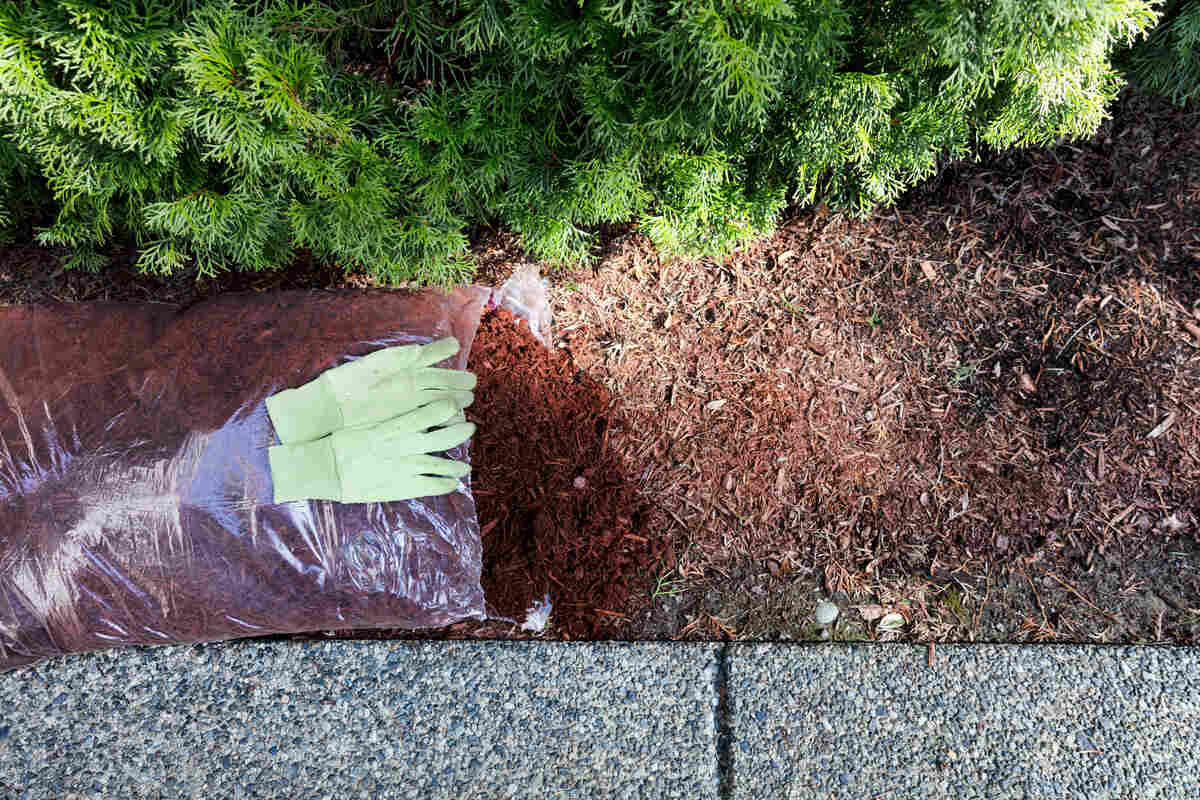
Main Image: Pine tree bark mulch. Image Credit: ronstik / Adobe Stock
Related Posts: