| Key Takeaways |
|---|
| • Drought-tolerant grasses suit Spokane's climate: Tall fescue and fine fescue are well-adapted to the dry summers, while perennial ryegrass struggles. • Choices for sun and shade: Use Kentucky bluegrass or perennial ryegrass in sunny yards and fine fescue in tree-covered landscapes. • Consider your lifestyle: Kentucky bluegrass suits high-maintenance decorative lawns, while perennial ryegrass and tall fescue suit people with busy yards and schedules. |

Choosing the best grass types for Spokane can help you create a lawn that beautifully complements your landscaping while surviving dry summers and freezing winters.
Read on to find out why Kentucky bluegrass, tall fescue, fine fescue, and perennial ryegrass stand out.
1. Kentucky Bluegrass
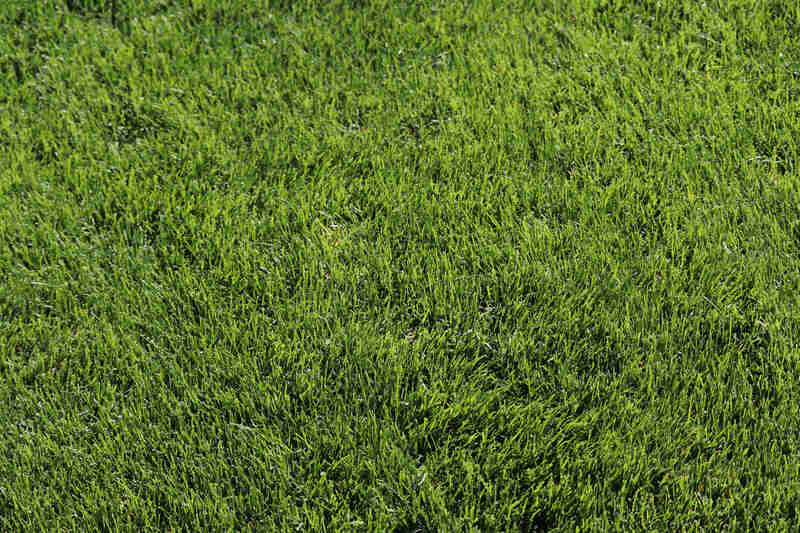
Photo Credit: Joshua Boman / Shutterstock
Cold-resistant Kentucky Bluegrass is a great option for eastern Washington lawns. This dark green grass can be planted alone or blended with perennial ryegrass or fine fescues.
However, Kentucky bluegrass does require more maintenance compared to other grasses on this list, particularly when it comes to fertilizing and watering.
- Classification: Cool-season grass
- Spreads by: Rhizomes
- Soil type: Fertile, well-draining
- Soil pH: 6-7
- Mowing height: 2 to 3 inches
- Shade tolerance: Low to moderate
- Drought resistance: Moderate
- Foot traffic tolerance: Low to moderate, but recovers quickly
- Maintenance needs: High
- Potential for disease: Moderate to high
See Related:
— Guide to Growing Kentucky Bluegrass
— How to Plant Kentucky Bluegrass Seed
— When to Fertilize Kentucky Bluegrass
2. Tall Fescue
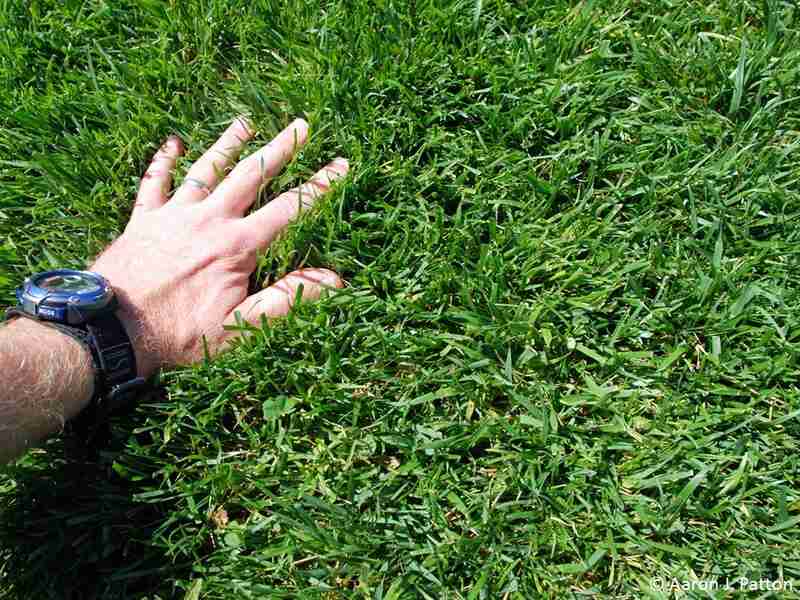
Photo Credit: Aaron J. Patton, Ph.D. / Turfgrass Extension Specialist at Purdue University
Tall fescue is an excellent choice for Spokane homeowners who don’t have time to water their lawns frequently, as this grass is highly drought-resistant. In fact, the Spokane County Extension classifies tall fescue as a dryland grass because it can survive without supplemental watering.
While it’s moderately resistant to foot traffic, tall fescue isn’t as cold-tolerant as Kentucky bluegrass. It also turns brown during summer when it goes dormant.
- Classification: Cool-season grass
- Spreads by: Bunch-type grass
- Soil type: Fertile clay, well-draining
- Soil pH: 5.5-6.5
- Mowing height: 2 to 4 inches
- Shade tolerance: Moderate
- Drought resistance: Moderate to high
- Foot traffic tolerance: Moderate, but doesn’t recover well
- Maintenance needs: Low
- Potential for disease: Tolerant of most diseases when properly maintained.
See Related:
— Tall Fescue Lawn Maintenance Guide
— How and When to Fertilize Fescue
3. Fine Fescue
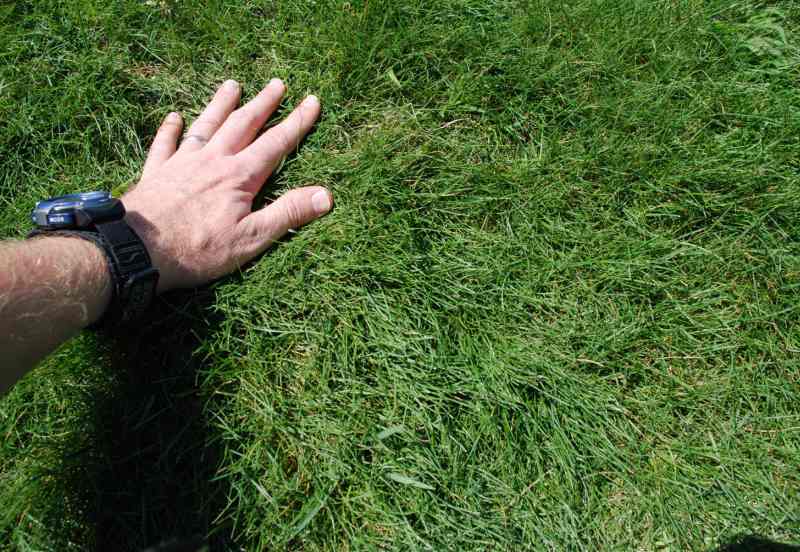
Photo Credit: Aaron J. Patton, Ph.D. / Turfgrass Extension Specialist at Purdue University
Fine fescues are some of the most drought- and shade-tolerant grasses available in Spokane.
Even if a drought is intense enough to cause dormancy in fine fescues, these grasses will recover almost entirely after only a week of watering. The Spokane County Extension considers several types of fine fescues to be “dryland grasses,” such as hard fescue and sheep fescue.
Although fine fescues are shade tolerant, they’re capable of surviving in the full sun as well.
However, if you plan on using fine fescues in your lawn, mix them with another cool-season grass (such as Kentucky bluegrass) because they grow back very slowly.
- Classification: Cool-season
- Spreads by: Bunch type grass mainly; creeping red fescue spreads by rhizomes
- Soil type: Well-draining; grows in sand and infertile soil
- Soil pH: 5.6 to 6.5
- Mowing height: 2 to 4 inches
- Shade tolerance: Moderate to high
- Drought resistance: Moderate to high
- Foot traffic tolerance: Low to moderate
- Maintenance needs: Low
- Potential for disease: Moderate
See Related: Guide to Growing Fine Fescues
4. Perennial Ryegrass
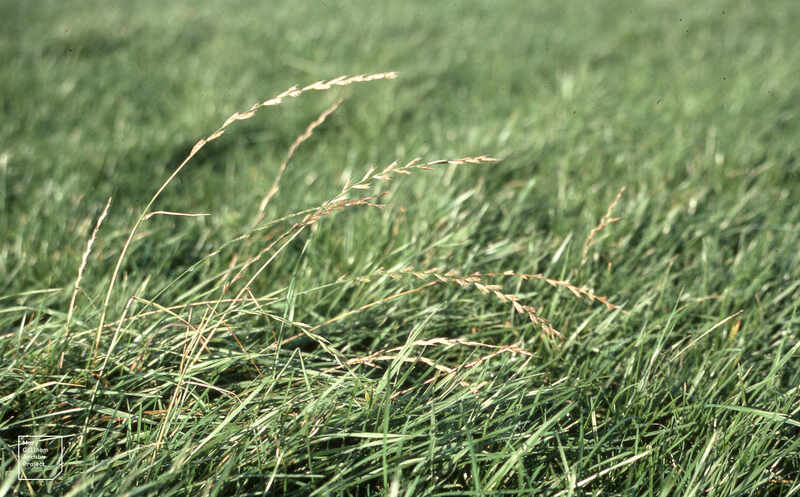
Photo Credit: Dr Mary Gillham Archive Project / Flickr / CC BY 2.0
Perennial ryegrass is often used in seed mixes at a rate of 10% to 15%, primarily for its ability to germinate quickly. This fast establishment helps protect other seeds in the mix from weeds and wind, making it an excellent choice to get your lawn off to a strong start.
However, perennial ryegrass has limitations. It doesn’t tolerate shade or drought well, so it’s best suited for sunny areas with consistent watering.
- Classification: Cool-season grass
- Spreads by: Bunch-type grass
- Soil type: Highly fertile, well-draining
- Soil pH: 6 to 7
- Mowing height: 1.5 to 3.5 inches
- Shade tolerance: Low
- Drought resistance: Low
- Foot traffic tolerance: High, but does not recover well
- Maintenance needs: Moderate
- Potential for disease: High
See Related: Guide to Growing Perennial Ryegrass
How to Choose the Best Grass Type for Your Spokane Lawn
Having trouble making a decision? The easiest way to choose a grass type is to consider your lawn conditions and your lifestyle.
Shade Tolerance
If your yard is surrounded by trees, choose a grass with high shade tolerance. If your yard is sunny, choose a variety with low shade tolerance.
High shade tolerance: Fine fescue
Moderate shade tolerance: Tall fescue
Low shade tolerance: Kentucky bluegrass, perennial ryegrass
Drought Tolerance
Because Spokane faces periodic droughts, choosing drought-tolerant grasses is your safest bet. However, you can maintain grasses with lower drought tolerance if you’re willing and able to water more.
High drought tolerance: Tall fescue, fine fescue
Moderate drought tolerance: Kentucky bluegrass
Low drought tolerance: Perennial ryegrass
Foot Traffic
If you use your yard often, choose a grass with a high traffic tolerance. If your lawn is more decorative than functional, grasses with low traffic tolerance work just fine.
High foot traffic: Perennial ryegrass
Moderate foot traffic: Tall fescue
Low foot traffic: Kentucky bluegrass, fine fescue
Maintenance Needs
Consider how often you’re willing to mow, fertilize, and irrigate your lawn.
High maintenance: Kentucky bluegrass
Moderate maintenance: Perennial ryegrass
Low maintenance: Tall fescue, fine fescue
Grow the Perfect Lawn in Spokane
Choosing the best grass for Spokane is key to creating a beautiful, thriving lawn that suits eastern Washington’s climate. Need help getting started? Visit LawnStarter’s Spokane lawn care page to connect with a background-checked, local lawn care provider.
In addition to Spokane, LawnStarter provides lawn care services to other Washington cities, including Seattle.
Read More:
— Best Grass Seed for Washington State
— Spring Lawn Care Tips for Spokane
— Washington Native Plants
— Most Common Weeds in Washington State
Main Image Credit: Lawn mowed by a LawnStarter pro in Spokane, WA.
Related Posts: