Armyworms can devastate a lawn in as little as 24 to 48 hours, but with the right prevention habits, you can stop them before they even get started.
To prevent armyworms from infesting your lawn, avoid overwatering and overfertilization, remove weeds, thatch, and grass clippings, attract armyworms’ natural enemies, and apply preventive insecticides.
None of these pest prevention methods is bulletproof, but combining them can reduce the armyworm population and limit the damage to the lawn you’ve worked so hard to maintain.
Armyworm prevention requires consistent lawn maintenance and timely action. LawnStarter’s lawn treatment pros can help you maintain a healthy, pest-resistant lawn without the guesswork.
| Key Takeaways |
|---|
| • Proper lawn maintenance, including correct watering, mowing, and debris removal, makes your lawn less attractive to armyworms. • Apply preventive insecticides before armyworm season: as early as April in the South or May in the North. • Attract natural predators like birds and ground beetles to help control armyworm populations without chemicals. |
What Do Armyworms Look Like? (Prevent Armyworm Infestations Early)
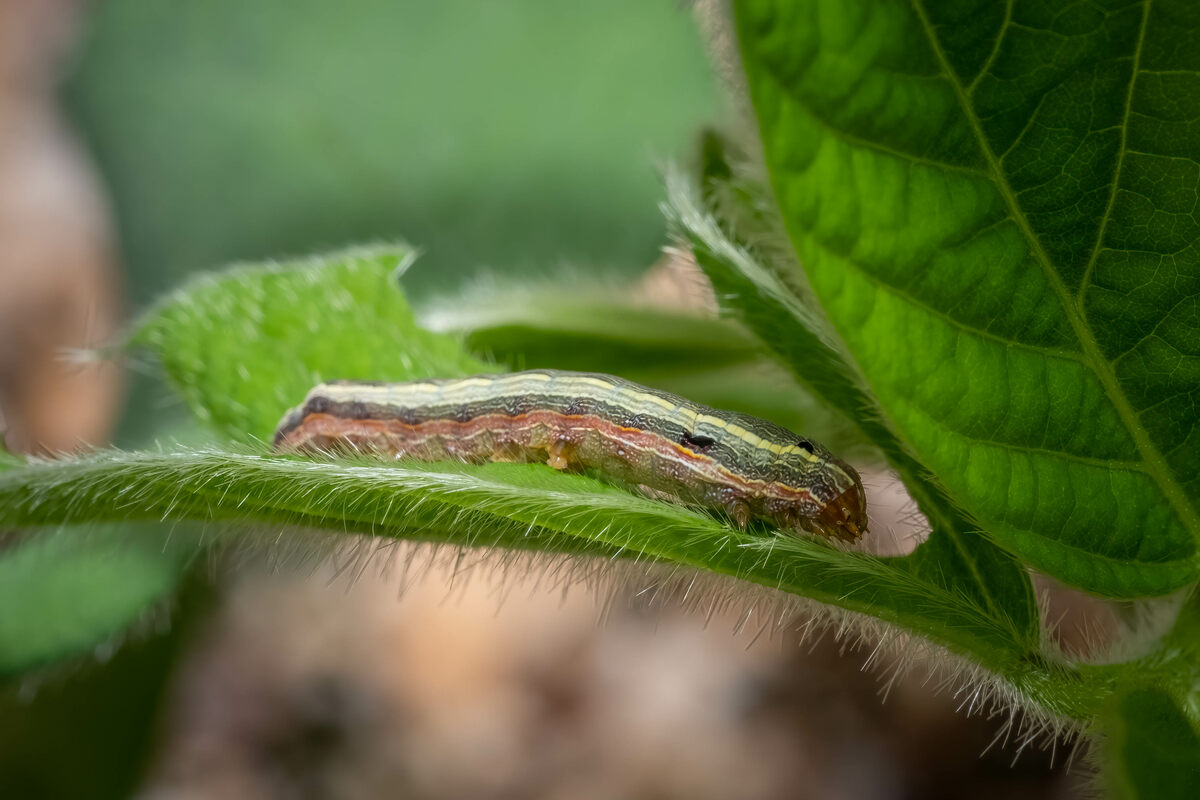
Armyworms are 1- to 2-inch caterpillars with green, brown, or black striped bodies that feed on grass. They get their name from their habit of marching in large groups from one feeding area to the next.
They can strip a lawn bare in a matter of days. Spotting them early prevents lawn damage before it starts.
You’ll often find them chewing on grass blades in the early morning or late evening, when temperatures are cooler. During the day, they mostly hide in the thatch layer — one more reason keeping thatch thin is so important.
Their eggs appear as fuzzy, cotton-like masses on grass blades, fence posts, and outdoor furniture. Finding and removing these egg masses is a key first step in preventing infestations.
See Related: What Are Armyworms?
Prevent Armyworms by Making Your Lawn a No-Go Zone
The best way to prevent armyworms is to make your lawn less appealing to them. Armyworm moths are picky about where they lay eggs — they prefer well-irrigated, lush, nitrogen-rich lawns. These six maintenance habits remove the conditions that attract them.
| Prevention Method | How It Helps | When to Do It |
| Water correctly | Reduces moisture that attracts moths | Weekly, 1 inch total |
| Limit nitrogen | Prevents lush growth armyworms prefer | Avoid in summer |
| Mow regularly | Eliminates shelter and food sources | At proper height for grass type |
| Remove debris | Exposes larvae to predators | Summer to early fall |
| Bag clippings | Removes fresh food source | When armyworms are present |
| Control weeds | Reduces egg-laying sites | Year-round |
Prevent Armyworms by Watering Less
Overwatered lawns are armyworm magnets. “Under drought conditions, as in this year, irrigated lawns are more attractive to the armyworm moths laying eggs,” says Shaohui Wu, assistant professor of turfgrass health at Ohio State University.
When you water your lawn in summer, follow turf-specific watering frequency and apply only the recommended amount, typically about 1 inch per week. Wait for the grass to show drought stress signs — wilting, grayish color, or slow recovery after foot traffic — between watering sessions.
Ease Up on the Fertilizer to Prevent Armyworms (Especially in Summer)
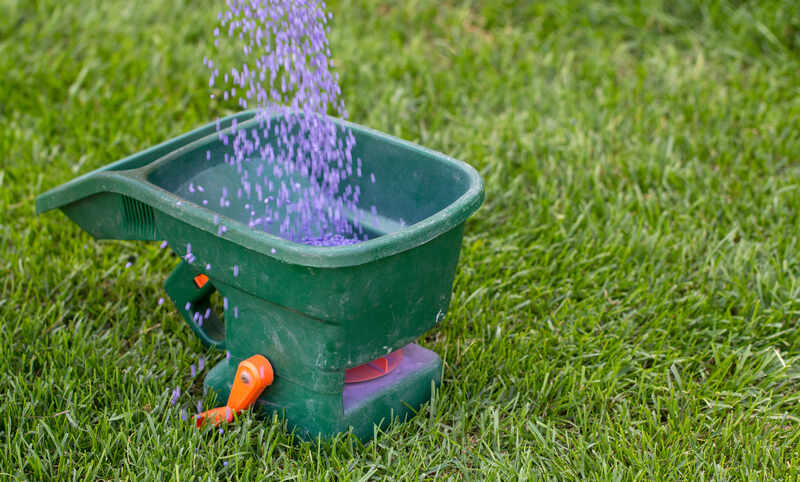
If you over-fertilize your lawn during armyworm season, that lush, nitrogen-rich grass is basically a welcome mat for these pests. Armyworms munch on hundreds of different plants but especially love the kind of thick, fast-growing growth that a heavy nitrogen application produces.
Avoid nitrogen applications during summer. Postpone them in the fall when there is an armyworm alert in your area. If you need to fertilize, choose slow-release nitrogen products.
See Related: Can You Over-Fertilize Your Lawn?
Mow Regularly: Tall Grass Is Armyworm Cover
Tall grass gives armyworms more moisture, food, and shelter from birds that feed on them. Keeping your lawn trimmed at the right height removes that advantage.
Mow regularly at the height recommended for your turf type. LawnStarter’s mowing height guide puts Bermudagrass at 1 to 2 inches and tall fescue at 2 to 4 inches. Check the recommended height for your turf type.
Clean Up Your Lawn: Thatch and Leaves Are Armyworm Hideouts
Armyworm larvae use the thatch layer and fallen leaves as shelter to hide from sunlight, heat, and natural predators like birds and bats. Removing that shelter exposes them — and helps keep populations under control.
Remove the thatch layer through verticutting or power raking and keep the lawn clear of fallen leaves when autumn comes.
See Related:
Collect the Grass Clippings: They’re Armyworm Food
While armyworms don’t feed on dead grass, they enjoy munching on freshly cut blades — it’s like home delivery for them. Clippings also keep soil moist and provide cozy shelter.
Collect clippings after each mow when armyworms are active. Bag them if you see signs of armyworms on your lawn.
See Related: How to Compost Grass Clippings: 3 Easy Methods
Pull the Weeds: They’re Armyworm Egg-Laying Sites
Armyworms feed primarily on grasses but often use broadleaf weeds to lay their eggs. They’re capable of attacking at least 350 plant species from 76 plant families.
The more weeds in and around your lawn, the more attractive your yard is to egg-laying moths. Remove all weeds in your lawn and nearby areas to cut off this nesting opportunity.
See Related: How to Prevent Weeds from Growing in Your Lawn
Prevent Armyworms Before They Arrive
Beyond basic lawn maintenance, these proactive strategies are your best defense against armyworms before they ever set foot (or rather, leg) in your yard. Use them alone or stack them with the maintenance habits above for maximum protection.
Attract and Protect Natural Armyworm Predators
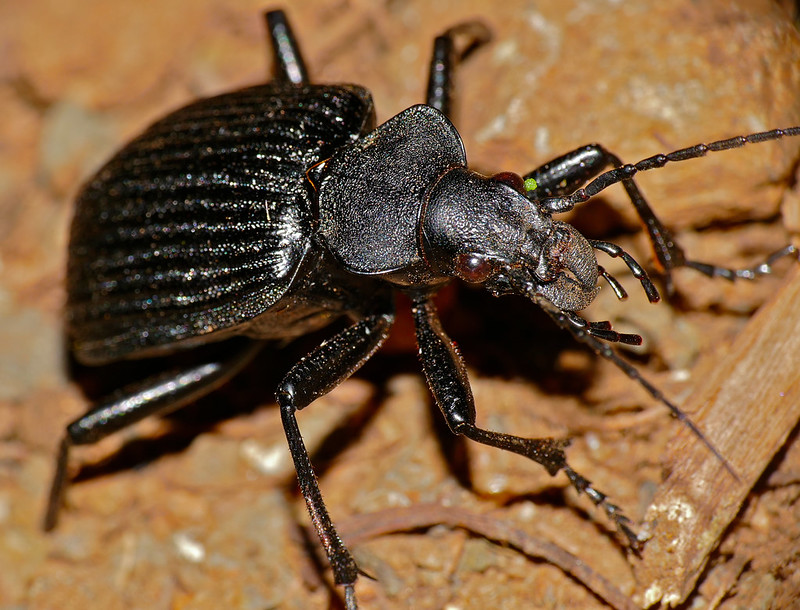
Natural armyworm predators include:
Birds and bats
Ground beetles
Ants
Minute pirate bugs
Parasitic wasps
How to attract them: Grow trees, hedges, and flowering plants. Install bird feeders and fountains to create a habitat that supports beneficial insects in your yard.
How to protect them: Be mindful when applying insecticides. Apply only to infested areas to avoid killing natural predators that keep armyworms and other lawn pests under control.
See Related: Beneficial Insects for Your Lawn and Garden, Plus Where to Buy
Apply Preventive Insecticides Before Armyworm Season Starts
| Region | Application Timing | Armyworm Activity |
| Southern states | April – May | Most active summer to early fall; outbreaks can start in late spring |
| Northern states | June – July | Peak activity late summer to early fall |
| All regions | Before the first signs of infestation | Scout regularly from midsummer onward |
If you live in the South or frequently deal with armyworm attacks, apply insecticides preventively well before the first signs of infestation. Armyworms are most active in summer and early fall but can start reproducing in late spring.
For Southern homeowners, application timing often starts in April or May, before summer activity builds.
Use insecticides with prolonged residual control that can stay active in the lawn for up to 4 months, such as products with chlorantraniliprole.
Chlorantraniliprole is the active ingredient in products like Scotts GrubEx and Acelepryn SC (professional grade, more expensive). It works by disrupting the muscle function of insect larvae. It’s effective on armyworms but has low toxicity to birds, earthworms, and most beneficial insects, making it one of the most widely recommended preventive options for home lawns.
Newly planted grass is especially vulnerable, says Shimat Joseph, associate professor of turfgrass and ornamentals at the University of Georgia. The stress of being transplanted causes sod to emit chemical signals that draw armyworm moths in, he explains.
If you’ve recently laid new sod, preventive insecticide application is especially important to protect your lawn.
See Related: When and How to Treat a Heat-Stressed Lawn
Walk Your Yard Weekly and Remove Armyworm Eggs by Hand
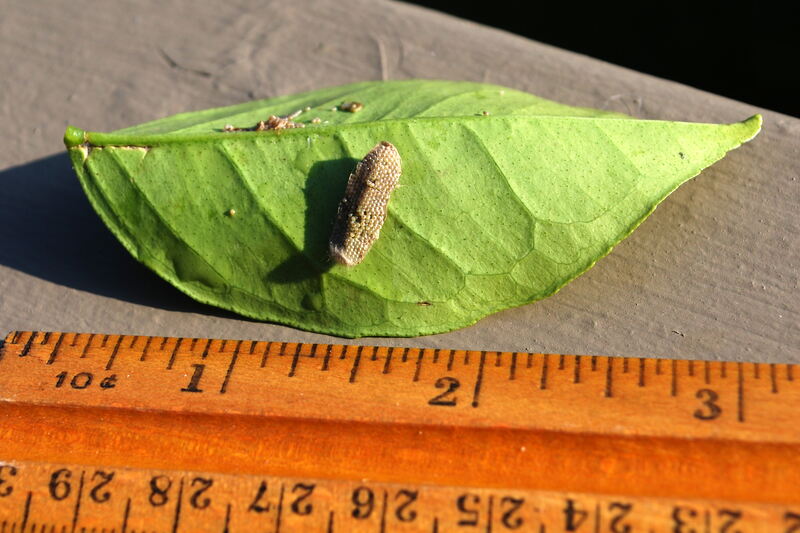
Scouting and removing armyworm eggs is one of the most cost-effective prevention methods — it’s free, requires no chemicals, and can stop hundreds of armyworms before they ever hatch.
Egg masses look like fuzzy, cottony patches. A female can lay about 1,000 to 2,000 eggs over her lifetime, so finding and removing egg masses early makes a dramatic difference.
Armyworm moths often lay egg masses on structures around the lawn — fences, light posts, outdoor furniture, patios, and house walls — where they deposit 100-200 eggs covered with grey scales that appear fuzzy or moldy.
How to dispose of them: Place collected egg masses in a vial with ethanol or a bucket of soapy water (1 to 2 tablespoons of dish soap per gallon of water).
Choose the Right Grass: Some Varieties Resist Armyworms Naturally
You can increase resistance by mixing cultivars of the same grass species and choosing varieties that hinder armyworm growth. This won’t prevent all infestations but can significantly slow armyworm development.
| Best Grass Types | What to do |
| Zoysiagrass | Choose ‘Cavalier’ or ‘Emerald’ — larvae often can’t survive to pupation |
| St. Augustine | Mix at least 2-4 cultivars |
| Tall fescue / Perennial ryegrass | Choose seed labeled “endophyte-enhanced” or “E+” for significantly better protection |
| Kentucky bluegrass | Choose improved turf-type Kentucky bluegrass cultivars rather than common or old varieties like ‘Kenblue’ |
Zoysiagrass is your strongest defense if you’re in the South. Studies found that ‘Cavalier’, ‘Emerald’, and ‘Belair’ caused high armyworm mortality — larvae often failed to survive long enough to pupate.
Bermudagrass and St. Augustinegrass homeowners don’t have resistant cultivars available, but St. Augustine homeowners can reduce feeding by mixing two or four cultivars rather than planting a single variety.
In the North, choose tall fescue or perennial ryegrass seed labeled “endophyte-enhanced” or “E+” — research shows endophyte-infected varieties significantly reduce armyworm survival compared to standard seed. Kentucky bluegrass doesn’t carry endophytes, but most cultivars are naturally highly resistant to armyworm feeding.
See Related:
Prevent Armyworms With Professional Help
Don’t allow armyworms to make your lawn their kitchen and pantry. Contact one of LawnStarter’s lawn treatment pros and benefit from expert pest prevention and treatment methods.
Tired of mowing and raking the lawn? LawnStarter pros can take care of all your lawn mowing and lawn maintenance tasks and are only a few clicks away.
FAQs
Replace turf near problem areas with hardscapes like mulch beds, gravel strips, or pavers to reduce egg-laying sites next to grass. If you add plants, focus on drought-tolerant landscape beds that reduce irrigation and lawn lushness — the conditions that attract moths.
Armyworms die when a freeze comes, but their life cycle timing is about 30 days in summer and 60 days in spring and fall. With up to four generations per year, infestations can persist through much of the growing season. In warmer climates like Florida or Texas, armyworms can survive mild winters and return earlier.
During peak feeding, armyworms can noticeably thin or brown a lawn in a few days, especially when large groups move across turf together. Damage often accelerates after eggs hatch, when larvae feed more aggressively.
If armyworms get through your defenses, act fast — they can leave your grass dying in just a few days. Handpick small infestations, apply biological insecticides like Bacillus thuringiensis or beneficial nematodes for a chemical-free approach, or use synthetic pesticides such as pyrethroids for larger infestations.
Learn detailed treatment methods from our complete guide: How to Get Rid of Armyworms in the Lawn.
Read More:
Main Image: Armyworm on a leaf. Image Credit: Samuel / Adobe Stock