| Key Takeaways |
|---|
| • Wood chips and shredded bark last longest and work best for slopes and perennial beds • Pine needles and straw suit vegetable gardens, but need annual replacement • Grass clippings are free but require proper drying to avoid matting and odors |
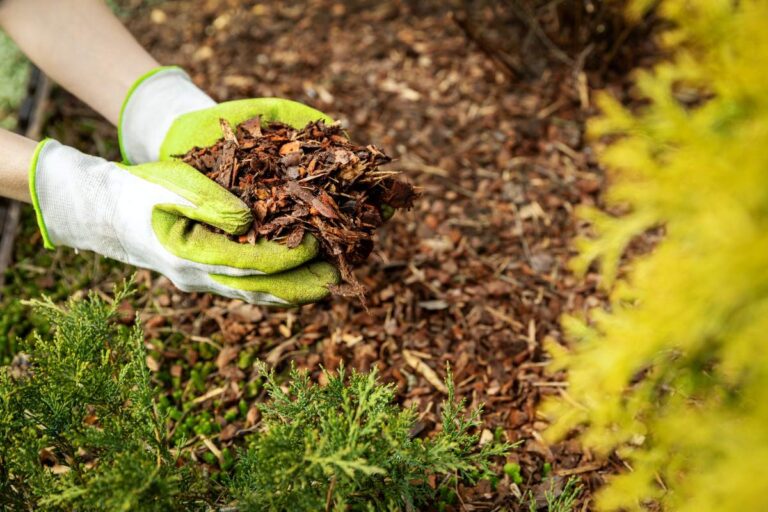
Organic mulch, made from natural materials like wood chips, pine needles, and grass clippings, does more than beautify your yard. It reduces soil compaction, prevents erosion, suppresses weeds, and slowly releases nutrients as it decomposes.
Choosing the right organic mulch depends on your landscape goals. Some types excel at moisture retention for vegetable gardens, while others offer long-lasting weed control for flower beds.
This guide breaks down 9 popular organic mulch types, with expert tips, pros and cons, and best-use scenarios to help you make the right choice for your yard. If you’d rather leave it to a pro, LawnStarter connects you to the best local landscaping pros in the country, who can handle all the work.
Organic Mulch Comparison: Quick Decision Guide
With so many organic mulch options available, it can be hard to compare them at a glance. The table below compares popular organic mulches side by side, so you can match the right material to your landscape needs:
| Mulch Type | Best For | Lifespan |
| Wood Chips | Perennial beds, around water features and trees | 1-2 years |
| Tree Bark | Flower beds, around trees and shrubs | 1-2 years |
| Grass Clippings | Lawns, veggie gardens | 2-8 weeks |
| Straw | Vegetable gardens, newly seeded areas | 6-12 months |
| Pine Needles | Around trees, slopes | 6-12 months |
| Shredded Leaves | Flower beds, vegetable gardens | 3-6 months |
| Compost | Flower beds, vegetable gardens | 3-5 months |
| Sawdust | Shrub crops, like blueberries | 3 months-2 years |
| Newspaper/Cardboard | Sheet mulching, landscaping beds | 3-12 months |
Cost Overview: The most expensive option is shredded bark made from specialty woods like cedar or cypress (around $100 per cubic yard). Budget-friendly choices, including wood chips and straw, are as low as $20 per cubic yard), and you can get grass clippings and shredded leaves for free.
See Related: How Much Does Mulch Cost?
What Makes Mulch “Organic”?
Organic mulch comes from plant-based materials that naturally decompose, like leaves, wood, straw, or grass clippings.
According to Philip Carnley, director of sustainable agriculture/horticulture at Spartanburg Community College, “Organic mulch breaks down over time and becomes incorporated into the soil, which helps naturally nutrient- and organic-material-poor soils.”
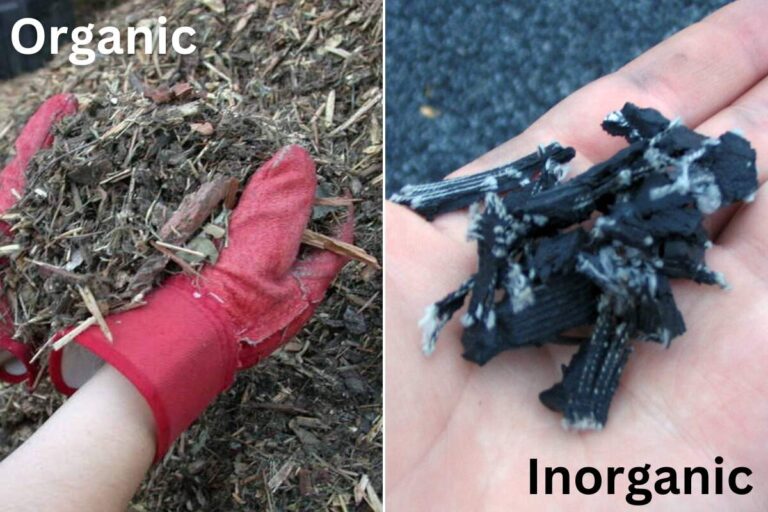
“This in turn boosts water and nutrient holding capacity, is more environmentally friendly, and allows plants to be better equipped to deal with increasing temps,” he continues. They contrast with inorganic mulch (rocks, rubber, landscape fabric), which doesn’t decompose or enrich the soil.
See Related:
– What Is Mulch?
– Organic vs. Inorganic Mulch: Which Should You Choose?
9 Best Organic Mulches for Your Yard
There’s no single “best” organic mulch for every yard. As Carnley explains, “When it comes down to which type of organic mulch for a homeowner, I like to ask what they like, and what they want to accomplish.”
Below, we break down the most common organic mulch options, explaining where each one works best, so you can choose the option that fits your yard and priorities:
1. Wood Chips
Best for: Perennial beds, trees, garden pathways, around water features
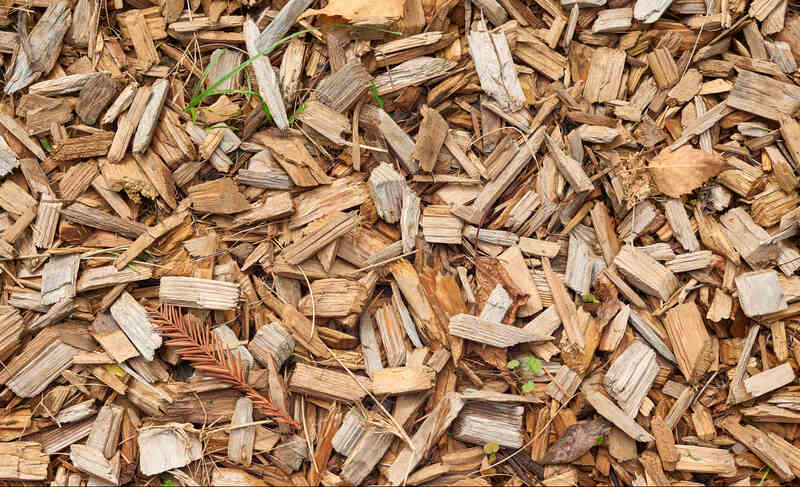
Wood chips blend bark, leaves, and inner wood, creating a diverse organic material that improves soil quality as it decomposes. “Wood mulches are amazing in that they don’t have an expiration date,” Carnley says. Cedar and cypress chips are popular options that tend to last longer than regular wood chips.
Wood chips should be replaced every 1-2 years. When it’s time to refresh, usually in spring, “you can rake the mulch to give it a fresh appearance or lightly dust the mulched area with new mulch just to freshen up the look,” he says.
Pros:
- Long-lasting (1-2 years) and won’t blow away easily in the wind
- Doesn’t compact easily, allowing water and air to reach the soil
Cons:
- Can deplete nitrogen from the soil, which may affect shallow-rooted plants like annuals and vegetables, so add fertilizer when planting new gardens
- Can attract termites if placed against home foundations (keep 6+ inches away)
Cost per Cubic Yard (Installed): $30 – $110
See Related: How to Mulch Around Trees The Right Way
2. Tree Bark
Best for: Annual/perennial gardens, around trees and shrubs
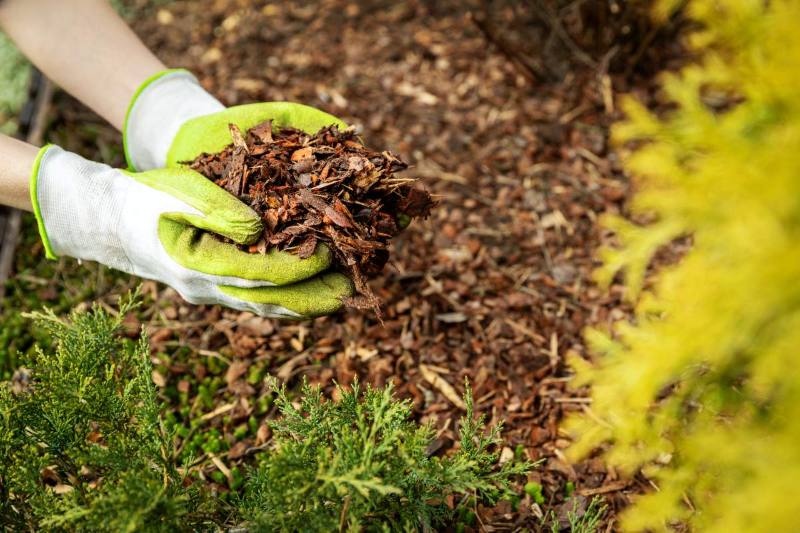
Bark mulch, available as large chunks or shredded pieces, decomposes slowly, making it a cost-effective option. Shredded bark interlocks, creating a stable mat that resists erosion on sloped landscapes.
“These types of mulch tend to last longer and offer more bang for your buck both ecologically and visually. While they do come in various colors, try to stay with natural, undyed mulch,” says Carnley.
Pros:
- Lasts 1-2 years before needing replacement
- Available in natural, red, brown, and black colors
- Effective at blocking weed growth
Cons:
- Large chunks can prevent small seedlings from emerging, so avoid in vegetable gardens
- Can attract roaches and other insects in humid climates
Cost Per Cubic Yard (Installed): $30 – $100
See Related: How to Choose the Right Mulch Color for Your Landscape
3. Grass Clippings
Best for: Lawns, vegetable gardens, annual flower beds
Grass clippings are the ultimate free, sustainable mulch. They’re nitrogen-rich and decompose quickly to feed plants. Leaving clippings on your lawn after mowing provides natural fertilization equivalent to 1 application of synthetic fertilizer per season, or around 25% of your lawn’s annual fertilizer needs.
Pros:
- Free and readily available
- Fast decomposition adds nutrients quickly (2-8 weeks)
- Easy to apply; you just have to leave them on your lawn
Cons:
- Must be applied dry and in thin layers (1 inch max) to prevent matting
- If your lawn was recently treated with herbicides, wait 3 mowings before using clippings
- May develop foul odors if applied too thickly or while wet
Cost Per Cubic Yard: $0
See Related:
– Mulching vs. Bagging Grass Clippings
– How to Compost Grass Clippings (4 Methods)
4. Straw
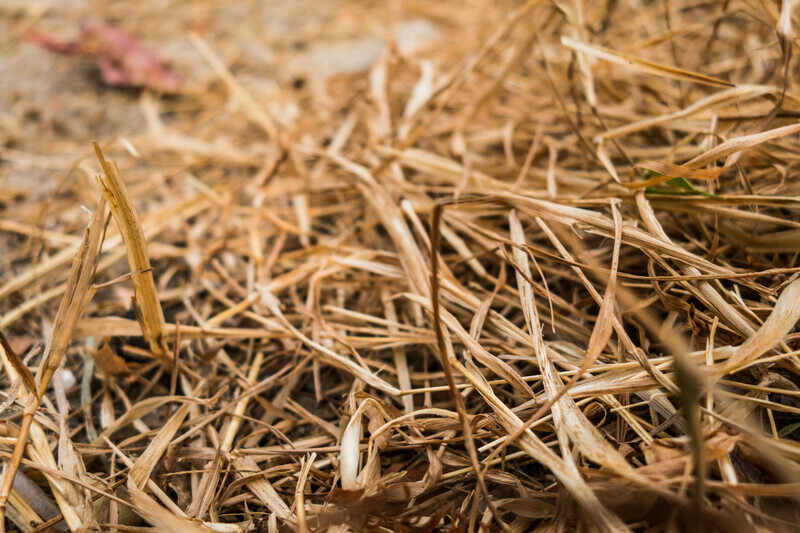
Best for: Vegetable gardens, annual beds, winter protection for perennials, newly seeded areas
Straw (dried grain stalks, not hay) insulates soil effectively, keeping roots warm in winter and cool in summer. It’s a traditional choice for vegetable gardeners because it provides excellent weed suppression without introducing weed seeds.
Pros:
- Excellent insulation, protecting plants from frost and temperature swings
- Good weed barrier when applied 3-4 inches thick
Cons:
- Blows away easily
- Attracts rodents seeking nesting material
Cost: $3 – $9 per bale (materials only)
5. Pine Needles (Pine Straw)
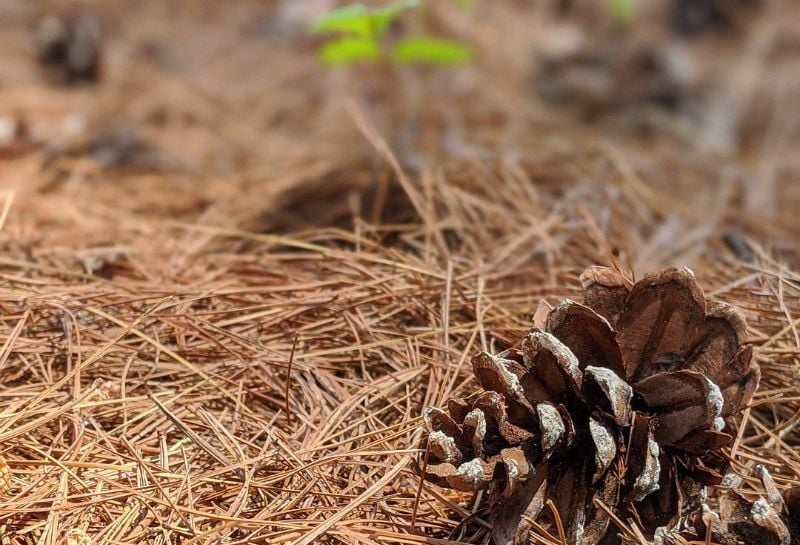
Best for: Around trees, vegetable gardens, perennial beds, on slopes
“Pine straw and pine bark are very popular for ericaceous plants (acid-loving plants). They work well to maintain proper soil acidity and weed suppression while offering natural color,” Carnley explains. However, if you’re planting acid-loving plants, you might want to also amend your soil with sulfur or aluminum sulfate.
“The one downside to pine straw is that it never looks better than the first week after application/spreading,” he continues.
Pros:
- Won’t develop a crust, so water penetrates easily
- Free if you have pine trees (or neighbors do)
Cons:
- Flammable, so avoid near fire pits, grills, or in wildfire-prone areas
- May blow away in high winds unless settled
Cost Per Cubic Yard (Installed): $20 – $55
See Related:
– How Often Should You Replace Mulch?
– How to Prevent Mulch Fires
– How to Change Your Soil pH
6. Shredded Leaves
Best for: Vegetable gardens, flower beds, composting, and overwintering beneficial insects
Shredded leaves are free, abundant, and decompose quickly to improve soil structure. They’re particularly valuable for vegetable gardens where fast nutrient cycling benefits fast-growing crops.
Always shred leaves before using them as mulch. Whole leaves mat together, blocking water and air from reaching the soil.
Pros:
- Completely free and abundant in fall
- Decompose quickly (3-6 months) to add organic matter
- Provide habitat for beneficial insects over winter
Cons:
- Must be shredded or they’ll form an impenetrable mat
- Avoid black walnut leaves: they contain juglone, a toxic component that can cause wilting and yellowing in plants
Cost: $0
See Related: Is It Better to Rake or Mulch Leaves?
7. Compost
Best for: Vegetable beds, flower gardens, as a topdressing for lawns
Compost is decomposed organic material, like kitchen scraps and yard waste, that’s dark, crumbly, and nutrient-rich. When applied as a 1-2-inch surface layer, compost functions as mulch, protecting the soil and providing immediate nutrients to plants.
Pros:
- Can make your own for free from kitchen and yard waste
- Rapidly improves soil structure and drainage (if used as an amendment)
- Helps reduce certain plant diseases by introducing beneficial microbes
Cons:
- Takes 1-12 months to produce finished compost
- Doesn’t suppress weeds as effectively as wood-based mulches
- Can attract pests if food scraps aren’t fully decomposed
Cost: $0 if you DIY; or around $20 for 10 pounds
See Related:
– How to Use Compost in Your Yard
– How to Keep Pests out of Your Compost Bin
8. Sawdust
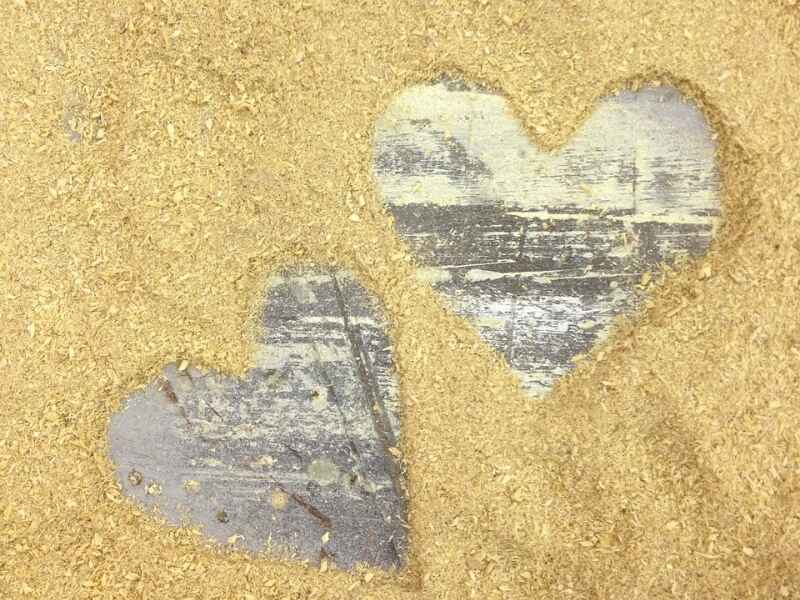
Best for: Acid-loving plants (blueberries, rhododendrons, azaleas), pathways
Aged sawdust (composted for 1 year or kept under 1 inch, if fresh) is an affordable mulch for informal pathways and some types of shrubs. However, it depletes soil nitrogen as it decomposes, so it should always be complemented with a fertilizer application.
Pros:
- Very inexpensive or free from sawmills and woodworking shops
- Effective weed suppressor when applied 2-3 inches thick
- Slightly acidifies soil, benefiting acid-loving plants
Cons:
- Nitrogen-hungry during decomposition; requires extra fertilizer
- Can obstruct water and air flow when applied too thickly
- Compacts easily, reducing air circulation to the soil
- Blows away easily
Cost Per Cubic Yard: $13 (materials only)
9. Newspaper and Cardboard
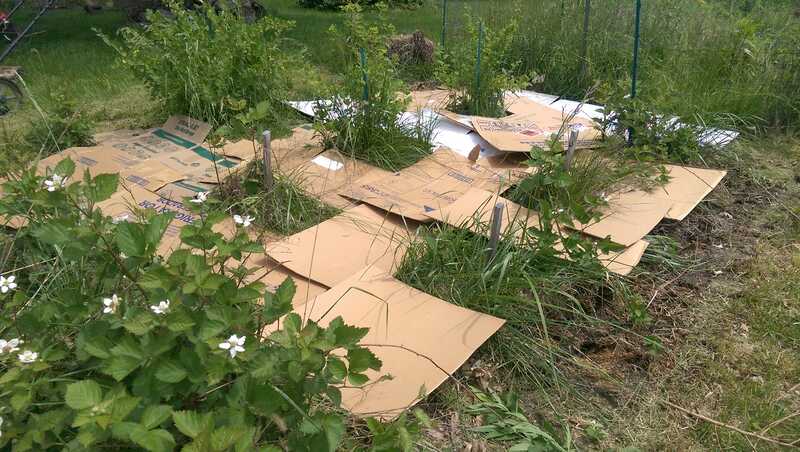
Best for: Annual beds and around garden plants
Newspaper and cardboard mulch can work great for sheet mulching where weed suppression matters more than looks. For annual or ornamental beds, cover with wood chips to keep the area neat and improve moisture retention.
Cardboard alone can dry out, but since it’s difficult (and not recommended) to press it tightly against plant stems, there’s usually a gap for watering. As long as you leave space around plants, reduced water infiltration isn’t typically a major concern.
Pros:
- Free or very inexpensive
- Blocks 95%+ of weed growth
- Newspaper ink is soy-based and safe for gardens
Cons:
- Not visually appealing; needs a topper like wood chips for aesthetics
- Needs more maintenance than other mulch types
Cost: $0
FAQ
Yes, wood-based, cardboard, and newspaper mulches can attract termites. To avoid this, apply a thin layer, avoid overwatering, and have regular termite inspections.
See Related:
– How Deep Should Mulch Be?
– How Much Does a Termite Inspection Cost?
Yes. Cardboard with wood chips on top offers excellent weed control, while compost beneath wood chips provides immediate and long-term nutrients.
Shredded bark, untreated wood chips, and pine needles are all pet-safe. Avoid cocoa bean mulch (toxic to dogs) and dyed mulches with unknown pigments.
Choose the Right Organic Mulch for Your Landscape
Wood chips and shredded bark offer the best balance of longevity and weed control for most homeowners, while pine needles and straw excel in vegetable gardens. Free options like grass clippings and leaves work well for budget-conscious gardeners willing to reapply more frequently.
Need help applying mulch correctly? Connect with LawnStarter’s local landscaping professionals who can assess your soil, recommend the best organic mulch, and handle delivery and installation.
For healthy grass that produces nutrient-rich clippings all season, find LawnStarter’s lawn care services near you to keep your yard thriving.
Sources:
- Philip Carnley, Director of Sustainable Agriculture/Horticulture at Spartanburg Community College, Spartanburg, SC. Personal Interview.
- Linda Chalker-Scott. The Myth of Paper-Based Sheet Mulch. Washington State University.
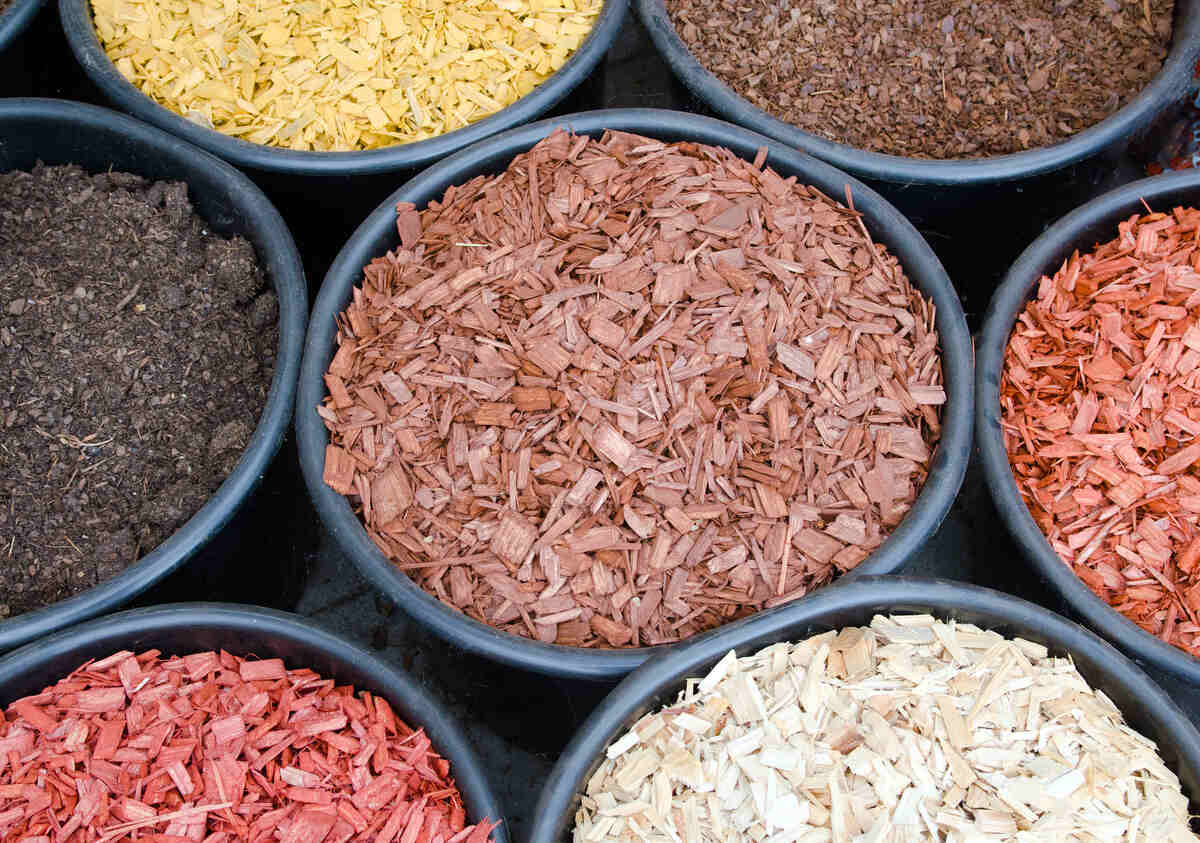
Main Image: Different types of mulch displayed in containers. Image Credit: Fiedels / Adobe Stock
Related Posts: