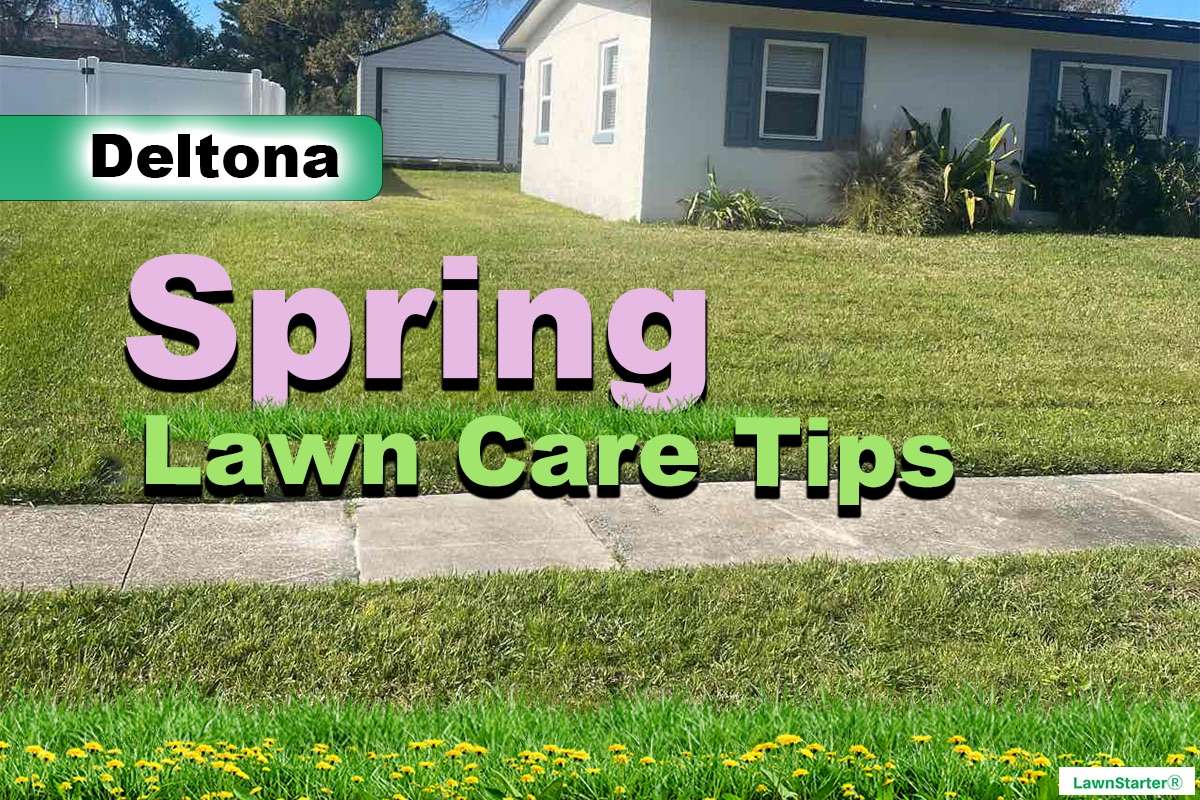
Spring lawn care in Deltona usually means busy weekends at Vann Park or Lake Monroe, but it’s also time to prepare your grass for the long, hot summer ahead.
As temperatures rise and afternoon showers become more frequent, warm-season grasses start growing fast, which means mowing, watering, and fertilizing habits matter more than ever.
In this article, we’ll give you 9 tailored spring lawn care tips so you can get your lawn in top shape even before the Deltona Spring Fest. However, if you want to skip the yard work, contact one of our Deltona lawn care pros.
1. Start By Cleaning Up Your Yard
Spring is the right time to clear out debris that built up over winter and give your lawn a fresh start. In Deltona, fallen palm fronds, small branches, and wind-blown leaves often accumulate after cooler months and occasional showers.
Rake up leaves, remove twigs, and clear away palm debris so sunlight, air, and water can reach the grass. Leaving them on the lawn can block growth, trap moisture, and create ideal conditions for pests and disease.
See Related: Best Ways to Clean Up Leaves in Your Yard
2. Mow the Right Way
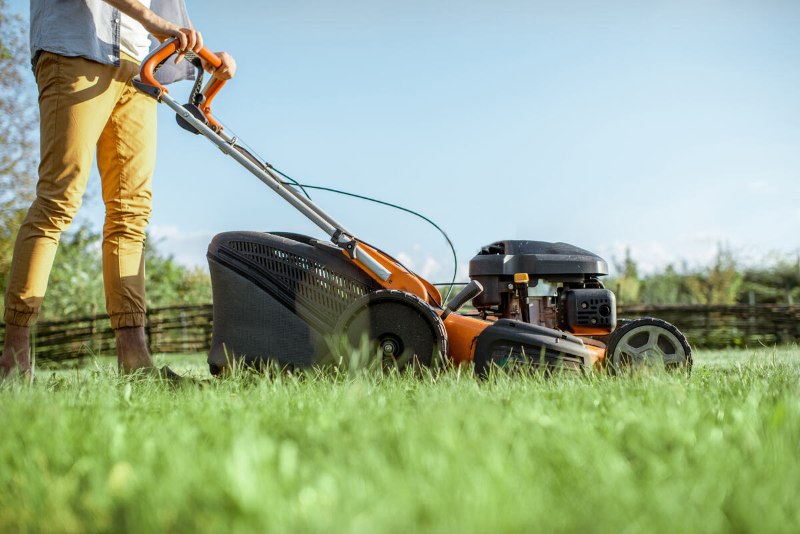
Spring brings rapid growth to Deltona lawns, especially warm-season grasses like St. Augustine and bahia. Following a few smart mowing habits now helps prevent stress, disease, and uneven growth later in the season:
- Sharpen your mower blades before spring mowing begins. Clean cuts reduce the risk of fungal diseases, which thrive in Central Florida’s humidity
- Follow the one-third rule for mowing and never remove more than one-third of the grass blade at a time to avoid scalping and root stress.
- Avoid mowing wet grass, as wet blades tear instead of cutting cleanly and can spread lawn diseases.
- Mow more frequently as growth picks up, rather than cutting too short to “catch up.”
3. Adjust Your Watering Schedule
In Central Florida, lawn damage is more often caused by overwatering, not underwatering. Spring brings warmer temperatures and rain, so it’s important to adjust your irrigation schedule according to your lawn’s needs.
Instead of watering lightly several times a week, aim to water deeply and infrequently to encourage deeper root growth and help your lawn tolerate heat better as summer approaches. Here are some extra tips:
- Established St. Augustinegrass typically needs watering every 3 to 9 days in spring, assuming no rainfall.
- If your lawn receives 1/2 to 3/4 inch of rain, you can delay or skip irrigation.
- Adjust your irrigation system as spring weather changes.
Even though Deltona allows watering up to twice a week, that doesn’t mean you need to water that often. It’s best to watch for signs of stress, such as folding or curling grass blades, a blue-gray tint to the lawn, and footprints that remain visible after walking before you water.
See Related: Essential Lawn Watering Tips for Florida
4. Control Weeds
Spring is the most important time to stay ahead of weeds, especially because Central Florida has a short window for effective pre-emergent herbicide applications.
The best time to apply pre-emergent herbicide is late February through March, with early April as the latest cutoff. Ideally, you should apply pre-emergent herbicides before daytime temperatures stay consistently between 65 and 70 degrees for 5 consecutive days.
If weeds still appear after that window, consider:
- Hand-pulling weeds
- Spot-treating with post-emergent herbicides, rather than spraying the entire lawn
5. Fertilize Carefully
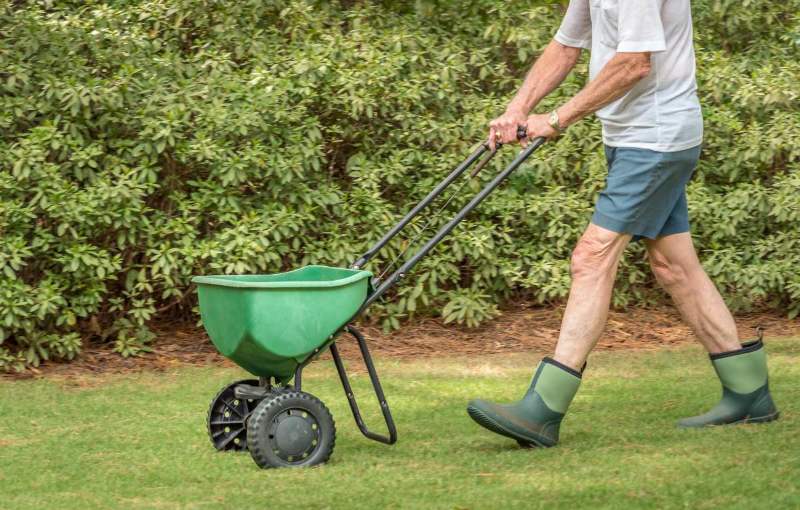
For most warm-season grasses in Deltona, active growth typically starts in April. Fertilizing before then is often ineffective, since grass won’t absorb and use the nutrients. To get the most out of fertilizer:
- Wait until April to fertilize.
- Avoid fertilizing before heavy rain, especially if rain is expected within the next 24 hours, as nutrients can wash away before the lawn absorbs them.
- Use a slow-release fertilizer to support steady growth and reduce runoff.
Important note: In Deltona, fertilizer application is not allowed within 10 feet of any pond, stream, watercourse, lake, or canal.
See Related: The Best Lawn Fertilization Schedule and Tips for Florida
6. Watch for Pests
Spring is prime time for Florida lawn pests, especially armyworms and chinch bugs (which are a major threat to St. Augustinegrass). Catching problems early can prevent widespread damage once temperatures climb even higher.
Watch for these signs:
- Irregular brown or thinning patches
- Chewed or ragged grass blades (armyworms)
- Irregular patches of grass turning yellow, then brown (chinch bugs)
If you notice any of these signs of armyworm damage, or suspect chinch bugs in your St. Augustine lawn, you can treat your lawn with beneficial nematodes, Bt, neem oil, or use insecticides.
See Related:
– How to Get Rid of Chinch Bugs on the Lawn
– How to Get Rid of Armyworms on the Lawn
7. Prevent and Treat Diseases
Long stretches of heat and humidity create ideal conditions for fungal diseases, which is why they’re so common in Florida (and Deltona is no different).
You can expect everything from brown patch to dollar spot and gray leaf spot. They usually show up in late spring, and early signs include:
- Circular brown areas
- Rings with a gray or smoky edge
- White, cottony mycelium
- Leaf lesions
Watering only when necessary will help prevent a lot of fungal diseases. However, if the disease is a recurring issue in your lawn, you can also apply preventive fungicides. Just be sure to follow all label instructions, including timing and application rates.
See Related:
– What is Brown Patch Disease?
– How to Get Rid of Dollar Spot
– Gray Leaf Spot Lawn Disease: How to Identify, Control, and Prevent It
8. Remove Excessive Thatch
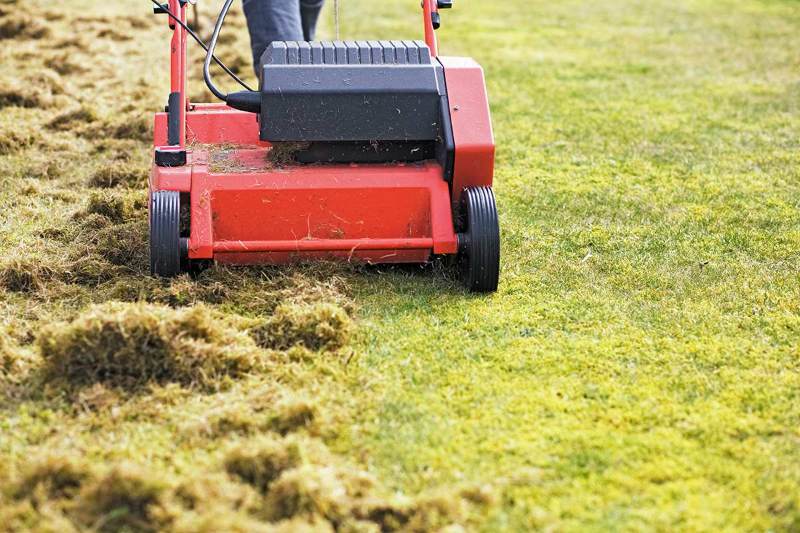
Thatch is the layer of grass stems, roots, and organic debris that builds up between the soil surface and the grass blades.
A thin layer (under 1/2 inch) of thatch is normal, but when it becomes too thick, it can create a hiding place for pests, increase the chance of disease, and block water, air, and nutrients from reaching the soil.
Late spring is a good time to dethatch your lawn in Deltona, since grass is actively growing and can recover more quickly. Most warm-season lawns benefit from dethatching once a year. The main exception is bahiagrass, which needs dethatching only every 2 to 3 years.
9. Repair Damaged Areas
If your lawn has thinning spots, areas damaged by heavy foot traffic, or bare patches left behind by past disease or pest infestations, spring is the ideal time to start fixing them.
- Overseed bahiagrass lawns in spring or early summer to improve density. Gently rake over the seeded area and keep the soil consistently moist until the new grass germinates.
- St. Augustine and Zoysiagrass are usually repaired by planting plugs or sprigs.
- Bermudagrass usually doesn’t need overseeding at all, since it spreads aggressively and self-repairs quickly.
Addressing damaged areas early in the season helps prevent weeds from moving in, supporting a more uniform growth throughout the rest of the year.
Set Your Lawn Up for Success
Spring lawn care in Deltona is about getting ahead of problems before summer heat, humidity, and afternoon storms arrive. A little effort now can make a big difference in how your lawn handles the months ahead.
If you’d rather leave all of this to a pro so you can enjoy the mild spring climate, LawnStarter connects you with our local Deltona lawn care professionals. We also have pros in Orlando, Daytona Beach, Orange City, and surrounding cities just a click away.
Sources:
- “February is Ideal to Apply Pre-emergence Herbicides in Central Florida” By Grantly Ricketts. UF/IFAS Extension Osceola County.
- “Lawn Irrigation – Again?” By Joe Sewards. UF/IFAS Extension Volusia County.
- “Pre-emergence Herbicides – Prevention Better than Cure.” By Grantly Ricketts. UF/IFAS Extension Osceola County.
- “Watering Your Florida Lawn.” By Laurie E. Trenholm, J. Bryan Unruh, and John L. Cisar. UF/IFAS Extension.
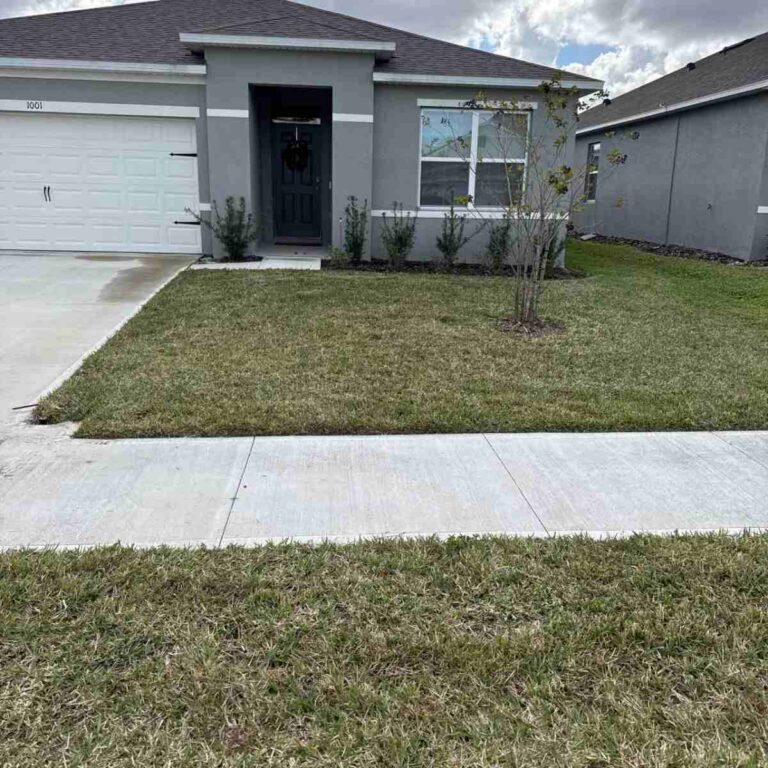
Main Image: Lawn mowed by a LawnStarter pro in Little Deltona, FL. Illustration by Amy Stenglein / LawnStarter
Related Posts: