Spring lawn care in Columbia doesn’t have to be overwhelming. Follow our 8-point checklist including testing your soil, prepping your mower, and preventing weeds and your lawn will bounce back from winter and be ready for our long, hot summers.
So grab your rake, a soil test kit, and your lawn mower tools, and let’s get started…
Of course, if you don’t have the time, energy, or patience to rake yard debris or deal with a mower that won’t start, LawnStarter’s Columbia lawn care pros can take spring yard care off your to-do list and keep your grass looking its best all season long.

1. Clean Up Winter Debris
Columbia winters may be mild, but leaves, pine straw, and small sticks still pile up on your lawn. If you leave this debris, grass struggles to breathe, sunlight can’t reach the soil, and wet spots invite disease. Clay-heavy soil like we have here in Columbia can stay soggy longer, which encourages mold and fungus.
What to do:
- Walk your yard and remove sticks, leaves, and pine straw.
- Rake lightly over flattened areas to lift the grass without tearing it up.
- Pay extra attention to shady or damp spots where debris sits.
- Keep an eye on areas near trees; pine needles can acidify soil and affect pH if left too long.
When to do it: Late February to mid-March, before warm-season grasses (Columbia’s best grass types) like Bermuda, Zoysia, or Centipede start greening.
Once yard debris is gone, you’ll spot bare patches or areas that may need repair.
2. Test Your Soil
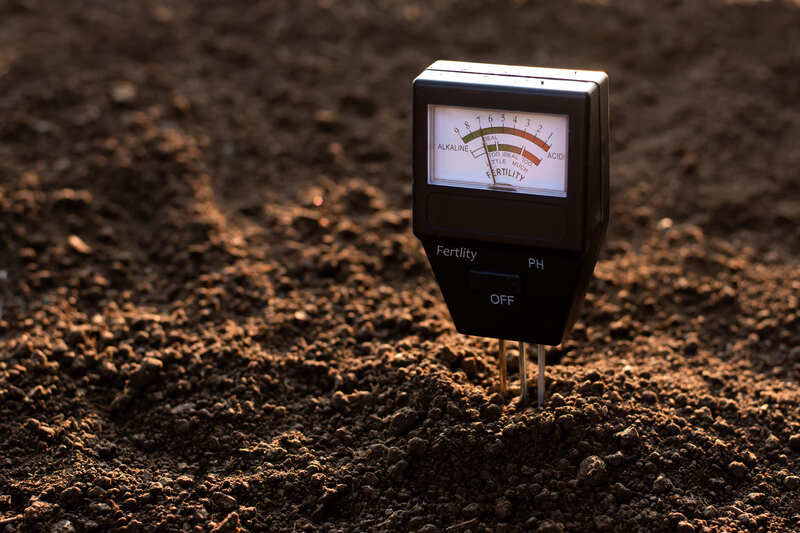
Columbia’s soil is a clay-sand mix, sometimes acidic, sometimes slightly alkaline in pockets. Testing is crucial because it affects fertilization and lime applications.
What to do:
- Collect 5 to 10 small soil samples from different areas of your lawn and mix them together.
- Send a sample to Clemson University’s Agricultural Service Laboratory for analysis.
- You’ll get a report with your soil’s pH, nutrient levels, and recommendations for fertilizer, lime, or other amendments.
When to do it: March to early April, before fertilizing or overseeding.
Tip: Centipedegrass prefers slightly acidic soil (pH just below 7), while Bermuda and Zoysia handle a broader range (5.8 to 7). Test now, and you can adjust with lime or sulfur to set your lawn up for summer success.
3. Repair or Reseed Bare Patches
Winter foot traffic, shade, or soggy clay soil often leaves bald spots. Columbia homeowners often notice bare patches near walkways, driveways, and shady backyard corners.
What to do:
- Loosen the top inch of soil.
- For Bermuda or Zoysia: Use plugs or sod pieces to fill bare patches.
- For Centipede: Add compost to help roots establish.
- Water lightly, just enough to keep the soil moist.
When to do it: Mid to late April, once the soil warms (approximately 65 degrees) but before the summer heat.
Tip: Shade matters. Bermuda struggles in shade; Zoysia tolerates partial shade; and Centipede can tolerate light shade but not heavy traffic. Sun-loving areas should be planted with Bermuda or Zoysia for the best results.
4. Mow High (and at the Right Time)
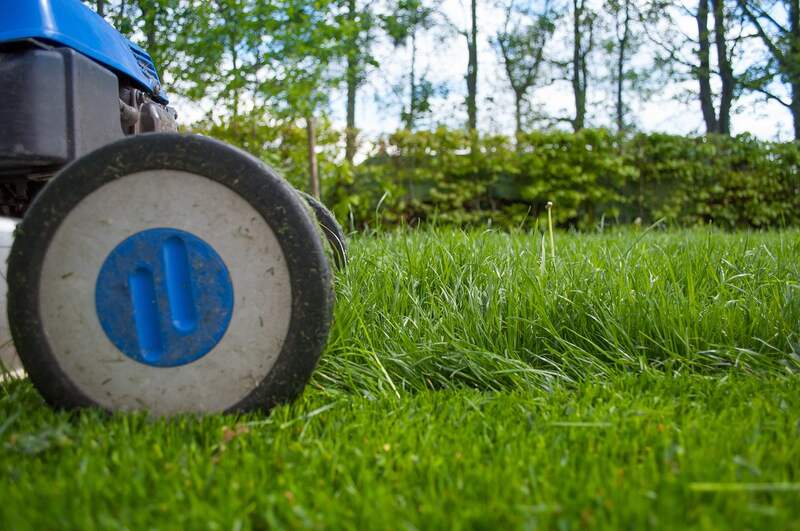
Spring grass growth in Columbia is delicate. Cut your lawn too early or too low, and you’ll stress the grass, invite weeds, or dig ruts in soft clay soil.
Recommended heights:
- Bermuda: 1 to 2 inches
- Zoysia: 1 to 2.5 inches
- Centipede: 1.5 to 2 inches
- Tall fescue: 3 to 3.5 inches
What to do:
- Wait until your lawn is fully green.
- Sharpen blades because dull ones tear grass.
- Don’t remove more than one-third of blade height.
- Mow only when the soil is firm and dry.
When to do it: Late April, sometimes mid-April if the ground dries and warms early.
Remember: First cuts are more “wake-up trims” than heavy haircuts. Taller grass shades the soil, reduces weeds, and builds strong roots, especially important in hot, humid Columbia summers.
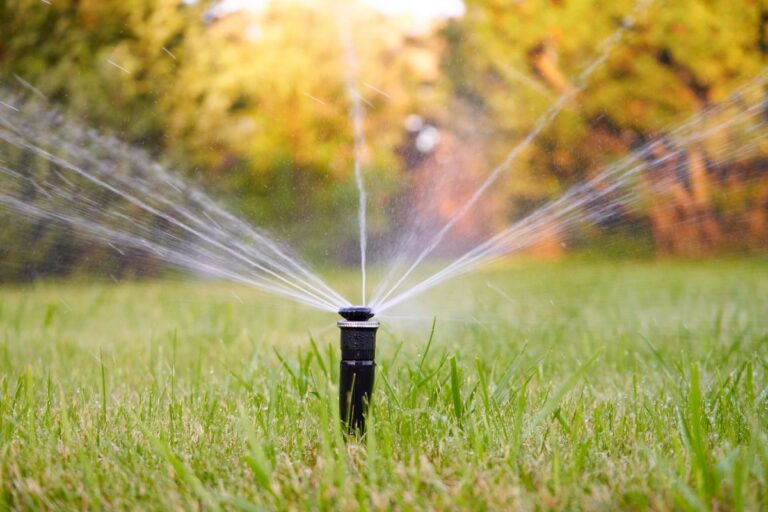
5. Water Wisely
Spring rain in Columbia is generous. Don’t fall into the trap of overwatering. Shallow roots today mean trouble tomorrow.
What to do:
- Skip sprinklers until the soil actually shows signs of dryness 2 to 3 inches down.
- When watering, soak deep enough to reach about 6 inches of soil.
- Morning is best. Water before the sun evaporation steals it.
When to do it: Most lawns can hold off until late April/May, depending on rainfall.
Tip: If your lawn still feels soft or muddy, wait. Let the grass tell you when it’s thirsty. Bermuda and Zoysia are drought-tolerant once established; Centipede prefers consistent moisture but dislikes standing water.
6. Apply Pre-Emergent Herbicide
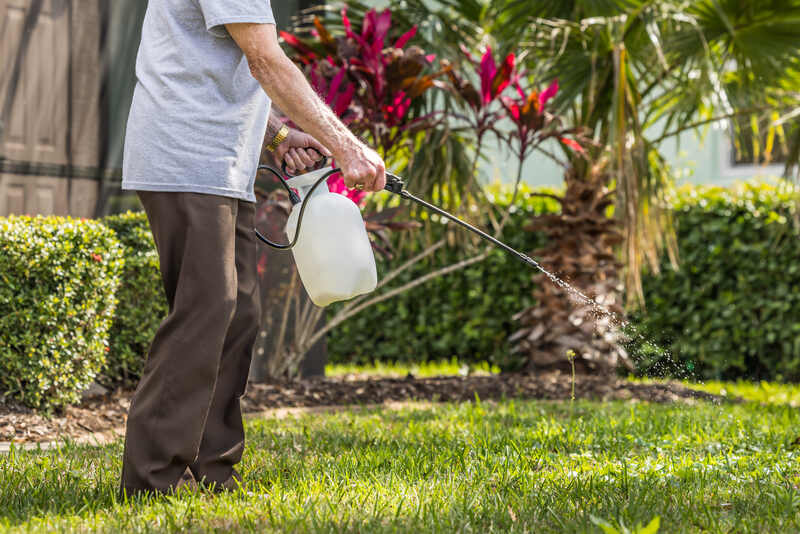
Crabgrass and other weeds love the spring in Columbia. A pre-emergent weed killer is your best defense, but timing the application is key.
What to do:
- Apply a crabgrass pre-emergent herbicide labeled for your grass type.
- Lightly water it in or rely on rainfall.
- Avoid disturbing the soil afterward; no heavy raking, aeration, or dethatching.
When to do it: Mid-March, when the soil is around 50 to 55 degrees, before warm-season grass starts greening. The second application is optional, 8 to 10 weeks later, depending on weed pressure.
Tip: Apply near walkways, driveways, and garden edges. Weeds often start there first.
7. Fertilize (But Wait Until the Grass Is Ready)
Warm-season grasses hate early fertilizer. Early feeding can make blades grow fast, but roots lag — a disaster in Columbia’s summer heat.
What to do:
- Follow soil test results.
- Use slow-release nitrogen.
- Spread evenly, avoid clumps, and water lightly.
When to do it: Early to mid-May, once your lawn is fully green. Centipedegrass likes to wait even longer (closer to late May). This timing lets grass grow strong roots before heat and humidity hit.
Fertilizing at the right time builds deep roots for summer survival. Bermuda and Zoysia respond quickly; Centipede grows more slowly but requires less maintenance.
8. Aerate or Dethatch (Only if Needed)
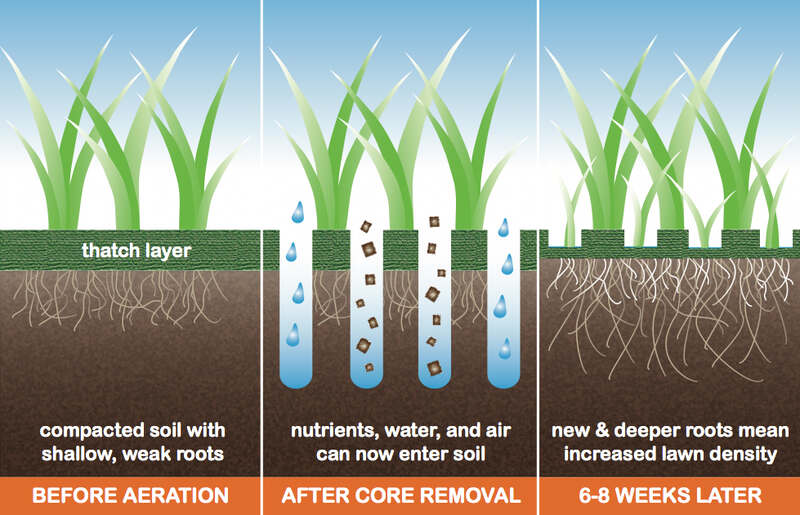
Clay soil can compact fast, especially in high-traffic yards. Thatch over half an inch can block water and nutrients.
What to do:
- Use a core aerator to pull plugs from compacted areas.
- Dethatch only if the layer is thick and the lawn is fully growing.
When to do it: Late May to June, once your grass is actively growing.
Gary Forrester, a horticulture extension agent at Horry County Extension Service, Clemson University, says “Removing thick thatch layers in spring in warm-season lawns will keep the growing points of the turf close to the soil surface, which will help protect the buds from freezing temperatures later in the year.”
Spring dethatching not only improves nutrient and water uptake now but also helps your lawn survive winter stress better.
Hire a Lawn Care Pro in Columbia
Spring in Columbia is beautiful, but it’s also busy. Between warming weather, unpredictable spring rains, and your own to-do list, getting your lawn ready for summer can feel overwhelming.
If the idea of raking, mowing, fertilizing, and fighting weeds makes you groan, you don’t have to tackle it alone.
LawnStarter has lawn care pros in Columbia who can handle the heavy work, follow the perfect spring schedule for Bermuda, Zoysia, or Centipede, and make sure your grass grows thick, green, and ready for the long, hot summer.
Even better, we have local lawn care pros across South Carolina, from Charleston to your backyard in the Midlands.
Plus, if you want your yard to look even better, our Columbia pros also provide landscaping services. You can sit back, enjoy your morning coffee, and watch your lawn thrive without the stress.
Read Next:
— Fall Lawn Care Guide for Columbia, SC
— Best Native Plants for South Carolina
Main Image: Lawn mowed by a LawnStarter pro in Columbia, SC. Illustration by Amy Stenglein / LawnStarter
Related Posts: