After months of snow and freeze-thaw cycles, Scranton lawns need more than a quick rake to get back on track. Spring is when your yard either bounces back or falls behind, and timing your spring lawn care makes all the difference in northeastern Pennsylvania.
This spring lawn care guide walks you through the steps that matter most, from soil testing and crabgrass preventer timing to when to start mowing, watering, and fertilizing in Scranton’s cool, wet springs — everything you need to repair winter’s damage and get your cool-season Scranton lawn back into shape. Here’s what to do, and when to do it.
Not up for DIY this spring? A Scranton lawn care pro can handle everything from herbicides to fertilizers while you enjoy your weekends. Get a free lawn care quote today.
1. Test Your Soil

If you haven’t tested your soil in the last 2-3 years, test it this spring. Soils in northern Pennsylvania tend to be acidic, and cool-season grasses perform best in a pH range of 6.0 to 7.0 (6.5-7.0 if you grow Kentucky bluegrass). If your soil’s pH is too low, your grass won’t be able to absorb nutrients properly.
PennState’s Agricultural Analytical Services Laboratory offers affordable soil testing, and you can pick up a soil test kit at the Lackawanna County Extension Office. The results will tell you what your soil needs, including whether you should apply lime to raise the pH and how much potassium and phosphorus to add.
See Related:
– How to Prepare a Soil Sample for Testing
– How to Change Your Soil pH
2. Don’t Rush Clean Up and Repairs
Scranton’s wet springs can sometimes keep the ground waterlogged well into April. Don’t rush out too early. If you’re leaving footprints, stay off the lawn, or you’ll compact the soil.
Once the ground firms up, rake leaves, twigs, and debris, and spread lingering snow piles so they melt evenly.
Then, check for winter damage. With an average of 40 inches of snow per year, lawns in the Scranton/Wilkes-Barre area face prolonged snow cover that often leaves behind more than just dull grass. Walk around your Scranton yard and check for trouble spots:
| Problem | Solution |
| Snow mold (matted gray or pinkish patches) | Rake them loose, and they’ll recover |
| Vole damage (winding, narrow trails through the turf) | Rake and overseed |
| Salt damage (bare spots along driveways and walkways) | Flush with a hose to push salt below the roots before reseeding |
See Related:
– How to Repair Winter’s Damage to Your Lawn
3. Apply a Crabgrass Preventer
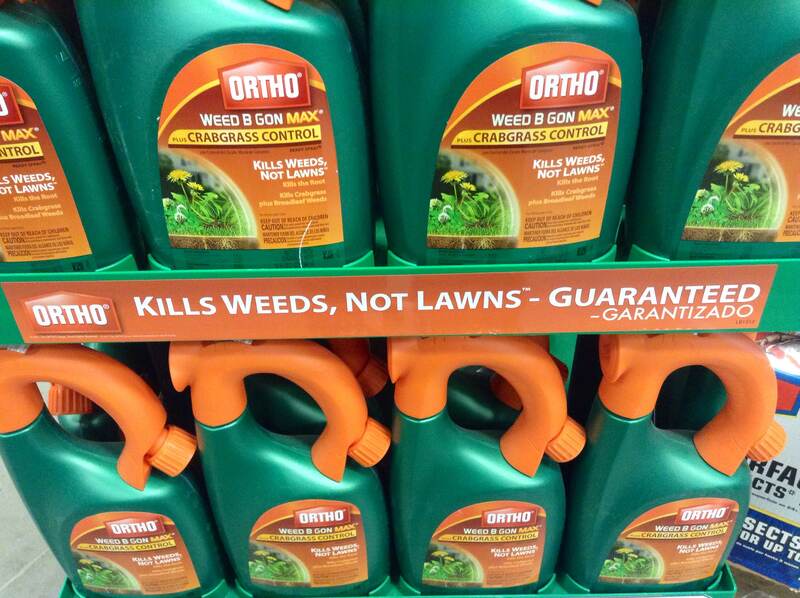
Crabgrass is the number 1 weed problem in the Scranton area. The key to controlling it is spreading a pre-emergent herbicide at the right time — when soil temperatures reach 50-55 degrees for 3-5 consecutive days (1-2 weeks before crabgrass germinates).
Penn State Extension recommends applying crabgrass preventer from April 15 to May 15 for the northern tier and high-altitude counties, and Scranton falls right in that window. You can find out exactly when to apply crabgrass preventer in Scranton by checking this week’s soil temperature here.
Spot-treat broadleaf weeds like dandelions, ground ivy, or clover in May, when they’re actively growing.
See Related:
– When and How to Apply Crabgrass Preventer
– Common Lawn Weeds in Pennsylvania: How To Identify and Control Them
4. Start Mowing at the Right Height
There’s no calendar date for the first mow in Scranton. Instead, let the grass tell you when it’s ready.
Once your cool-season lawn starts growing and gets 3-3.5 inches tall, it’s ready for the first mowing of the year. In a typical year, that’s somewhere around late April to early May, though a warm March can push it earlier.
Before you cut, sharpen the mower blades and set the mower at the right height for your grass type. Never cut wet grass or remove more than 1/3 of the blade length in a single mowing.
See Related:
– When to Mow Your Lawn in Spring
5. Feed Your Lawn
Scranton’s cool-season lawns come out of dormancy fast once the weather warms up, but they don’t need a heavy fertilizer push right away. In fact, applying nitrogen too early can lead to excessive leaf growth at the expense of the roots. It might also give weeds a boost.
Wait until mid to late spring (after your second or third mowing) to apply a slow-release nitrogen fertilizer. For most Scranton lawns, aim for about 0.5-1 pound of nitrogen per 1,000 square feet.
See Related:
– Tell-Tale Signs Your Lawn Needs Fertilizer
6. Delay Watering
Here’s the good news: Scranton’s spring is usually wet enough that supplemental watering is not needed until late May or June. Between snowmelt and rain, your lawn will get plenty of moisture through April and early May.
Check your sprinkler system and make repairs. Once temperatures climb and the rain tapers off, ensure your lawn receives 1-1.5 inches of water per week (including rainfall). Water deeply and infrequently and irrigate early in the morning (before 10:00 a.m.).
7. Watch for Pests and Diseases
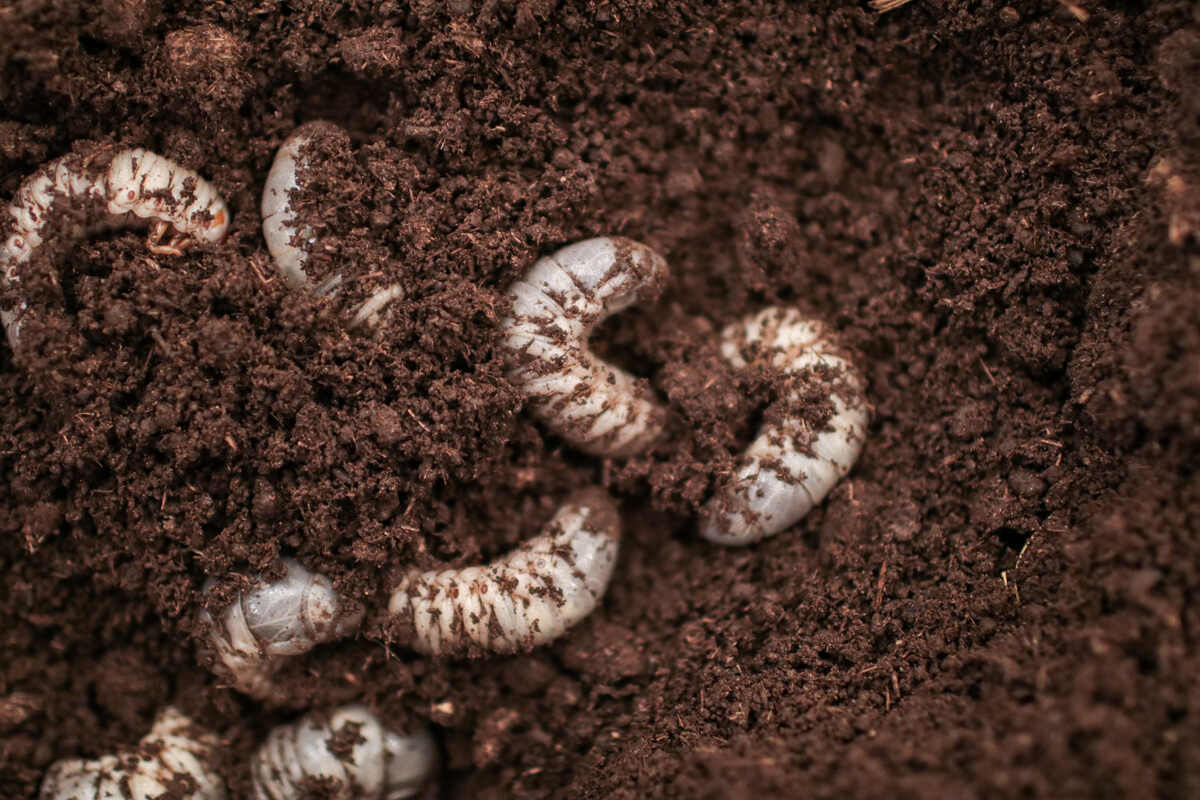
Beyond the snow mold (which you addressed during clean-up), keep an eye out for other common lawn problems in northeastern Pennsylvania:
- White grubs feed on grass roots just below the surface. If turf feels spongy underfoot or lifts up easily like a carpet, grubs may be the cause. They’re most active mid to late spring to early fall.
- Hairy chinch bugs and sod webworms are also common Pennsylvania lawn pests that can cause damage from late spring into summer.
For diseases, watch out for:
- Red thread (pink, thread-like strands on grass blades when temperatures reach 65-75 degrees)
- Leaf spot (dark lesions on blades during cool, wet weather)
- Powdery mildew (gray-white powder on grass in shaded areas)
If you suspect an insect or disease problem, the Lackawanna County Extension office can help you identify what you’re dealing with and recommend the right treatment.
See Related:
– Lawn Grubs: How and When to Kill Them
– Common Lawn Diseases and How to Identify Them
8. Aerate, Dethatch, and Overseed Only if Needed
Spring is an acceptable time to aerate cool-season lawns in Pennsylvania, though fall is generally preferred because it pairs well with overseeding and fertilization. If you aerate in the spring, aim for April or early May so the grass has time to recover during its peak growth period.
Kentucky bluegrass, one of the most common grasses in the Scranton area, is prone to thatch buildup. Check the thatch layer by pulling out a small section of turf and measuring it:
- If it’s over 3/4-1 inch, dethatch this spring once the grass starts to grow.
- If it’s only 1/2-inch thick, plan for fall dethatching. As with aeration, fall is the better choice for Scranton’s cool-season lawns.
While spring overseeding can work in Scranton, it’s not ideal. Cool-season grasses are naturally more successful when overseeded in late summer to early fall. If you can’t wait until fall (you’ve got large bare spots), overseed in mid-to-late spring.
See Related:
– How to Aerate Your Lawn: A Complete Guide
– Guide to Growing Cool-Season Grasses
FAQs
Late August to early September is the best time for seeding cool-season lawns in the Scranton area. It’s when warm soil and cooler air create the best conditions for germination and growth. If you missed this window, you can seed from April to mid-May, but grass will have less time to establish roots before summer heat arrives.
See Related:
– The Best Time to Plant Grass Seed in Pennsylvania
Scranton falls within USDA zones 6a to 7a. This means winter lows typically range between -10 degrees and 5 degrees. This places Scranton firmly in cool-season grass territory, where Kentucky bluegrass, tall and fine fescues, and perennial ryegrass perform the best.
Short on Time? Get a Head Start With a Local Pro
Now you know what your Scranton needs this spring — but knowing and doing are two different things, especially with tasks that have a narrow window.
A lawn care professional can take pre-emergent applications, mowing, and fertilizing off your plate and get the timing right. Find a LawnStarter lawn care pro in Scranton and enjoy your yard this season instead of working in it.
Read More:
– Month-to-Month Lawn Care Schedule for Pennsylvania Homeowners
Main Image: Lawn mowed by a LawnStarter pro in Scranton, PA. Illustration by Amy Stenglein / LawnStarter
Related Posts: