
After a long Lehigh Valley winter, your grass is just as ready for a fresh start as you are, but it needs the right spring lawn care to bounce back strong.
In this article, we’ll give you tips for spring lawn care in Allentown, including cleaning up debris, tackling weeds, and preparing your lawn mower for the season.
But if you’d rather skip the yard work and spend your weekends at Dorney Park or just enjoying the view with a cheesesteak in hand, connect with an Allentown lawn care pro to handle everything for you.
1. Clean Up Winter Debris
In the Lehigh Valley, fluctuating freeze-thaw cycles can leave grass flattened and damp, with patches of snow mold. Use a leaf rake and work lightly across the surface to remove these areas. Make sure to bag and dispose of any grass with snow mold.
Also, remove twigs and small branches left behind after winter. Even a thin layer of debris can block sunlight and trap moisture, increasing disease susceptibility.
Once the surface is clear, your lawn will be ready to bounce back and for the lawn care chores in the weeks ahead.
See Related:
– How to Get Rid of Snow Mold on Your Lawn
– Tips for Cleaning Up Leaves in Your Yard
2. Mow the Right Way
Spring in the Queen City brings that first flush of green, but don’t rush to mow just because the calendar says it’s time. Wait until your grass is actively growing before making the first cut. Mowing too early can cause unnecessary stress.
Keep these spring mowing tips in mind:
- Sharpen your mower blades before the season starts to ensure a clean cut and reduce disease risk.
- Follow the one-third rule and never remove more than one-third of the grass blade at a time.
- Leave grass clippings on the lawn to return nutrients to the soil.
- During peak spring growth, you may need to mow twice a week to keep up.
- Avoid mowing when the lawn is wet to prevent clumping.
3. Aerate Compacted Soil
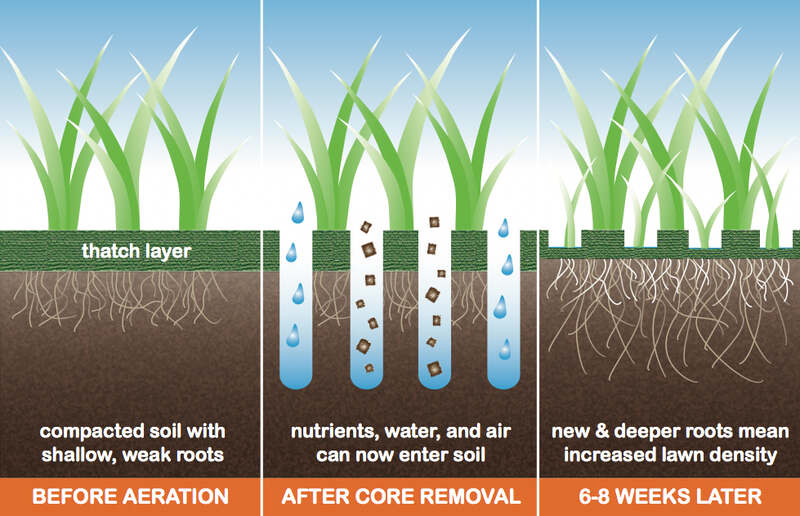
Aeration is the process of removing small plugs of soil from your lawn to relieve compaction and improve the flow of air, water, and nutrients into the root zone. Over time, heavy snow and foot traffic can compress the soil, especially if you have clay-heavy soil in your yard.
The best time to aerate in Allentown is in the fall, when cool-season grasses are actively growing and can recover quickly. However, early to mid-spring is also an option if your lawn feels hard underfoot, drains poorly, or has thinning areas you plan to overseed.
To learn more about how to do it, check out our article: How to Aerate Your Lawn: A Complete Guide.
See Related: Guide to Growing Cool-Season Grasses
4. Overseed Thin or Bare Areas
Winter in Allentown can leave cool-season lawns looking thin or patchy. Snow cover, ice, lingering moisture, and even early spring disease can weaken turf. Overseeding helps thicken your lawn without the need to remove the grass and start with bare dirt.
Like aeration, the ideal time to overseed in the Lehigh Valley is fall, when cool-season grasses are in peak growth. However, spring can also work if you’re addressing winter damage. Just aim to seed early enough that young grass has time to establish before summer heat arrives.
How to improve success:
- Aerate first to increase seed-to-soil contact.
- Choose a quality cool-season seed mix like tall fescue and fine fescues.
- Keep the soil consistently moist during germination.
See Related:
– How to Overseed a Lawn
– Clear Signs You Need to Overseed Your Lawn
5. Apply Fertilizer at the Right Time
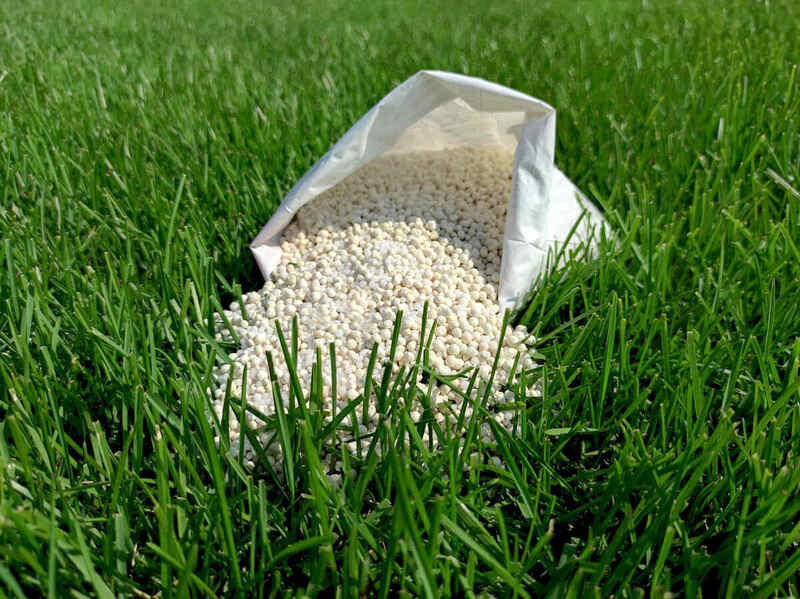
Although fall is ideal, the best window to spring-fertilize cool-season grasses in Allentown is typically mid-April through late May. By this time, the grass is actively growing and can properly absorb nutrients.
Choose a fertilizer that contains slow-release nitrogen, which feeds your lawn gradually and reduces the risk of burn or runoff.
Here are some other important Pennsylvania fertilizer rules to follow:
- Apply phosphorus only if a soil test shows it’s needed.
- Do not apply nitrogen or phosphorus after December 15 or before March 1.
- Never fertilize when the ground is frozen.
- Do not apply fertilizer within 15 feet of water bodies.
- Keep fertilizer off sidewalks and driveways.
- Avoid applying fertilizer before heavy rain.
See Related: What Is Slow-Release Fertilizer For the Lawn?
6. Get Ahead of Spring Weeds
The best defense against weeds in Allentown is a thick and healthy lawn. Dense turf naturally crowds out invaders and leaves little room for weed seeds to take hold. Proper mowing, fertilizing, and watering go a long way toward prevention.
For lawns that struggle with annual weeds like crabgrass, pre-emergent herbicides can provide extra protection. These products prevent seeds from germinating above the soil, so timing is critical. Apply pre-emergent herbicides between April 15 and May 15, before soil temperatures consistently rise.
For weeds that have already appeared, hand-pull them, making sure the entire plant is removed, or treat them locally with post-emergent herbicides.
See Related:
– Common Lawn Weeds in Pennsylvania
– Post-Emergent Herbicides: Which One for Which Weed?
7. Watch for Late-Season Lawn Pests
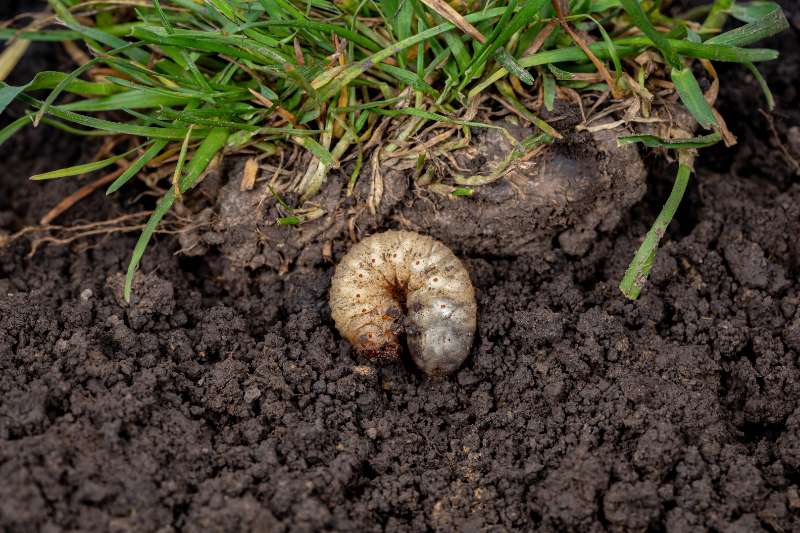
As temperatures warm in Allentown and Pennsylvania in general, one pest to keep an eye on is the Japanese beetle grub. These larvae feed on turfgrass roots in late spring, weakening your lawn just as it’s trying to grow strong for summer.
Signs of grub activity include:
- Irregular patches of brown or thinning grass
- Turf that feels spongy underfoot
- Grass that pulls up easily, like loose carpet
- Increased activity from birds, skunks, or raccoons
For lawns with a history of grub problems, preventive insecticides containing imidacloprid, thiamethoxam, or clothianidin can be applied from mid-April through mid-June. Timing matters, as treatments are most effective when targeting young larvae.
See Related:
– Lawn Grubs: How and When to Kill Them
Get Your Lawn Ready Before Summer in the Lehigh Valley
Spring in Allentown doesn’t last long. Before you know it, you’ll be attending a festival at PPL Center or catching a baseball game at Coca-Cola Park. Taking the time now to clean up, fertilize, and stay ahead of weeds will set your lawn up for a greener summer.
But if you’d rather spend your weekend enjoying what the Queen City has to offer instead of working in the yard, connect with a local Allentown LawnStarter pro. We also serve nearby cities like Bethlehem, Easton, and Nazareth.
Read More:
– Month-to-Month Lawn Care Schedule for Pennsylvania
– Best Grass Seed for Pennsylvania
Main Image: Lawn mowed by a LawnStarter pro in Allentown, PA. Illustration by Amy Stenglein / LawnStarter