Spring lawn care in Portland, Maine, often starts with navigating mud season. As you start shaking off winter, clearing leftover sand from sidewalks, and getting outside along the Eastern Promenade, it’s also time to help your lawn recover from the cold months.
In this article, we’ll give you tips on how to set your lawn up for success this spring, including fertilizing, mowing, and weed control tips.
However, if you’d rather leave all of the yard work to someone else, LawnStarter can connect you to Portland lawn care pros who can handle everything for you.
1. Wait Out Mud Season Before Starting Lawn Work
In Portland, mud season can stretch through April and sometimes into early May. During this time, lawns are especially vulnerable because the soil is saturated and easily compacted.
It may feel like a long wait, but staying off your lawn during mud season is important. Walking or working on soggy turf compresses the soil, damages roots, and creates ruts that can linger all season.
Holding off on raking, mowing, or heavy cleanup until the ground firms up helps your lawn recover more evenly once growth begins.
2. Rake to Remove Snow Mold and Winter Debris
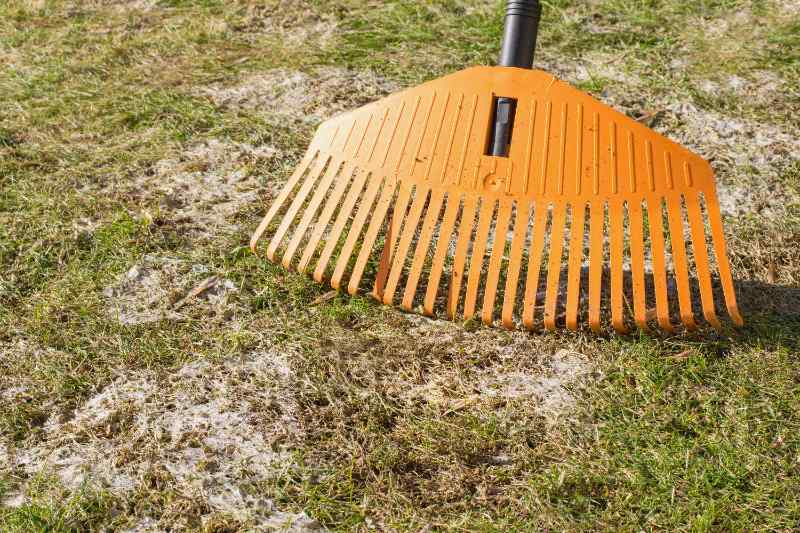
Snow mold is a common sight on Portland lawns after a long winter. The good news is that it’s usually easy to deal with and rarely causes permanent damage.
Here’s how to deal with snow mold:
- Wait until the soil has dried and firmed up.
- Gently rake the affected areas to loosen matted grass and improve airflow.
- Collect and discard the dead grass rather than leaving it on the lawn.
This is also a good time to remove winter debris, like fallen branches, leftover leaves, or sand tracked onto the lawn during the snow season.
See Related:
– 12 Types of Rakes: Uses and Tips
– How to Get Rid of Snow Mold on Your Lawn
3. Check for Vole Damage
Voles are a common winter pest in Portland and coastal Maine, especially after a snowy season that gives them cover to move and feed unnoticed. As the snow melts, signs of vole activity often become visible across the lawn. They include:
- Narrow runways or paths through the grass
- Small burrow entrances near the lawn or garden beds
- Chewed bark at the base of shrubs or young trees
- Grass nests hidden under mulch, leaves, or debris
The most effective way to get rid of voles is through habitat modification: removing bird feeders, clearing debris and clutter where they can hide, reducing mulch depth near plants, and installing physical barriers, like hardware cloth.
See Related: How to Repair Vole Damage to Your Lawn
4. Test Your Soil and Fertilize
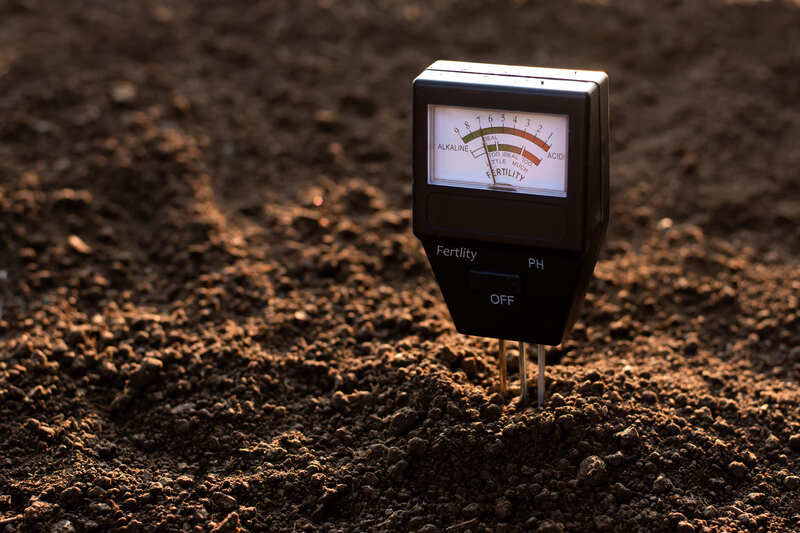
Before applying any fertilizer in spring, it’s worth testing your soil. A soil test shows exactly which nutrients your lawn lacks and whether pH adjustments are needed, helping you plan the rest of the season.
In Portland, lawns should be fertilized only after spring green-up, typically around May. Fertilizing too early, while grass is still recovering from winter, can stress turf and encourage weak growth.
Tip: When choosing a fertilizer, avoid products containing phosphorus unless a soil test specifically shows a deficiency.
See Related:
– 9 Reasons Why Soil Testing Is Important for the Lawn
– How to Fertilize Your Lawn
5. Tackle Spring Weeds the Right Way
Spring weeds can pop up quickly once the soil warms in Portland. If weeds have already appeared, hand-pulling them early (before they flower and go to seed) is one of the best ways to keep them from spreading through your lawn.
For homeowners who deal with the same weeds every year, such as crabgrass, adding a pre-emergent herbicide to your spring routine can help.
Make sure you apply pre-emergent herbicides before weed germination, not after they’re visible. For crabgrass, that’s when soil temperatures consistently rise above 55 degrees, usually around mid to late April in Portland.
6. Repair Damaged Areas
After a long Maine winter, and issues like snow mold, vole damage, and early weeds, it’s normal for Portland lawns to look a little rough in spring. One of the best ways to repair damaged areas is overseeding with a mix of Kentucky bluegrass, perennial ryegrass, and fine fescues, which are well-suited to Portland’s climate.
While fall is the ideal time to overseed, spring overseeding can still be effective if timed correctly. Aim to seed when soil temperatures reach 50 to 65 degrees, which typically occurs from late April to early May.
See Related:
– When to Overseed in Spring
– How to Overseed a Lawn in 8 Simple Steps
7. Start Mowing Only When Grass is Ready
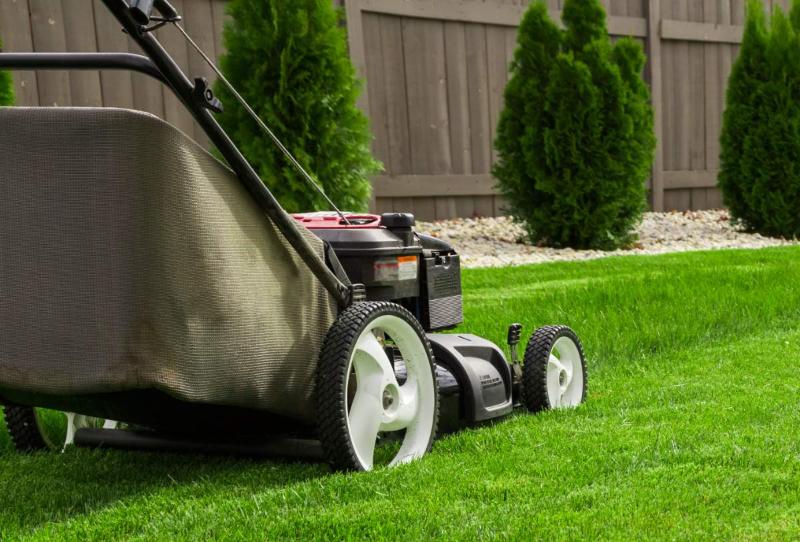
In Portland, lawn growth starts slowly in spring, and mowing too early can do more harm than good. Wait to mow until the grass is actively growing again, typically from late April to early May.
Keep these best practices in mind:
- Follow the one-third rule and never remove more than one-third of the grass blade at a time to avoid stressing the lawn.
- Sharpen your mower blades before mowing so grass is cut cleanly rather than torn.
- Avoid mowing wet grass.
- Mow at the recommended grass height for your grass type.
See Related:
– What is the One-Third Rule for Mowing Grass?
– What’s the Best Height to Cut Your Grass?
From Mud Season to Green Season
As the Forest City comes back to life after winter, giving your lawn the same slow start can help grass recover naturally and grow stronger through summer.
But if you’d rather spend your spring enjoying the city’s trails and parks instead of tackling lawn repairs, LawnStarter can connect you with local lawn care pros in Portland, and surrounding cities like Westbrook and Gorham, who understand the area’s conditions and can help get your yard in shape.
Read More:
– Month-to-Month Lawn Care Guide for Maine Homeowners
– The Best Grass Seed for Lawns in Maine
Main Image: Portland Cathedral of the Immaculate Conception in downtown Portland, ME. Illustration by Amy Stenglein / LawnStarter
Related Posts: