| Key Takeaways |
|---|
| • Native trees like escarpment live oak, cedar elm, and desert willow handle San Antonio’s heat and drought better than non-native species. • Match your tree to your yard size: Large canopy trees need at least 25 feet of clearance, while small trees fit tight spaces. • Fall and winter (October through January) are the best times to plant native trees in San Antonio. |
San Antonio’s hot summers and limestone soils can be tough on trees. But the right native species thrive here, giving you shade, color, and wildlife without constant watering.
Whether you want a towering live oak or a compact desert willow, native trees are your best bet. They are adapted to local soil, weather, and water conditions from the start.
Choosing and planting native trees in San Antonio takes some planning. If you would rather leave the heavy lifting to a pro, LawnStarter’s San Antonio tree care services can help you get the right tree in the ground.
How To Choose the Right Native Tree for Your San Antonio Yard
The best native trees for San Antonio include escarpment live oak for shade, Texas red oak for fall color, and desert willow for small spaces, all drought-tolerant once established.
San Antonio falls in U.S. Department of Agriculture (USDA) Hardiness Zone 9a, which means winter lows rarely drop below 20 to 25 degrees. Before you head to the nursery, consider these factors.
Yard size: Match the tree’s mature spread to your available space. Large canopy trees like live oaks need at least 25 feet of clearance from structures and power lines.
Sun exposure: Most native trees prefer full sun. Cedar elms and yaupon hollies tolerate partial shade well.
Purpose: Decide whether you need shade, ornamental color, wildlife habitat, or screening. That determines whether a large canopy tree or a smaller flowering species is right.
Soil type: San Antonio soils range from rocky limestone and caliche on the north side near the Edwards Plateau to heavy black clay in the center and sandy soils on top of clay in the south.
The native Texas trees on this list can handle the local soil and climate conditions.
| Tree | Size | Key Feature |
| Cedar elm | 50 to 70 ft. tall | Low-maintenance shade and street tree |
| Escarpment live oak | 50 to 55 ft. tall | Year-round shade, extreme drought tolerance |
| Escarpment black cherry | 35 to 50 ft. tall | Spring blooms, wildlife berries |
| Texas red oak | 35 to 50 ft. tall | Brilliant fall color, drought-tolerant |
| Eastern red cedar | 30 to 40 ft. tall | Evergreen, extremely low water needs |
| American smoketree | 20 to 30 ft. tall | Showy “smoke” plumes, fall color |
| Desert willow | 15 to 25 ft. tall | Pink tropical-looking blooms |
| Yaupon holly | 15 to 25 ft. tall | Evergreen, colorful berries |
| Texas mountain laurel | 10 to 15 ft. tall | Fragrant purple flowers |
See Related: How to Pick the Right Site to Plant a Tree
Large Native Trees for San Antonio
These native trees can reach 40 feet or more and provide substantial shade. They thrive in San Antonio’s hot summers and alkaline soils.
1. Cedar Elm: Hardy Native Tree for San Antonio Streets
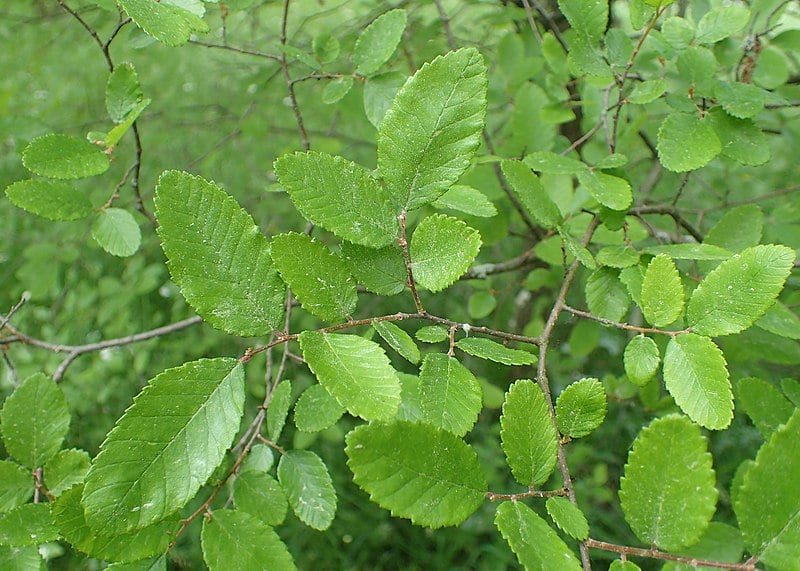
Cedar elm makes a great shade or street tree, reaching 50 to 70 feet tall with a canopy spread of 40 to 60 feet. It can live 75 to 100 years and is one of the most low-maintenance native trees in San Antonio.
Fall interest and wildlife attraction: Leaves turn yellow in autumn before dropping. Cedar elm is also a host plant for mourning cloak and question mark butterflies, making it a good pick for pollinator-friendly yards.
Growing conditions: Full sun to partial shade. Tolerates clay, sand, and limestone soils. Moderate water needs when young, then drought-tolerant once established.
Watch for: Aphids, spider mites, elm leaf beetles, and Dutch elm disease can damage the trees. Prune dead or crossing branches in late summer to keep the canopy healthy.
See Related: Signs Your Trees Need Pruning
2. Escarpment Live Oak: Top Native Shade Tree in San Antonio
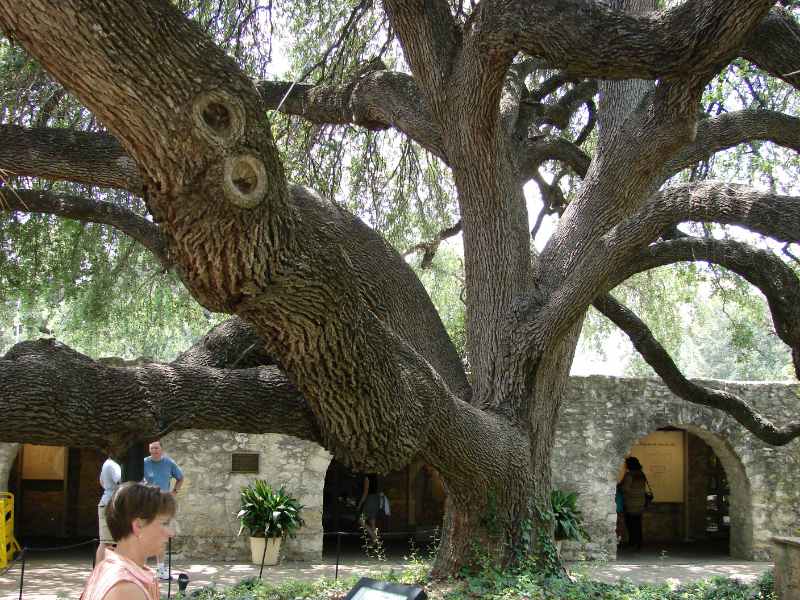
Escarpment live oaks grow up to 50 to 55 feet tall and wide. These evergreen trees can live more than 100 years under the right conditions. Their name comes from their ability to stay green through winter, providing year-round shade and structure.
Tough and adaptable: If you have a challenging landscape, this is your tree. Escarpment live oaks tolerate drought, heat, and poor, rocky soil.
Growing conditions: Full sun to partial shade. Prefers well-drained soil but handles clay and limestone. Water deeply during the first 2 growing seasons.
Watch for: Live oaks are susceptible to oak wilt, a fungal disease that spreads through root connections and can kill a tree within months.
To keep this disease under control, the city’s Oak Wilt Ordinance requires that fresh cuts on oaks be painted within 30 minutes. It also recommends against pruning oaks from Feb. 1 through July 1. That’s when sap-feeding beetles spread the fungus most actively.
See Related: How to Stop Oak Wilt, Other Common San Antonio Tree Diseases
3. Escarpment Black Cherry: Native Wildlife Tree for San Antonio
Black cherry is a native cherry tree variety, reaching 35 to 50 feet tall at maturity. The dark red wood is valued for furniture, instruments, and carvings.
Spring blooms and wildlife value: Showy white flower clusters appear in spring, then turn to dark, pea-sized berries by late summer. Birds and other wildlife love the ripe berries. The fruit is also used in beverages and cooking.
Growing conditions: Full sun to partial shade. Prefers moist, well-drained soil but adapts to drier conditions.
See Related: 13 Fast-Growing Shade Trees for Your Yard
4. Texas Red Oak: Best Native Tree for Fall Color in San Antonio
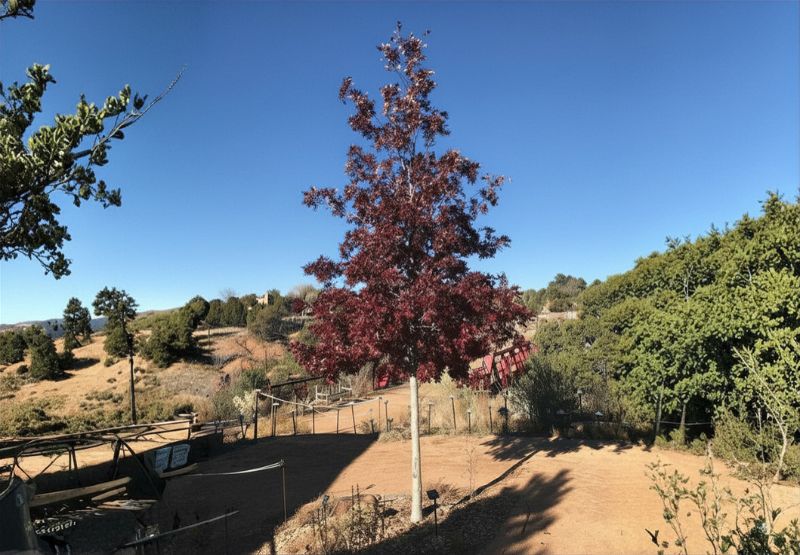
Texas red oak is one of the best shade trees for San Antonio yards, growing 35 to 50 feet tall (can grow up to 70 feet), with a rounded canopy. It thrives in rocky, alkaline soils common across the Hill Country.
Fall color and fast growth: Leaves turn brilliant red and orange in autumn. It is one of the few native trees in San Antonio with reliable fall color.
This tree grows at a moderate to fast pace, adding roughly 1 to 2 feet per year. You won’t wait decades for meaningful shade.
Growing conditions: Highly drought-tolerant once established, making it well-suited to San Antonio’s water restrictions.
Watch for: Like other oaks, Texas red oak is vulnerable to oak wilt. Avoid pruning between February and July.
Medium Native Trees for San Antonio
Medium native trees reach 15 to 40 feet tall. They work well as accent trees, windbreaks, or privacy screens without overwhelming smaller yards.
5. Eastern Red Cedar: Drought-Tolerant Native Tree for San Antonio
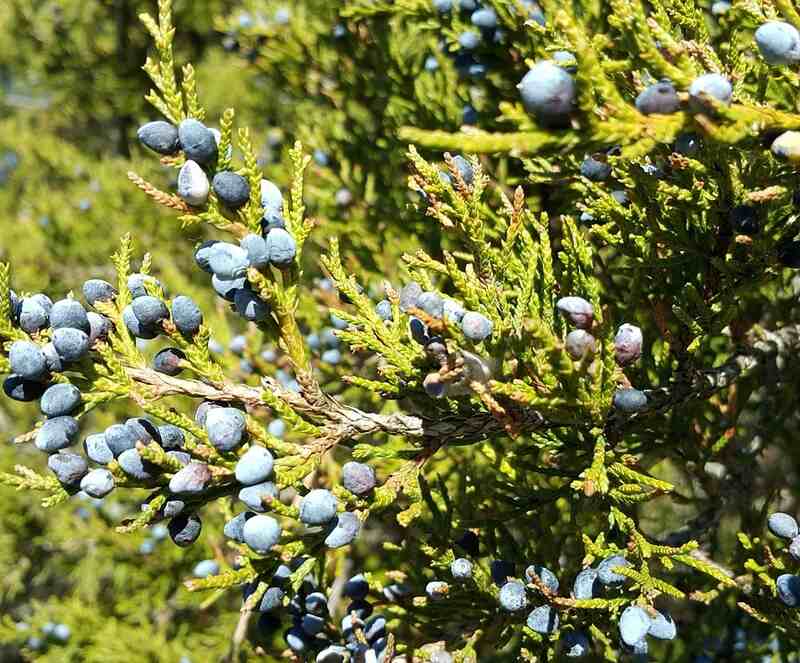
Eastern red cedar is one of the most common conifers in the United States. It is extremely tolerant of heat and drought, making it a great choice for San Antonio homeowners.
Berries and fragrant wood: Pale blue berries on female plants have a variety of homeopathic uses. The aromatic wood is used for cedar chests and cabinets.
Growing conditions: Full sun to partial shade. Tolerates poor, rocky soils. Reaches 30 to 40 feet tall. Extremely low water needs once established.
Watch for: Annosus root rot, the most damaging disease of eastern red cedar. Whitish conks under the duff at the ground line are signs of infection.
6. American Smoketree: Showy Native Tree for San Antonio
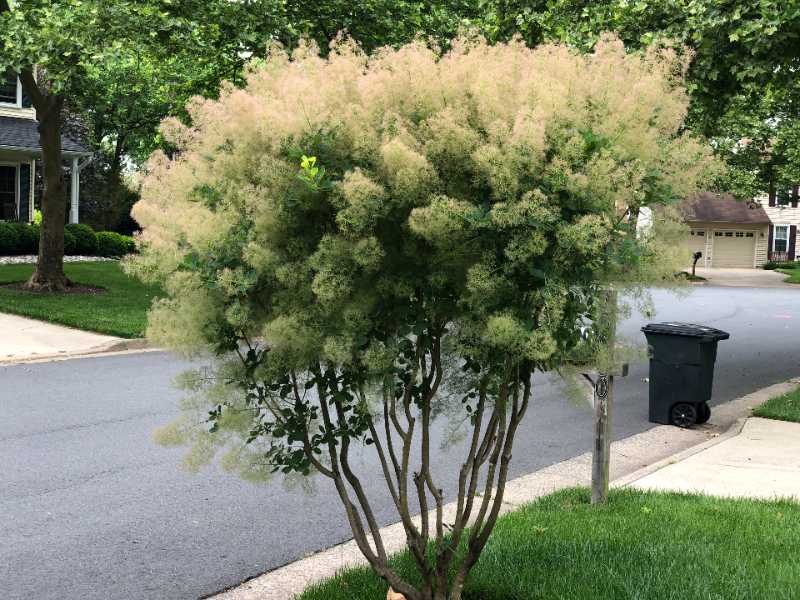
American smoketree is not as widely planted in San Antonio, but it has many attributes worth considering if looking for a medium native tree (it reaches 20 to 30 feet tall) with a showy appearance.
Signature “smoke-like” summer blooms and beautiful fall color: Smoky pink to pink-purple hairs forming on its flower clusters give this tree a hazy, puffy look.
In the fall, its leaves turn vibrant yellow, orange, and reddish-purple, putting on a show for 3 to 4 weeks.
Growing conditions: Full sun. Prefers well-drained, alkaline soils. Very drought-tolerant once established.
Watch for: Smoketree is resistant to most pests and diseases, but can be damaged by Verticillium wilt, a fungal disease causing the leaves to turn yellow.
Small Native Trees for San Antonio
Small native trees and large shrubs top out under 25 feet. They fit tight spaces, foundation plantings, and understory layers beneath larger canopy trees.
7. Desert Willow: Small Native Tree for San Antonio
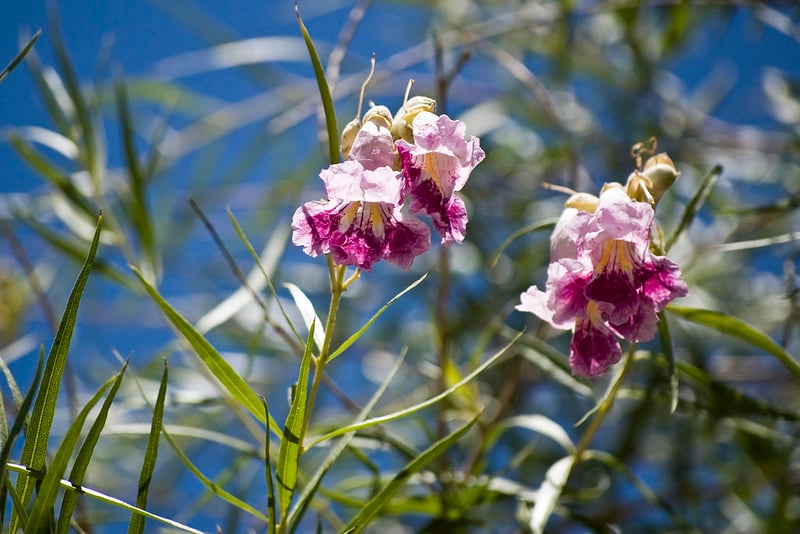
Desert willows grow 15 to 25 feet tall and span about 10 to 20 feet across. Despite its name, desert willow is not related to the willow family. This small native tree is incredibly drought-resilient.
Showy blooms: Midsummer brings pink to purple flowers that appear almost tropical. They attract hummingbirds and pollinators to your yard.
Growing conditions: They require very little maintenance and grow in a variety of soil types. Avoid overwatering and prune to maintain shape.
Watch for: Few pests and diseases. Watch for aphids and signs of Verticillium wilt.
See Related: How to Build a Pollinator Garden
8. Yaupon Holly: Evergreen Native Tree for San Antonio
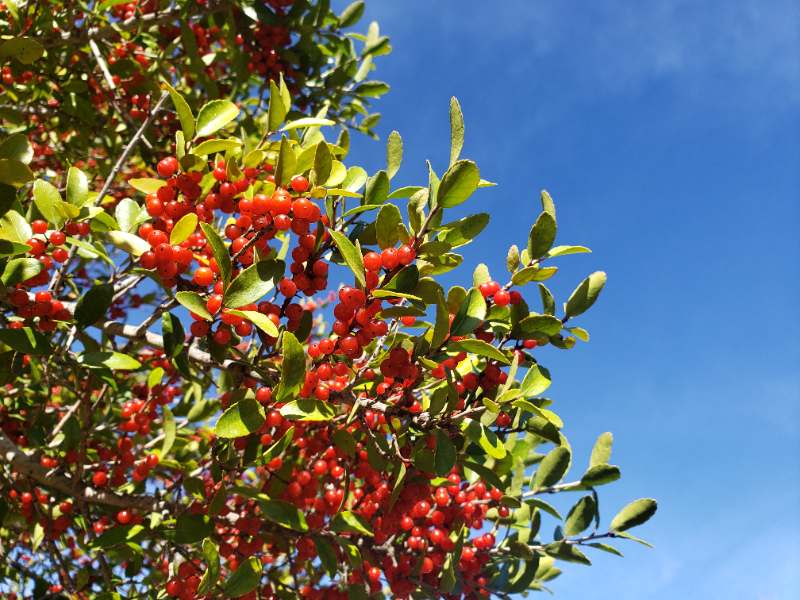
This evergreen shrub adds year-round color to your yard. Yaupon holly usually grows up to 25 feet tall and produces small white flowers in spring that attract pollinators.
Spring flowers and colorful berry display: Its white clusters of flowers attract pollinators in the spring. Female plants produce bright red berries (yellow for some cultivars) that ripen in late summer and last well into winter.
Growing conditions: It adapts to different types of soil and, once established, is self-sufficient. It tolerates acidic and alkaline soil and heavy pruning.
Watch for: Yaupon hollies are drought-hardy and resist pests and diseases in their native habitat.
Caution: The berries are food for birds, but toxic for people and most mammals.
9. Texas Mountain Laurel: A Fragrant Native Tree for San Antonio
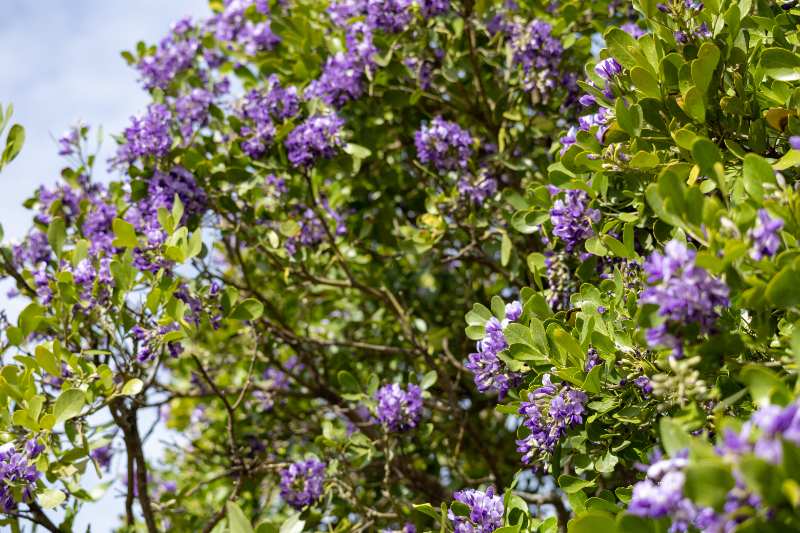
Texas mountain laurel is an evergreen that grows 10 to 15 feet tall with dense, dark-green foliage. It is one of the most popular small native trees in San Antonio.
Fragrant flowers and glossy, deep-green leaves: In early spring, it produces clusters of purple, grape-scented flowers. The fragrance alone makes this tree worth planting. Glossy dark-green leaves stay on year-round.
Growing conditions: Extremely drought-tolerant once established. It prefers dry, well-drained limestone soils. It’s slow-growing, adding about 6 to 12 inches per year. Plan ahead if you want a mature specimen.
Watch for: Pest- and disease-resistant. Every now and then foliage worms might eat its leaves, but it will recover.
Caution: The bright red seeds are toxic to humans and pets. Keep this in mind if you have young children or curious dogs.
When To Plant Native Trees in San Antonio
Fall or winter is best: Plant native trees in fall or winter (October through January) in San Antonio. Cooler temperatures reduce transplant stress, and winter rains help roots establish before summer heat.
Early spring works too: February through early March is a secondary window. Avoid planting June through September, when extreme heat puts new trees at serious risk.
Local rainfall context: San Antonio averages about 32 inches of rainfall per year, with most falling in spring and fall. That seasonal pattern is one reason fall planting works so well here.
Watering new trees: Water deeply twice a week for the first growing season during weeks with no rainfall. After that, most native trees survive on rainfall alone, though supplemental watering during extended drought helps.
Building New or Adding On? Tree Rules Kick In
Planting a tree in an existing yard triggers no city rules, but building a new home or adding more than 2,500 square feet of floor area does.
If your project qualifies, plan to plant at least 2 native, large-canopy trees per lot at a minimum 1.5-inch caliper, and bring the finished lot to 38% tree canopy coverage.
Any heritage trees already on the property (24 inches in diameter or greater) must be preserved at 100%, and at least 35% of significant trees (6 inches wide or more) must stay.
Professional tree planting typically costs $565 to $680 per tree, depending on size and species. LawnStarter’s tree planting pros in San Antonio can help choose the best spot for each tree and handle the installation for you.
Free Trees and Shade Tree Rebates in San Antonio
The city’s Parks and Recreation Department hosts several tree adoption events between October and April. Follow their website and you can get free trees for your yard.
CPS Energy offers a $50 rebate for each eligible tree. The program is active from October to April and it’s on a first-come, first-served basis, so watch their website this fall.
Let a San Antonio Pro Handle Tree Planting and Care
Adding native trees to your San Antonio yard is one of the best investments you can make for shade, curb appeal, and water savings.
If you need help choosing the right tree or getting it planted, LawnStarter connects you with vetted tree care pros in San Antonio for tree planting and ongoing care.
LawnStarter also connects you with tree care pros in nearby cities and suburbs like Helotes, Schertz, Floresville, Boerne, New Braunfels, and more.
FAQs
If you want fast shade, American sycamore is one of the best native picks for San Antonio. It grows up to 2 to 3 feet per year and can reach 75 to 100 feet. This native handles the area’s alkaline soils well, but needs steady moisture to thrive.
Sugarberry, a native hackberry, is the most common tree in San Antonio’s residential yards, according to the USDA Forest Service’s Urban Forest Inventory. It often spreads on its own through bird-dropped seeds. Live oak ranks second but dominates as the city’s most common large shade tree.
Avoid trees poorly adapted to San Antonio’s alkaline soils or known to spread invasively, such as sweet gum, Chinese tallow, and chinaberry. Chinese tallow is on the Texas Department of Agriculture’s noxious weed list, and chinaberry has toxic fruit harmful to pets.
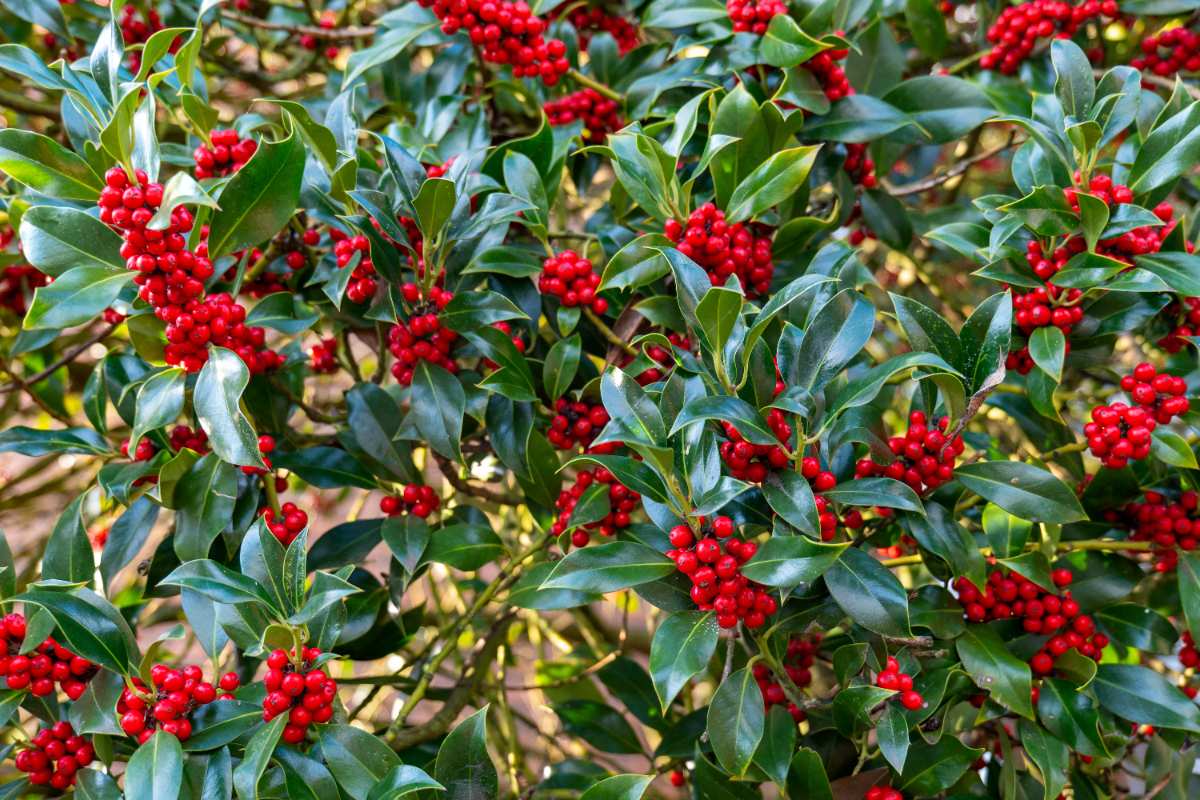
Main Image: Yaupon Holly with glossy leaves and red berries. Image Credit: Eugen / Adobe Stock
