| Key Takeaways |
|---|
| • Brood II and Brood XXII stragglers are expected to emerge in 2026. • Don’t bother with insecticides; instead, take precautions to protect your plants. • Tolerating cicadas is beneficial to the environment and your yard. |
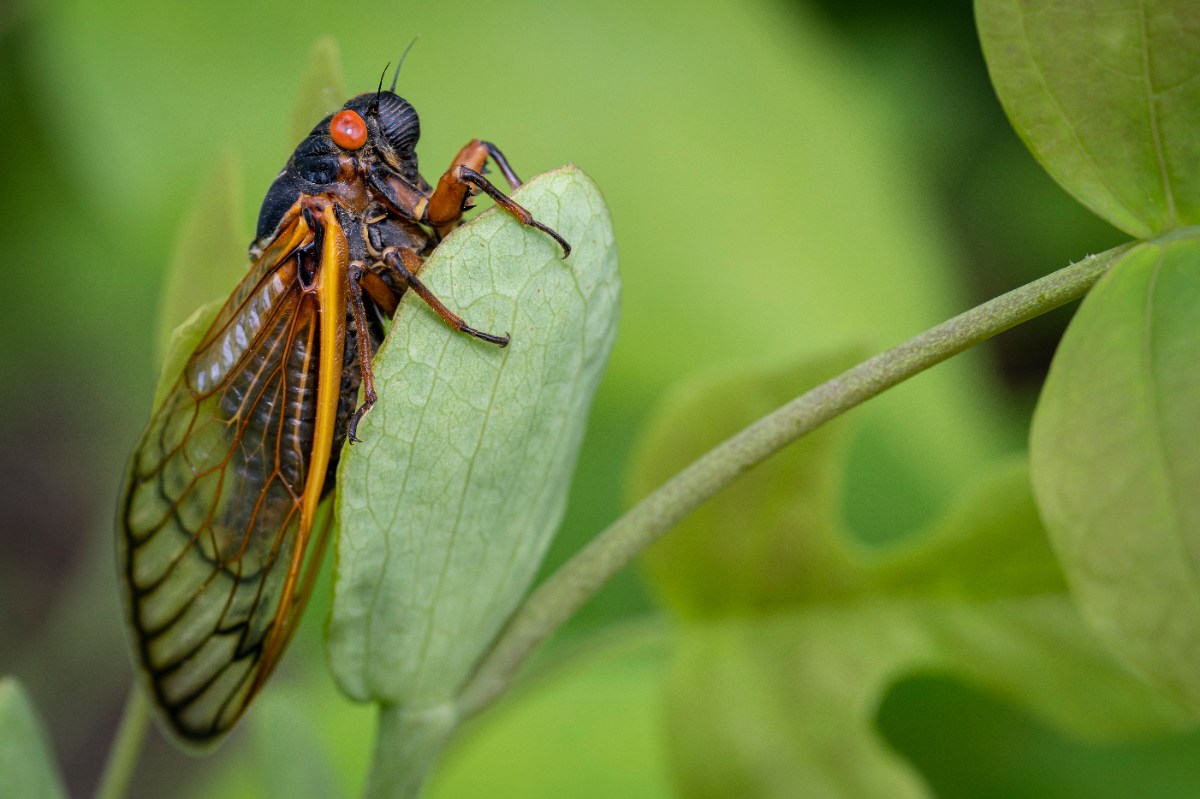
If you’ve had problems with cicadas in the past, wrap trees to prevent damage or spray ornamentals with water to knock them off the plants. When possible, tolerate them — they’ll be gone in 4 weeks.
“No major emergences will occur in 2026,” says John Cooley, associate professor at the University of Connecticut, who studies periodical cicadas. Damage this year should be minimal. In 2026, the cicada forecast shows only stragglers from Brood II and Brood XXII.
When Do Cicadas Emerge?
Cicadas emerge after leaves appear on the trees, when the soil temperature reaches 64 degrees at 8 inches deep. Think late spring.
In 2026, Brood II and Brood XXII stragglers will emerge, although the full invasion of Brood XXII will occur in 2027 and the full invasion of Brood II won’t occur until 2030.
Fun Fact: “Stragglers” is the term for cicadas that emerge off-cycle, outside of their brood’s emergence year.
According to Cicada Mania, here are the states that will be impacted by the appearance of Brood II and Brood XXII in 2026:
- Connecticut
- Georgia
- Kentucky
- Louisiana
- Maryland
- Mississippi
- New Jersey
- New York
- North Carolina
- Ohio
- Oklahoma
- Pennsylvania
- Virginia
Pro Tip for 2026: If there were a lot of cicadas in your yard in 2013, you are likely to see a handful emerging again in 2026.
Looking Ahead: Long-Range Cicada Forecast
This is the schedule for cicadas and their primary locations for the next 5 years, through 2031. This does not include broods that emerge early. The next major cicada emergence will be in 2027, when Brood XXII emerges.
| Year | Brood | Location |
| 2027 | Brood XXII | Ohio, Kentucky, Louisiana, Mississippi |
| 2028 | Brood XXIII | Arkansas, Illinois, Indiana, Kentucky, Louisiana, Mississippi, Missouri, Tennessee |
| 2029 | Brood I | Tennessee, Virginia, West Virginia |
| 2030 | Brood II | Connecticut, Georgia, Maryland, North Carolina, New Jersey, New York, Oklahoma, Pennsylvania, Virginia |
| 2031 | Brood III | Illinois, Iowa, Missouri |
Source: Cicada Mania
Get Rid of Cicadas in Your Yard
There is no effective way to get rid of cicadas once they emerge. It’s best to tolerate them and take measures to protect your ornamental plants to minimize damage.
How to Tolerate Cicadas
Instead of waging war on cicadas, consider tolerating the buzz and invasion for a month. Cicadas don’t live long. Maybe 4 weeks.
Some reasons you might not want to get rid of cicadas:
- Cicadas are harmless: Cicadas do not eat leaves, flowers, fruits, or garden produce.
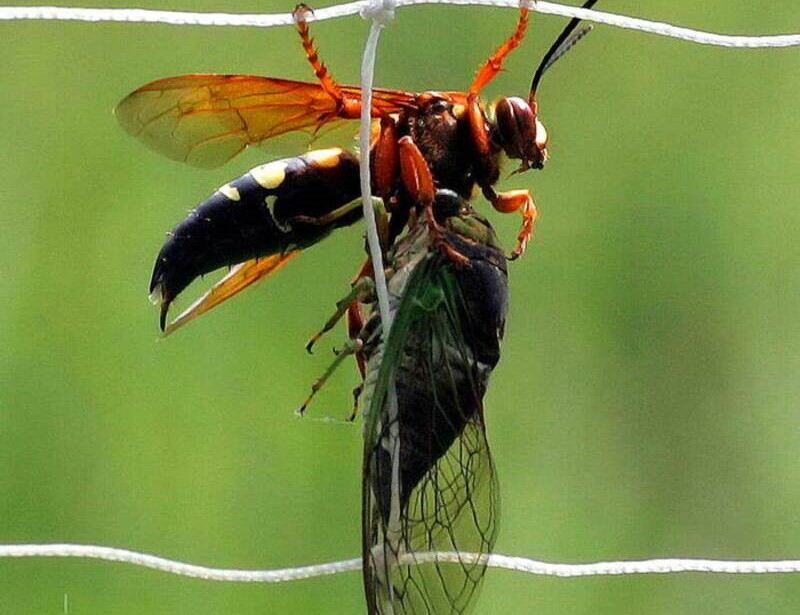
- Cicadas benefit the environment: They provide food for birds, wasps, fish, and wildlife.
- Cicadas aerate the ground.
- Cicadas improve soil as they decompose.
- You avoid harmful chemicals.
How to Protect Plants
The billions of cicadas that emerge in boom years (though not in 2026) will quickly make their way to trees, so protecting delicate species is important.
“If you have delicate ornamentals, you may want to wrap or bag them to keep females away, since their egg-laying can damage such plants,” Cooley says.
To protect your trees:
- Spray often with a strong hose.
- Wrap smaller and younger trees with netting that has openings of less than ¼ inch.
Cicadas don’t eat tree leaves, but they can damage trees.
Here’s how: Female cicadas cut slits into the bark to lay eggs. After the eggs hatch, the nymphs (juveniles) drop to the ground. Once on the ground, the nymphs burrow, digging several feet below ground, and attach themselves to a tree root underground to suck out the sap and juices.
“They will only damage roots in extremely unusual circumstances or if the plants are on the way out anyway,” Cooley says.
In case you’re wondering, there’s no way to kill nymphs either. “If you have the nymphs in your yard (underground), there is no reasonable way to get rid of them,” he says.
Trees at risk:
- Apple
- Ash
- Cherry
- Chestnut
- Dogwood
- Elm
- Hickory
- Maple
- Oak
- Peach
- Pear
When it comes to protecting grapevines and other climbing plants, you may need to pluck off cicadas one by one. (This is a great chore for kids!)
Pro Tip: Fruit trees, nursery trees, and recently transplanted trees are at greatest risk.
See Related: A Guide to Planting Fruit Trees
How to Limit Damage from Cicadas in Your Yard
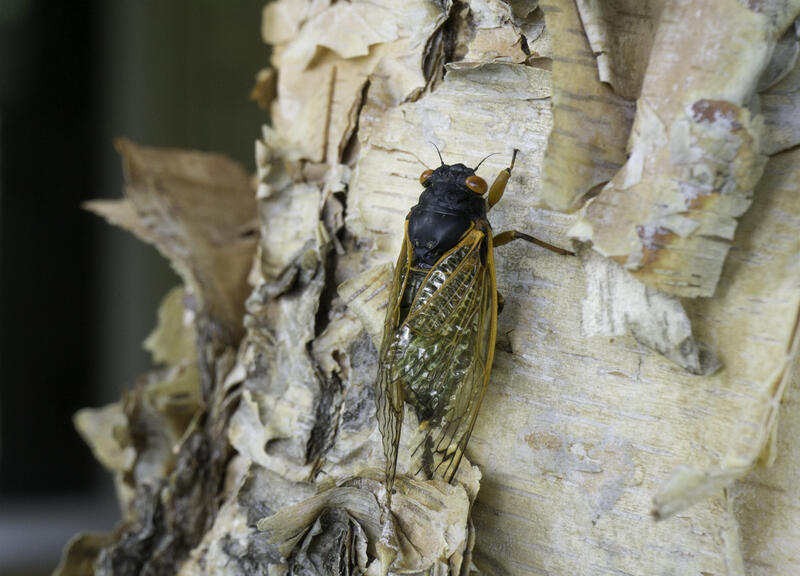
You can’t prevent cicadas from coming, but you can limit the damage to your yard and your hearing.
- Invest in earplugs or noise-canceling headphones.
- Cover pools and hot tubs. Cicadas tend to fly into them and can clog the drains.
- Do yard work in the early morning or at dusk, when cicadas are less active. The vibrations from your lawn equipment can attract cicadas.
- Wear a hat when working under trees or in your yard. Cicadas like to pee after filling up on tree sap.
See Related: When is the Best Time of Day to Mow Grass?
Don’t Use Insecticides
Don’t try to get rid of cicadas by using insecticides, the EPA says. You’re wasting your time and money. A study in the Journal of Economic Entomology says that “conventional insecticides have low or variable season-long efficacy in reducing injury caused by cicadas.”
So many cicadas emerge at a time that as soon as one group dies, another emerges. Additionally, insecticides may pose risks to you, your family, neighbors, and pets.
What is a Cicada?
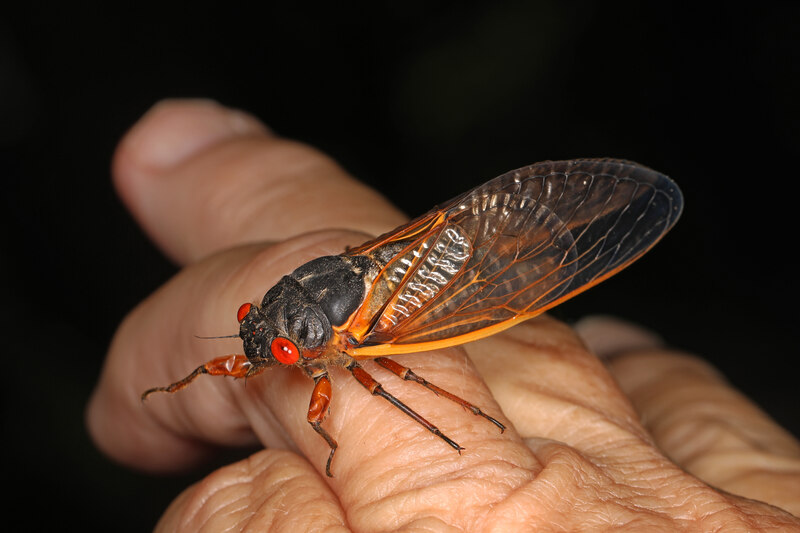
Cicadas rise up from the ground to mate and breed. After mating, the male dies, and the female produces about 500 eggs, then dies.
There are 2 basic groups:
- Annual: Only comes once a year, like Santa Claus. Usually in early summer.
- Periodical: Appears once every 13 or 17 years. Usually in late spring.
Cicadas do not bite people or pets. If your dog or cat eats a few, these insects are a good source of protein. But should a dog or cat eat too many, it might vomit up the cicadas.
What to do with cicada bodies:
- Add them to your compost bin.
- Bury them.
- Burn them.
The Bottom Line: Tolerate or Treat Cicadas?
Cicadas won’t harm you or your lawn, but they may bedevil you and your family. Don’t try to get rid of cicadas by using insecticides – they won’t work.
Although you may not need to treat cicadas, there are many other lawn pests we can help you with. Call a LawnStarter lawn treatment pro today to treat any pest infestation in your yard or to mow your yard during the growing season.
Sources:
John Cooley, associate professor in residence, ecology and evolutionary biology, at the University of Connecticut, Hartford, CT. Personal interview.
Main Image: Red-eyed cicada resting on a green leaf. Image Credit: Gary Riegel / Adobe Stock
Related Posts: