| Key Takeaways: |
|---|
| • Fleas don't walk into your yard; they hitchhike in on wildlife, stray cats, and dogs. • Tall grass, leaf litter, and shady, moist spots give flea larvae the cover they need to survive. • Standing water and food scraps attract the wildlife hosts that carry fleas onto your property. |
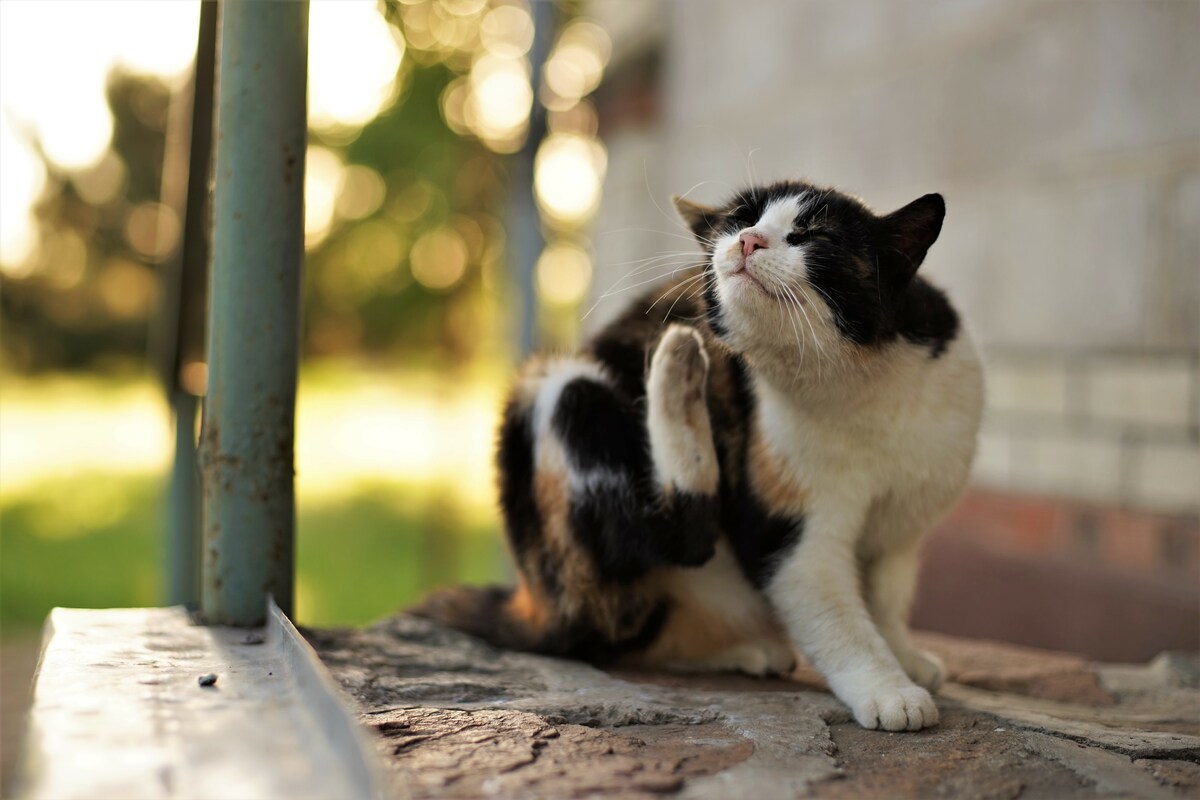
Fleas are attracted to shady, humid hiding spots, standing water, and available food sources in your yard. These same conditions entice the wildlife and stray animal hosts that carry them in.
If you’re dealing with fleas or worried your yard could be next, we’re here to help. Flea season hits hard, and these tiny parasites can go from a backyard nuisance to a full-blown indoor infestation faster than you’d think. Here’s exactly what’s drawing them in and how to keep them out.
| Fleas in your yard? Find a local, top-rated pest control pro near you for fast, effective flea treatment. |
What Brings Fleas to Your Yard
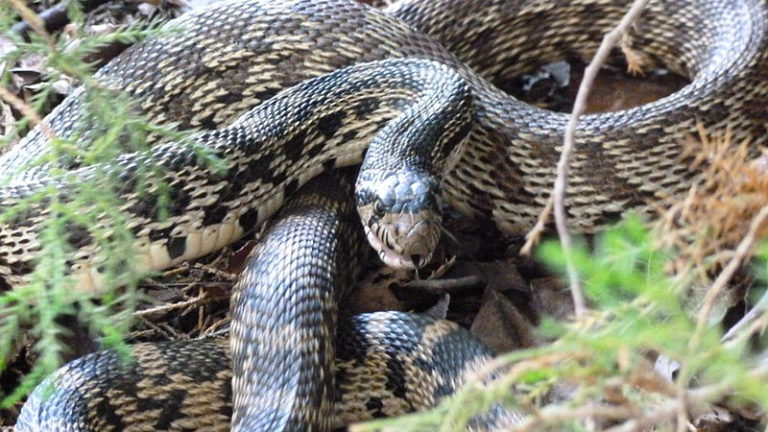
Fleas don’t walk into your yard on their own. They hitchhike on warm-blooded hosts. Raccoons, opossums, skunks, squirrels, rabbits, foxes, rodents, and coyotes are all common carriers, as are feral cats and stray dogs.
What do adult fleas eat? Adult fleas feed exclusively on blood and cannot survive or reproduce without a warm-blooded host. That’s what makes wildlife and stray animals such effective carriers.
Of the estimated 2,500 flea species worldwide, about 325 are found in the U.S. The ones in your yard are most likely cat fleas (Ctenocephalides felis) and dog fleas (Ctenocephalides canis). Despite their names, a study in Parasites & Vectors found that more than 130 wildlife species host the common flea types.
Michael Dryden, professor of veterinary parasitology at Kansas State University, compares infested animals to live salt shakers. “As these animals move through the neighborhood and yards, flea eggs are dropping off,” Dryden says.
Since a single female flea can lay up to 50 eggs per day, potentially producing 2,000 eggs in her lifetime, one stray cat passing through your yard can seed a serious infestation fast.
What Fleas Need in Your Yard to Survive
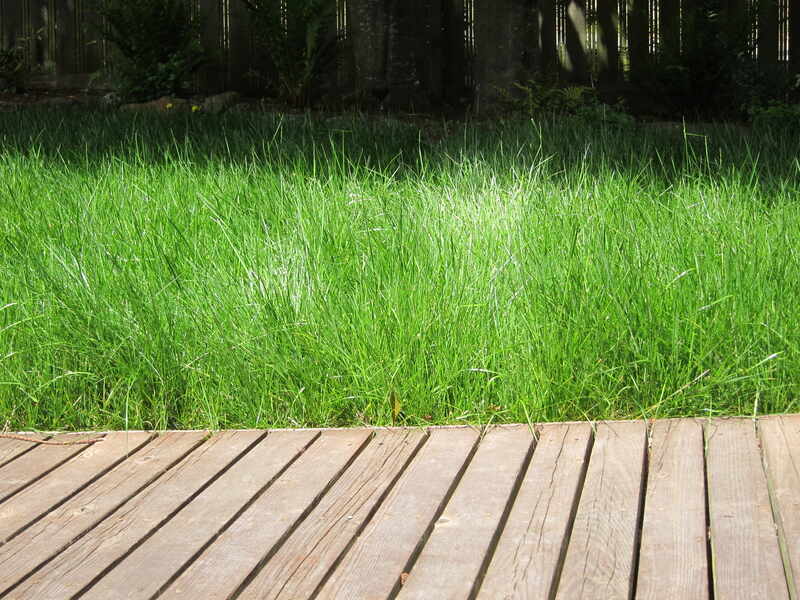
Fleas thrive in warm, humid, shaded environments.
“Because of their susceptibility to heat and desiccation, flea larvae are not likely to survive outdoors in shade-free areas,” says Dryden.
Larvae flourish when relative humidity (RH) is between 75% and 92% and dry out when RH drops below 50%. Above 75%, larvae can actually absorb water directly from the air, which is why moist, shaded environments are so attractive to them.
Common flea hot spots in your yard include:
- Leaf litter and yard waste
- Tall, unmowed grass (one of the most reliable flea habitats in your yard)
- Dense mulch beds (ideal for flea larvae)
- Wood piles
- Old furniture or debris
- Under decks and porches
- Crawl spaces
Ironically, standing water is a hazard, not a haven. Larvae drown easily in saturated soil or flooded areas, and adults can survive only about 24 hours when submerged.
To minimize flea habitat, mow regularly, remove leaves and debris, mulch 2 to 3 inches deep, and maintain a mulch-free zone along your home’s foundation.
See Related:
— How to Know if Fleas Are in Your Yard (5 Signs)
— How to Treat Fleas in Your Yard Naturally
What Draws Wildlife Hosts to Your Yard
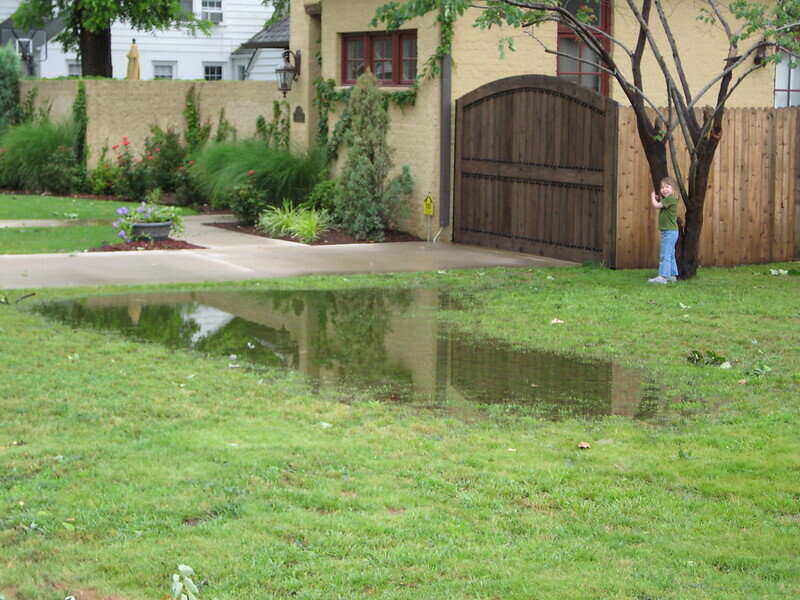
Wildlife comes into your yard and sticks around for two things: water and food. The more of both you offer, the more flea-carrying animals will visit. And every visit is a chance to deposit flea eggs.
Common water sources that attract wildlife include:
- Low spots and puddles from poor drainage or leaky hoses
- Bird baths
- Pet water bowls left outside
- Saucers under flower pots
- Kiddie pools
- Buckets, tires, or containers that collect rain
Food sources that attract flea-carrying wildlife include:
- Fallen fruit left on the ground
- Bird feeder seeds scattered on the soil
- Pet food left outside
- Barbecue scraps or food waste on the lawn
- Unsecured or overflowing garbage cans
The connection is simple: More wildlife = more fleas. Minimize what you’re offering them, and you’ll reduce how often they visit. Fix drainage issues, eliminate standing water, and secure food sources to reduce wildlife movement through your yard.
For persistent wildlife traffic, fencing or motion-activated sprinklers can provide an additional layer of deterrence.
Your Pets Can Attract Fleas, Too
Wildlife hosts aren’t the only animals that make your yard attractive to fleas. Adult fleas feed on pets, too, so the more time your pets spend outside, the more appealing your yard becomes as a feeding ground.
Flea larvae also feed on flea dirt as they develop into adults. Flea dirt is the dark, pepper-like droppings adult fleas leave behind, and it concentrates wherever your flea-infested pets spend the most time (along with places the host animals hang out and nest), making those spots prime flea territory.
Protect your pets with vet-recommended flea and tick prevention: pills, collars, or topical treatments. Without it, your pets can reintroduce fleas from the yard into your home.
| Skip the guesswork. Connect with a local pest control pro to treat your yard for fleas and keep wildlife from turning your lawn into a flea nursery. Get a free quote today. |
FAQ About What Attracts Fleas to Your Yard
Yes, fleas can live in both grass and dirt, but they prefer shady, humid spots over open, sunny areas. Flea larvae dry out quickly when exposed and survive best under tall grass, leaf litter, mulch, or debris rather than in a well-maintained, sunny yard or patch of bare ground.
A surge in fleas is usually tied to a mild winter (more flea eggs survived), warm and humid weather, or increased wildlife activity in your area. Flea populations peak in late summer and fall, so infestations that seem sudden have often built up gradually through the season.
Fleas don’t rely on scent to find their next meal; instead, they locate hosts by sensing carbon dioxide, body heat, and movement. This is why fleas seem to find people so quickly and bite ankles first. Some people react more visibly to bites than others, which can make it seem like fleas prefer them, but no one is immune.
Don’t Let Fleas Get the Upper Hand (or Ankle)
Eliminating what attracts fleas is the best defense against an infestation. Keep your yard tidy, cut off wildlife access, and protect your pets.
If fleas have already moved in, a local, highly rated pest control pro can treat your yard fast and keep them from coming back.
Sources
Michael Dryden, Kansas State University Department of Veterinary Parasitology, Manhattan, KS. Personal interview.
Main Image: A calico cat scratches behind its ear. Image Credit: Omega / Adobe Stock Free / License
Related Posts: