Spring lawn care here in Detroit starts with one simple truth: Our lawns take a beating every winter. Follow our 10-point spring lawn care checklist and your grass will look great from spring into fall.
What do you need to do? Clear winter debris, test your soil before adding anything, mow at the right height, and get ahead of crabgrass to make a real difference.
While LawnStarter’s Detroit lawn care pros can take care of the work for you, you can handle many of them yourself. Follow these Detroit-specific tips and you’ll help your lawn wake up, repair winter damage, and grow thick and green by the time May rolls in.
- 1. Clear Winter Debris Before Anything Else
- 2. Tune Up Your Mower Before You Mow
- 3. Test Your Soil Before Applying Fertilizer
- 4. Repair and Overseed Bare Patches Early
- 5. Mow High and Wait Until the Grass Is Ready
- 6. Water Wisely
- 7. Fertilize at the Right Time
- 8. Apply Crabgrass Pre-Emergent
- 9. Consider Aeration or a Light Dethatch
- 10. Keep Detroit’s Lawn Care Challenges in Mind

1. Clear Winter Debris Before Anything Else
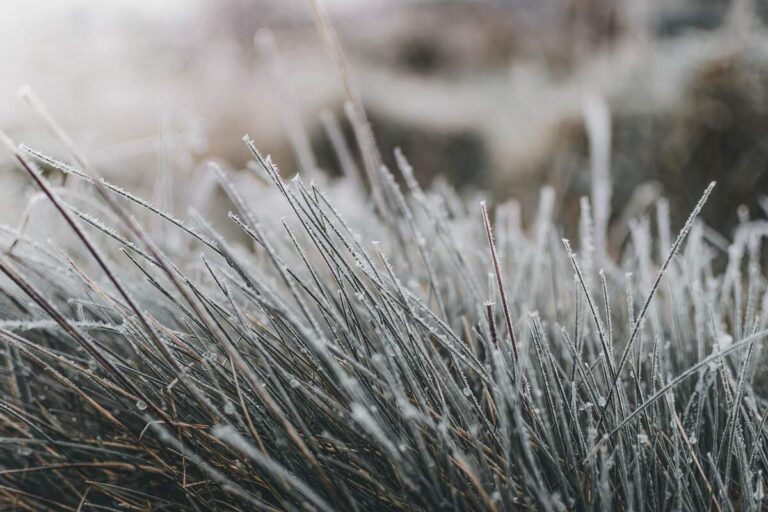
Detroit winters leave leaves, sticks, and salt all over your lawn. You might even see snow mold or those gray or pink patches where grass smothered under snow.
What to do: Grab a rake and gently remove dead leaves, flattened grass, and any debris. This helps your lawn breathe again and prevents mold as temperatures rise.
When to do it: Late March through early April, as soon as the snow melts.
Think of this as giving your lawn a fresh start. Sunlight and warm spring air finally reach the soil, letting the grass wake up and start growing again. If patches are still discolored, mark them for later reseeding.
2. Tune Up Your Mower Before You Mow
You can’t expect great results with dull blades on your lawn mower. Dull blades tear grass, leaving brown edges instead of a clean cut.
What to do: Sharpen your mower blades and make sure your mower is ready for action. You can handle it yourself or hire a local tune-up service.
When to do it: Early to mid-April, before your first mow.
A sharp mower cuts cleanly and reduces stress on grass that’s just starting to grow.
3. Test Your Soil Before Applying Fertilizer
Detroit soil varies. Older neighborhoods often have compacted clay soil, while newer suburbs may swing acidic or low in phosphorus. According to Michigan State University Extension, soil testing is the most important spring step because:
- Grass struggles when soil pH is off
- Fertilizer works only when nutrients are balanced
- Clay-heavy soil often needs organic material to improve structure
Best Detroit lawn pH: 6.0 to 7.0
What to do: Collect soil from a few spots in your yard and send it using an MSU Extension soil test kit. Your sample goes to A&L Great Lakes Laboratories for analysis, and MSU Extension emails you customized recommendations based on current research. (Don’t send samples to the old MSU Soil and Plant Nutrient Lab, which closed in 2022).
When to do it: Mid to late March, so you get results before you fertilize.
The test tells you exactly what you need, whether that’s lime, sulfur, or a specific nutrient blend, so you’re not guessing or wasting money.
4. Repair and Overseed Bare Patches Early
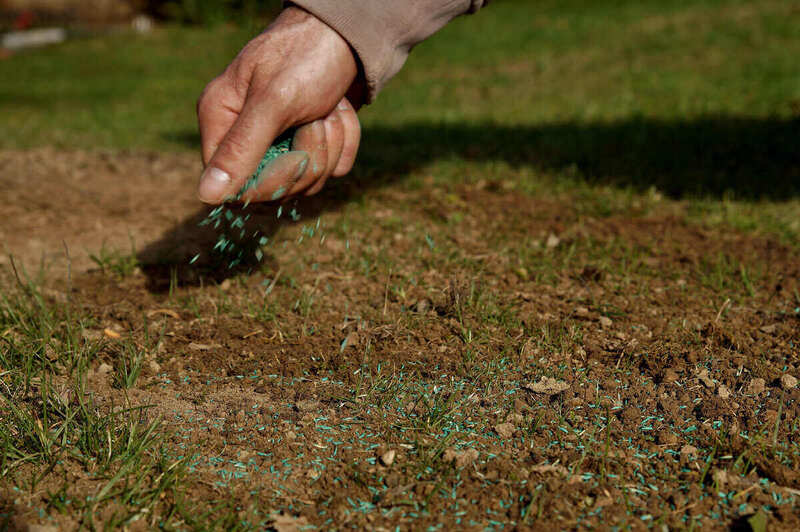
Detroit yards usually get salt burn, snow-mold patches, and plow damage. Spring is the best time to fix those thin or bare areas. This sets your lawn up for success before summer heat arrives.
Best grass types for Detroit:
- Kentucky bluegrass (great recovery, classic look)
- Perennial ryegrass (fast germination, great for overseeding)
- Tall fescue (best for shade, salt tolerance, and clay soils)
A typical Detroit spring mix is 50% Kentucky bluegrass, 30% perennial rye, and 20% fescue.
What to do:
- Loosen the soil in bare areas
- Check for grubs (look for spongy or lifted patches)
- Spread cool-season grass seed
- Cover lightly with straw or mulch
- Water only if spring rains aren’t enough
When to do it: Late April to early May, when the soil is about 50 to 60 degrees (around Memorial Day).
Overseeding now gives roots time to grow before summer heat hits. If grubs caused damage, treat them first. Otherwise, new grass could be gone before it even starts.
5. Mow High and Wait Until the Grass Is Ready
Avoid the common mistake of mowing too early. Detroit soil stays wet for weeks after the snow melts, and mowing too soon causes ruts.
Best mowing height for Detroit cool-season lawns: 3 to 3.5 inches
When the grass reaches about 4 inches, mow to 3 to 3.5 inches. Mowing high helps:
- Shade out weeds
- Strengthen root growth
- Reduce stress on recovering grass
When to do it: Mid to late April, depending on snowmelt and thaw.
Taller cuts protect roots, shade the soil, and help prevent weeds. Your lawn recovers faster and grows stronger.
6. Water Wisely
Detroit doesn’t need much extra water in the spring. Spring rain usually does most of the work.
Water only if:
- You’ve overseeded and need soil moisture, or
- We hit a rare dry spell in May
What to do: Water only if the top inch or two of soil is dry. When needed, water deeply but less often.
When to do it: April through May, continue into summer as needed.
Deep watering encourages strong roots. Shallow watering weakens roots and can invite fungus. Keep an eye on rainfall before grabbing the hose.
7. Fertilize at the Right Time
Detroit lawns benefit from a slow-release nitrogen fertilizer once your lawn is actively growing.
Avoid fertilizing too early while the soil is still cold. The nutrients won’t absorb well. Fertilizer doesn’t work on frozen or just-thawed lawns.
General spring recommendation:
- Use a fertilizer with slow-release nitrogen
- Avoid high-phosphorus blends unless your soil test says otherwise
- Aim for 0.5 to 1 pound of nitrogen per 1,000 sq. ft.
What to do: Apply slow-release nitrogen fertilizer only once grass is actively growing. Follow directions carefully.
When to do it: Late April to mid-May for established lawns; for seeded patches, wait until seedlings are strong.
Feed your lawn when it can use the nutrients, as this gives you a thick, green lawn instead of runoff or wasted money.
8. Apply Crabgrass Pre-Emergent
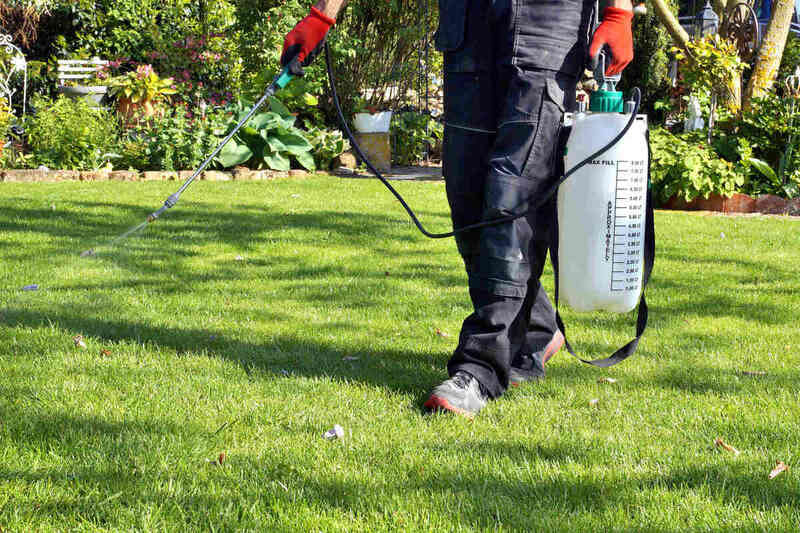
Crabgrass is a spring nuisance in Detroit. The best approach is prevention.
What to do: Apply pre-emergent herbicide when soil temperatures reach 50 to 55 degrees, or when early bloomers like forsythia signal spring.
When to do it: Late March to early April.
This step locks the door before weeds arrive. Miss the timing, and crabgrass may take over by summer.
Important: If you’ve just seeded, hold off because pre-emergent will block your new grass too.
9. Consider Aeration or a Light Dethatch
Older Detroit properties often have heavier clay soil, and years of foot traffic can compact it. Compaction stops grass roots from breathing and keeps water from soaking in.
A spring aeration helps:
- Roots get more oxygen
- Rain soak in instead of pooling
- Grass grow stronger by summer
What to do: Use a core aerator or lightly dethatch if thatch is thick. Focus on problem areas. Do this before overseeding.
When to do it: Late April to early May. Note, however, that fall is better for full aeration.
Aeration improves water, nutrients, and oxygen flow. It helps your lawn recover faster from winter and grow stronger roots.
10. Keep Detroit’s Lawn Care Challenges in Mind
Detroit lawns face:
- Winter salt damage along sidewalks and curbs
- Heavy clay soil that compacts easily
- Big temperature swings between March and May
- Early weed pressure
- Snow mold in shady or wet areas
- Patchy lawns in older neighborhoods where soil was disturbed during past construction
Knowing your lawn’s history helps you adjust your care. High-traffic spots, shady areas, or previous salt exposure need special attention.
Hire a Lawn Care Pro in Detroit
If spring lawn care feels overwhelming or you just want a head start before summer cookouts, bringing in a professional can make things easier. A local lawn care expert can handle the early cleanup, tune-ups, and treatments your grass needs to bounce back after winter.
Need a hand? Visit our Detroit lawn care page to hire a trusted LawnStarter pro. We also serve nearby cities like Grand Rapids and Lansing, so help is never far.
Read Next:
— 5 Grass Types for Lawns in Detroit
— A Guide to Fall Lawn Care in Detroit
— Summer Lawn Care Guide for Detroit
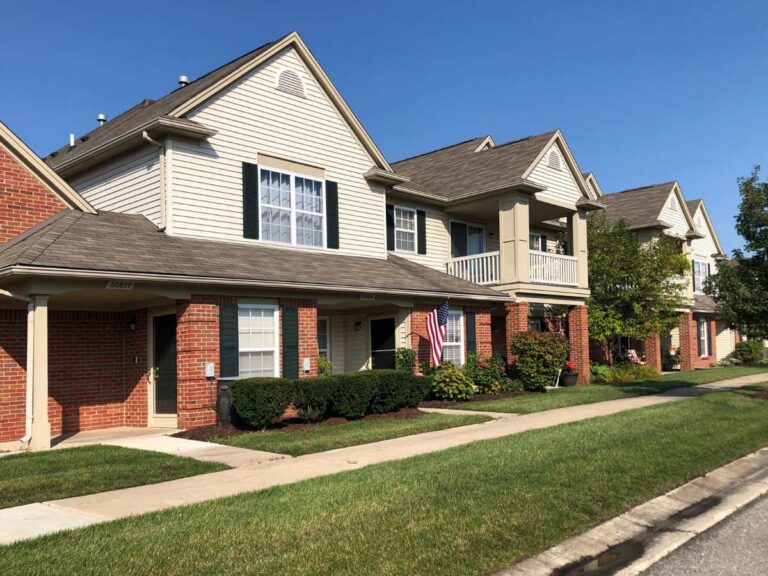
Main Image: Lawn mowed by a LawnStarter pro in Detroit, MI. Illustration by Amy Stenglein / LawnStarter
Related Posts: