Springtime in Milwaukee offers a reprieve from a long, cold winter. But despite the nourishing rain and snowmelt, a perfect lawn doesn’t happen on its own. As the days grow longer and warmer, it’s time for homeowners to start thinking about spring lawn care.
As the weather warms, begin your spring care routine with a soil test and by cleaning debris from your lawn. Don’t forget to apply a crabgrass preventer in early May. Then repair bare patches, dethatch, aerate, and fertilize for thick, healthy growth.
1. Test Your Soil
A soil test should be your starting point for spring lawn care, as your soil type will greatly impact what your lawn needs for healthy growth.
Soil types vary in Milwaukee, including poorly drained organic soils as well as well-drained loamy or sandy soils.
There are 2 ways to test your soil:
- DIY soil test: Homeowners can test their soil at home with a soil test kit.
- Lab soil test: Send in 4-10 samples of soil from around your yard to the University of Wisconsin Soil and Forage Lab. It usually takes 2 weeks to get a soil test report.
Your lawn’s soil test report will tell you about the makeup of your soil, including what type of soil you have in your yard. It will also guide you to what types of soil amendment or fertilizer your yard needs.
See Related:
– How to Read a Soil Test Report
2. Clean Up Winter Debris
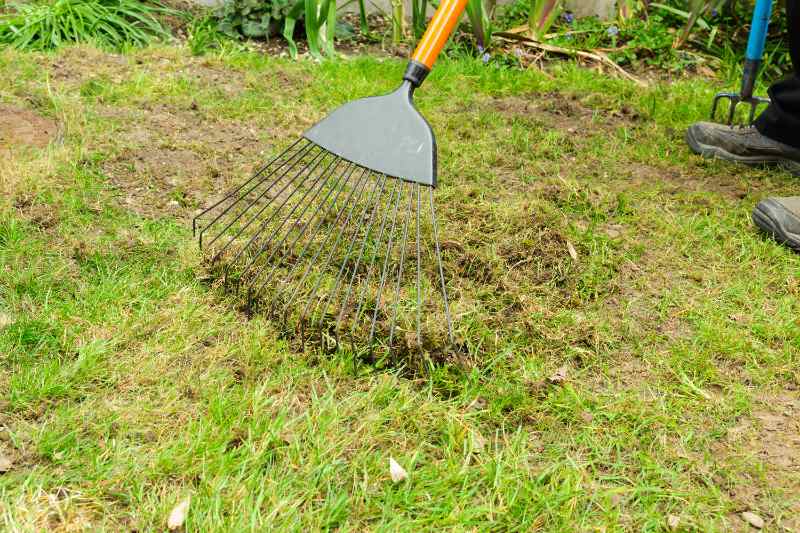
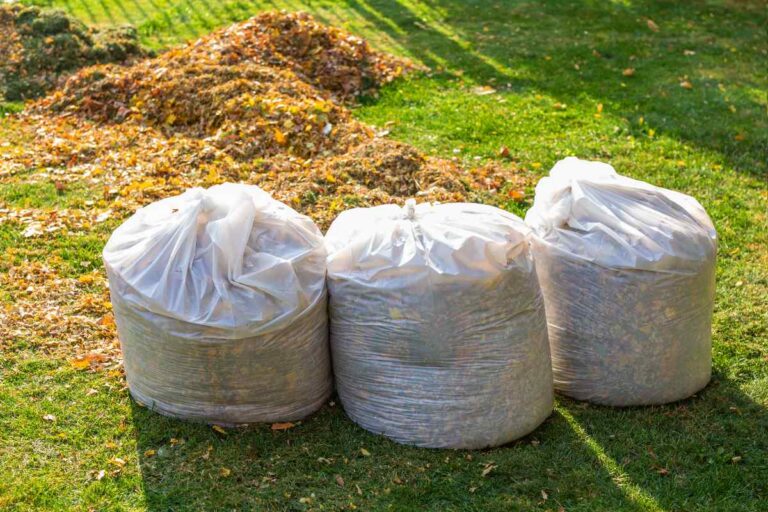
Before grass emerges from dormancy, you want your lawn to be clear of all debris. Clean up any lawn debris left over from the winter months:
- Rake up leaves and dead grass
- Remove fallen branches and sticks
- Clean gutters
Pro Tip: To make raking easier and more efficient, rake the leaves onto a tarp (or burlap square) for easier pickup and removal.
3. Apply a Pre-Emergent Herbicide
Crabgrass, dandelions, chickweed, and other weeds are a common problem in Milwaukee home lawns each spring. With pre-emergents, you can address the issue early and stop weeds before they show up in your lawn.
Pre-emergents should usually be applied during the first few days of May. When soil temperatures consistently reach 60 degrees, apply a pre-emergent herbicide designed for crabgrass and broadleaf weeds (like dandelions) to kill them before they germinate above the soil.
If you miss the timing and weeds have already started growing in your lawn, you can apply a post-emergent herbicide or pull the weeds by hand.
Here’s a visual cue for pre-emergent timing: When forsythia shrubs start to bloom, that is your seasonal reminder that it’s time to apply pre-emergent herbicides.
See Related:
– Common Weeds in Wisconsin: How to Identify and Control Them
– Post-Emergent Herbicides: Which One for Which Weed?
– How to Get Rid of Crabgrass in Your Yard
4. Mow Grass at the Right Height
The mowing season in Milwaukee usually starts in April or May, depending on when the grass starts to green up.
Cool-season grasses are the best grass type for Wisconsin lawns. Here are the recommended mowing heights for the most common grass types in Milwaukee:
| Type of Grass | Recommended Mowing Height (inches) |
| Fine fescue | 2-4 |
| Kentucky bluegrass | 2-4 |
| Perennial ryegrass | 1.5-3.5 |
| Tall fescue | 2-4 |
For a healthy yard, incorporate these tips into your mowing routine:
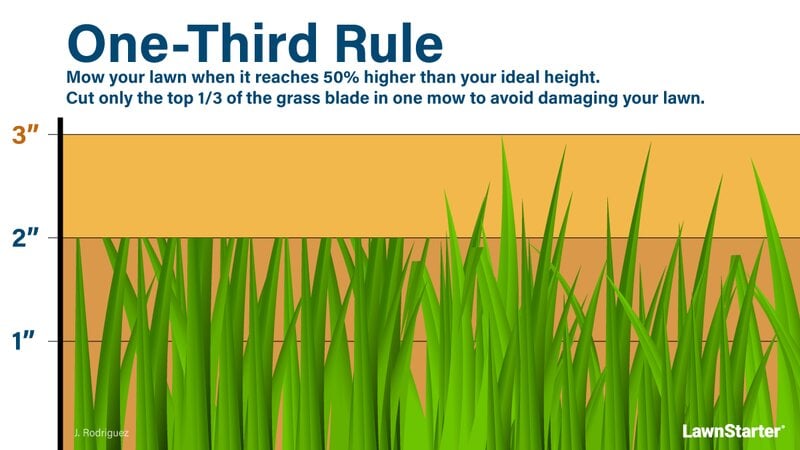
- Follow the one-third mowing rule: Never trim more than one-third of the total grass blade height at one time.
- Don’t bag; leave the grass clippings on the lawn: Grass clippings return nutrients to your soil as they decompose, acting as natural fertilizer.
- Change the mowing direction every mowing session: This prevents soil compaction and ruts from forming on your lawn.
No Mow May: For eco-friendly lawn care, homeowners can participate in the City of Milwaukee’s No Mow May program to promote biodiversity in their yards. This program encourages homeowners to refrain from mowing during the month of May to provide a natural habitat for pollinators by allowing wildflowers to grow freely in their yard.
If you participate, wait until late summer/early fall to dethatch, aerate, overseed, or fertilize your lawn.
See Related:
– Reasons to Use Grass Clippings as Mulch
5. Dethatch Your Lawn
Dethatching your lawn in May, after lawns start to green up and grow, helps remove the old grass, leaves, and other organic matter that have built up on your lawn over time. It opens up your grass so water, nutrients, and oxygen can better work their way into the soil to help improve grass growth.
Kentucky bluegrass (KBG) is especially prone to excessive buildup, so make sure to dethatch your KBG lawn when the thatch level is higher than 1/2 inch.
See Related:
6. Aerate Your Lawn
Aeration helps grass grow better by reducing soil compaction. Core aeration pulls cores of soil from the ground, which allows oxygen, nutrients, and water to reach the grass roots. Aeration also helps new seed or fertilizer get down to the soil and get to work. Aeration should be done in May after you dethatch your lawn.
To test for soil compaction: Push a screwdriver 4-6 inches into damp soil. If you are unable to push the screwdriver down that far, it’s a sign that your soil is compacted. Pooling water, browning grass, or dirt patches where nothing grows are also signs of soil compaction.
See Related:
– How to Tell You Have Compacted Soil
– How to Aerate Your Lawn: A Complete Guide
7. Overseed Bare Spots
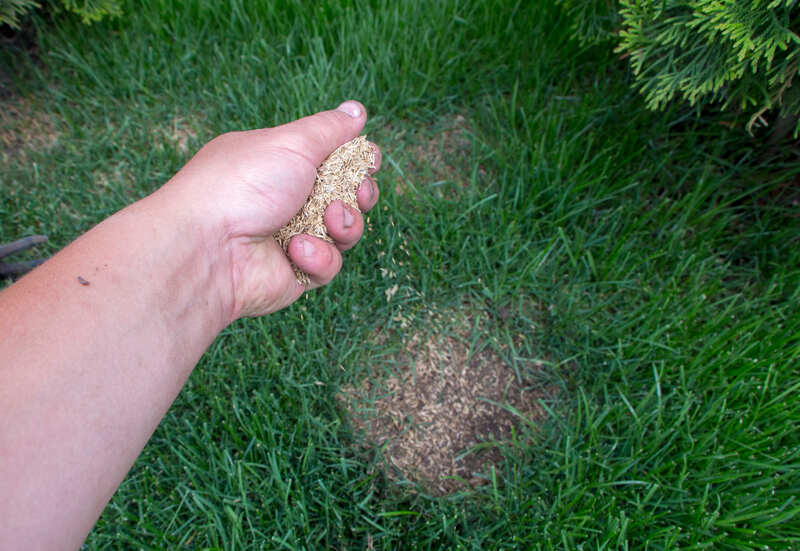
Even the most well-kept lawns will have some bare, brown, or dead spots from over the winter. By planting new grass seed, you can easily repair your lawn by filling in these bald spots.
In May, after lawns start greening, use a spreader to apply cool-season grass seed to those bare spots to renew your lawn for the summer. The soil should be moist when you overseed, and applying a starter fertilizer at the time of planting is ideal.
Pro Tip: Overseeding works best after you dethatch and aerate your yard, but you can also overseed small bare patches without the extra work: Simply rake the soil with a leaf rake before you apply the seed.
See Related:
– How to Overseed a Lawn in 8 Simple Steps
– Guide to Growing Cool-Season Grasses
8. Apply a Slow-Release Fertilizer
For established lawns (that you didn’t overseed and fertilize), the final step is to apply a slow-release fertilizer in late May, once you’ve mowed the lawn at least twice. Slow-release fertilizers release their nutrients little by little every irrigation cycle, so you won’t need to make fertilizer applications as frequently.
Apply no more than 1 pound of nitrogen per 1,000 square feet to avoid over-fertilizing.
Note: If you overseed your lawn, hold off on another fertilization application until fall.
See Related:
– What Is Slow-Release Fertilizer For the Lawn?
Ready for the Best Lawn in Milwaukee?
Timing is everything when it comes to Milwaukee lawn care. Homeowners should start by cleaning up their yard and testing their soil. In May, homeowners should dethatch, aerate, and fertilize their yard.
Need help getting the timing right? If you don’t want to deal with the hassle of maintaining a lawn care calendar, LawnStarter’s Milwaukee lawn care pros know the ideal timing for each lawn care task, and they can take care of your Milwaukee lawn throughout the growing season.
See Related:
- Summer Lawn Care Tips for Milwaukee, WI
- Fall Lawn Care Tips for Milwaukee, WI
- Native Plants for Easy Gardening in Milwaukee, WI
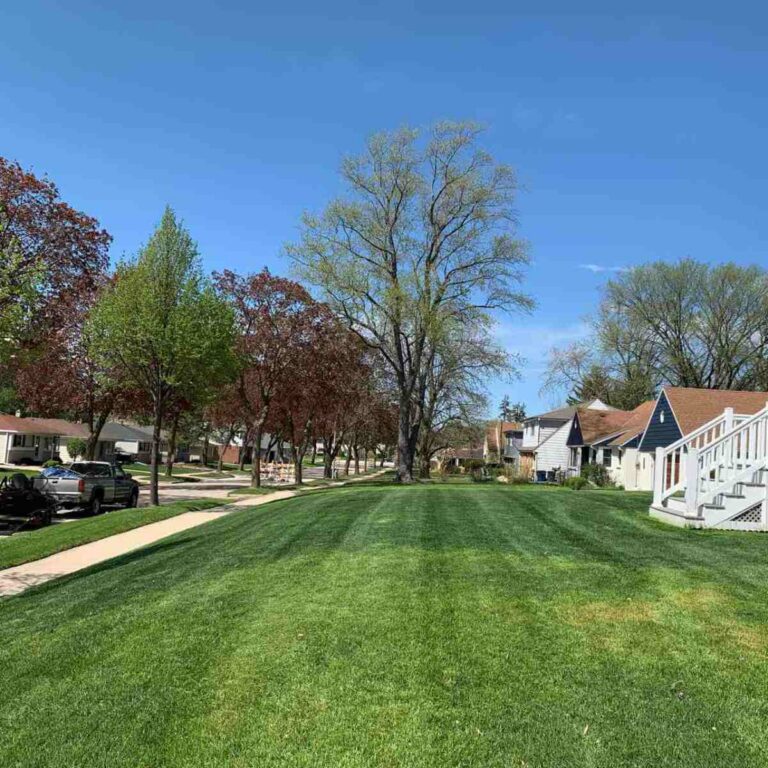
Main Image: Lawn mowed by a LawnStarter pro in Milwaukee, WI. Illustration by Amy Stenglein / LawnStarter
Related Posts: